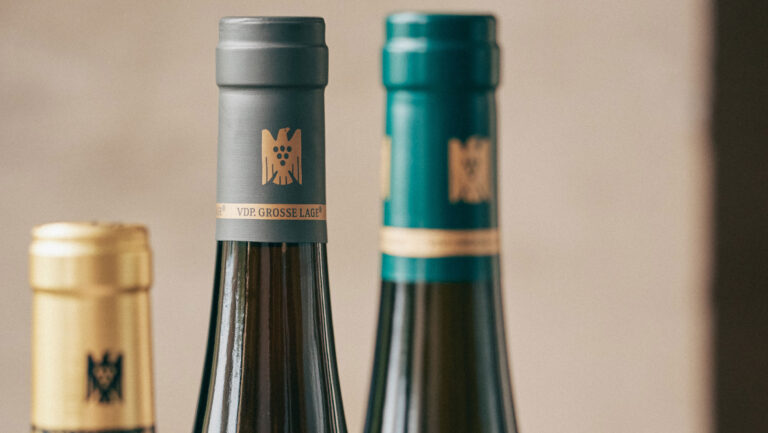
A Guide to Germany’s New Wine Classification System
Germany’s updated wine law—which is mandatory from the 2026 vintage—introduces PDOs, PGIs, and stricter regional control, but understanding the new hierarchy won’t necessarily be easier
 Dispatch

Don’t miss the latest drinks industry news and insights. Sign up for our award-winning newsletters and get insider intel, resources, and trends delivered to your inbox every week.
Germany’s updated wine law—which is mandatory from the 2026 vintage—introduces PDOs, PGIs, and stricter regional control, but understanding the new hierarchy won’t necessarily be easier
Wine importers are adapting to volatility with sharper logistics, closer partnerships, and tighter cash management
Hungary’s dry wines and native varieties have gained ground in the U.S., but the biggest challenges around visibility, availability, and distribution remain
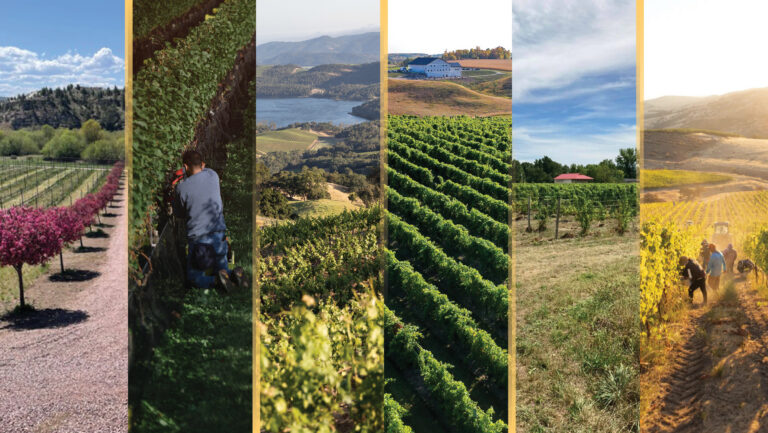
From Minnesota to New Jersey, seven proposed AVAs aim to distinguish emerging regions by climate, soils, and grape varieties

From dedicated charters to custom bottlings, wineries are leveraging cruise partnerships to capture engaged audiences and drive long-term sales

The newest Master Sommeliers share the strategies that helped them prepare for—and ultimately pass—one of the wine industry’s most difficult tests
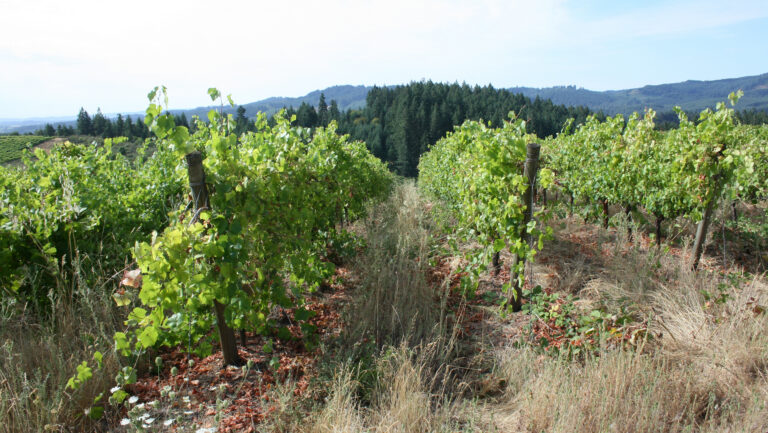
Rather than abandoning vineyards amidst declining demand, some grape growers are pressing pause with the hopes of resuming production in a few years
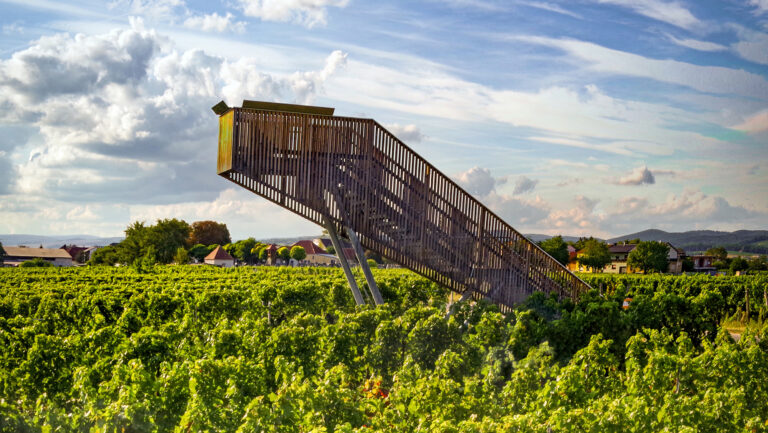
Once on the margins, Burgenland is now a hub of ambitious winemaking that’s challenging Austria’s ideas about typicity and origin
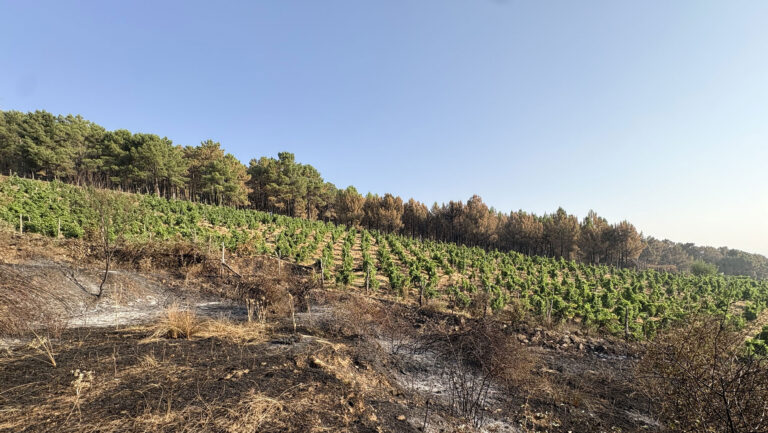
The ethereal Garnachas of Sierra de Gredos have brought new recognition to this Spanish winemaking region, but after wildfires recently swept through the region, can the momentum continue?

Encyclopedic lists and trophy bottles aren’t going away, but today’s best wine programs are finding new ways to stand out through thoughtful editing, distinct points of view, and more creative ways to guide guests

One of the oldest wine-producing regions in the world, Albania is in the midst of a quality revolution as vignerons embrace native grape varieties
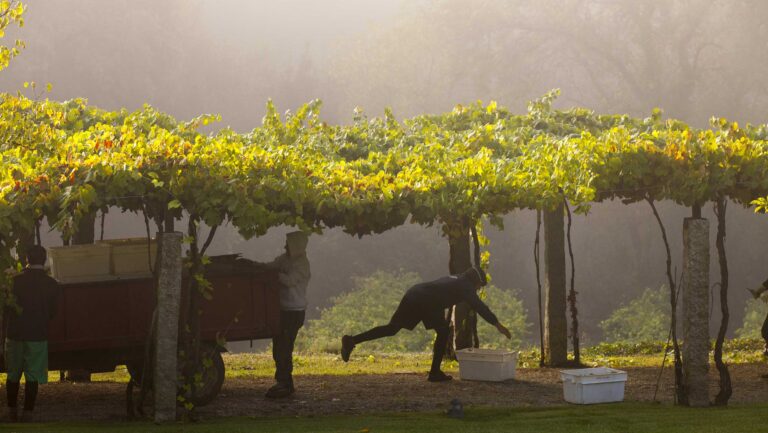
As labor costs soar, global wine regions are forced to weigh the high expense of traditional vineyard design against its tourism appeal and climate-adapting benefits
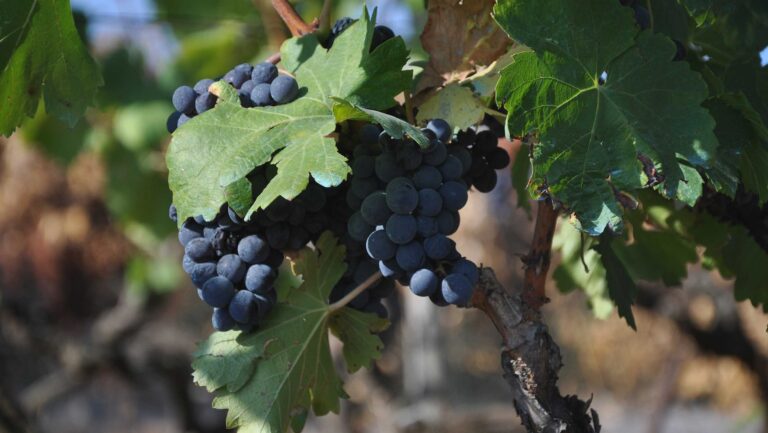
In a warming climate, even one of the world’s most heat-tolerant grape varieties is reaching its limits
The first half of 2024 has felt like a tidal wave of woe for U.S. wine producers, but what’s really going on? Winery professionals and industry analysts weigh in
Accessible, higher-volume SKUs are helping producers build resilience in a difficult wine market
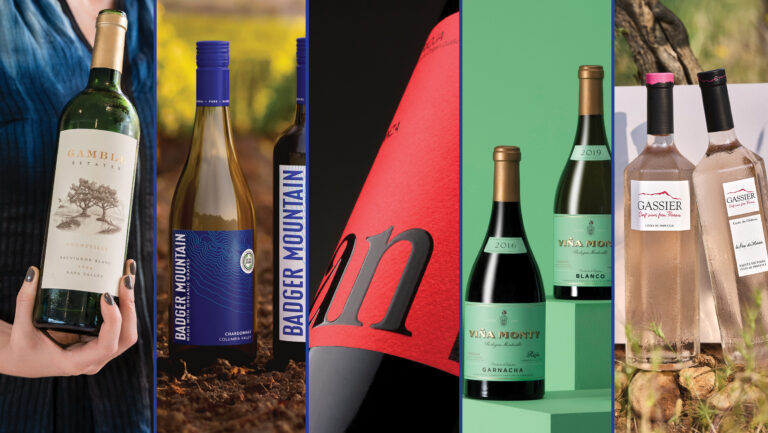
Producers are rethinking identity, design, and strategy to drive growth amid economic challenges and consumer shifts

The growth of flavored wine offers lessons in accessibility, flavor, and meeting evolving consumer demand
From Saperavi to western Georgian whites, a growing number of producers are pushing beyond amber styles to showcase the country’s full range
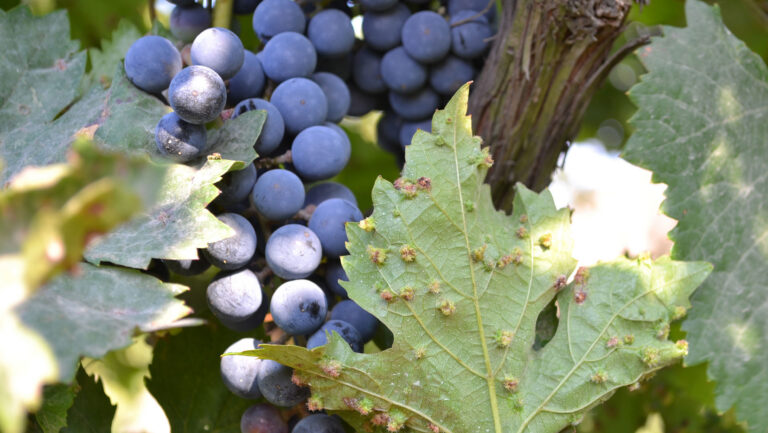
Genetic adaptation, leaf-feeding populations, and global movement are reshaping the modern phylloxera threat
Extreme weather is testing long-standing appellation rules on allowed grape varieties, vineyard locations, and more, intensifying the debate over the future relevance of geographical indications
From the Iberian Peninsula to California, these six wine projects are capturing buyers’ attention with fresh ideas and serious results

Over the next year, wine businesses will be forced to make decisions based on difficult economic conditions, but Americans are still buying wine—and creating opportunities in certain categories

From countries with growing sparkling exports to islands that are just dipping a toe into bubbly production, these wine regions are worth taking a second look at for sparkling wine

As more California wine regions consider the adoption of these controversial marketing funding models, vintners and regulators evaluate the pros and cons of wine improvement districts
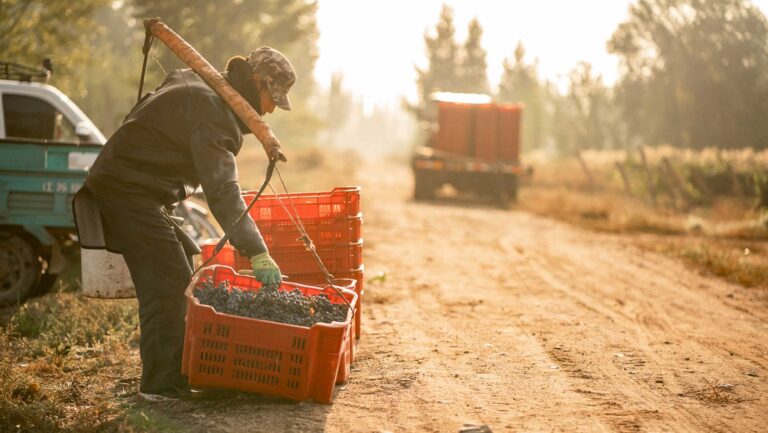
Just a few decades ago, Ningxia was an impoverished rural region in north-central China. Today, it is at the forefront of the country’s quality wine revolution
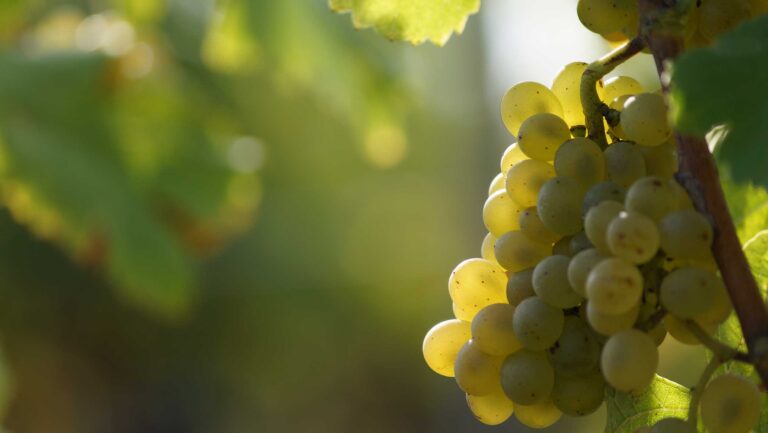
Nearly 400 years ago, Chenin Blanc traveled from France to South Africa, where it thrived in a warmer, drier climate. Now, researchers from the two countries are teaming up to find more resilient clones amidst climate change