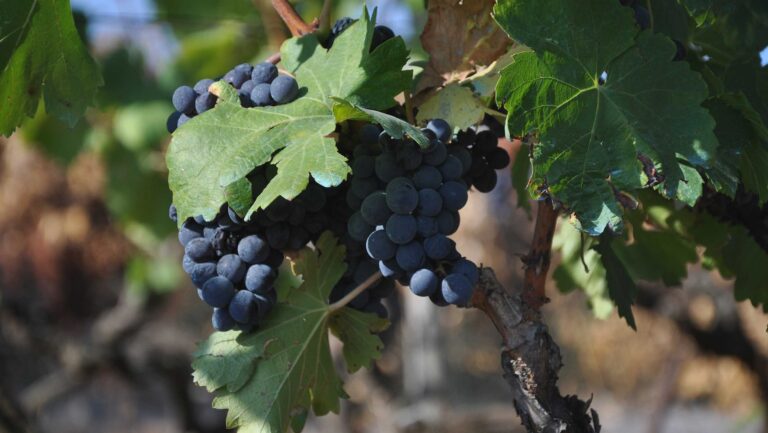
Mourvèdre Was Made for Heat. Rising Temperatures Are Testing It
In a warming climate, even one of the world’s most heat-tolerant grape varieties is reaching its limits
 Dispatch

Don’t miss the latest drinks industry news and insights. Sign up for our award-winning newsletters and get insider intel, resources, and trends delivered to your inbox every week.
Elizabeth Gabay, MW, has been working with the wines of Provence since the mid-1980s and has lived in the region since 2002. She has written several books focused on rosé and southern French wine. Ben Bernheim grew up in the South of France, becoming firmly involved with wine through his university tasting team, after which he worked on vineyards and then as a hotel sommelier. Since 2020, he has specialized in building awareness of premium rosés and has co-authored two books with Gabay. Their latest book, The Wines of Provence, was published in July 2026, along with a new Provence Guide.
In a warming climate, even one of the world’s most heat-tolerant grape varieties is reaching its limits

The fresh, fruit-forward profile of classic Provence rosé calls for reductive winemaking, but some producers are turning to a more oxidative approach to add complexity to their wines

Are winemakers just relying on unripe grapes to make stereotypically light, fresh rosés? Experts weigh in on this controversial issue

As climate change drives up temperatures and grape acidity drops, malolactic fermentations have mostly died out for rosés. But for a few key regions, grapes, and producers, rosés with malo still have a place