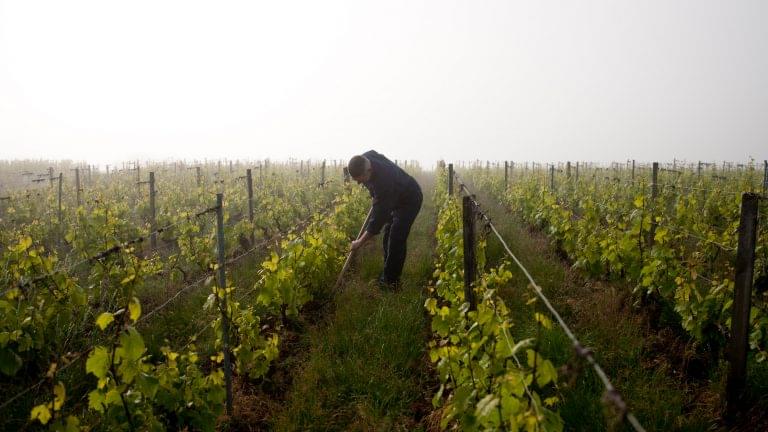
Tracing the Origin Story of Grower Champagne
Author David White defines the key players and developments that shaped the now-popular category
 Dispatch
Don’t miss the latest drinks industry news and insights. Sign up for our award-winning newsletters and get insider intel, resources, and trends delivered to your inbox every week.

The sparkling-wine market is on a seemingly unquenchable climb, and that’s even more apparent during the months of November and December, when sales annually spike. Whether the end-of-year buzz has guests feeling a bit more celebratory, or shoppers are looking for bubbly gifts for friends and family, restaurant and retail buyers alike are stocking up on sparklers.
At the same time, many restaurants, bars, and bottle shops are expanding their sparkling-wine offerings, dedicating more menu and shelf real estate to funky pét-nats, grower Champagnes, and fizz from far-flung regions. But while Prosecco, Cava, and other familiar sparklers have benefited from a boost in popularity, some wines—like Sekt from Austria and Germany—haven’t seen the same growth.
For SevenFifty Daily’s Sparkling Wine Month, we looked across countries, styles, and production techniques to bring you the latest developments in the sparkling wine category. Here’s all the intel you need to build a selection that leaves guests thirsting for more. Cheers!
Author David White defines the key players and developments that shaped the now-popular category
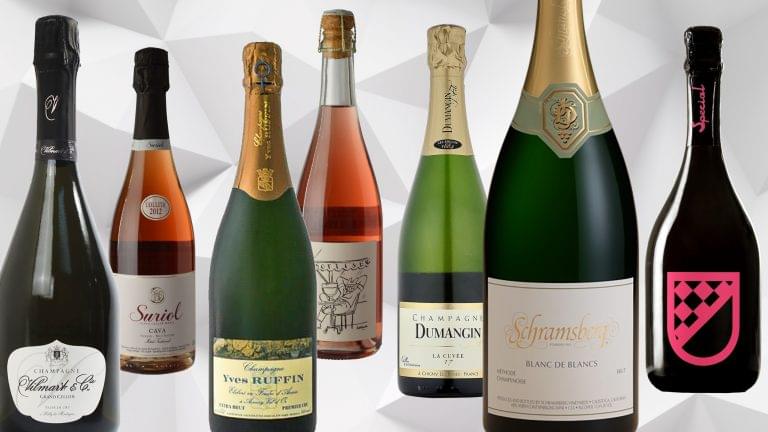
Buyers discuss the sparkling wines that they expect to fly off their lists and shelves this holiday season

From menu organization to pricing, here’s how to set your bubbly selection apart

Rosé Champagne, pét-nat, Lambrusco, and more recommendations from sommeliers and retailers across the country—just in time for rosé season

From countries with growing sparkling exports to islands that are just dipping a toe into bubbly production, these wine regions are worth taking a second look at for sparkling wine
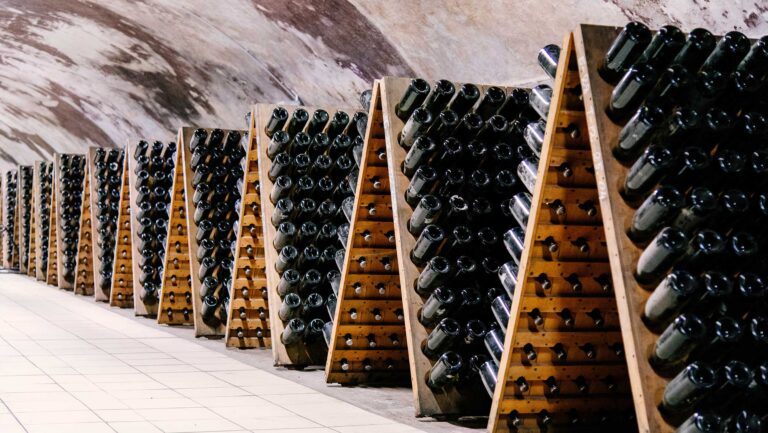
Whether for marketing, capital, or to craft a specific style, purchasing back-stock Champagne still aging on the lees—a little talked about practice—has been game-changing for these winemakers

These budget-friendly bottles of bubbly offer excellent quality for the price, from U.S. pét-nat to German Sekt—and yes, even Champagne

Sparkling wine sales are robust across all major regions, but experts are on standby for a potential slowdown in the near future
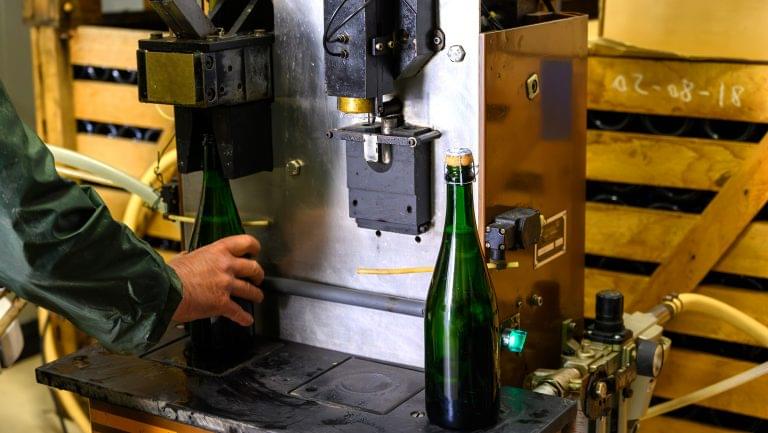
A sparkling wine’s dosage or liqueur d’expedition is often communicated as a number—grams per liter of sugar—yet it’s not about sweetness. Here’s why
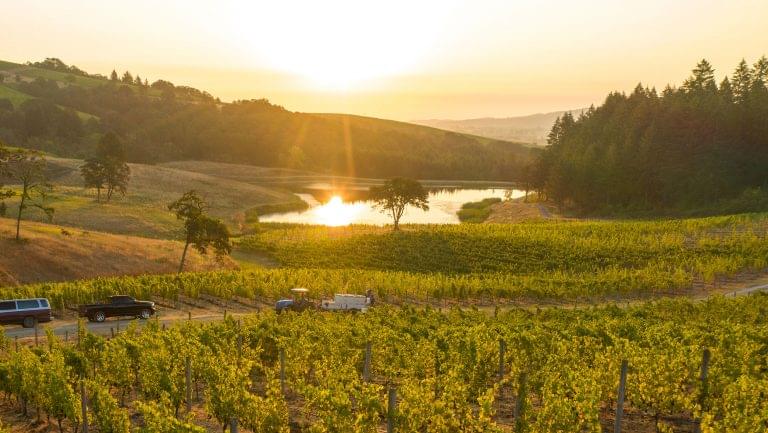
Armed with the right climate and grape varieties—and now, the resources—Oregon winemakers set their sights on traditional-method sparkling wines

A recent influx of new releases from Champagne houses has been spurred by a changing climate, a move towards terroir specificities, and increasing demand for this sparkling wine
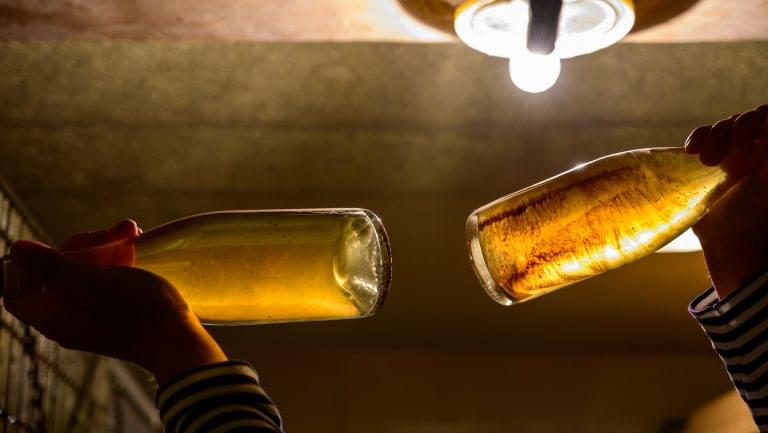
Lees aging not only yields attractive aromas and textures for still and sparkling wines alike—it also prevents oxidation and structural instability. Here’s how
In Italy, Brazil, and beyond, winemakers are leaving Charmat-method bubbly on the lees for longer periods of time in the effort to make more complex and robust wines