This advertising content was produced in collaboration with our sponsors, the New York Wine & Grape Foundation.
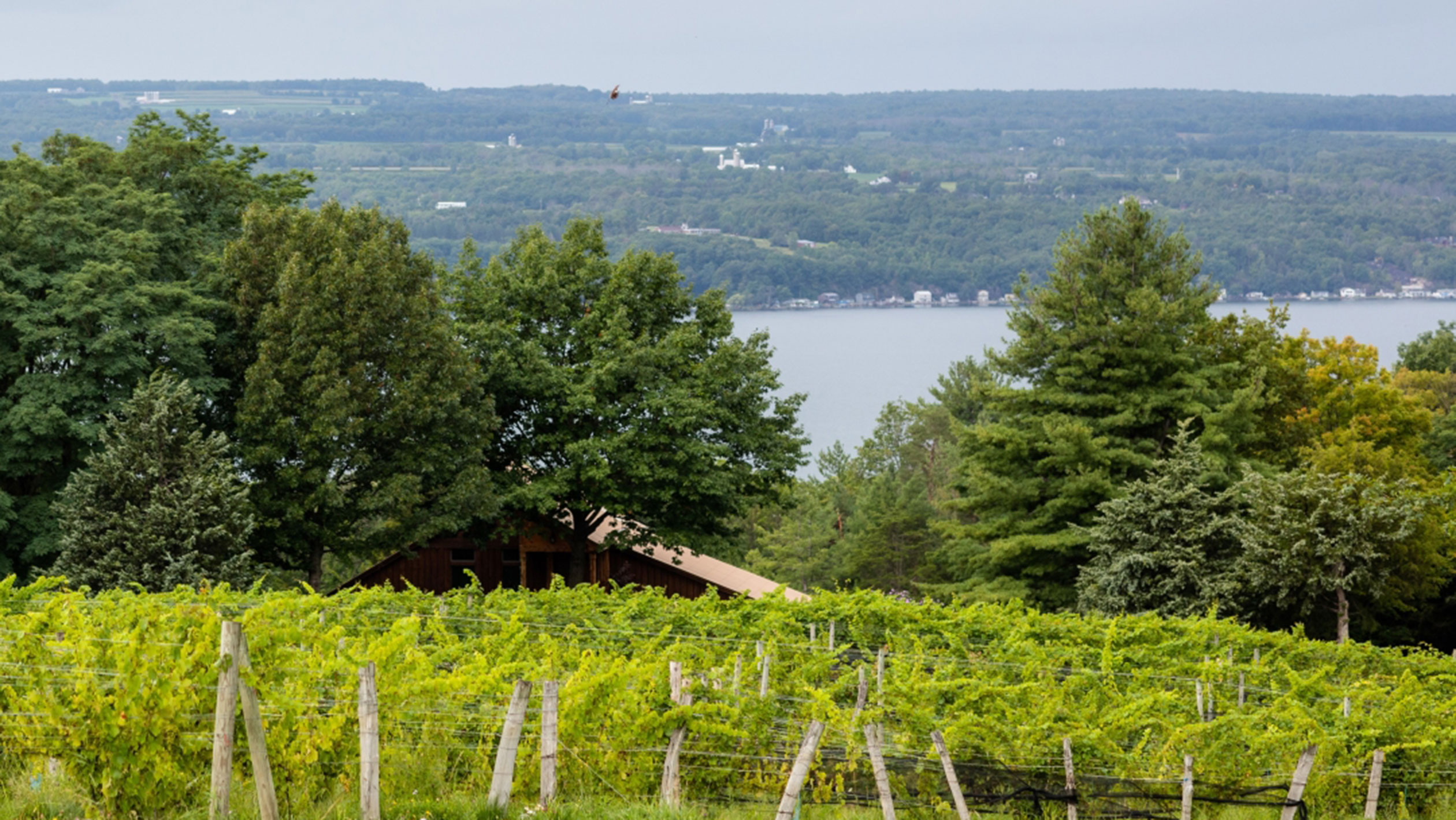
As the wine world becomes increasingly conscious of its environmental impact, the New York Wine & Grape Foundation (NYWGF) is doing its part to expand the state’s legacy of innovation and sustainability. Through its comprehensive New York Sustainable Winegrowing program, which certifies that grapes are grown sustainably, the organization is empowering grape growers to adopt eco-friendly practices that protect the land, support local communities, and produce exceptional wines.
Launched in 2023, the certification program continues the organization’s longstanding dedication to elevating New York vineyards and wines. It is only the second concerted sustainability effort developed on the East Coast, following the Long Island Sustainable Winegrowing program established in 2012, which is tailored to the specific conditions of Long Island vineyards.
The NYWGF program provides a clear framework for addressing environmental, social, and economic factors that impact the entire state’s grape industry. It also provides resources that help vineyards meet sustainability goals. However, unlike broader sustainability certifications, the criteria for the NYWGF program are meticulously crafted to address the unique environmental and agricultural conditions within the state, ensuring that standards are effective and efficient for local grape growers.

Don’t miss the latest drinks industry news and insights. Sign up for our award-winning newsletters and get insider intel, resources, and trends delivered to your inbox every week.
An All-Encompassing Program
“The New York Sustainable Winegrowing program sets a high bar for sustainability, and to meet these standards, we undergo rigorous assessments that evaluate everything,” says Rich Olsen-Harbich, the winemaker at Bedell Cellars in Long Island, which won the NYWGF Sustainability Award in 2024. “It’s a detailed process that involves tracking and documenting every step, often requiring new approaches and more transparency in our daily operations. The work is definitely intensive, but it’s an investment that pays off in so many ways.”
Certification standards are guided by the VineBalance workbook, a tool designed to help grape growers in New York and the northeast follow practices that best minimize their environmental impact, and keep workers safe. The workbook includes more than 100 action items covering a wide range of practices, from vineyard management and soil health to water protection, energy conservation, ecosystem health, and social equity. It is reviewed and updated annually to keep up with sustainability advancements, and to ensure New York vineyards’ ongoing health and vitality.
“There will always be additional improvements that can be made, new solutions to be tested, and tradeoffs to be considered,” says Suzanne Hunt, the co-owner of Hunt Country Vineyards in the Finger Lakes. “Going through the certification process helps us reevaluate our myriad practices and identify areas where enhancements can be made.” Hunt’s winery was among the inaugural cohort of vineyards to receive the New York Sustainable Winegrowing certification.
Through this voluntary third-party certification program, standards are developed collaboratively. NYWGF worked with academics, extension specialists, and grape growers across the state to create a practical guide customized to the New York wine industry’s specific needs.
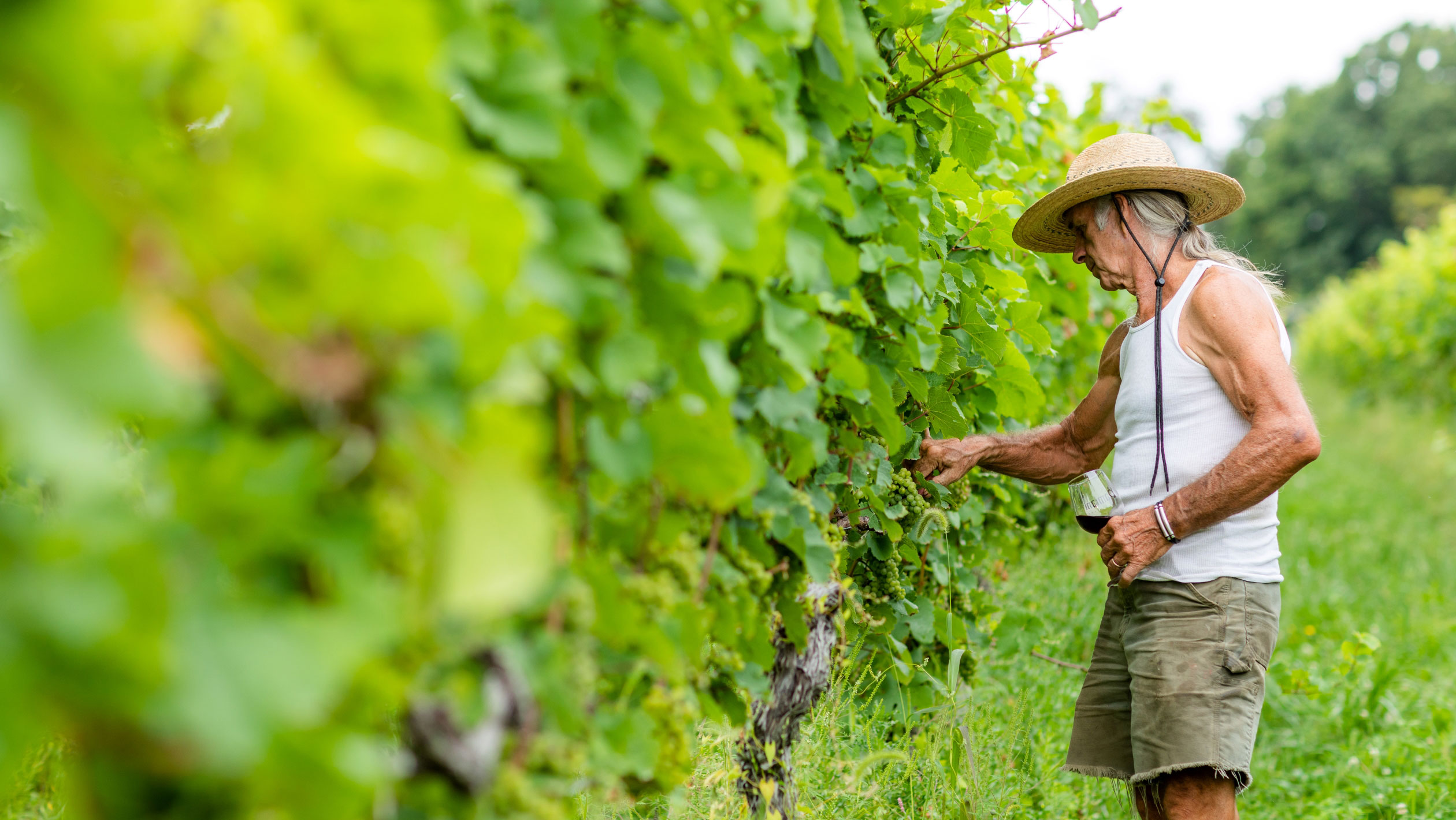
“Getting involved in the certification also links you into a community of industry peers who are facing many of the same challenges, who share their experience and knowledge,” says Hunt.
Nearly 50 New York vineyards received the New York Sustainable Winegrowing certification in the program’s successful first round, including those located in Finger Lakes, Hudson Valley, Long Island, Champlain Valley, and Niagara.
“As the industry goes into this new era of intense market pressures and increasingly extreme and erratic weather, we hope that a focus on sustainable practices can help the industry adapt, compete, and succeed,” says Hunt. “For the greater New York wine industry, focusing on sustainability helps elevate our overall quality, reputation, and customer loyalty.”
Look for the Sustainability Trustmark
Yet another benefit of NYWGF’s certification is the sustainable winegrowing trustmark, an emblem that can be displayed at certified vineyards, and on bottles of New York wines made from at least 85 percent certified-sustainable grapes. The recognizable trustmark is a sign of integrity and a winery’s dedication to making exceptional and responsibly made wines. It allows customers to easily spot and support wineries that prioritize sustainability. For environmentally conscious consumers, the trustmark simplifies choosing wines that match their values.
“[The trustmark] signifies that we’ve met rigorous standards,” says Olsen-Harbich. “Every step of the grape-growing process is designed with care and respect for the land, the people, and the community. It reflects our ongoing effort to minimize our environmental impact, whether through reducing water usage, conserving energy, or utilizing organic and sustainable farming practices that preserve soil health and biodiversity.”

When drinkers see the sustainability trustmark on a bottle of New York wine, they can trust that the grapes were grown with a deep commitment to environmental stewardship, social responsibility, and economic viability. It’s a guarantee that they’re choosing a wine of quality that not only tastes delicious, but supports the long-term health of the land and the local economy.
“When consumers see the trustmark, they will know that the producer put in a lot of time and effort to get certified, and that the producer is putting extra care into how they manage their operation,” says Hunt. “I hope this means that they’ll get greater enjoyment out of the wine.”
The trustmark first appeared on bottles in 2024. Each year, new vintages will be released with the sustainability trustmark, and as more vineyards across the state receive certification, new bottles will appear on shelves bearing the symbol, too.
Consumers interested in exploring New York’s certified-sustainable vineyards and the wines produced from certified grapes can search for the sustainability trustmark on bottles at local wine retailers, or use the interactive map on newyorkwines.org, a tool that offers extensive information on responsible producers.
As consumers, particularly millennials and Gen Z, become more discerning with their purchase power and look to spend on products that align with their environmental and social concerns, credible certifications and transparent information about wineries’ sustainability practices are paramount. The New York Sustainable Winegrowing certification is paving the way for New York wineries and vineyards to meet consumer demands, while providing a prosperous and sustainable future for future generations.

Dispatch
Sign up for our award-winning newsletter
Don’t miss the latest drinks industry news and insights—delivered to your inbox every week.