
This advertising content was produced in collaboration with our partner, Wines of Germany.
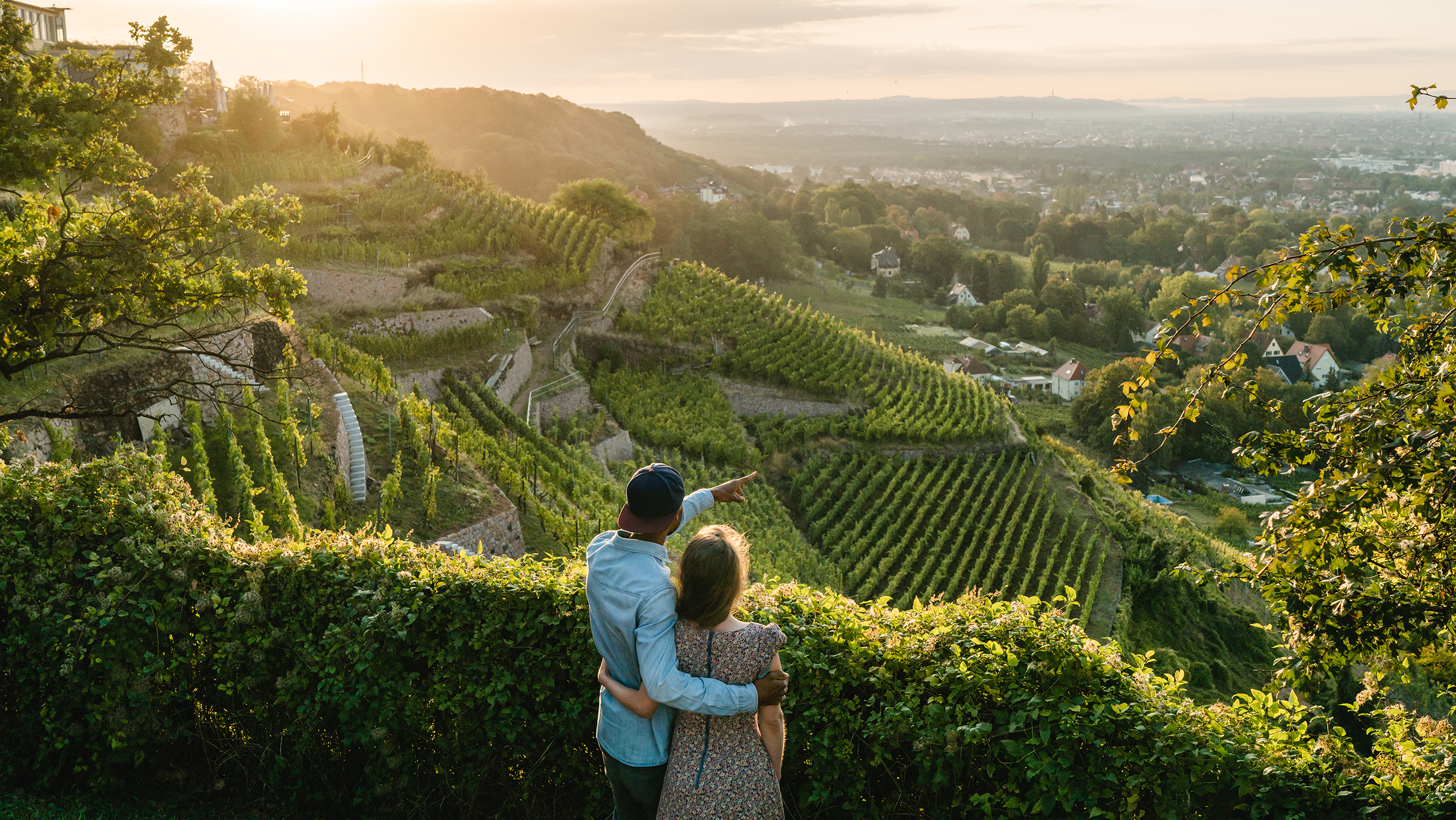
If someone set out to create a wine category for the modern palate, it would look, taste, and smell a lot like German wines: fresh, naturally lower in alcohol, food-friendly, and an emphasis on sustainability. The irony is that German wine hasn’t changed to meet the moment–the market has simply caught up to it.
This sounds like a win-win for German wine producers and the many wine enthusiasts seeking these in-demand attributes. For decades, however, there has been a meaningful gap between the reality of German wine and consumer perception. Despite the breadth and quality of what Germany produces, outdated assumptions, particularly around sweetness, continue to create friction.
But a new wave of advocates—from young German winemakers to in-the-know writers, retailers, and sommeliers—is actively reshaping how German wine is viewed, discussed, and sold. But there’s still work to be done.
Don’t miss the latest drinks industry news and insights. Sign up for our award-winning newsletters and get insider intel, resources, and trends delivered to your inbox every week.
“Messaging around German wine in this country is far too often foregrounded by outdated tropes,” says Valerie Kathawala, the cofounder and editor of TRINK magazine and the author of the German Wine Scholar education course. “The reality is that for at least the last 30 years, German wine producers have been delivering the most breathtaking range of world-class wines.”
The knowledge and perception gap in the U.S. is closing, Kathawala notes, albeit slowly. And due to a combination of timely factors, ranging from grower know-how to shifting market tastes, German wine is poised to come into its own.
Reframing German Wine for the Modern Drinker
Advancing the message of German wine has become a coordinated effort across the trade. Importers, distributors, buyers, and writers are increasingly aligned in how they talk about German wine.
“I see a fascinating mix of passionate industry players and nontraditional voices boldly crossing lanes to get their messaging across,” says Kathawala, pointing to Jenna Fields of The German Wine Collection, and Katja Scharnagle at Skurnik Wines & Spirits; restaurateurs like Jin Ahn at Noreetuh; Paul Greico at the wine bar Terroir; educators and events planners like Robert Dentice of Rieslingstudy and Patrick Rauber of Silvaner Summit. These industry leaders are successfully changing how U.S. consumers understand German wine.
“What they all have in common is a refusal to leave German wine in the musty box in the corner, where too many people have allowed it to languish,” says Kathawala. “German wine is detailed and complex, but more than that it is tremendous fun. They get that and are constantly, generously, and gently insisting on sharing this message with others.”
This kind of passionate advocacy is already translating into greater engagement, particularly among younger consumers who are more open to exploration and less tied to legacy perceptions.
Jesse Becker, an ambassador for the German producer association Verband Deutscher Prädikatsweingüter (VDP), who is frequently in the field and interacting with consumers, says he is already seeing the “knowledge and perception gap” closing among young people.
Loris Jones-Randolph, also known as Loris the Somm, is a digital-first communicator and a certified sommelier at the Waldorf Astoria Beverly Hills. She’s excited and inspired by the impact a small cohort of professionals are having on the perception of German wine. “I see a high level of curiosity and enthusiasm for German wines from younger age groups,” says Jones-Randolph, attributing the transformation in part to a shift in the way winemakers market their wine in the U.S.
“Almost all German producers, VDP or not, now organize their production by origin,” adds Jones-Randolph. “The ‘ah ha’ moment for consumers comes when they understand that it’s not just Burgundy that has estate wines as the entry point, village wines in the middle, and single vineyards at the top.”

How the Next Generation of Vintners Is Changing the Game
This shift in perception is reinforced by a new generation of German winemakers who are expanding both the stylistic and commercial range of the category. Their work is not only elevating quality, but also creating new entry points for U.S. buyers across familiar and emerging segments.
“No other region has as many exciting, up-and-coming winemakers as Germany,” says Robert Dentice, a German wine expert, collector, and the founder of Rieslingstudy. “Felix Keller and what he is doing with Chardonnay is a shining example of why Germany’s next generation is so exciting.”
Dentice also points to Max Kilburg, Lukas Hammelman, Tobias Knewitz, Moritz Kissinger, and Johannes Aufricht as vintners who are arriving in the U.S. to tell their stories and pour their wines with “packed schedules” and eager audiences already on the ground.
Jonathan Eichholz, MS, a wine educator for Guildsomm, agrees that the baseline understanding of German wine has risen precipitously, thanks to these exciting new producers.
“The next generation of German wine is electric,” says Eichholz. “They understand wine from a globe perspective, and are excited to tell Germany’s story. To me, the defining elements of young winemakers are a sense of place, a focus on amazing farming, and making wines that are uniquely German.”
Leveraging the Versatility of German Wines
While Riesling remains Germany’s calling card, the broader opportunity for the trade lies in the category’s diversity and its ability to meet consumers across multiple entry points.
Eichholz sees a growing appreciation for German Pinot Noir and lesser-known, tension-driven whites, like Silvaner and Weissburgunder. The idea that German wine is synonymous only with Riesling is fading.
No one wants to remove the Riesling “ace card from German wine’s hand,” as Kathawala puts it, but many people see an opportunity to engage younger drinkers with the many other grape varieties thriving across the country.
“Seventy-five percent of what’s grown in Germany are these other varieties,” says Kathawala. “Among the most exciting are Chardonnay, Pinot Blanc, Silvaner, Scheurebe, and among reds, Pinot Noir is the clear standout. I always put in a plug for Trollinger—a light, fresh, red that has joyful drinkability in its DNA—and Lemberger, which is still seriously under-appreciated outside the few regions where it’s grown.”
Others see an enormous opportunity for traditional-method German sparkling wines to shine. “I love to introduce guests to VDP Sekt Prestige,” says Jones-Randolph. “If you love vintage Champagne, this category is your best friend. It’s the perfect answer to the rising cost of Champagne without losing quality.”
Dentice is also bullish on German wine’s ability to hook both new and experienced drinkers through a range of styles. “I think the diversity is the big surprise,” he says. “I am really excited for German Chardonnay, and Pinot has improved dramatically. The stories of the steep vineyards, difficulty of farming, and extreme quality of the wines really pull people in.”
For buyers and sommeliers, this versatility offers a clear framework: Riesling as a point of entry and credibility, Pinot Noir as a bridge for familiarity, Sekt as a compelling alternative in the sparkling category, and a deep bench of whites that reward exploration.
How To Sell These Iconic Wines
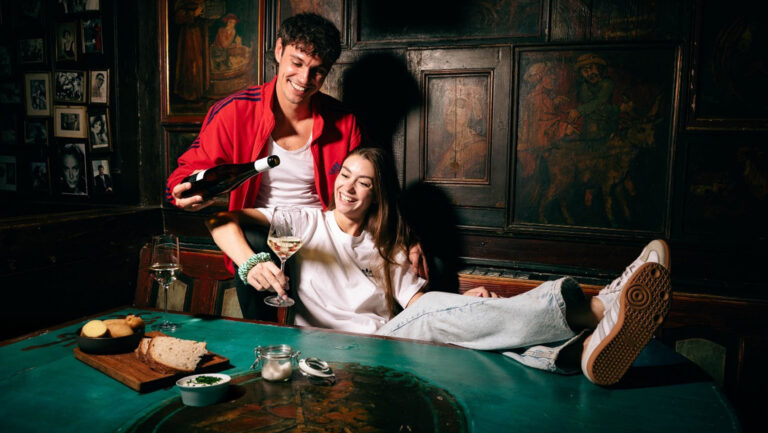
If the wines themselves are not the barrier, the challenge becomes how they are presented and sold. For the trade, success with German wine often comes down to reducing friction at the moment of decision.
“If you want to make it easier for people, call a Grauburgunder a Pinot Grigio on your list,” says Jones-Randolph. “Educate your staff and encourage them to give people a taste. Once they see it’s not sweet, I promise they’ll run to it, and it will easily become your workhorse.”
Eichholz also suggests “leading with the grape” on the list and making the place it’s from secondary.
When the opportunity to go deeper arises though, the category rewards it. “We need more passion,” Dentice says. “Passion is what drove the natural wine movement and there is a lot to learn there. Please don’t start a conversation about German wine saying it is a great value. These are some of the greatest wines in the world.”
The throughline is clear: highlight what makes German wines distinctive, reduce unnecessary barriers to trial, and create opportunities to taste. Once in the glass, the wines tend to speak for themselves.
For the U.S. trade, the question is no longer whether German wine fits the modern market; it’s how quickly the category can be repositioned to reflect that reality. Structurally aligned with evolving drinking preferences yet still underrecognized, German wine represents a tremendous opportunity when visibility, clarity, and cultural relevance is realized at the consumer level.


Dispatch
Sign up for our award-winning newsletter
Don’t miss the latest drinks industry news and insights—delivered to your inbox every week.