In our Importer Intel series, we interview importers about how they broke into the business, built up their portfolios, and navigated challenges along the way.
There are hundreds of beverage importers in the U.S., with more popping up in recent years, often with a regional or stylistic niche. But what does it take to launch a new import business, cultivate a national network of distributor partners, and stay the course for two decades?
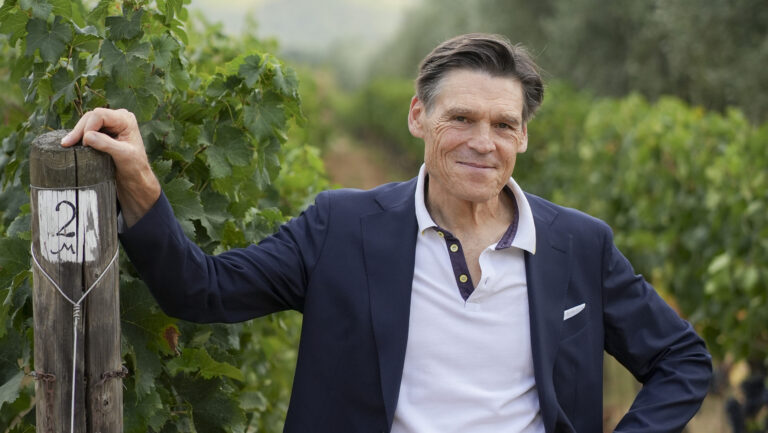
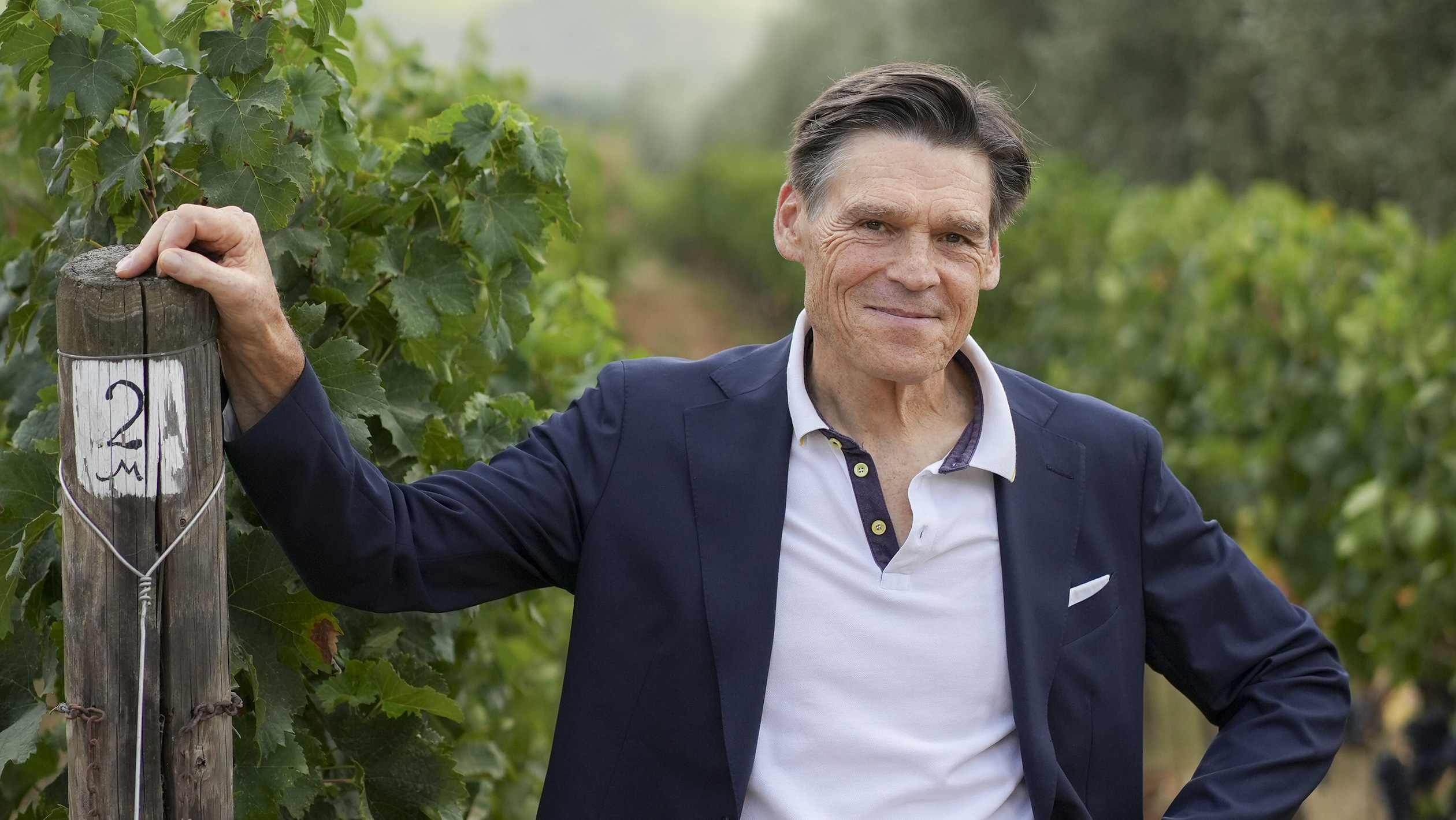
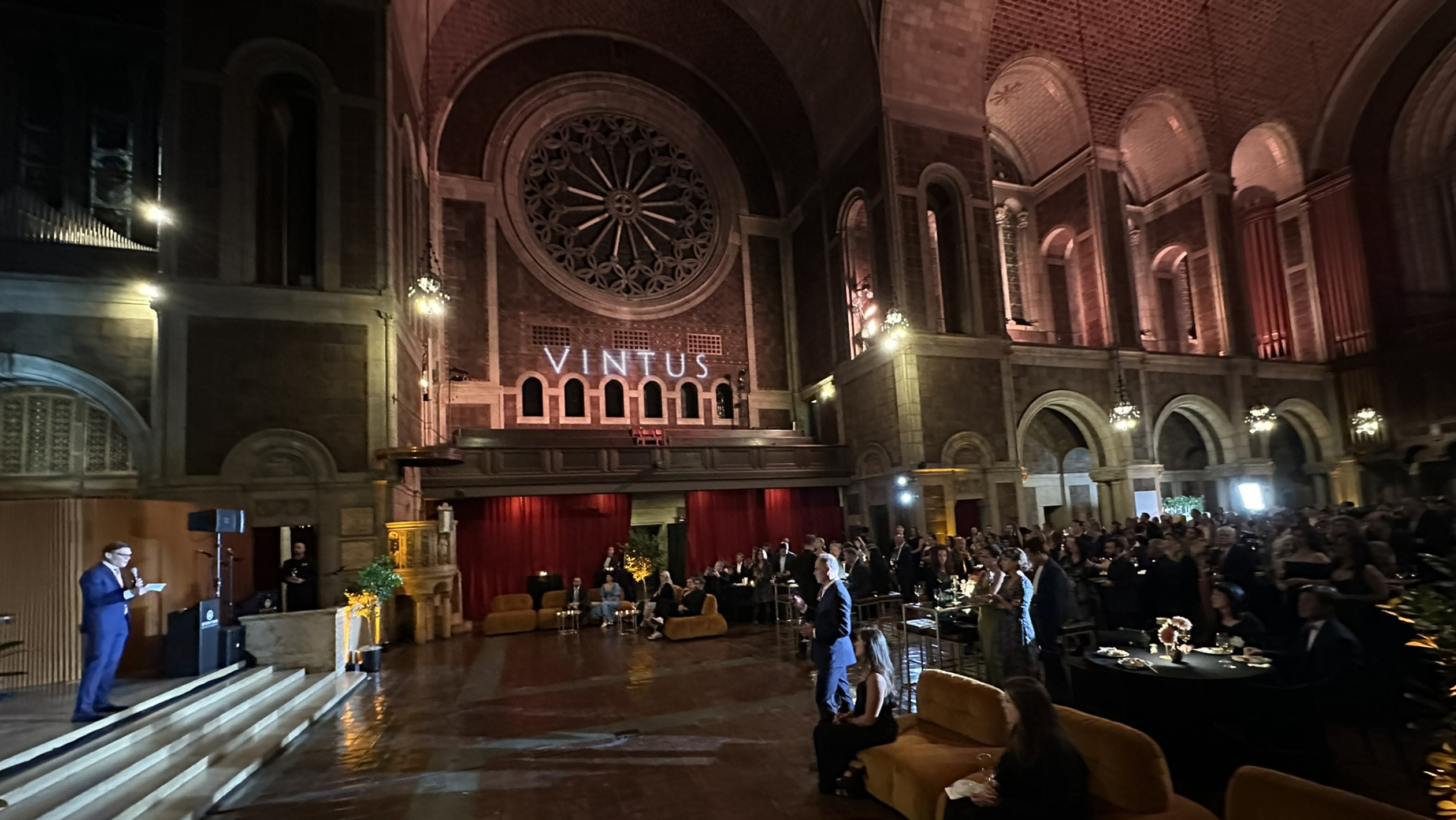
That’s been the challenge for Michael Quinttus, the CEO and founder of Vintus, which is based in New York City. Last year marked the company’s 20th anniversary, and Vintus now represents between 55 and 60 individual wineries and brands from around 30 suppliers and works with distributor partners in all 50 states.
Don’t miss the latest drinks industry news and insights. Sign up for our award-winning newsletters and get insider intel, resources, and trends delivered to your inbox every week.
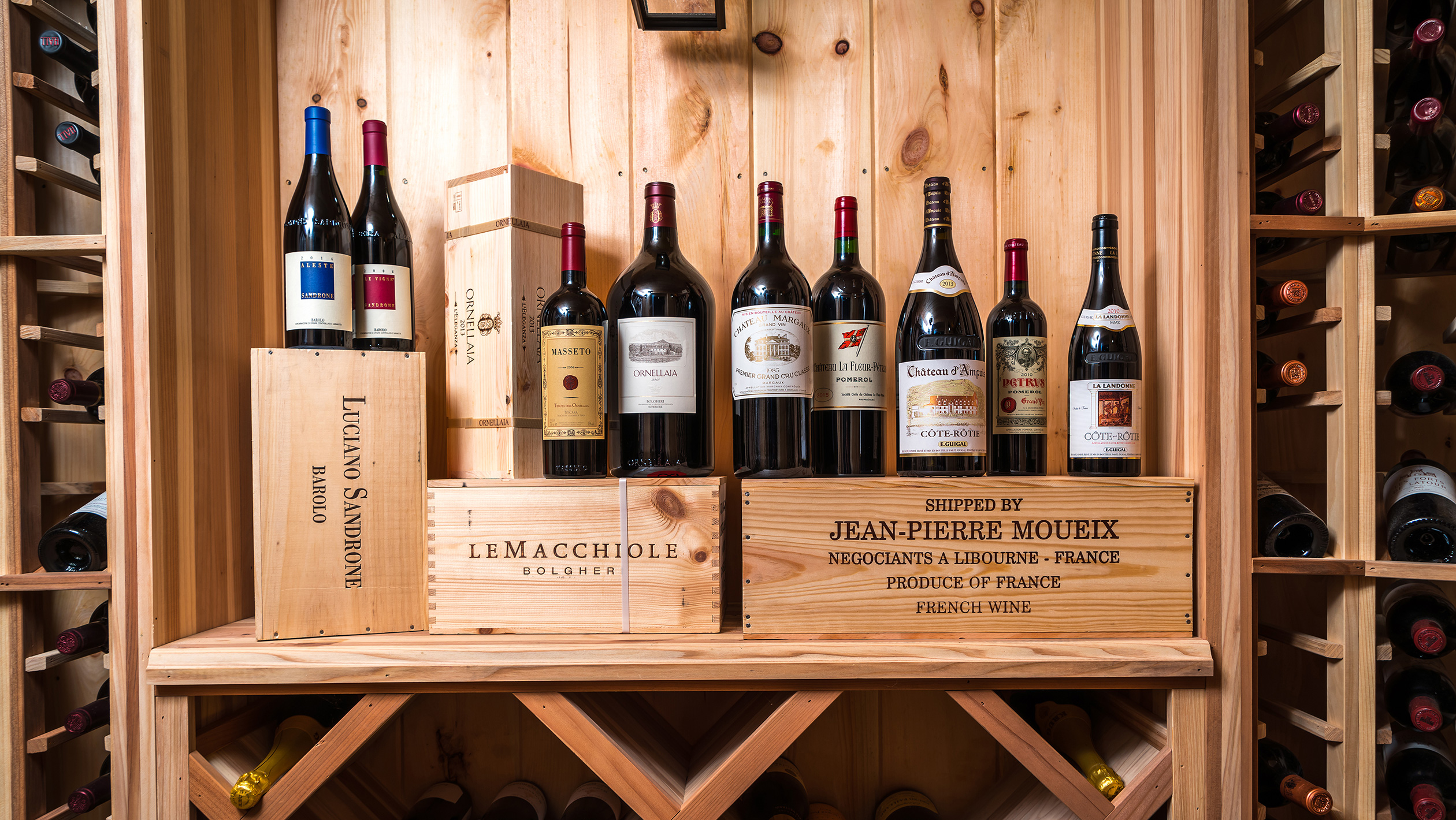
But back in 2004, Vintus was just a leap of faith. “I really wanted to throw caution to the wind, take the risk, and start my own business,” says Quinttus. The portfolio has always focused on family-owned producers centered around an estate, and now includes icons like Château Margaux, Champagne Bollinger, Chateau Montelena, and E. Guigal. Just this year, Vintus became the U.S. importer for Frescobaldi Toscana and Marqués de Riscal.
Quinttus worked as a lawyer in both New York and Washington, D.C. before realizing that law wasn’t the right field for him. German wine had been part of his upbringing—Quinttus’s mother was from the Mosel and his father was from the Pfalz—and Quinttus was inspired to learn more about the greater wine world. As he studied and traveled, he realized that the wine industry felt right to him. He joined Kobrand Wine and Spirits in 1985, working his way up from sales rep to senior vice president of the wine division over 18 years.
The retail, supplier, and distributor relationships he built during his tenure at Kobrand were crucial when Quinttus decided to start his own import business. “I think fundamentally, people trusted that I was going to create something interesting,” he says.
In January, Quinttus sat down with SevenFifty Daily to discuss the evolution of Vintus, how the industry has changed over the company’s lifespan, and where he sees the business going over its next 20 years.
SevenFifty Daily: What were your biggest challenges to overcome in the early days of building the company?
Michael Quinttus: I started the company from scratch, so I needed to find producers that trusted me and were willing to offer their brands. At the same time, I needed to secure distributors that were willing to represent the portfolio, and I also needed to develop relationships with retail accounts.
Starting a business, you don’t get handed things—you have to fight your way. One of the areas of wine that I started off representing right away was Bordeaux. It was just me and one employee at the time, and we got involved in the 2003 en primeur campaign. After 18 years in the business, I knew retailers in New York, so I thought, okay, I’m just going to offer some wines. People know me, they’re going to give me orders, I’ll be off and running. I remember approaching Sherry Lehmann with some La Fleur-Pétrus from Christian Moueix and saying, “Would you like to make a commitment?” And I got kind of a cold shower because the response was: “Well, we’re not sure that you’re going to be in business in a couple of years.” So, that was a bit of a shock.
What did your portfolio look like when you launched?
There were a number of things that came together fairly quickly. The Bordeaux portfolio I think opened eyes because I had partnerships at the time with Cos d’Estournel, Château Margaux, and Christian Moueix, which are some important names in the wine world. I remember the first wire payment that I made was to a producer that’s still in our portfolio: our Burgundy producer, Lucian Le Moine. We also had a producer from Adelaide Hills called Shaw + Smith, and a group of Italian brands, some of which are still with me, like Sandrone.
How did you land your first producer?
When I was still working at Kobrand, in the summer of 2003, I took a cycling trip in the Alps with a close friend, Mike Benziger from Benziger Family Winery. Afterwards, he went to Burgundy, and I went to visit Guigal for the first time. He called me up and invited me to dinner at Mounir and Rotem Saouma’s home. They are the owners of Lucien Le Moine, and I think they were in their third vintage at the time. I thought their wines were incredible—I was just floored by the quality.
Mounir was having trouble gaining distribution in the U.S., and he knew that I was managing another Burgundy producer, Louis Jadot, at Kobrand, so we stayed in touch. In early 2004, I told Mounir I was thinking of launching my own business, and I said, “I’d love for you to be part of my company.” He said, “I’m on board.” So that was fortuitous—that is a brand that I never had in mind before, and it ended up being a key Burgundy producer that we’ve been representing for 20 years.
How did you build out your distribution network early on?
After six months in business, I hired my first two salespeople, and they were able to accelerate the process of interviewing distributors and establishing distributor contacts across the country. That was the single most important thing at the beginning because if you’re going to be an importer, you have to have people to sell your wines in the different markets.
We were quite careful to do it the right way, not to rush into it. I remember how much time we spent identifying the potential distributor partners in each state, then interviewing the people at each one about whether they would be a good fit to distribute our brands.
Did you have any mentors in your wine career?
Peter Sichel has been a wonderful mentor to me since even before I started at Kobrand in 1985. He used to own Blue Nun and has a fascinating story of escaping with his family from Nazi Germany during World War II, working for the U.S. military in intelligence, and eventually reintroducing his family’s wine brand and building it to over a million cases in the U.S. I did some legal work for him and let him know that I was interested in entering the wine business, so he wrote a letter of introduction for me to Kobrand’s chairman of the board. He’s 102 years old now, and he has been a critical force and guiding light for me for more than 40 years. [Editor’s note: After this conversation, on February 24, 2025, Peter Sichel died at the age of 102.]
How has the industry changed since you founded Vintus in 2004?
Consolidation at the distributor tier has been very notable. There used to be thousands of distributors across the United States, and even just 30 years ago, there really weren’t multistate distributors. Now you have several large companies that have established distribution in multiple states so that if they partner with a particular supplier, they can provide distribution services in multiple markets. That consolidation has resulted in a lot of smaller distributors either being bought up or forced out, so you have to take that into consideration in how you approach the market.
There’s also been dramatic consolidation on the retail side with the wider presence of retail chains. The buying decisions are increasingly in the hands of consolidated groups where single buyers have purchasing decisions that impact multiple states—that’s a very big difference.
What are your goals for Vintus in this next chapter of the company?
Our immediate focus relates to successful launches of our new brands, Frescobaldi and Marqués de Riscal, as well as continuing to build our portfolio’s existing brands. It becomes more challenging in today’s market because table wine consumption is declining, but there remain opportunities at the quality level with companies that are well structured, well organized, focused, and have talented teams, which I think is our situation.
If I think 20 years ahead, I want to remain independent and family owned; I have a son in the business now who’s responsible for sales. I envision that we will continue to build our wine portfolio, and I expect that we will enter more forcefully into the spirits segment. Today we own our own distributor in New York, Vintus New York, and I think it’s likely over a 20-year period that there would be other markets where we feel that it would be appropriate for us to open our own distribution. It’s not an aggressive plan, but it’s more so that we could be prepared to respond to the needs in a particular market.
This interview has been edited and condensed.

Dispatch
Sign up for our award-winning newsletter
Don’t miss the latest drinks industry news and insights—delivered to your inbox every week.
Courtney Schiessl Magrini is the editor-in-chief for SevenFifty Daily and the Beverage Media Group publications. She has held sommelier positions at some of New York’s top restaurants, including Marta, Dirty French, and Terroir, and her work has appeared in Wine Enthusiast, GuildSomm, Forbes.com, VinePair, EatingWell Magazine, and more. She holds the WSET Diploma in Wines. Follow her on Instagram at @takeittocourt.