There are currently 27 pending regions in the U.S. that meet the Tobacco and Trade Bureau’s requirements to be classified as an American Viticultural Area (AVA). While it’s not certain that all of them will become officially designated winegrowing regions, many are expected to.
Last fall, for example, the Beverly, Washington AVA became the state’s 21st AVA. On the horizon are several more anticipated AVAs, including those in California’s Lake County and Sonoma Coast, as well as extreme West Texas.
SevenFifty Daily spoke with wine professionals affiliated with several new and potential AVAs, including those who wrote petitions for the new regions. Here, they offer important insights about the unique features of each area, from the terroir to the most promising grape varieties and wine styles.

Don’t miss the latest drinks industry news and insights. Sign up for our award-winning newsletters and get insider intel, resources, and trends delivered to your inbox every week.
Dell Valley AVA, Texas
This proposed AVA in extreme West Texas, in the shadow of the state’s highest peak, has the distinction of being home to some of the state’s oldest vines. The arid climate of the Chihuahuan Desert—the site of an ancient coral reef—is mitigated by a series of underground rivers that lend wines a deep mineral character. Combine that with a 3,750-foot elevation and alluvial lime soils, and no other Texas AVA has this exact combination of terroir, according to Chris Brundrett, the cofounder, owner, and winegrower of William Chris Vineyards.
“Just one single, 180-acre vineyard, 17 different varieties of grapes, and a small but carefully experienced growing team make this one of the most exciting microregions,” says Brundrett. Sauvignon Blanc and Sémillon, two standout grapes in the region, are textured, tropical, and spicy, while Chenin Blanc is saline and lean, and reds, including Cabernet Franc and Cabernet Sauvignon, are ripe and juicy with a sturdy structure.
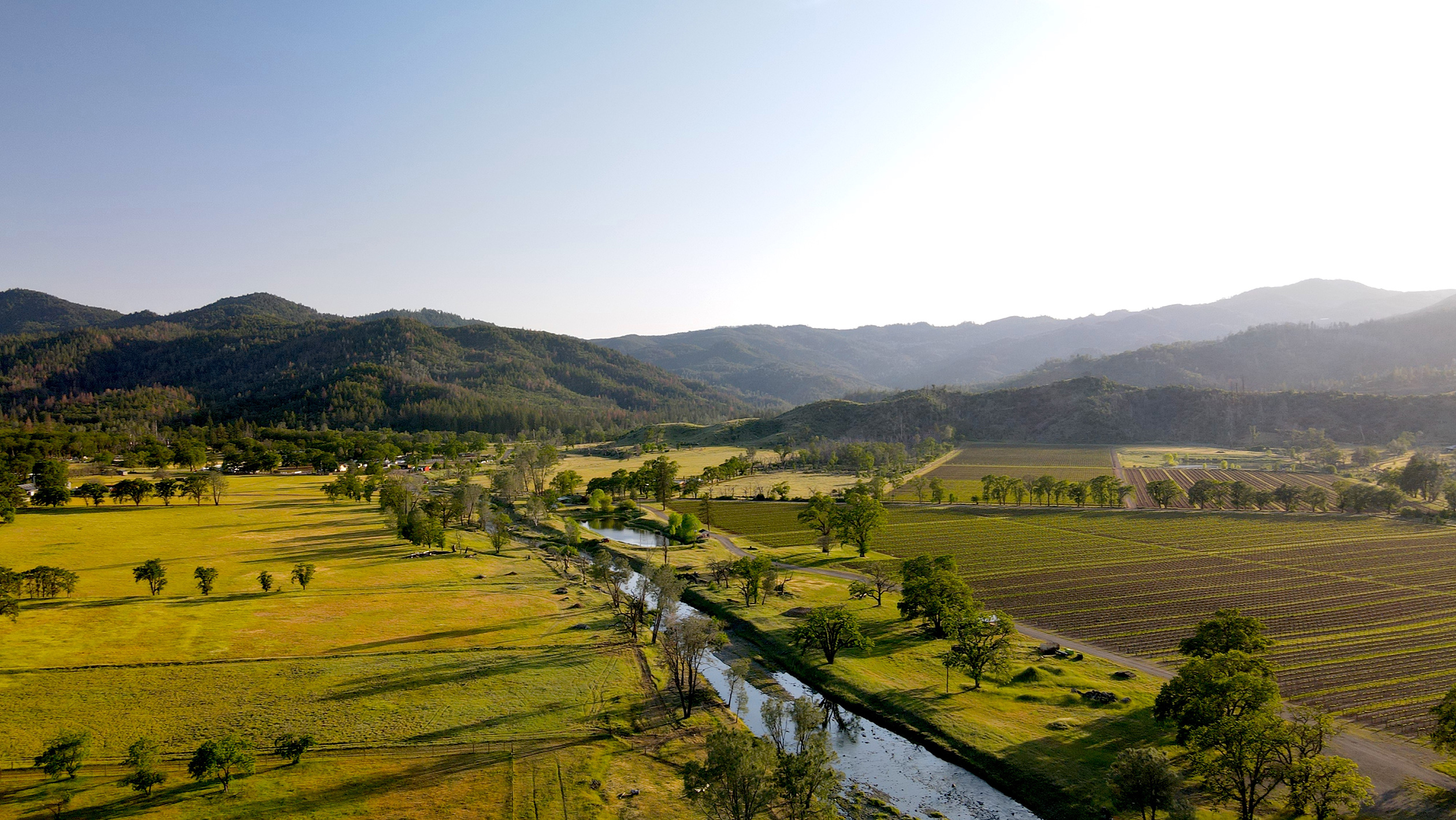
Mount St. Helena-Lake County AVA, California
North of Mount St. Helena in Lake County, California, this proposed 4,000-acre AVA is protected from oceanic influences by the eponymous mountain and Cobb Mountain. Grapes are cooled during the day by southwesterly winds from the Mayacamas Mountains, while diurnal temperature swings widely due to the 1,100 to 1,400 feet of elevation, which helps retain acidity. At 40 inches, the region receives the most annual precipitation of Lake County, mostly in winter, which offsets scarce summer rain and a lack of productive wells. Soils blend quaternary alluvions from the Putah Creek with mineral-rich volcanic ash and serpentinite, which controls vigor.
“It’s an ideal environment for Petite Sirah to develop concentrated flavors, robust tannins, and deep color,” says Andre Gueziac, the vintner for Domaine Helena, who acquired a ranch in the area in 2021 and filed the petition for the AVA. “Cabernet Sauvignon and Cabernet Franc are also well adapted and develop small, thick-skinned berries from the near-dry farming.”
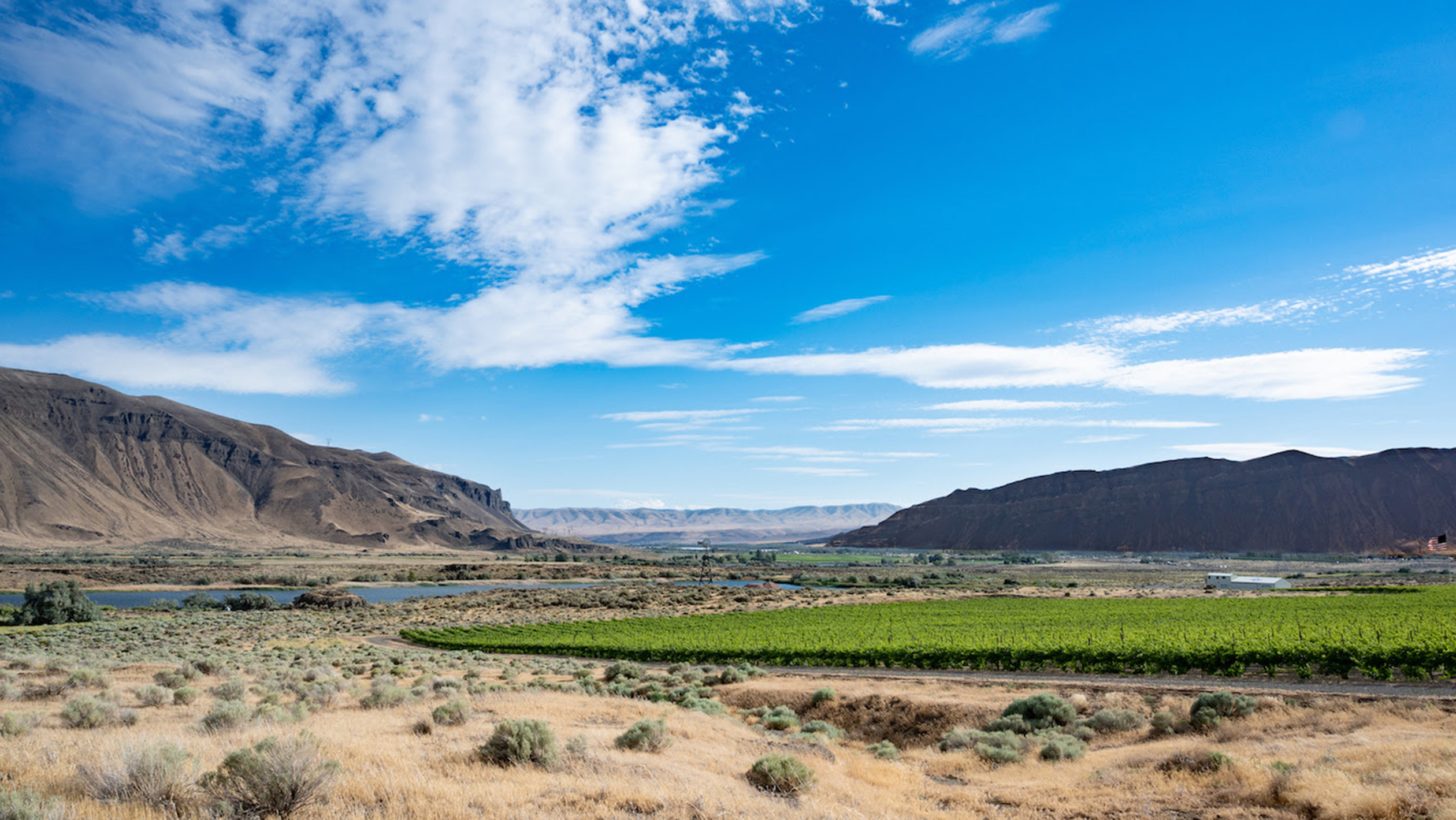
Beverly, Washington AVA, Washington
At just 2,415 acres, Washington’s newest AVA is one of the state’s smallest appellations, and with 3,500 growing degree days, it’s also one of its warmest. The AVA is located in the Columbia Valley at between 515 and 900 feet above sea level, with a near-maximum rain shadow effect that results in just five inches of precipitation annually. Well-drained soils with a high percentage of gravel are a byproduct of waters slowed by the constriction of the Sentinel Gap, a 1.5-mile break in the Saddle Mountains that originated during the Missoula Floods around 15,000 years ago.
“The wind keeps the canopy and berry size small and contributes to thicker skins,” says Rebecca De Kleine, the general manager and director of winemaking for Four Feathers Wine Services. “The heat is a huge differentiator. This makes the AVA perfectly suited to red varieties, which are almost exclusively planted here, including Cabernet Sauvignon, Merlot, Malbec, and Cabernet Franc.”
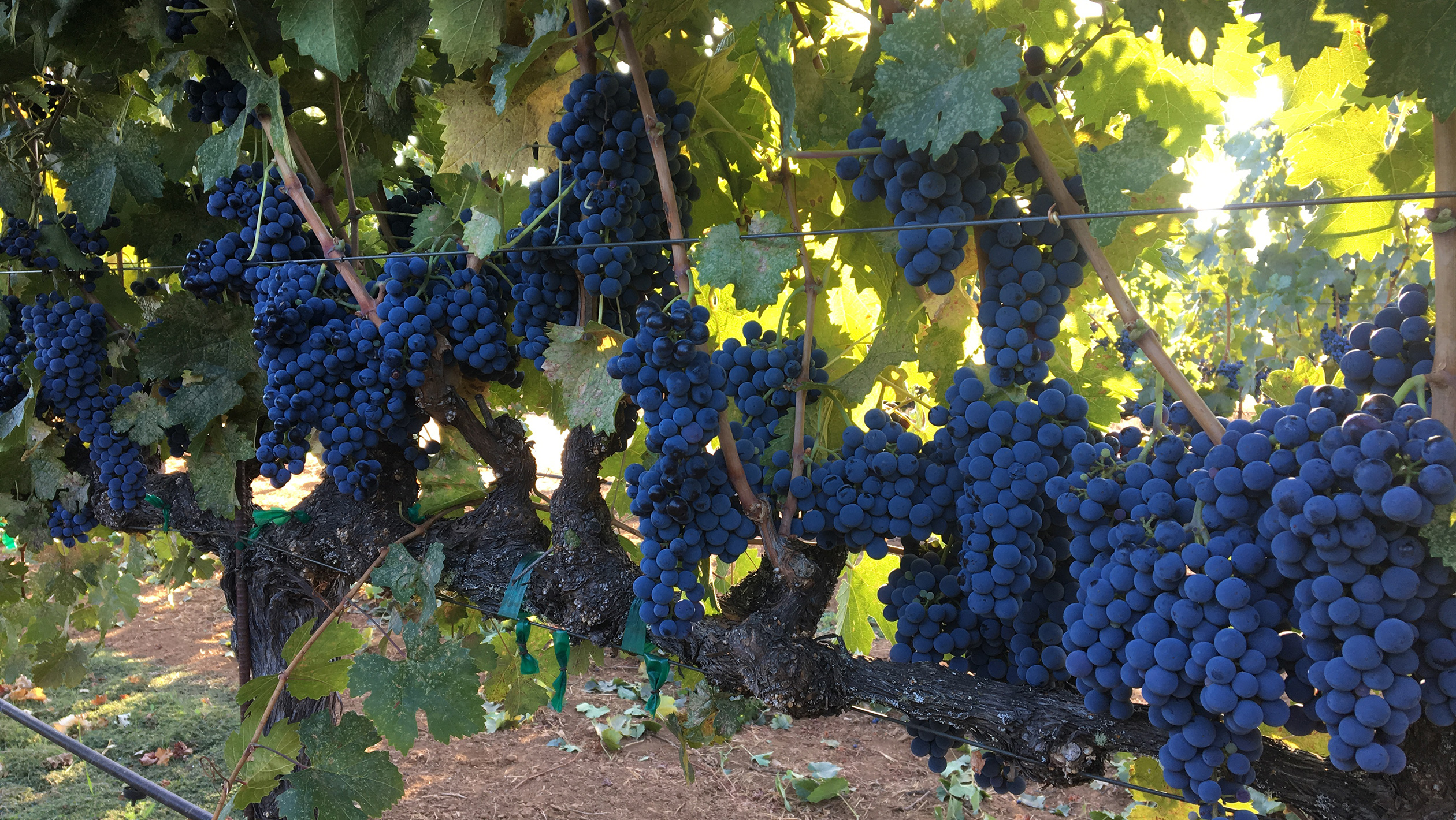
Collayomi Valley AVA, California
The region’s volcanic geology sets this proposed AVA apart from other growing areas in Lake County. Lying between the volcanic fields of Clear Lake and Sonoma and encompassing much of the original Rancho Collayomi land grant, Collayomi Valley has a terroir that’s impacted more by the Mayacamas Mountains to the west and a 1,200-foot elevation line to the south than the lake’s cooling influence. Most promising are big reds, according to Monica Rosenthal, the co-proprietor of R Vineyards, which thrive in the rocky volcanic soils and summer breezes.
“The wines are full bodied, rich in varietal flavor, and have balanced structure, tannins, and profiles,” says Rosenthal. “Cabernet Sauvignon has notes of black cherry and espresso, Cabernet Franc can be big and expansive yet graceful, and Petite Sirah has a core of firm tannins and acidity with currant, black cherry, and cracked pepper.”
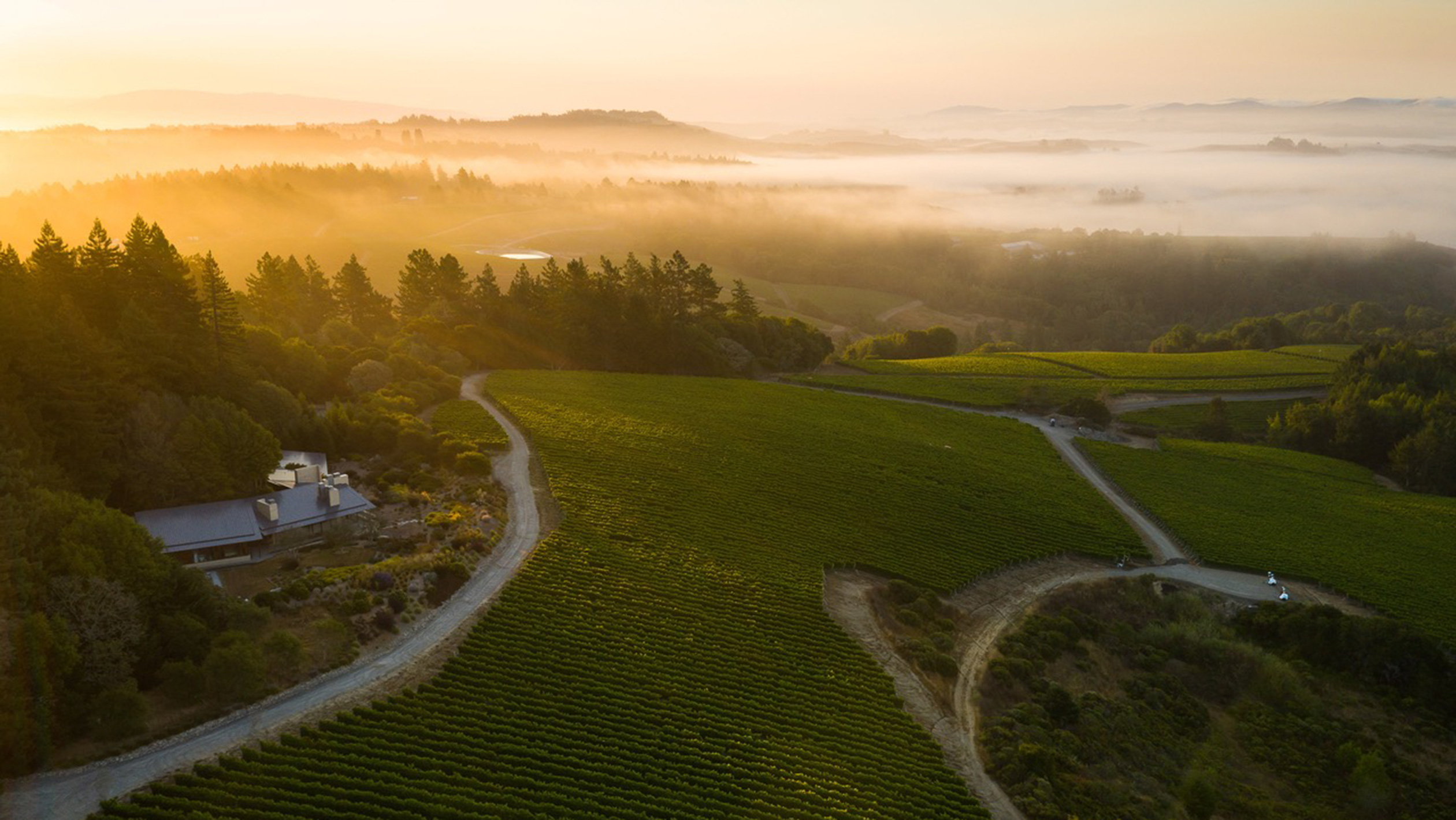
Freestone-Occidental AVA, California
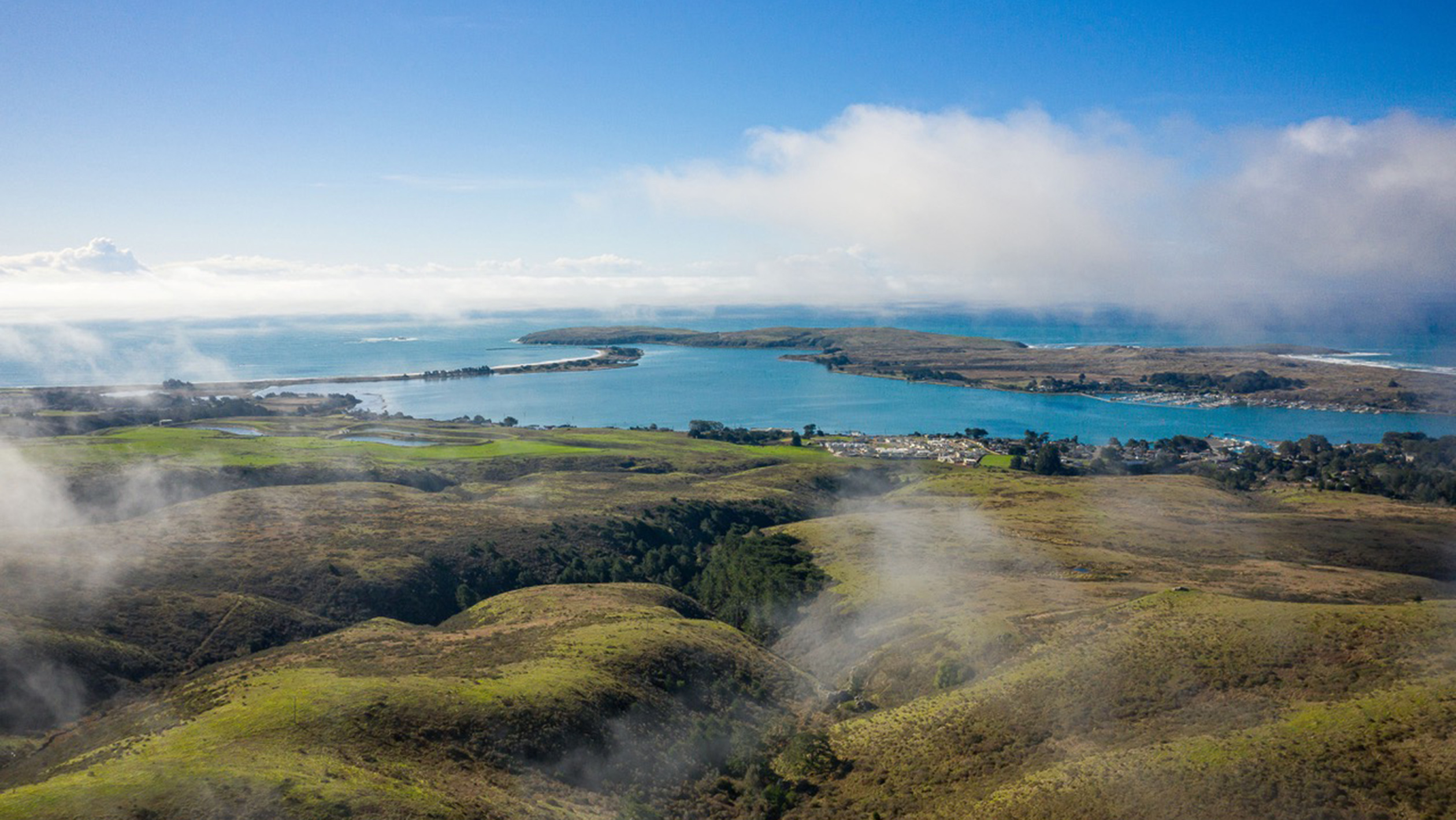
Inside the larger West Sonoma Coast AVA, this proposed subregion shows stark differences from its inland neighbors and the Russian River Valley AVA, including much more rainfall, earlier budbreak, and later harvest. Its low elevation in the foothills of the Coast Range and its connected valleys results in low daytime temperatures and diurnal swings, and direct sunlight is filtered since vineyards are at or below the marine inversion layer. The area is well suited to high-acid varieties, like Pinot Noir and Chardonnay.
“Aromatics are lifted and high toned, some floral and others savory, and the fruit profile crosses the spectrum of red to black fruits,” says Carroll Kemp, the winemaker at Alma Fria, as well as the cofounder of the West Sonoma Coast Vintners and the organizer of the Freestone-Occidental Collective, which filed the petition for the new AVA. “Wines’ texture and tannins are elegant, with higher natural acidity and more dominant non-fruit flavors.”
Seven of the latest proposed American Viticulture Areas come from California, Washington, and Texas
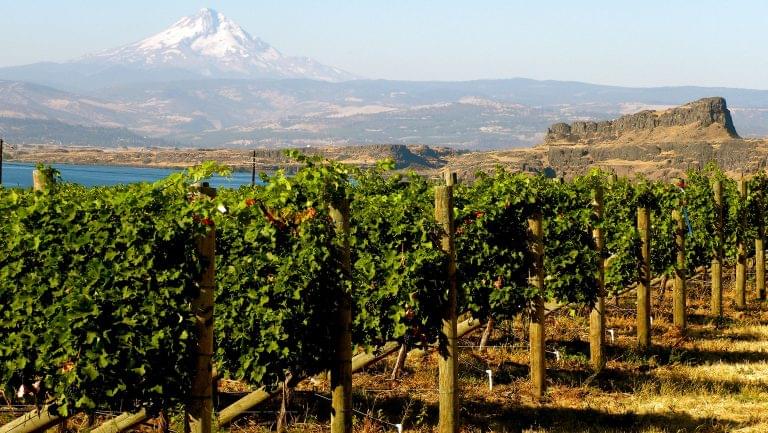
An Insider’s Look at 7 Potential New AVAs
Highland Valley AVA, California
Considered one of California’s oldest wine regions—grape-growing here dates back to the early 1900s and many of the original vines still remain—this proposed AVA in northern San Diego county covers 3,821 acres, with 128 under vine. With nine bonded wineries and approximately 25 commercial wine growers, the Highland Valley is already established as a burgeoning region. It shares San Diego’s enviable Mediterranean climate, with warm days offset by cool breezes from the Pacific Ocean. Soils balance nutrient-retaining sandy loam with well-draining, decomposed granite, which provides the necessary stress to promote the growth of deep roots and the development of intense aromas and flavors.
Varied topography comprising rolling hills, higher elevations, and lower valleys form microclimates that lead to a variety of balanced and age-worthy reds, most notably Syrah, which shows dark fruit, spice, and elevated acidity. Grenache and Zinfandel also show well, along with white Rhône varieties like Viognier and Grenache Blanc. “The morning marine layer and cooling katabatic conditions that exist within the amphitheater-like Highland Valley provide a longer growing season,” says Lynn LaChapelle, the co-owner of Domaine Artefact Vineyard & Winery. “With more hang time, grapes develop their sugars slowly and retain their acidity.”

Dispatch
Sign up for our award-winning newsletter
Don’t miss the latest drinks industry news and insights—delivered to your inbox every week.
Kelly Magyarics is a wine, spirits, travel, and lifestyle writer in the Washington, D.C. area who holds the WSET Diploma. You can reach her on her website, kellymagyarics.com and on Twitter and Instagram @kmagyarics.