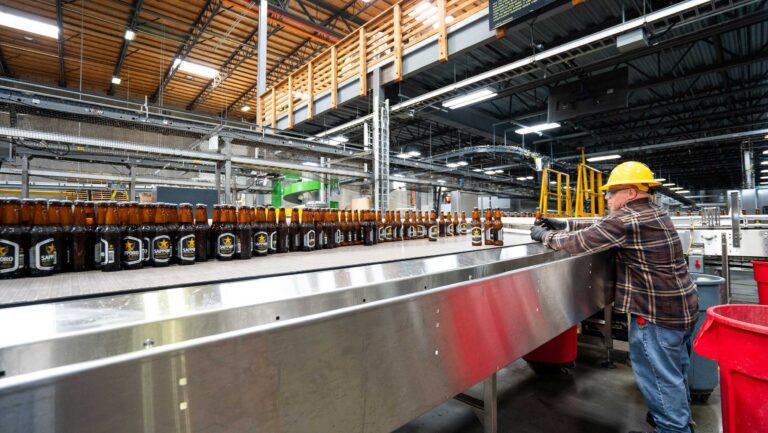
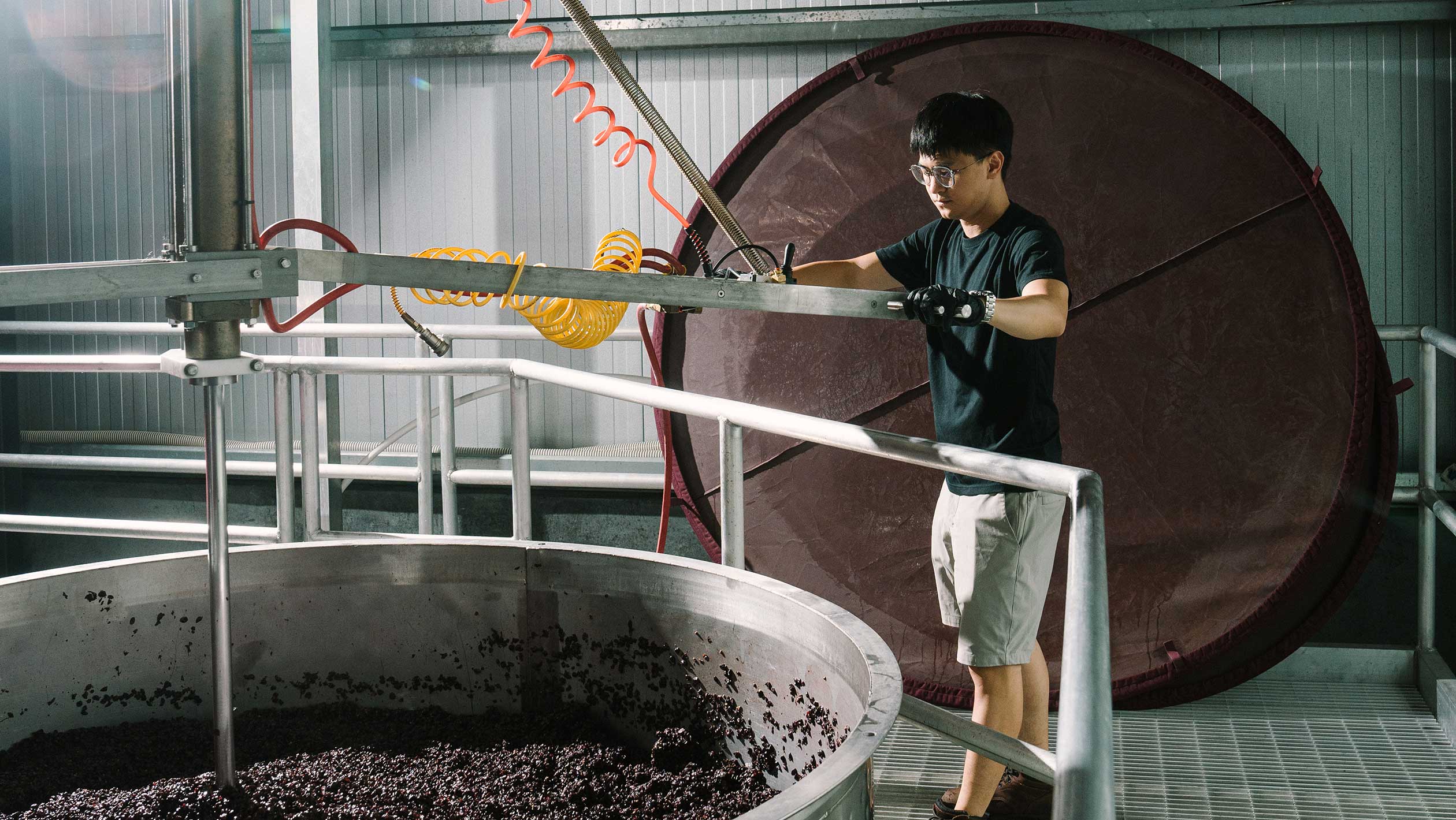
At one point or another, just about everyone working in the wine business contemplates ditching their day job—at least temporarily—for a hands-on stint in the cellar or vineyard. You may be a sales rep looking for a deeper understanding of how grapes are farmed and what really goes into making great wines. Or perhaps you’re thinking of making a full-on career change and want to test the waters before jumping in.
The idea of doing a harvest internship can be both exciting and daunting. With options available at wineries around the world, how do you go about finding opportunities, determining the right fit, and landing a job?
The first step, says Courtney Carroll, is to do some soul searching. Carroll spent years in wine communications, education, and sustainability before taking on internships in France, the U.K., Oregon, and California. “Be clear about why you want to be there,” she says. “Lead with humility and seek out producers whose values match your own.”

Don’t miss the latest drinks industry news and insights. Sign up for our award-winning newsletters and get insider intel, resources, and trends delivered to your inbox every week.
Once you’ve determined that a harvest gig is right for you, here’s how to get started—and what to expect along the way.
Search the Job Boards
Wine-focused job boards are a solid place to start the search. Wineries in the United States and Europe typically post internship opportunities from January through April while Southern Hemisphere producers tend to list them from August through October.
WineJobs is the largest and most active site for U.S.-based internships. Wine schools and universities, such as Washington State University, also maintain seasonal job boards. Some—including UC Davis, Fresno State, and California Polytechnic State University—run harvest placement programs for current and former students.
For wine industry professionals longing to work with a specific winery, check the company’s website. Many post internships on their “careers” page in addition to listing on third-party sites. Those hoping for international internships should check out sites like France’s Vitijob , New Zealand Winegrowers, Wine Jobs Australia, and Wine Industry Jobs’ Australia and New Zealand portal.
Elizabeth Price, the undergraduate advisor and graduate coordinator for the viticulture and enology department at UC Davis, says people seeking jobs overseas will need to do some extra legwork. “Review the visa process for specific countries,” she says. “There are different regulations and requirements.”
Government websites, such as the portal run by the European Commission, outline the visa process and requirements for seasonal workers. Potential employers can also help interns navigate the system. While language fluency isn’t always required, notes Carroll, proficiency is definitely a plus.
Reach Out Directly
It’s also common—and perfectly acceptable—for candidates to reach out directly to winemakers. For those already working in the wine sector, leveraging professional relationships can be an essential tool for scoring harvest gigs.
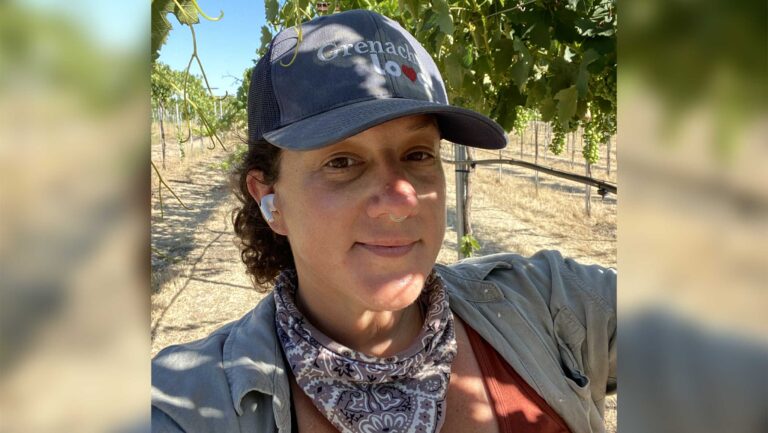
That’s what worked for Erin Mason. She directed the wine program at an Atlanta restaurant before telling California winemaker Ian Brand—a supplier she worked with—that she was looking for a change. As it turned out, Brand needed a couple more interns for that year’s harvest. “Within a month,” Mason says, “I quit my 10-year job and moved to California.”
When harvest was about midway through, she began reaching out to hospitality and wine connections in search of her next opportunity. That led to seasonal work in a Santa Barbara tasting room, which led to a harvest job in Amador County. From there, Mason went to the Columbia River Gorge in Washington State and San Benito County in California—all thanks to professional referrals.
“One of the things I learned was the value of maintaining good relationships, being a good communicator, and operating from a place of integrity,” she says. “I created a lot of really great relationships with importers, distributors, and winemakers.”
It also helps to be tenacious, Mason says. “So many people let the communication just fall away.”
Carroll, who found harvest jobs through a mix of direct outreach and professional connections, advises applicants to start reaching out early. “The best positions fill up quickly,” she says, “especially in highly desirable regions with strong reputations or unique philosophies.”
Nail the Interview
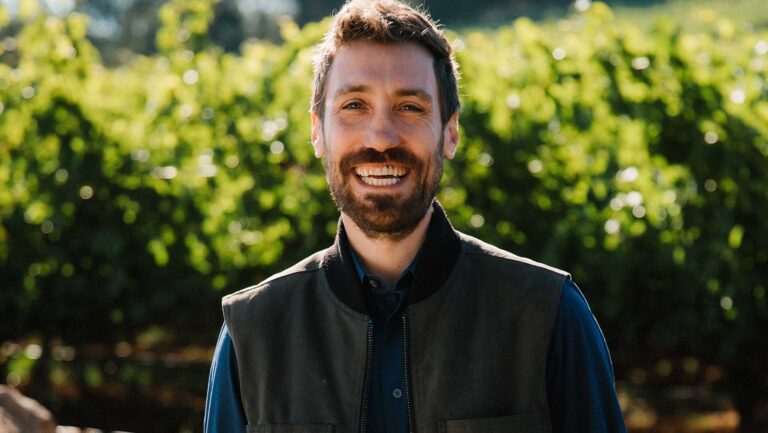
Wineries aren’t just looking for warm bodies during harvest—but they aren’t necessarily hiring people with serious production experience, either. “We try and balance the team,” says Ry Richards, the winemaker at Chappellet Winery in St. Helena, California. “If you’ve had no experience in winemaking, I’ll try and also have people that have worked a harvest or two so we can have certain people that know their way around pumps and barrels. If you’re new, you’re going to take a lot more training.”
Chappellet typically hires six interns each year. Richards interviews 30 to 50 applicants for the season, starting in January or February. Interns start in June or July so they can be up and running by crunch time.
To Richards, willingness to learn and the ability to handle 60- to 80-hour work weeks are key attributes. Manual labor experience is a plus.
“If you’re in sales,” he says, “do you have some sort of hardworking background as well? Have you worked in restaurants or have you done any agricultural work? Have you done construction or something where you’re on your feet all day long? Because that’s what harvest is. It’s really long days, not at a desk.”
It’s also important for candidates to express their dedication and reliability. “If you say you’re coming in August or September, that means you’re going to be there,” says Richards. It’s important to convince the winemaker or hiring manager that a harvest job is more than just a whim. He recommends emphasizing, “I will be there. You can count on me.”
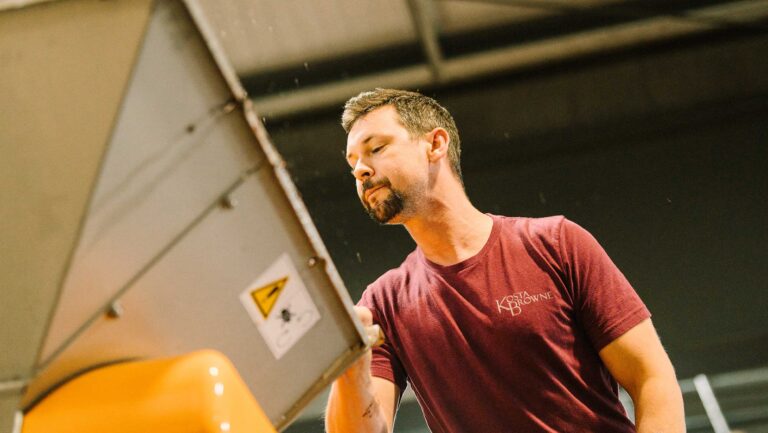
Scott Twitchell, the assistant winemaker at Kosta Browne Winery in Sebastopol, California, agrees that outlook and personality are key. “It is 1,000 percent about your attitude and zero percent about your experience,” he says. “I really, really focus on finding out if the person I’m interviewing is just going to be friendly—someone who wants to learn, wants to have a good time, and isn’t going to ruffle any feathers.”
Twitchell, who started in the industry as an intern, usually hires 11 to 14 seasonal workers each year. These hires typically work in the cellar, while Twitchell assigns one or two people to work in the lab. Kosta Browne’s search usually begins in January.
While the work is physically demanding, he says, the winery is welcoming to interns of all ages. “We can bend around people that maybe are a little sore because they haven’t used that arm muscle like this in a long time,” says Twitchell. “There are plenty of jobs to rotate people through.”
Know What to Expect
During the interview process, former interns recommend asking detailed questions about job duties, hours, and compensation. Jobs vary from producer to producer. While some wineries may assign a single task all season—such as collecting samples in the vineyards or working in a lab—others mix it up with a variety of duties.
Whatever you’ll be doing during your internship, says Mason, know what you’re getting yourself into. Sometimes, she says, it’s a grind. “I think there’s just a lot of starry eyes about what harvest is,” she says. “It’s really hard work.”
Typical tasks for interns include everything from cleaning out fermentation tanks to testing sugar levels in the vineyards to performing punchdowns in the cellar.
Candidates should be equally clear-headed about compensation. Hourly rates are often much lower than mid-career wine professionals make in their regular jobs. Twitchell estimates that seasonal workers in his area make around $23 per hour, with extras such as lunches thrown in. However, pay rates vary by region and by winery.
“The financial consideration is huge,” says Mason, who went from earning $70,000 per year in restaurants to making $14 per hour in her first intern position. The most she ever made as an intern was $22 per hour.
“It’s such a prohibitive industry for people who don’t come financially prepared,” she says, adding that some interns end up taking on debt. “People are getting a lot better about providing housing, but it usually comes at less pay and it’s expensive to live out here [in California].”
Twitchell admits that included housing is “few and far between” for interns in Sonoma County and Napa Valley. However, some wineries, like Chappellet, do offer assistance for international workers.
Rewards come mainly in the form of great experiences and professional development, notes Carroll, who now works as a wine and spirits consultant in brand development, education, and sustainability strategy.
“Even with formal training, harvest teaches you things the classroom can’t, including physical, hands-on experience, teamwork, problem-solving, and the changing rhythms of the season,” she says. “It’s one of the most rewarding things you can do in this industry.”
Mason’s harvest experiences eventually landed her a permanent job as the first regenerative agriculture specialist at Tablas Creek Vineyard in Paso Robles. She advises would-be interns to have a plan for when the season ends. “You need to know what you want to do after that,” she says. “Almost never does harvest turn into anything long-term. It’s like: right time, right place, right person. The stars have to align.”
The best thing an intern can do, Mason adds, is keep an open mind to different roles during the experience.
“Being very dynamic and learning different parts of the industry is super helpful to making the change,” she says. “If you can do a number of things and provide different supports at whatever company you’re working for, you have a much better chance of growth.”

Dispatch
Sign up for our award-winning newsletter
Don’t miss the latest drinks industry news and insights—delivered to your inbox every week.
Tina Caputo is a writer based in Northern California who covers wine, beer, food, and travel. She was formerly the editor in chief of Vineyard & Winery Management magazine, and her work has appeared in Wine Enthusiast, Visit California, Sonoma magazine, the San Francisco Chronicle, and many other publications. She also produces the podcast Winemakers Drinking Beer.