As head brewer at Austin Street Brewery in Portland, Maine, Marlee Gunn has specific advice for someone seeking brewing work. “I’d recommend they get a four-year bachelor’s degree in psychology, and then decide to start brewing,” Gunn says, laughing.
No two beers are identical, and neither are the pathways for entering the brewing workforce. In 2021, fresh out of college, they began as a packaging technician at Boston’s Trillium Brewing, before moving to Portland to work as Lone Pine Brewing’s cellar person monitoring fermentation and cleaning tanks. They shifted to Austin Street in 2022, rising from brewer to lead brewer and, finally this February, head brewer.
“I entered the industry without ever homebrewing,” Gunn says. “I was willing to learn and work in a fast-paced, maybe wet, maybe hot, maybe cold warehouse environment—and have a good time while doing it.”

Don’t miss the latest drinks industry news and insights. Sign up for our award-winning newsletters and get insider intel, resources, and trends delivered to your inbox every week.
Despite declining production and increasing brewery closures, America’s craft brewing industry remains an economic juggernaut that accounted for nearly $29 billion in retail dollar sales in 2024, according to the Brewers Association. Producing and packaging all those IPAs requires plenty of people.
The country’s 9,796 operating craft breweries employ more than 197,000 workers, from recipe-writing brewers to canning-line operators putting fresh IPAs into four-packs. Jobs exist for every interest and skill set, and advice from these head brewers and brewmasters can help crack the brewery door open.
A Brewing Education Isn’t Essential
A degree in higher education is a prerequisite for entering many industries, but entry-level brewing positions at smaller breweries don’t typically require diplomas, especially for packaging work. Inquisitiveness, a willingness to learn, and a love of beer can land a job.
“I have no schooling in anything related to brewing,” says Skip Schwartz, the head brewer at WeldWerks Brewing in Greeley, Colorado. In his early 20s, Schwartz created a personal beer curriculum by repeatedly homebrewing the same beer recipe; as Schwartz notes, “Commercial brewing is about being good at replication.” He also bartended at a craft beer bar and became a liquor store’s beer buyer.
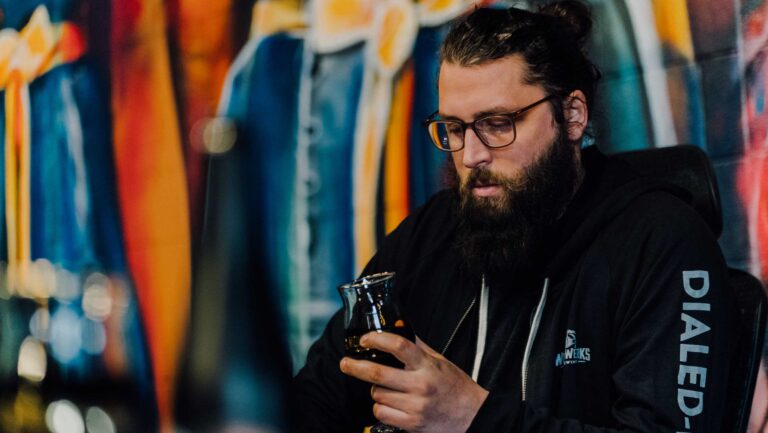
“I was immersed in beer daily,” he says. This led to a sales job at Wiley Roots Brewing, another local brewery in Greeley, where Schwartz also cleaned kegs and tanks. Impressed by his drive, the owner taught him to brew. “I never wanted to be a beer salesman my whole life, but it was an opportunity to be at a brewery,” Schwartz says.
Working in a brewery taproom can also pave a brewing pathway. Front-of-house workers are accustomed to shift work and defusing stressful situations, which comes with the territory in brewing.
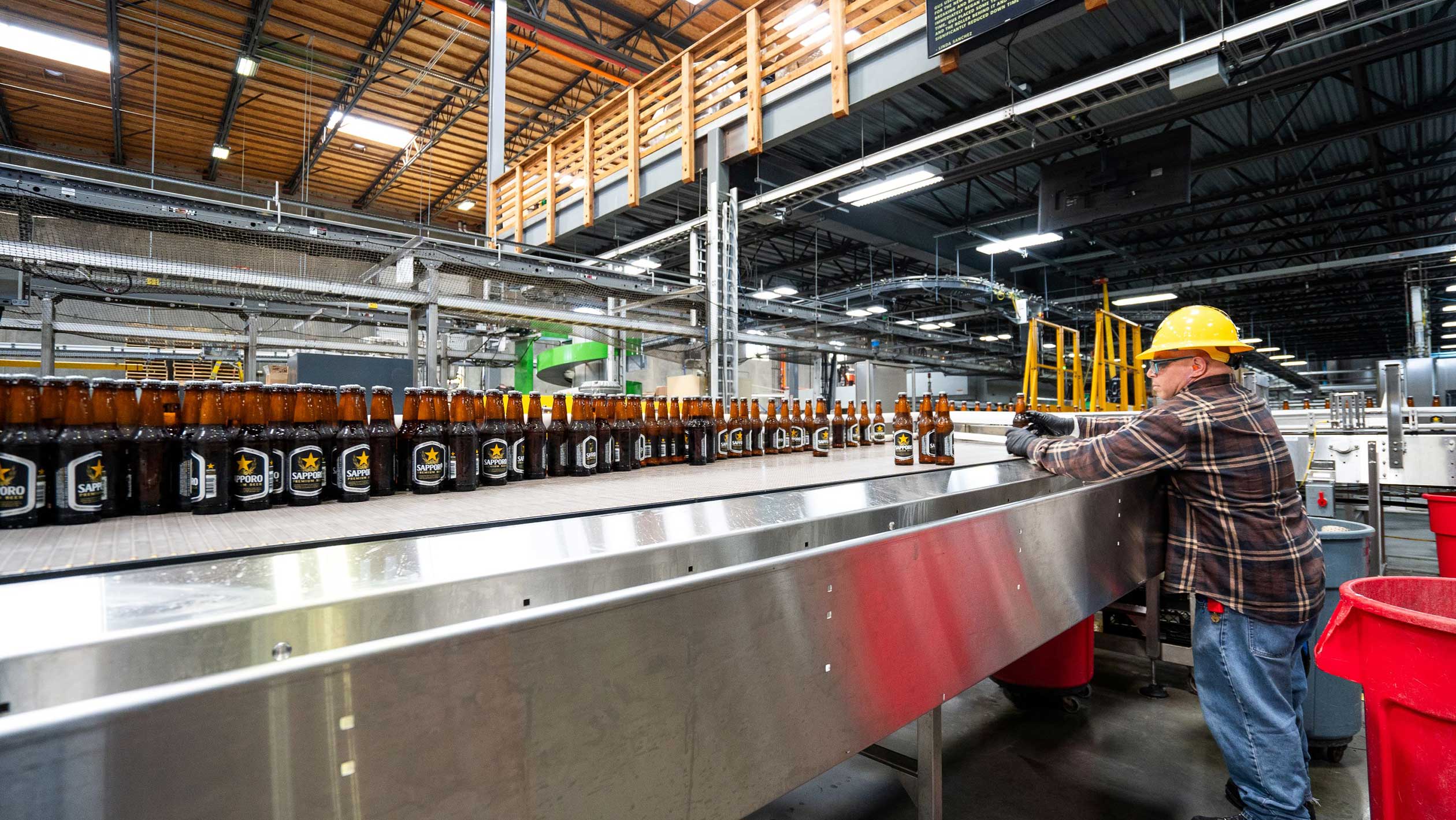
“When the boilers go down and stressful things happen, how do you overcome and deal with daily challenges?” says Steve Gonzalez, the senior manager of brewing and innovation at Sapporo-Stone Brewing in Escondido, California. (He’s been with the company for 12 years.) “My assistant brewer came over from the hospitality side, and they had those coping skills.”
Mechanical and DIY Skills Can Be Transferable to Beer
A brewery is a manufacturing facility, and malfunctions are commonplace. An engineering, electrical, or trade background is translatable to brewing. When Gonzalez started out, he both interned at a brewery and taught homebrewing classes. This helped his résumé stand out when applying for his first full-time position at Sierra Nevada Brewing in Chico, California, where he interviewed with founder Ken Grossman. During the interview, Grossman asked if Gonzalez had worked on car radios or something similar; there’s a DIY element to breweries of all scales, and finding fixes can be a daily necessity. “My answer was, ‘Well, I don’t work on electronic stuff, but I have built my own homebrewing equipment,’” Gonzalez says. “That seemed to satisfy him.” Gonzalez got the job.
Bill Covaleski is the brewmaster and cofounder of Victory Brewing, which opened in Downingtown, Pennsylvania, in 1996. As the brewery grew and became more reliant on technology, “we started hiring people who were homebrewers but had other skills,” he says, including an auto mechanic.
“As we’d often tell them, ‘The equipment is another team member that you need to listen to and respond to, because without the equipment functioning, you don’t get to complete your day’s work,’” says Covaleski, who was formerly a graphic designer and art director. When applying for a brewing job, “bring all of your skills in your toolbox and offer them.”
The Benefits of Brewing School
A formal brewing education can be beneficial to break into a larger brewery. Josh Penney, now the head brewer at Threes Brewing in Brooklyn, began as a homebrewer working as a tour guide at the Samuel Adams Boston Brewery. To advance in the industry, a veteran brewer advised Penney to apply to one of the country’s premiere brewing schools, such as Siebel Institute of Technology in Chicago or the Master Brewers Certificate Program at UC Davis, in California.
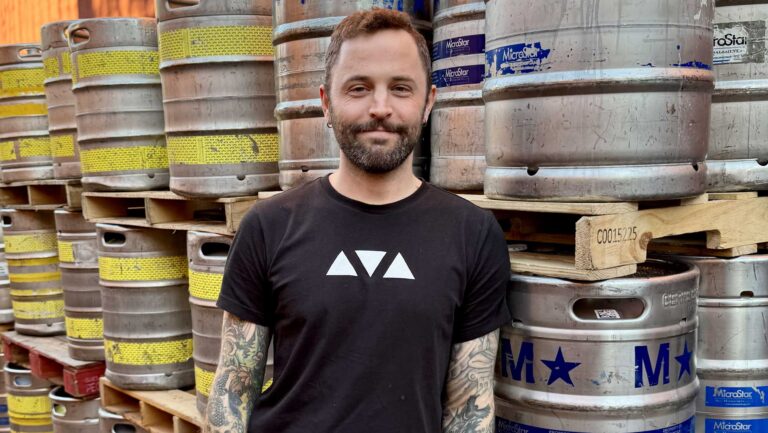
“I always wanted to move out to California, so Davis made sense,” says Penney, who took his prerequisites at a community college. After graduating from the 15-week program, Penney landed at Golden Road Brewing in Los Angeles. He eventually became head brewer at Highland Park Brewery in Los Angeles, winning four gold medals at last year’s Great American Beer Festival. A degree is “a great résumé builder and gives you a leg up,” Penney says.
Landing a first brewing job can seem like a dream come true, but less-than-ideal work environments exist. “There’s a lot of burnout in the industry, and that burnout can be contagious,” says Gunn.
During an interview, Gunn suggests asking questions about the brewery’s culture. Do people enjoy spending time together, or do they clock out and head home? Be picky when choosing where to turn a passion for beer into a profession. As Gunn says, “Just because we make a product that’s fun to drink, it’s still a real business.”

Dispatch
Sign up for our award-winning newsletter
Don’t miss the latest drinks industry news and insights—delivered to your inbox every week.
Contributing editor Joshua M. Bernstein is a beer, spirits, food, and travel journalist, as well as an occasional tour guide, event producer, and industry consultant. He writes for the New York Times, Men’s Journal, New York magazine, Wine Enthusiast, and Imbibe, where he’s a contributing editor in charge of beer coverage. Bernstein is also the author of five books: Brewed Awakening, The Complete Beer Course, Complete IPA, Homebrew World, and Drink Better Beer.