Of all the bottles behind the bar, none have a coming-of-age story quite as exciting as tequila’s. Projected to reach a market size of $19.73 billion by 2030, the spirit once synonymous with cheap shots at dive bars has skyrocketed to success despite a challenging stretch for the beverage alcohol industry overall; recent data from the Wine & Spirits Wholesalers of America show that while spirits overall dipped by 3.8 percent in volume, tequila was the only category to experience growth in the past year.
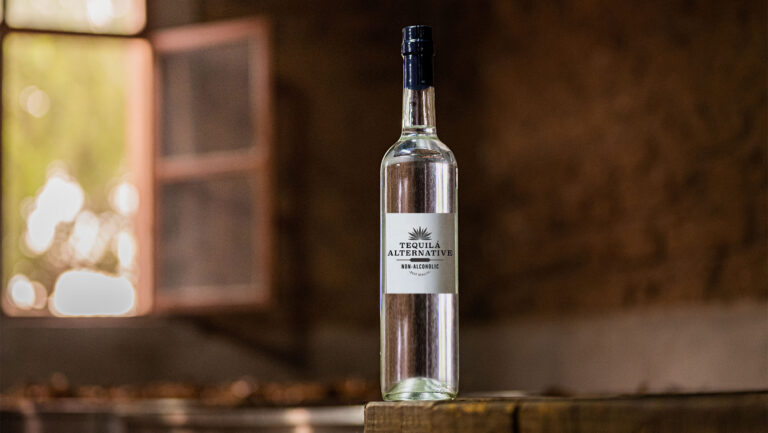
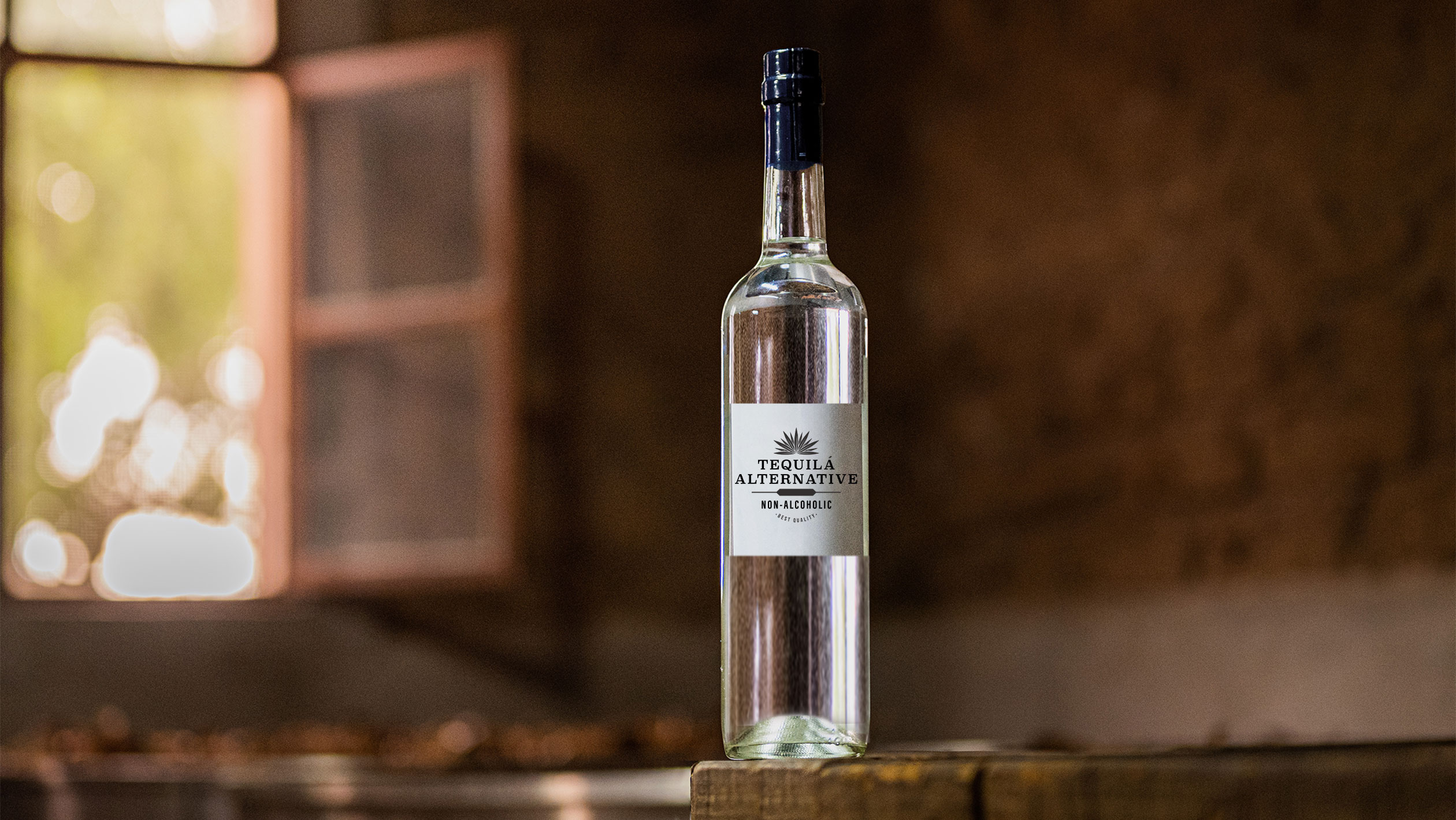
Unsurprisingly, this sustained interest has inspired an onslaught of new tequila brands as well as tequila-based ready-to-drink cocktails. But there’s another, less obvious side effect rapidly percolating: a race to produce the best non-alcoholic tequila.
Like tequila, non-alcoholic drinks have also experienced outsized success, with the category experiencing double-digit volume growth in key markets in 2024, according to the IWSR.
Don’t miss the latest drinks industry news and insights. Sign up for our award-winning newsletters and get insider intel, resources, and trends delivered to your inbox every week.
“There definitely seems to be a rise in [non-alcoholic] tequila,” says Chadwick Ledger, the co-owner and beverage director of High Road DelicaTexan in Austin, where the menu features a Nargarita that calls for lime, agave, non-alcoholic triple sec, the guest’s choice of pineapple or guava, and Free Spirits’ non-alcoholic tequila alternative. “Lots of brands are trying to replicate that taste of agave,” he says.
But replicating the taste of agave in a non-alcoholic spirit is not an easy task. “When it comes to non-alcoholic tequila, the biggest challenge we’ve historically faced was frankly that many of the products available were not up to the quality standards we look for in our program,” says Colin Williams, the director of beverage and service at Saffron and The Kingsway in New Orleans.
Despite the challenges, several brands have entered the fray. Here’s how they’re paving the way for this emerging category, and how bartenders are embracing standout products.

Honing Familiar Flavors without Alcohol
Tequila’s unique blend of sweet, spicy, and often vegetal notes—derived from sap of the piña, the heart of the agave plant—is relatively trickier to replicate in a non-alcoholic form. Some brands, like Lyre’s, have taken a standardized approach, treating booze-free tequila like other booze-free spirits in their portfolio, like vodka or gin. “We have a proprietary base liquid across all our spirit alternatives,” says Selena Donovan, the director of marketing for Lyre’s. “We work with a leading food house that has over 6,000 extracts, botanicals, and spices to mimic the profile of traditional blanco tequila.”
Donovan notes that for the brand’s tequila alternative, the Lyre’s team brings in flavors like saline, citrus lemon, lime, and hints of pine. They also channel an ethanol-like burn or mouthfeel by incorporating elements like peppermint and spice.
While Lyre’s launched its tequila alternative in 2022, it remains the portfolio’s number-one selling spirit for on-premise, and the brand reports a 35 percent year-over-year increase in its U.S. portfolio.
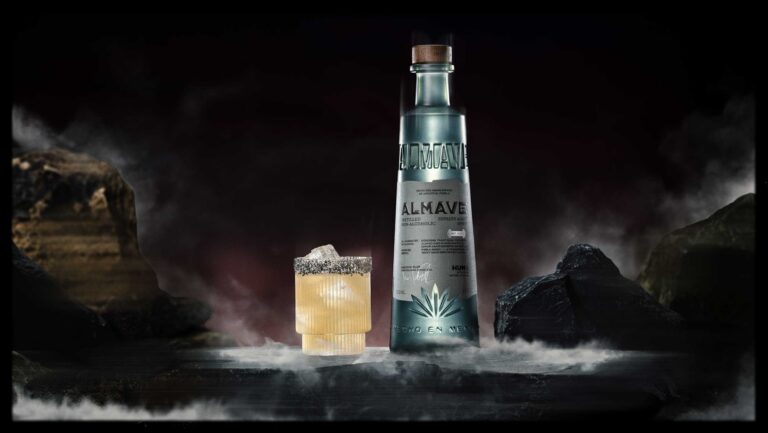
Other brands, like Almave, a non-alcoholic tequila cofounded by F1 star Lewis Hamilton, believe that keeping production in Jalisco, Mexico—tequila’s birthplace—is the secret to success.
“Almave’s agave piñas are harvested, cooked, and crushed,” explains cofounder Iván Saldaña. “Then, instead of fermenting the agave, we carefully distill it several times to concentrate and capture the complexity, delicate aromas, and flavors of authentic tequila.”
Saldaña hopes that in doing so, Almave’s Blanco, Ambar, and Huma tequila alternatives capture the “true essence” of agave, and, like the original, create a spirit that achieves balance in both acidity and sweetness.
Mariena Mercer Boarini, the master mixologist for Wynn Resorts, says it’s important to remember that a one-to-one swap isn’t realistic. “Guests sometimes assume non-alcoholic spirits should taste exactly like their alcoholic counterparts, when in reality they’re built differently,” she says. “They focus on botanical structure, heat, acidity, and mouthfeel rather than ethanol.”
On-Premise Adoption Is Key to Success
Perhaps the greatest sign that non-alcoholic tequila is evolving as a category is the enthusiasm with which bartenders have embraced it for both classic and new cocktail recipes.
“At Casa Playa, we’re offering a non-alcoholic tequila alternative through Ritual, and we treat it with the same respect and intentionality as any premium spirit behind the bar,” says Boarini. “One of our signature expressions is Paradigm Shift, a non-alcoholic cocktail built with Ritual’s tequila alternative, fresh cucumber, lime juice, spicy agave nectar, and finished with mango trinity salt.”
At 53 and Ba53ment in New York City, head bartender Aaron Kim also uses Ritual’s agave spirit alternative. “Ritual stands out to me because it has real body and a noticeable spicy character,” he says. “It helps the drink feel more complex and satisfying, not just a lighter version of a cocktail.”
Some industry experts, like Williams, are still approaching the newcomers to the category with caution. But he recently added Almave to the bar, noting that the spice and citrus in the pour add welcome “roundness and complexity” to zero-proof Margaritas and Palomas.
While the demand for non-alcoholic tequila is clear from the number of brands investing in developing tequila alternatives, bartenders are on the front lines educating drinkers about what to expect. Their success is critical to the category’s continued growth.
“The challenge isn’t selling it,” explains Boarini. “It’s value perception. Non-alcoholic cocktails still require the same craftsmanship, fresh ingredients, technique, and thoughtful design as any other drink on the menu. Education is key. When executed properly, non-alcoholic tequila cocktails don’t feel like a concession.”

Dispatch
Sign up for our award-winning newsletter
Don’t miss the latest drinks industry news and insights—delivered to your inbox every week.
Oset Babür-Winter is a writer and editor based in New York City. She was previously the Senior Drinks Editor at Food & Wine, and has contributed stories to Bon Appétit, New York Magazine, Wine Enthusiast, and more. She holds a Level 3 award in wines from the Wine and Spirit Education Trust.