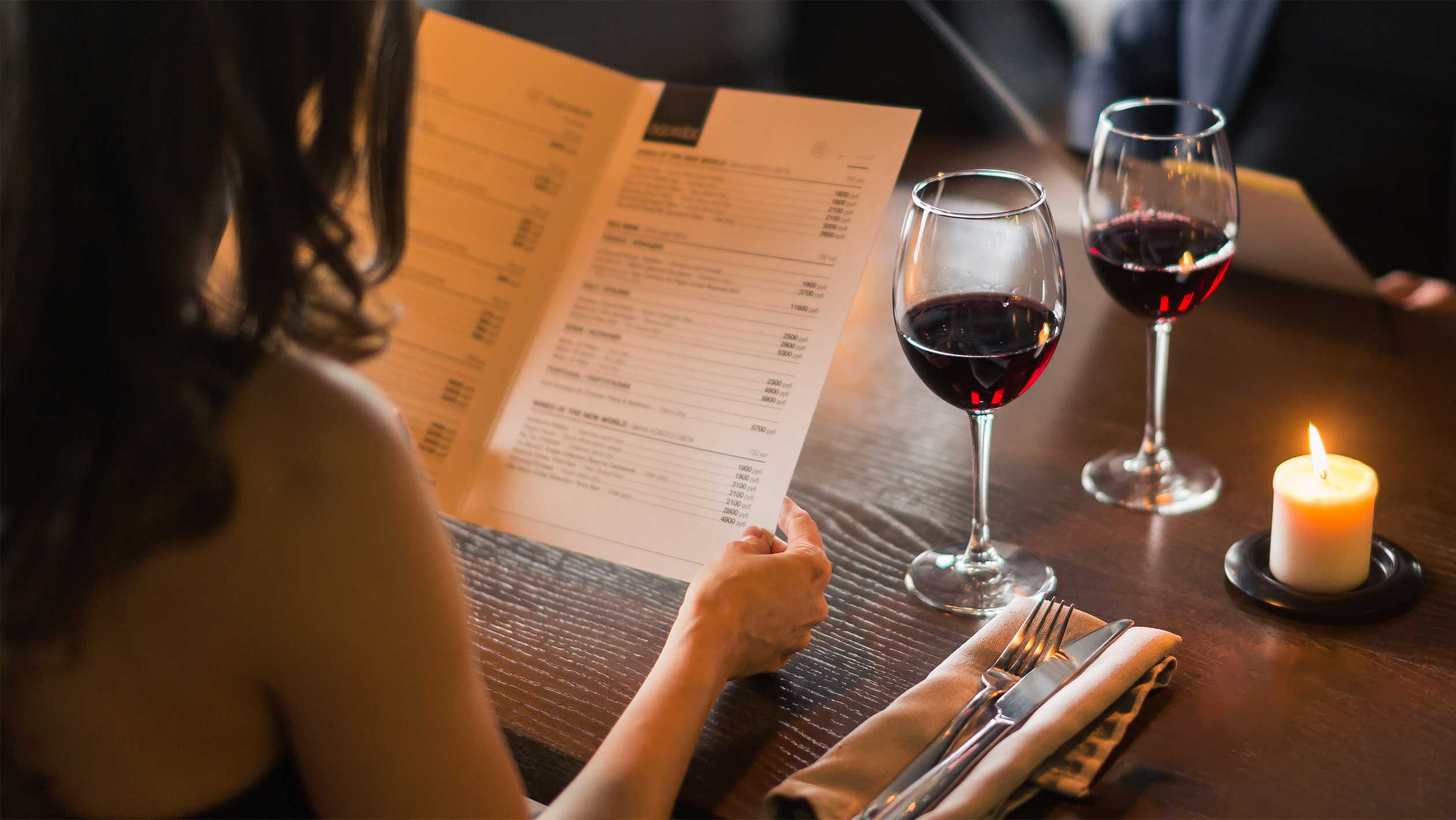
The by-the-glass list is the port of entry into a wine program—both a glimpse into the philosophy of an establishment through a glass, and the most approachable way to enjoy wine on-premise.
“The by-the-glass list is such a calling card for what we are all about,” says Erin Lindstone, a sommelier at Barolo Grill in Denver. “It gives you a sense of what you are about to experience, what the restaurant cares about, and what you might be excited to try.”
The fundamentals of building a by-the-glass list are relatively simple to process: Offer a few selections in each wine style, price them with a consistent markup, and pour a standardized amount per serving. But what does it take for smart wine directors to truly optimize a by-the-glass list, from using selections to bring wine drinkers in the door, to finding ways to generate revenue without overcharging guests? SevenFifty Daily asked beverage directors and sommeliers to share their best tactics for perfecting the all-important by-the-glass wine list.
Don’t miss the latest drinks industry news and insights. Sign up for our award-winning newsletters and get insider intel, resources, and trends delivered to your inbox every week.
Maintain Some Approachable Selections
By-the-glass wines must work with a restaurant’s cuisine, but it’s just as important that they fit with the clientele, too. While some spots lean on their esoteric lists to target a niche audience, most programs will benefit from including a few wines that a broader range of guests can recognize, says Carlin Karr, the wine and beverage director for Frasca Hospitality Group in Colorado. “You never want to make guests feel isolated or turned off by a lack of familiarity,” she says.
For the wine programs she oversees—which includes those of Frasca Food and Wine, Pizzeria Alberico, Tavernetta Denver, Sunday Vinyl, Osteria Alberico, and Tavernetta Vail—Karr includes “familiar favorites to gain trust,” like Sauvignon Blanc, Chardonnay, Pinot Noir, and Cabernet Sauvignon. “The rest of the BTG selection is rounded out by more indigenous, regional wines,” she adds.
Scale Your List to Fit the Venue
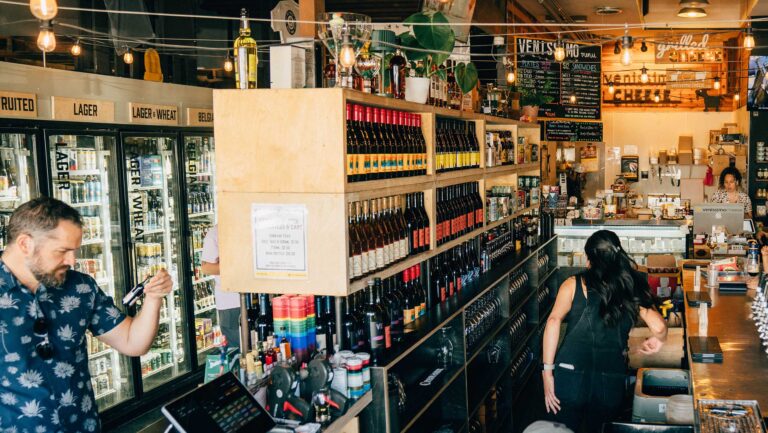
Some restaurants are known for prolific BTG selections, and others keep things tailored. At Wally’s Wine & Spirits in Los Angeles, which doubles as a wine bar and retail shop, the by-the-glass list can include between 50 and 70 wines. But at Fedora, a New York City restaurant with about 50 seats, wine director Basile Al Mileik typically lists 10 to 12 dry wines and five to seven after-dinner selections.
It all depends on establishment size, sales volume, and space limitations. “How much cooler space do you have? How much cellar space do you have? You have to be willing to change based on that,” says Torrey Grant, the wine director at Leonetta in New York City.
For wine directors, the hardest part might be whittling down the number of wines offered—and not letting their passion for variety overwhelm them. “My personal challenge is not pouring too many wines BTG,” says Grant. “I have a tendency to try things and all of a sudden I’ve got 35, 40 wines by the glass.”
Swap Wines Selectively
While regularly rotating by-the-glass selections can help keep things interesting for regulars, consider changing placements selectively in order to make swaps more manageable for staff members to digest. “I don’t like to do a full overhaul of the by-the-glass list all at once. That’s too overwhelming for me and the team that has to sell the wine—and even for the guests,” says Lindstone. “So I’m always swapping maybe one or two things at a time, seeing how those are doing, and then adjusting accordingly.”
Pour Smaller-Production Wines By Rotating More Frequently
Higher-production wines from large wineries often find their way onto BTG lists, thanks to their ability to maintain supply, ensure consistency, and lower costs with bigger discounted drops. However, restaurants can pour more unique, limited-production wines by the glass with the willingness to swap placements more frequently.
“Our wine list rotates quite frequently, up to multiple times a month,” says Lindsay Ogden, the beverage manager of Ajja in Raleigh, North Carolina. “I purposely seek smaller producers from around the world for both our BTG and BTB lists. Even though I may not be able to keep those wines in stock for very long, it is important to me to give as much space on our list to those smaller, family-run operations.”
Decide Whether a Larger or Smaller Pour Works
A five-ounce pour tends to be the restaurant standard, but wine directors might choose to offer a larger or smaller pour depending on other factors. “I’ve always liked using larger glasses, so I’ll do a six-ounce pour,” says Phillip Dunn, a sommelier at Wally’s Beverly Hills. “But six ounces looks pretty significant in a smaller, standard glass.”
Offering smaller pours in the form of wine flights can also give guests the chance to try multiple wines while giving management an idea of which new wines might work well for the BTG list. “If people really seem to be into one particular wine [in the flights], I’ll rotate that onto the by-the-glass list and take something off that’s not moving,” says Grant.

Stick to a Set Pricing Structure—Not Set Margins
Most on-premise wine professionals understand the basics of pricing BTG wine: Typically the wholesale bottle price is the amount charged per five-ounce glass. “You’re hoping to run anywhere between a 20 and 28 percent cost of goods,” says Dunn. “If you’re strategic about how you purchase and you have good relationships with your suppliers, you should be able to manage that.”
But savvy wine directors understand that BTG pricing isn’t formulaic. Karr recommends setting a “strict pricing structure” rather than standardized margins. “I don’t want any surprises on our month-end financials,” she says. “I have a responsibility to the business to maintain budgets.”
This could mean pricing cheaper wines with a more typical 20-percent (or less) cost of goods and more expensive wines with a higher COGS, which balances in the end. Others choose to “reward” guests who are willing to step outside of their comfort zones and try a new grape with lower price margins, while charging more for recognizable regions or varieties that more drinkers are likely to order. “I have found that most people will pay for quality,” says Al Mileik. “So do your research.”
But Consider a Lower Markup to Entice Guests With Special Glasses
All BTG selections should offer a range of price points, though some may be more extreme than others. Karr implements a “pricing ladder” for her establishments. “We have options from the accessible, entry-level price point of $9 to $10 a glass to the very luxurious level—$45 to $50—with gradual steps in between in each category,” she says.
Look for opportunities to bring guests in the door with a “wow factor” wine priced exceptionally well—even if it comes with lower margins. “For eight years, we have poured Krug Grande Cuvée by the glass at $56 or less at several of our restaurants,” says Karr. The Grande Cuvée typically wholesales for $150 or more. “Is this pour cost effective? Not at all. Does it excite and delight our guests and keep them coming back for a glass of Krug? Absolutely. It is 100 percent worth having it in our BTG selection.”

Dispatch
Sign up for our award-winning newsletter
Don’t miss the latest drinks industry news and insights—delivered to your inbox every week.
Janice Brockenberry is a New York-based journalist and associate editor of SevenFifty Daily. Her work has appeared in print and online publications, including Newsweek, Wine Enthuthiast, VinePair, Essence magazine, and Full Pour magazine, among others. She holds the WSET Level II certification in wines. Follow her on Instagram at @browngirldrinkswine.