
Building a profitable bar menu takes more than a standard markup as costs rise and guests become more price sensitive. To maintain margins, operators need to track cost and performance across everything from well pours to top-shelf upgrades. Some of the costliest mistakes involve cocktails that look profitable on paper but don’t account for prep time, waste, and research and development. Those errors cost more now than they did three years ago. What bars pay wholesalers for beer, wine, and spirits has climbed roughly 32 percent since January 2021, and hourly labor compensation at drinking places rose about 19 percent between 2021 and 2025, according to the Bureau of Labor Statistics.
“In today’s climate where food costs are rising, beverage costs are rising, labor costs are rising, rents, utilities, everything is going up,” says Ben Potts, the cofounder of Unfiltered Hospitality and a primary operating partner of the Miami cocktail bar The Sylvester.
Still, on-premise drinking remains strong. According to NIQ, 69 percent of consumers have at least one on-premise drinking occasion each week, and 67 percent of spirits drinkers say they will pay more for a higher-quality drink. The question becomes how to tighten expenses and increase sales without losing guests on price alone.
Don’t miss the latest drinks industry news and insights. Sign up for our award-winning newsletters and get insider intel, resources, and trends delivered to your inbox every week.
“People are in survival mode,” says Kim Haasarud, the former national president of the United States Bartenders’ Guild and a beverage consultant working with Ignite Creative Services in Scottsdale, Arizona. “I’ve got to charge this much to make up for my margins. But that’s not going to make you thrive. It’s not going to get people coming back.”
Evan Hawkins, the owner and founder of Romeo’s in New York City, puts the importance of a profitable beverage program simply: “Labor will kill you, food will choke you, alcohol will save you.”
Don’t Forget to Count Labor
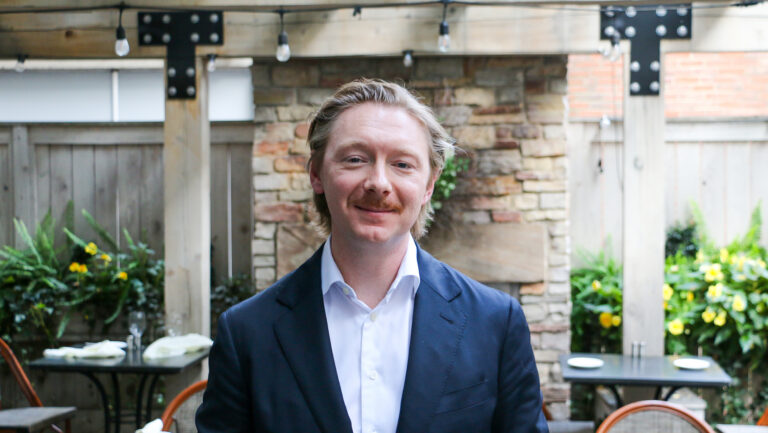
Bar programs that price cocktails on pour cost alone are missing the full picture compared to those that price off of prime cost, which includes labor, says Aidan Wren, the founder of Mile High Mixologists in Denver. Prep time and labor-intensive serves can cost as much as ingredients when everything is accounted for. Other costs go unaccounted for too, like selling, general, and administrative expenses, Wren adds, which each drink margin still has to cover.
“You have to look at the labor of these syrups that you’re making in a sous vide, and these tinctures that you’re making in-house. All of those things require labor,” says Wren. Custom ingredients mean pricing in labor twice: the prep time before service, and the time the bartender takes to make the drink.
Wren says standard cocktail pricing used to aim for ingredient costs of about 20 percent. “But nowadays, with the cost of everything else going up, it really should be closer to 15 percent.” Don’t forget to leave room for waste and recipe development, too.“You need to price waste and R&D into cocktails and also have some anchors to keep cost of goods sold under budget,” says Benjamin Chesna, the beverage director at Himmel Hospitality Group in Boston. “This allows you to have fun and play around with other parts of the menu, give guests great experiences, and still make budget.”
Don’t Price for the Bartender—Price for the Guest
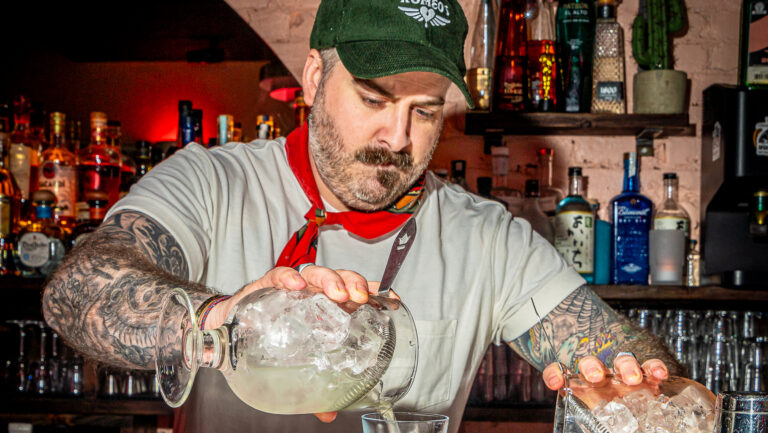
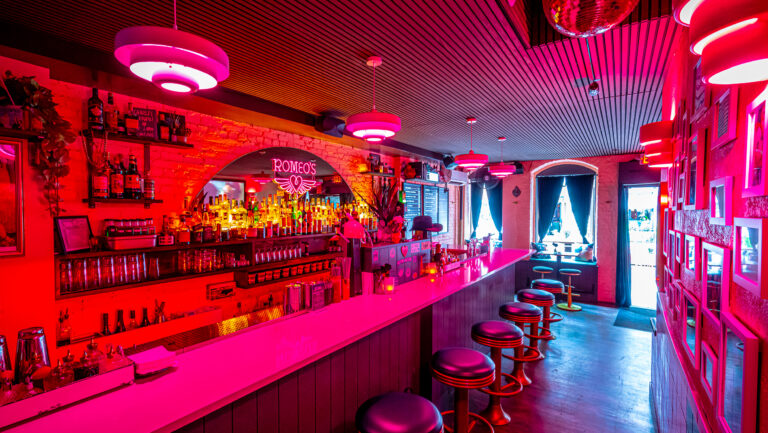
Having opened more than 30 venues across Atlanta, Miami, and New York, Hawkins says pricing begins with understanding a bar’s audience. For example, at Romeo’s in New York City, the most expensive cocktail is $19; at Dad’s in Atlanta, it’s $14. “Walk the neighborhood, see what’s missing, and stay in your lane,” Hawkins says.
If a bar’s location supports premium and ultra-premium prices, follow it. The majority of bars cannot, however, and the premium aspects that creative bartenders get excited about—like house syrups made in a sous vide, tinctures and cordials, and ingredients guests don’t typically have a reference point for—can drag down a bar’s overall profits. When a cocktail’s prep makes costs run over, Wren’s first suggestion is to check whether the ingredient has to be made in-house or whether a comparable product can be purchased without hurting the drink.
When it comes to spirits choice, the expensive bottle won’t always lead to more profit than a popular liquor. “Vodka pays the bills,” Wren says. It is typically the cheapest spirit on the back bar, which means vodka cocktails have good margins, and there is “a major demographic that’s just going to drink the vodka cocktails on the menu.”
Bartender preference is not the same as guest demand. “‘Sometimes people are still like, ‘We need to have a premium well,’” says Haasarud. “But value is such an important piece right now, and to ignore that is detrimental.” That applies to more than just spirits. “Young bartenders will often be like, ‘We’re going to make this drink. And you’re like, ‘Dude, that’s saffron, it’s really expensive,’” says Hawkins. The passion for an expensive ingredient can get lost on guests who can’t identify what they’re paying for.
Don’t Budget for Perfect Pours
A 750-milliliter bottle holds about 25 ounces, or roughly 17 drinks at a 1.5-ounce pour. Francesco Lafranconi, the vice president of beverage and hospitality culture at Carver Road Hospitality in Las Vegas, budgets for about 15 drinks per bottle. The difference covers free-poured drinks as well as cocktail recipes that vary in the amount of spirit—like a Negroni taking an ounce of gin where a vodka soda might take two.
Lafranconi tracks the difference between what was poured and what should have been poured. “It’s very important that we are able to manage beverage profitability through a POS system that tells us what we sold, inventory that tells us exactly what happened,” he says.
Don’t Ignore Price Tiering
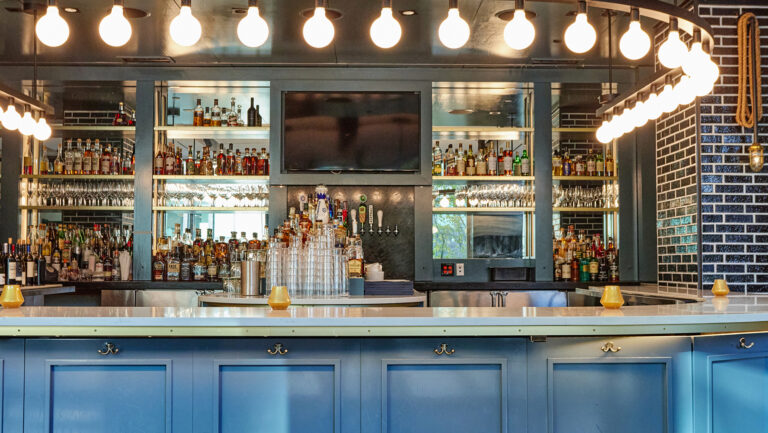
Operators aren’t maximizing their margins if they don’t offer cocktails at different price tiers, and upcharges should correspond to that price tier as well. At Carver Road’s properties, Lafranconi prices cocktails in the $18 to $22 range as a nice middle ground. Still, the top of the ladder can do more work than operators expect if the place draws guests who appreciate it. Cocktails built on allocated bottles at Carversteak run $60 to $70, and Lafranconi says the bar sells around 10 of them on a given night.
“Certain individuals like to come in and spend,” he says. “We have individuals that are more frugal and more sensitive with prices. So we need to provide an offering for them as well if we want that clientele present in our venues.”
The same laddering should apply to upcharges. When building drinks programs, Potts sets a target cost of goods and builds upcharges in tiers against the drink’s price rather than charging one flat premium upcharge. A drink priced between $15 and $20 carries a $3 upgrade. Move up a tier to a drink between $20 and $25, and the upgrade goes to $5 to hold the cost of goods steady. Those tiers—usually about five—are put into the POS system each time a new spirit is added to the bar. However, if the price of ultra-premium spirits goes up by $5 and sales drop by 50 percent, he says, the laddering went too high, so it needs to continuously take sales data into account.
Don’t Overstock the Backbar
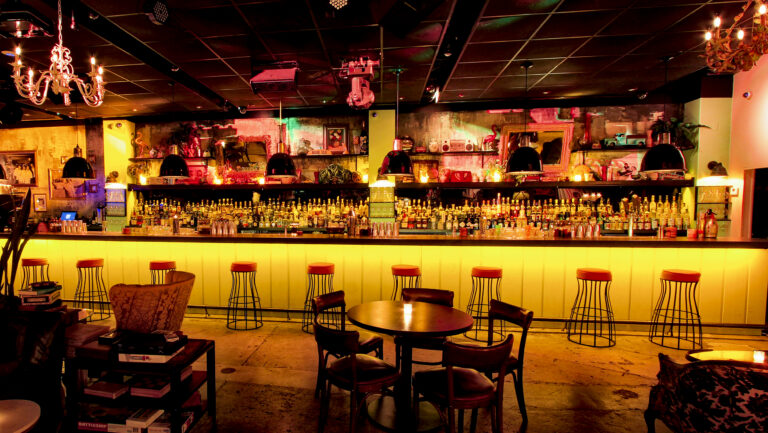
The number of bottles a backbar should hold depends on what the bar is trying to be. Celia Waddington, the CEO and founder of Ignite Creative Services, used to sign off on a 160-bottle backbar. “Now it’s almost selfish if we recommend that many products,” she says. “You have to dial it in to what absolutely makes sense to make those 10 primary cocktails that are volume drivers.”
Lafranconi built the largest by-the-glass vermouth collection in the world at Rosevale Cocktail Room in New York with more than 170 labels. For that high-end concept, it worked. Expectations needed to be clear, however. “We were not able to sell every single vermouth every single time,” he says. “We created quite a big achievement from a commitment and an ego perspective, but we probably rotated around 30, 40 vermouths on any given day.”
The right bottle count ultimately depends on the guests visiting the bar and what they actually order. “Some of the successes that I see are actually some of the dive bars that have gotten really fine-tuned on paring down their offerings,” Haasarud says.

Don’t Waste Your Prime Menu Real Estate
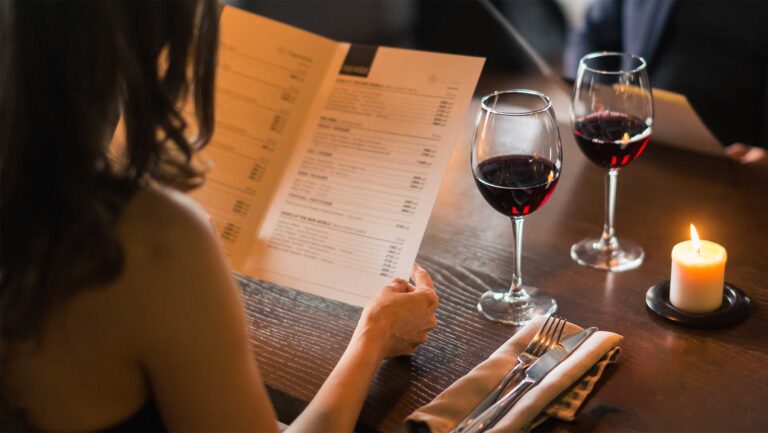
The way that the human eye moves plays as much of a role in menu design as what’s on the menu. People tend to look in a triangle pattern following visual anchors. “So you want to put your highest profit margin cocktails in those specific spots and call them out, because the consumer is naturally going to be drawn to that,” Waddington says.
Photographs help as well. Waddington says Ignite has tested this with large companies and found a few strategic photos elevate orders across an entire section, even in fine dining.
Following these menu design tricks can help move sales to higher-margin drinks. The key is to track what is actually working—to a point. “Data can also be kind of dangerous if you’re not using it right,” Haasarud says. “There is so much information out there that you could find data points you’re looking for to support your bias or support what you want to do.”
Don’t Waste Money on Details Guests Will Never Notice
Hawkins recalls a nightclub that spent $190,000 on an imported floor that took 19 weeks to arrive. When the club opened, the room was so dark no one could see that fancy flooring. What guests do register, he says, often costs less. The sign at the door, the chairs people sit in, the state of the bathroom—Hawkins says these high-visibility touchpoints can shape perceptions of the experience. “If you have three bad touchpoints in a row, you’re going to signal to the guest that this is not going to be a good dining experience,” he says.
What a guest is paying for extends beyond the drink itself. Lafranconi says the room, the seating, and even the drink’s glassware all factor into whether a price feels fair. A guest looking for a luxury experience is looking for the whole package to match. Lafranconi has used $12 stemware for a steakhouse where drinks start at about $20, but at a previous Las Vegas program he used hand-blown glasses that cost $80 and required a glass polisher on staff.
“If the vessel, and the experience, and the comfort of the chair is not directly proportional to the cocktail you’re drinking, then there is the disconnection right there,” Lafranconi says. “It doesn’t matter if you cannot afford to play at a certain league, as long as you deliver the best every day with your available means.”

Dispatch
Sign up for our award-winning newsletter
Don’t miss the latest drinks industry news and insights—delivered to your inbox every week.
Nickolaus Hines is a journalist who writes about beer, spirits, food, and travel. He’s the food and drinks editor at Matador Network and has written about drinks for Liquor.com, Men’s Health, October, Hop Culture, Supercall, and VinePair.