Irish whiskey has long been dominated by a handful of names, but that has changed over the past decade or so. Ireland had just three distilleries in 1987, whereas today there are about 50. What defines Irish whiskey these days is innovation, says Mike Vacheresse, the co-owner of the award-winning Travel Bar in Brooklyn.
“Every range and style is being produced to try and separate themselves from the next distillery, and that’s exciting for consumers,” says Vacheresse. “The days of apple and sourdough flavors in every Irish whiskey are long gone, and now there’s a lot more finishes being used.”
What’s more, consumers actively seek out premium Irish whiskey bottles, Vacheresse adds. That goes for special releases from standby brands like Bushmills as well as newer brands like JJ Corry and Killowen. Distilleries that were on the forefront of the new wave of Irish whiskey distillers, like Dingle, have only grown in quality.
Don’t miss the latest drinks industry news and insights. Sign up for our award-winning newsletters and get insider intel, resources, and trends delivered to your inbox every week.
“Irish whiskey is having a really fun moment right now,” says Hala Shamas, the CEO of Sipsy in Los Angeles. “People still love the classics like Jameson, but there’s a lot more curiosity now around what else is out there. Right now we’re starting to see things that used to be reserved for bourbon and Scotch, like allocation and limited releases, show up in Irish whiskey too.”
“It’s a sign that the category is maturing and that people are starting to collect and seek out Irish whiskey in a more serious way,” Shamas adds.
But the category isn’t immune to broader market forces. “Between the tariffs, trade wars, market manipulation by industry giants, and industry reports that sales are in noticeable decline across all categories, it’s really tough to tell where things are going to go next,” says Maximilian Girardin, the liquor department manager at Hazel’s Beverage World in Boulder, Colorado. “I’m most interested to see how Irish whiskey producers adapt to remain relevant amidst all this turmoil.”
Bacardi’s “2026 Cocktail Trends Report” found 77 percent of consumers care about the region of origin of a spirit. “Guests want to understand what makes one Irish whiskey different from another, from how it’s made to why it tastes the way it does,” says Cory O’Brien-Pniewski, the bar manager at The Dead Rabbit in New York City.
The growth in distilleries means a wide range of styles within the category. Jim Arnoldt, the co-owner of Snug in Indianapolis, describes the difference between Dingle Distillery and Boann Distillery as an example of Irish whiskey’s current contrasts. The former uses traditional methods like wooden mash tuns and a “visceral approach to distilling whiskey,” says Arnoldt. At Boann, which makes The Whistler Irish Whiskeys along with its namesake Boann, “it’s like being on the bridge of the Starship Enterprise” with the latest distilling technology helping in every decision. At the same time, Boann is working with the Irish whiskey historian Fionnán O’Connor to bring back original pot still mash bills.
“There’s an incredible difference in the approach, and yet they both make extraordinary Irish whiskey,” says Arnoldt. “Irish whiskey has a versatility that nothing else has. [Irish distillers] have a long tradition but also flexibility, and from that comes some really great spirits.”
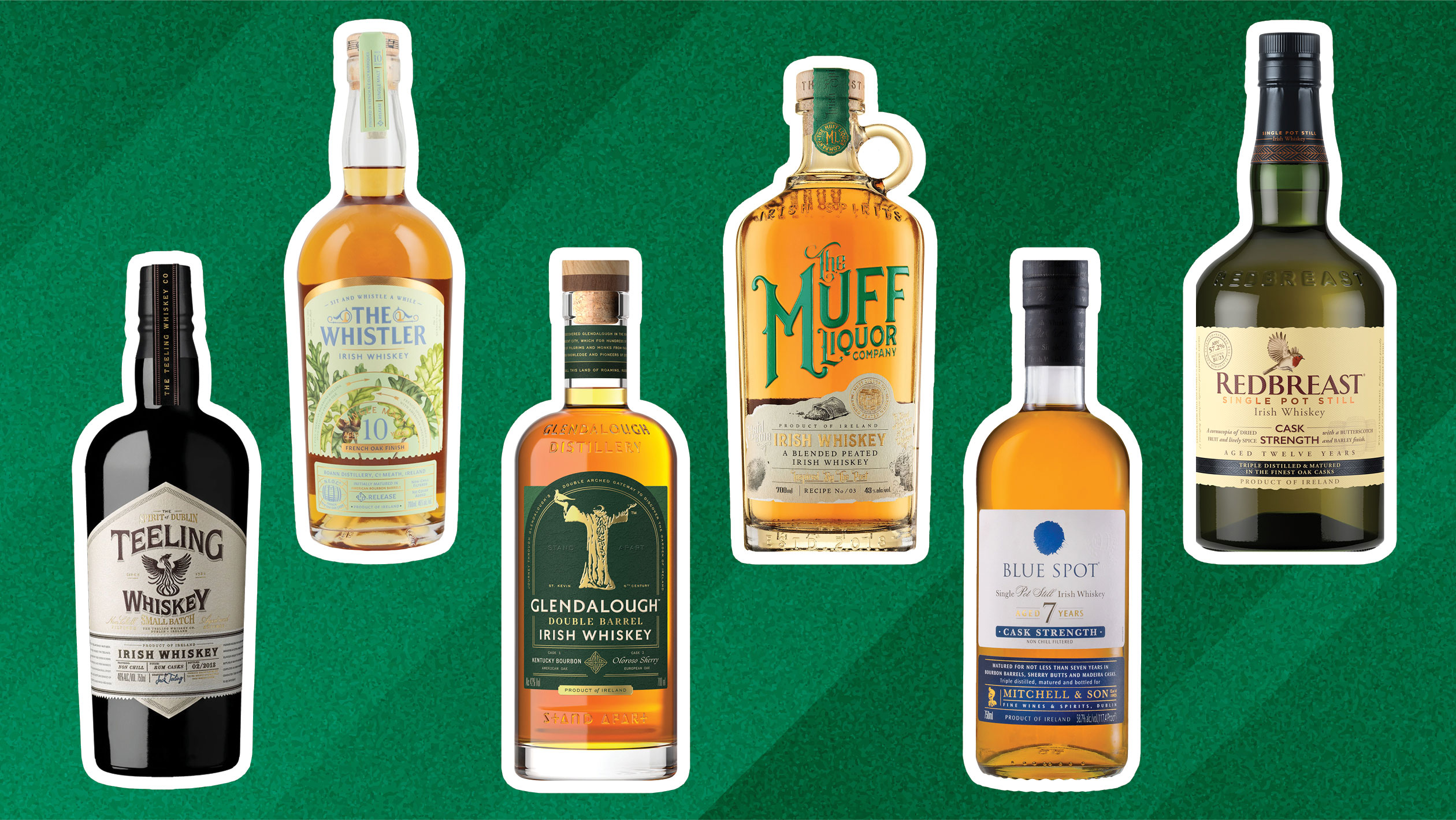
SevenFifty Daily turned to buyers at on- and off-premise businesses across the U.S. to find out which Irish whiskey bottles they’re most excited to stock right now. (All whiskeys are listed with suggested retail price per bottle.)
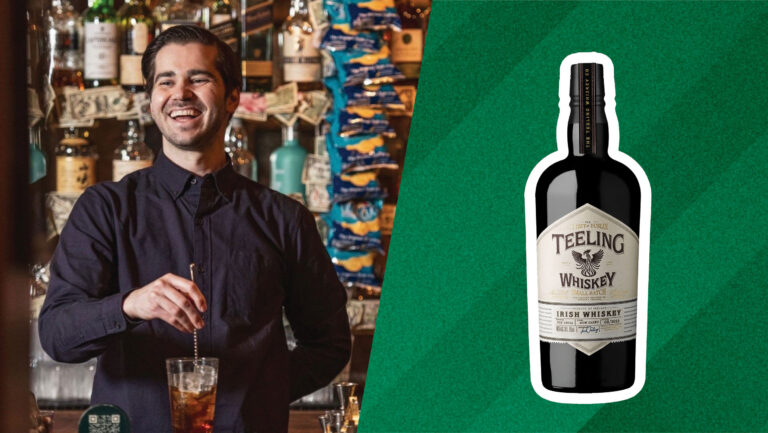
Teeling Small Batch; $35
Selected by Cory O’Brien-Pniewski, bar manager, The Dead Rabbit, New York City
The Dead Rabbit is well known for its Irish whiskey selection for good reason: while the number of SKUs fluctuates, the bar typically has about 130 Irish whiskeys at any given time. That includes rare whiskeys from established distilleries as well as new products from emerging distilleries. The bar’s “tradition meets tomorrow” slogan shines through in the options on the menu. Versatility comes up quickly when asked about the bottles important to a place like Dead Rabbit—particularly whiskey that can be served neat for the aficionados and also hold its own in a cocktail. That put Teeling Small Batch at the top of O’Brien-Pniewski’s list.
“Our Irish Coffee is one of the drinks we’re best known for, so the whiskey that goes into it really matters to us,” says O’Brien-Pniewski. “Teeling Small Batch has become a go-to because it brings warmth, balance, and depth without getting in the way of the drink. The rum cask finish adds a gentle sweetness and roundness that works naturally with coffee and cream, rather than fighting them.”

The Whistler 10-Year-Old French Oak Finish Single Malt; $75
Selected by Jim Arnoldt, co-owner, Snug, Indianapolis, Indiana
Snug has well over 200 Irish whiskey SKUs that Arnoldt built from scratch through travels to Ireland and working directly with brands to help them grow in Indiana. There’s clearly plenty to get excited about in the large collection, and Arnoldt is throwing the inaugural Snug Whiskey Fest in May 2026 to celebrate all things Irish whiskey with special cask releases from Dunville’s Irish Whiskey and other distilleries.
While that bottling will be exclusive to the festival, Arnoldt calls out The Whistler 10-Year-Old French Oak Finish Single Malt. After aging in American oak, it is finished in a French oak barrel from Bordeaux that undergoes the new era oak cask (N.E.O.C) process of scraping and refinishing the cask to give the spirit a fresh layer of oak to mature on. “This whiskey perfectly exemplifies subtle flavors and approachability while remaining impressively affordable,” says Arnoldt. “The use of old French wine casks, rejuvenated by hand-scraping and toasting, imparts delicate fruit notes and a creamy finish.”
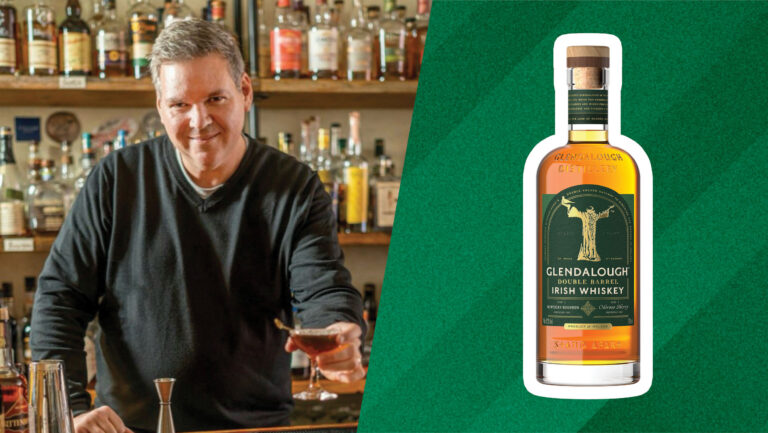
Glendalough Single Grain Double Barrel Irish Whiskey; $35
Selected by Mike Vacheresse, owner, Travel Bar, Brooklyn
Travel Bar has more than 500 whiskeys, about 25 of which are from Ireland. “It’s the bar you walk into and don’t recognize any of the bottles,” says Vacheresse. “The same goes for Irish whiskey,” he adds, calling out “tiny, one-man-operation distilleries” like Killowen and its Rum Raisin SKU. Single grain Irish whiskeys have particularly caught Vacheresse’s eye lately, and a current favorite is Glendalough’s Single Grain Double Barrel Irish Whiskey that’s finished in Oloroso casks. The result is a whiskey with notes of dried fruit, cherry, baking spices, and a touch of sweetness.
“It’s just delicious,” says Vacheresse. “It’s easy to drink and a crowd-pleaser, and I just got to taste the Mizunara cask that I’ll be bringing in as well.”
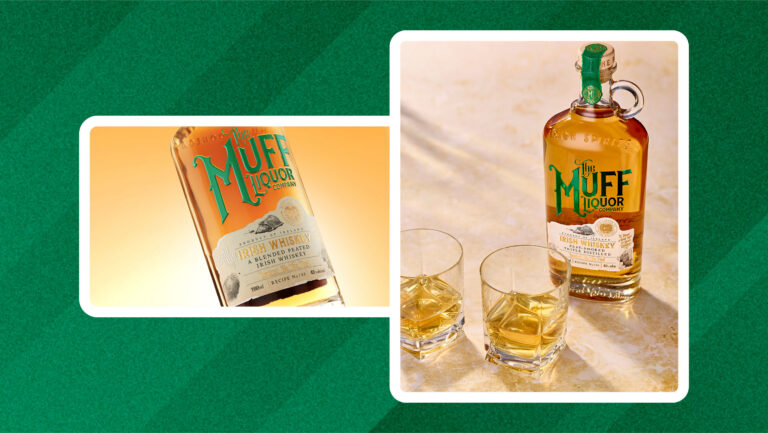
The Muff Liquor Company Irish Whiskey; $38
Selected by Kevin Smith, head bartender, The Library Pub, Omaha, Nebraska
The Library Pub has more than 2,000 whiskeys from hundreds of producers around the world. More than 120 of those SKUs are in the Irish whiskey category. Rare options sit alongside more accessible whiskeys for a customer base that knows their spirits and appreciates serves neat or on the rocks, says Kevin Smith, the head bartender at the family-owned bar.
Smith aims to bring forward bottles that deviate from the major Irish whiskey brands people typically see. For example, the whiskey from The Muff Liquor Company, a blend of grain whiskey aged in ex-bourbon casks and virgin oak, sherry cask aged malt whiskey, double-distilled malt whiskey, and triple-distilled peated malt whiskey. Based in the town of Muff in County Donegal, Muff’s Irish whiskey is reasonably priced “and is on par with the bigger names,” says Smith. “It’s not trying to be anything fancy, but it’s really good in whiskey-forward cocktails and sips nice neat.”
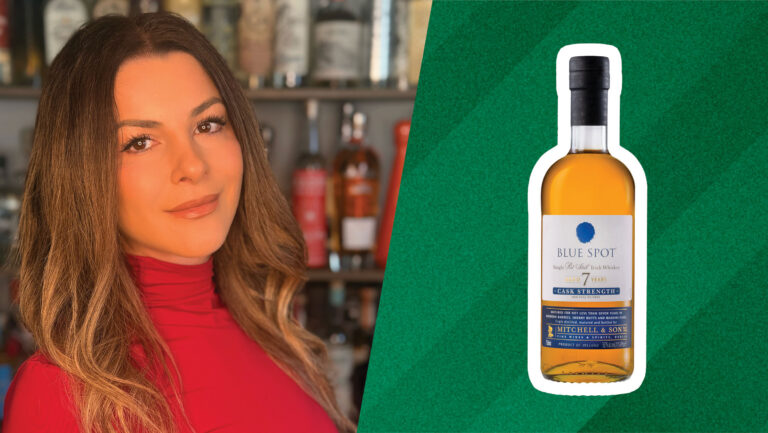
Blue Spot Single Pot Still Irish Whiskey; $130
Selected by Hala Shamas, CEO, Sipsy, Los Angeles
Sipsy keeps a highly curated selection of 20 to 25 Irish whiskey SKUs with an emphasis on small-batch limited releases like Garavogue 20 Year and boutique brands from distillers like Dunbrody. The bottle Shamas is most excited about now, however, is Blue Spot, which was one of the best sellers for Sipsy over the holidays across the whiskey category.
“It’s one of those bottles that really shows how bold and expressive Irish whiskey can be,” says Shamas. “You get layers of fruit, spice, and oak, making it really complex and easy to sip. It’s a great option for people who usually gravitate toward Scotch and are curious to explore Irish whiskey with a little more depth and intensity.”
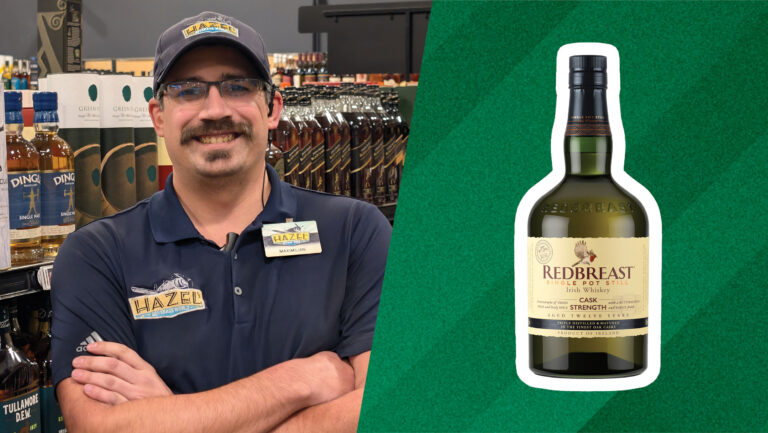
Redbreast 12-Year Cask Strength Single Pot Still; $100
Selected by Maximilian Girardin, liquor department manager, Hazel’s Beverage World, Boulder, Colorado
Hazel’s has 77 Irish whiskey SKUs across 27 brands. The list makes up a relatively small whiskey subcategory compared to single malt Scotch—232 SKUs from 70 brands—at Hazel’s. Hazel’s is one of the highest-volume stores in Colorado, and Girardin has tasted through thousands of spirits in his 12 years at the shop. Girardin calls out that some of the best and most innovative expressions adjacent to the Irish whiskey category in his opinion are being made outside Ireland, like the Japanese Kanosuke Hioki Pot Still and the Irish single pot still style whiskeys made by Colorado’s Talnua.
Of the true Irish whiskeys, Girardin is a fan of Redbreast 12-Year Cask Strength Single Pot Still. “I think it is pound for pound one of the best and most underrated whiskeys on the market that is generally available everywhere,” says Girardin. “While many Irish whiskeys are chasing approachability and smoothness, the Redbreast 12-Year Cask Strength is a bold and complex expression for serious whiskey aficionados.”

Dispatch
Sign up for our award-winning newsletter
Don’t miss the latest drinks industry news and insights—delivered to your inbox every week.
Nickolaus Hines is a journalist who writes about beer, spirits, food, and travel. He’s the food and drinks editor at Matador Network and has written about drinks for Liquor.com, Men’s Health, October, Hop Culture, Supercall, and VinePair.