Despite the overall stagnation of the spirits industry of late, the market for tequila in the U.S. is expected to grow significantly over the next decade, from $13.1 billion in 2026 to $20.92 billion in 2034, according to Fortune Business Insights, at a compound annual growth rate of 6.03 percent, reaching consumers at every price point from budget options to super-premium brands.
In the immediate term, the Margarita is anticipated to be the top global cocktail call this year, as indicated by Bacardi’s 2026 Cocktail Trends Report. With great popularity comes great responsibility, however, especially in an industry whose very nature presents a sustainability challenge.
“Agave takes years to mature, and how producers treat the land today directly impacts the future of the category,” says Lou Bernard, the beverage director of MITA in Washington D.C. “Buyers are paying closer attention to brands that are thinking long term, not just in quality, but in how they support the ecosystems and communities behind the spirit,” he says.
Don’t miss the latest drinks industry news and insights. Sign up for our award-winning newsletters and get insider intel, resources, and trends delivered to your inbox every week.
True sustainability in the tequila industry necessarily takes a holistic approach, looking across various aspects of production and distribution. “[The best producers are] utilizing only mature agave, practicing soil regeneration and crop cycling, repurposing agave byproducts, and eschewing additives,” says Joseph Arakawa, the corporate beverage director of EDO Hospitality in Las Vegas. “Couple that with conscious packaging utilizing recycled material, supporting farmers and communities, and paying fair wages.”
“Guests are becoming more aware of all of this,” says Bernard, “and they want to support producers who are doing things the right way,” especially when those efforts also result in superior products.
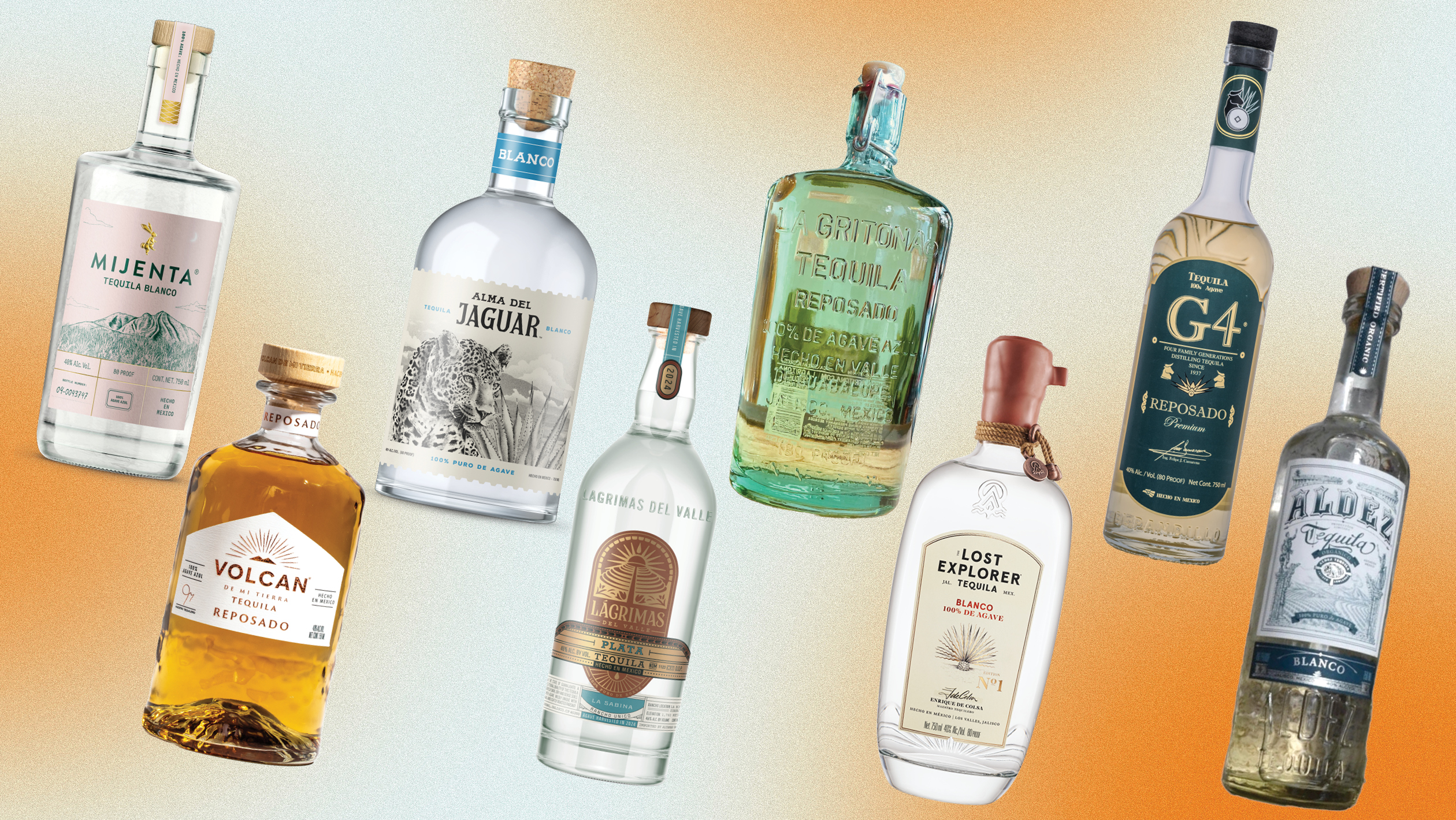
SevenFifty Daily asked retailers and beverage directors to suggest bottles they’re happy to recommend not only for flavor and versatility, but also for their demonstrable commitment to sustainability. (All tequilas are listed with suggested retail price per bottle.)
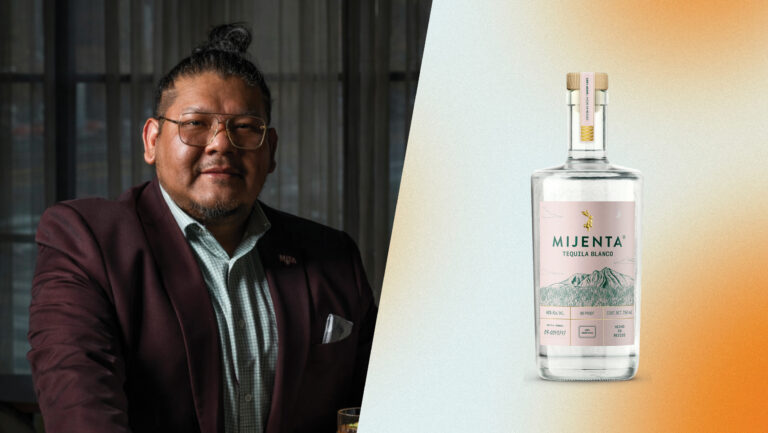
Mijenta Blanco; $49
Selected by Lou Bernard, beverage director, MITA, Washington, D.C.
It is fitting for a Michelin-starred, plant-based establishment to strongly prioritize sourcing across the menu, including beverages. “Mijenta is a good fit for MITA,” says Bernard. “Their commitment to sustainability is across the board, from responsible agave sourcing to thoughtful production and packaging.” The brand has also achieved B-Corp certification, and carbon neutrality as of 2023.
“We use Mijenta Blanco in cocktails where we want the agave to shine,” says Bernard, “but it’s also something I’m always comfortable recommending neat to guests who want to explore tequila more deeply. It has a clean, expressive profile with cooked agave, citrus, and a touch of minerality, which makes it incredibly versatile behind the bar.”
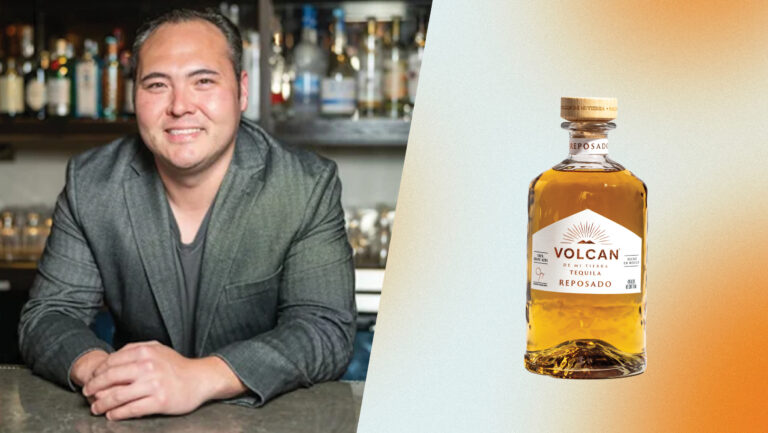
Volcán de Mi Tierra Reposado; $65
Selected by Joseph Arakawa, corporate beverage director, EDO Hospitality, Las Vegas
Representing several Las Vegas establishments with cocktail-forward menus, “my choice for a sustainable tequila is going to be Volcán de Mi Tierra,” says Arakawa. “The brand checks all of the boxes that we look for,” he says, as he outlined above, “and also blends both highland and lowland agave.”
As for flavor and nuance, “their entire lineup exudes agave, with the reposado utilizing French oak to emphasize natural flavors,” he says. He likes to recommend it to drinkers that tend to consume mass-produced tequila “because it naturally has a bit more of that vanilla and oak influence, which is crucial for those who may typically consume tequilas with additives such as vanilla extract, caramel coloring, or glycerin. It serves as a bridge for those individuals and a good educational point to showcase how it is done naturally versus artificially.”
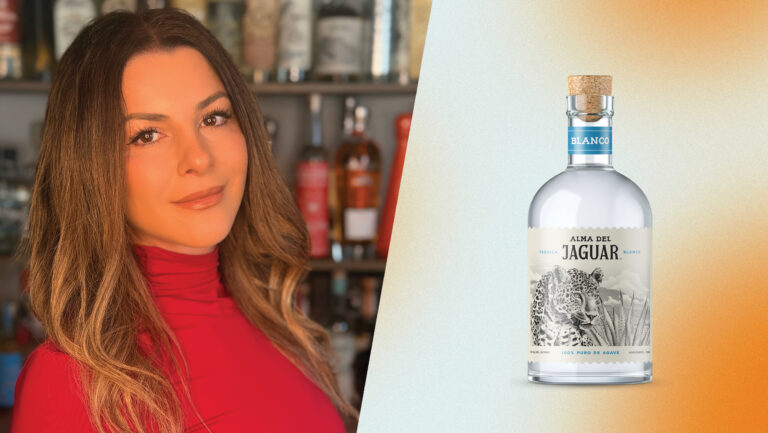
Alma del Jaguar Blanco; $50
Selected by Hala Shamas, CEO, Sipsy, Los Angeles
Sipsy’s tequila selection is expansive, with almost 400 SKUs in the lineup. CEO Hala Shamas was hard-pressed to choose just one, however, she ultimately put her stamp on Alma del Jaguar Blanco. “This is one of my favorite bottles to recommend because its commitment to sustainability is truly comprehensive,” she says. “From 100 percent recycled Mexican glass bottles and agave fiber labels, repurposed cork closures and recycled cardboard cartons—all of which are sourced within 85 miles of the distillery—to donating 10 percent of every sale to wild jaguar habitat conservation, every detail is intentional.”
Naturally, it’s also delicious and versatile. “This is an additive-free tequila with a bright and approachable flavor profile featuring hints of black pepper, tropical fruit, and clean minerality,” she says. “It sips beautifully neat and works just as well in a cocktail, which is exactly what we look for.”
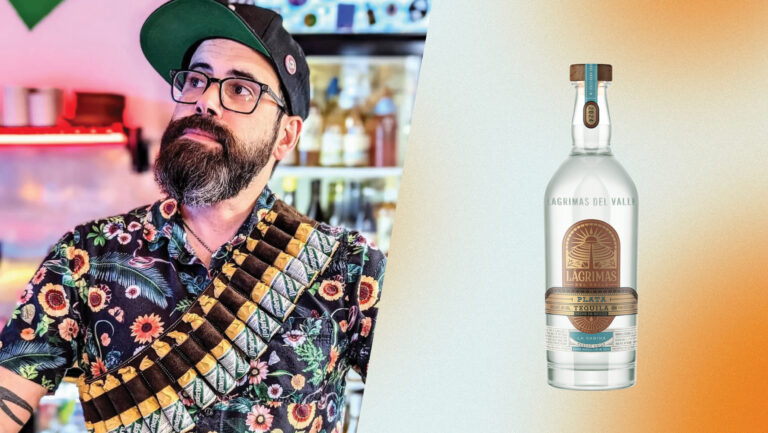
Lagrimas del Valle 2024 La Sabina Plata Reposado; $65
Selected by Arturo Vera-Felicie, bar manager, 1587 Prime, Kansas City, Missouri
“With a great spirit, one should taste every decision-making aspect of its production, but there is something truly special about a spirit that allows you to taste the land where it was grown and produced,” says bar manager Arturo Vera-Felicie of Kansas City’s 1587 Prime. “I brought the Lagrimas on specifically to showcase an additive-free tequila that expresses more terroir than oak,” he says. “Though most neat tequila drinkers tend to prefer oakier aged expressions, having something that has a lighter hand in aging doesn’t just help create a well-rounded backbar, but also allows me to take more adventurous drinkers on a journey.”
“La Sabina Plata is clean and crisp, with some green vegetable notes in the front with nice salinity and acidity in the back palate,” says Vera-Felicie. “It’s peppery in the finish, but more of white pepper.” Beyond its flavor, “I love the philosophy behind Lagrimas,” he says. “And not just the sustainability of agricultural practices, but also cultural sustainability as well: giving back to the community where Lagrimas is made, including job creation, promotion and protection of cultural sites, and the use of traditional production methods over more modern processes.”
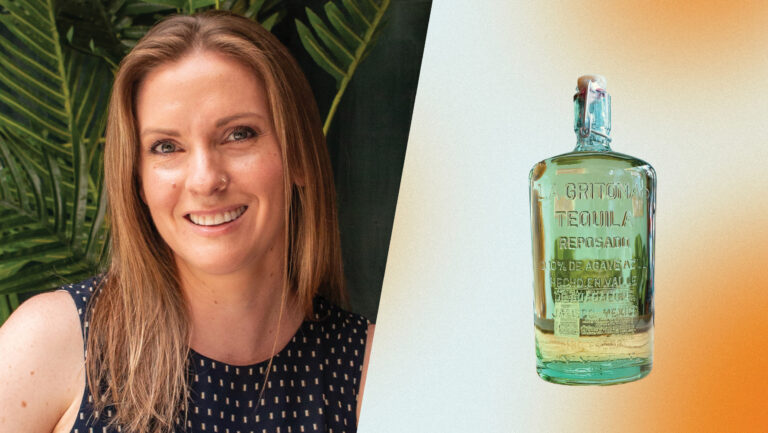
La Gritona Reposado; $40
Selected by Jordan Sotelo, beverage director, Diego Restaurant y Bar, Chicago
Authenticity is the ethos behind all aspects of Chicago’s Mexican street-food inspired Diego, including its tequila selection. Beverage director Jordyn Sotelo prizes La Gritona Tequila Reposado for its many sustainable initiatives similar to those previously described, in addition to utilizing hand-blown, recycled glass and repurposing leftover agave fibers into cattle feed. Its sustainability mindset also includes a social aspect: supporting women in the tequila industry.
“La Gritona is distilled by an all-female team, lead by Melly Barajas, one of the only female distillery owners in Jalisco,” says Sotelo, noting that Barajas employs women to work in every step of production, including as jimadoras, technicians, and distillers. “Within Diego’s beverage program, it fits seamlessly into our philosophy of intentionally sourcing tequilas that tell a story, respect the land, and taste just as good as they feel to serve. [La Gritona Reposado] is bright and clean with soft, subtle spice and a natural sweetness that never feels overworked. It’s incredibly versatile behind the bar, as it elevates a simple Margarita but is nuanced enough to sip neat or in spirit-forward cocktails.”
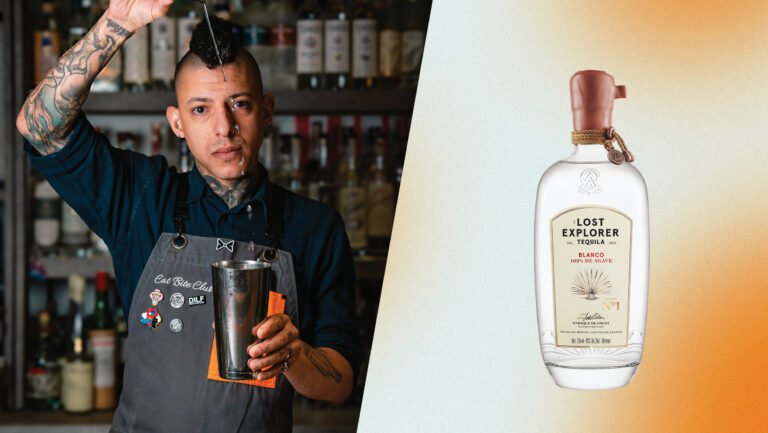
The Lost Explorer Blanco; $50
Selected by Gabriel Lowe, founding partner, Cat Bite Club, Singapore
Singapore’s Cat Bite Club features a menu which represents a “playful collision of agave and rice spirits,” according to its founding partner, Gabriel Lowe. Overseeing Singapore’s deepest agave selection under one roof, Lowe supports The Lost Explorer. “The Lost Explorer Blanco is a strong example of quality and sustainability aligning in a meaningful way,” he says. “It is bright, clean, and mineral-driven, with citrus, herbal, and lightly spiced notes. That profile makes it highly versatile behind the bar. It works in a simple highball or Margarita, while still holding its own served neat where the purity of the agave really shows.”
From a sustainability perspective, as with all of the tequilas listed here, the brand’s approach is holistic. “They support regenerative agriculture by replanting multiple agave plants for every one harvested and allowing the plants to fully mature before production,” says Lowe. “Their packaging reflects the same thinking, with bottles made from over 50 percent recycled glass, and finished with biodegradable wax sourced from local communities. Production is kept local, supporting regional economies while reducing transport impact.”
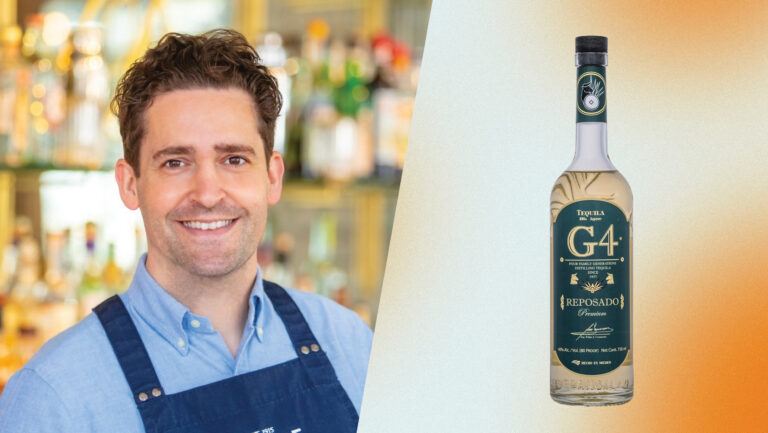
G4 de Madera Reposado 2024; $300
Selected by Chris Moore, director of beverage, Jean-Georges Restaurants, New York City
As the director of beverage across Jean-Georges restaurants, Chris Moore offers a luxury tequila selection that also stresses sustainability: G4 de Madera Reposado. (G4 stands for the fourth generation of its maker, master distiller Felipe Camarana.)
“Their green credentials are completely legitimate, from using entirely closed-loop production to using rainwater in distillation, and the flavor profile is exceptional,” says Moore. “My favorite is the de Madera Reposado, which is a limited release each year for Día de Muertos. I love to drink it as a sangrita: a small, spicy, fruity chaser that acts as a palate cleanser and enhances the rich, complex nature of the tequila.”
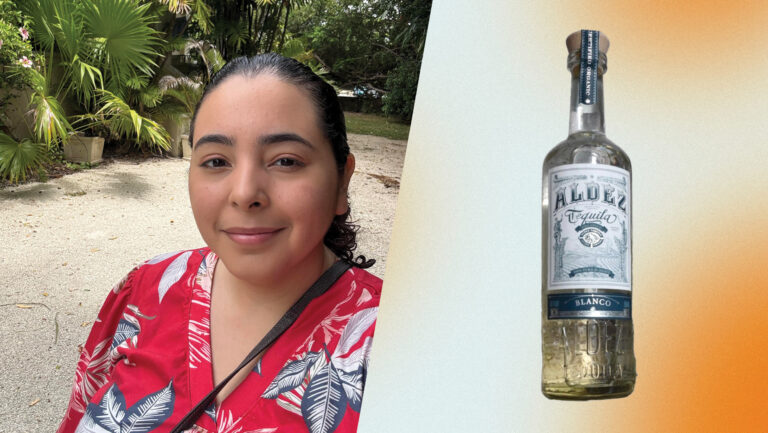
Aldez Blanco; $53
Selected by Linda Nivar, general manager, Tiki Chick, New York City
With an extensive, seasonally rotating menu of tropical cocktails, general manager Linda Nivar of Tiki Chick employs Aldez Blanco for a prickly pear Margarita variation. “The Margarita includes a chipotle tincture for a spicy kick, and Aldez brings black pepper and cooked agave to emphasize both the spice and fruit in the drink for a balanced, refreshing cocktail.”
“For me, Aldez embodies [the idea of] soil to seal,” she says. “They utilize hand-selected agaves from a single estate. In addition to being certified organic, the artisanal brand also uses recycled glass, labels, and corks.”

Dispatch
Sign up for our award-winning newsletter
Don’t miss the latest drinks industry news and insights—delivered to your inbox every week.
Pamela Vachon is a freelance writer whose work on food, beverages, travel, and especially the intersection of those elements has appeared in Food & Wine, Wine Enthusiast, Travel & Leisure, VinePair, and Bon Appétit, among others. She was formerly a bartender and captain at New York’s The Modern, and teaches classes at Murray’s Cheese. She splits her time between London, New York, and Castlerea, Ireland, where she hopes one day to make cheese.