The vast majority of wine is drunk upon release, rather than held back and aged in a consumer’s cellar. This is true for most restaurants and retailers as well, given storage and cost limitations—after all, as long as a wine is sitting in inventory, it isn’t driving revenue for the beverage program.
But many wine professionals, not to mention the most devoted of consumers, are building collections of their own, whether that’s in a dedicated cellar or tucked away in an 18-bottle wine fridge. Others are carving out space to hold back a few current-release bottles for their wine programs, hoping to draw guests looking for high-quality, back-vintage wines.
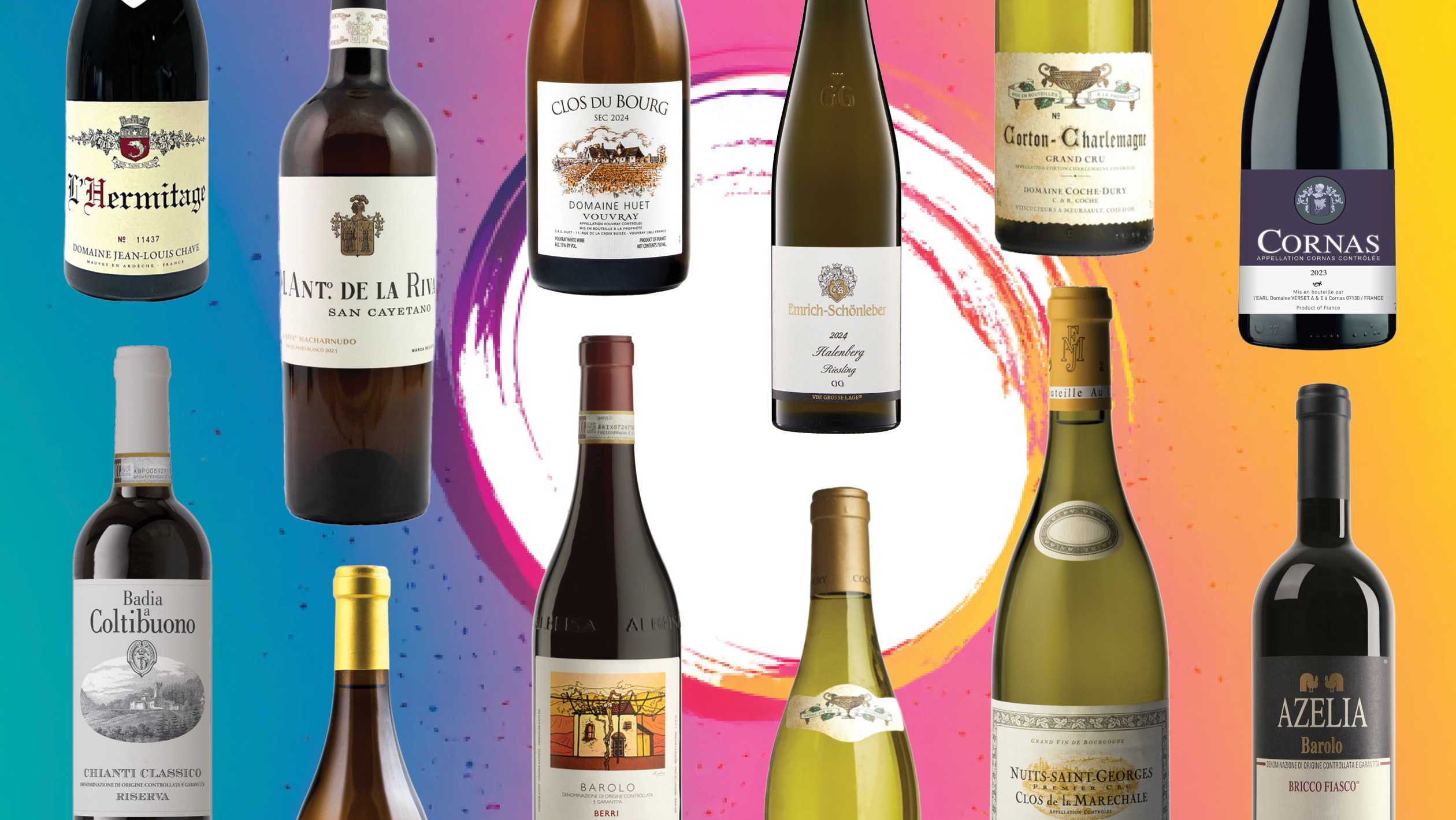
That made us wonder—what do top sommeliers, beverage directors, and wine buyers recommend adding to a wine collection for aging? And what do they personally have stashed away? SevenFifty Daily asked 10 of them to name their favorite cellar-worthy wines of the moment. (All wines are listed with suggested retail price per bottle.)

Don’t miss the latest drinks industry news and insights. Sign up for our award-winning newsletters and get insider intel, resources, and trends delivered to your inbox every week.
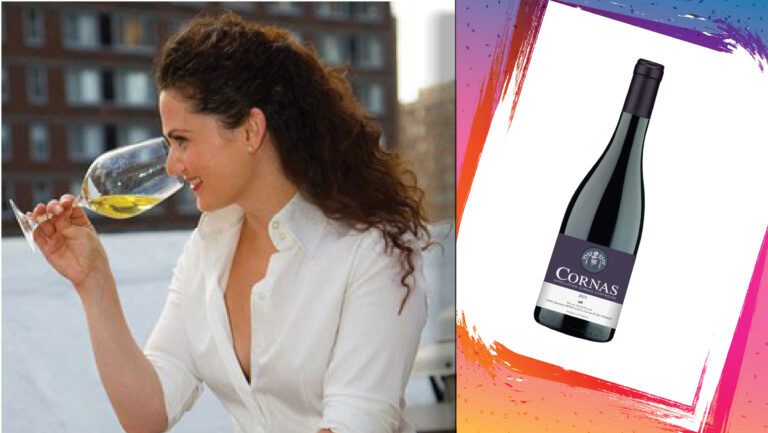
Domaine Verset A&E Cornas 2022, Rhône Valley, France; $58
Selected by Kristie Petrullo, owner, Scarsdale Wine Merchants, Scarsdale, New York
The northern Rhône has no shortage of cellar-worthy wines, from Côte-Rôtie to Hermitage, and the Syrahs of Cornas are certainly among them. “To me, wines from Cornas have the advantage of being really expressive at a young age,” says Kristie Petrullo, the owner of Scarsdale Wine Merchants in New York’s Westchester County, who says she would fill her cellar with Cornas if she could. “This is both a blessing and a curse because one who has the patience to cellar it is rewarded thoroughly, but all too often the corks get popped too soon.”
Sixth-generation vintner Emmanuelle Verset crafts her flagship Cornas according to the traditional methods of her father and great-uncle, including whole-cluster fermentation and old oak aging, but has introduced organic viticulture during her time at the helm. “2022 was a complex vintage, but one that I feel will age well,” says Petrullo. “After five to 10 years of aging, the dark primary fruit develops an ethereal purity and the meatiness starts shining through.”
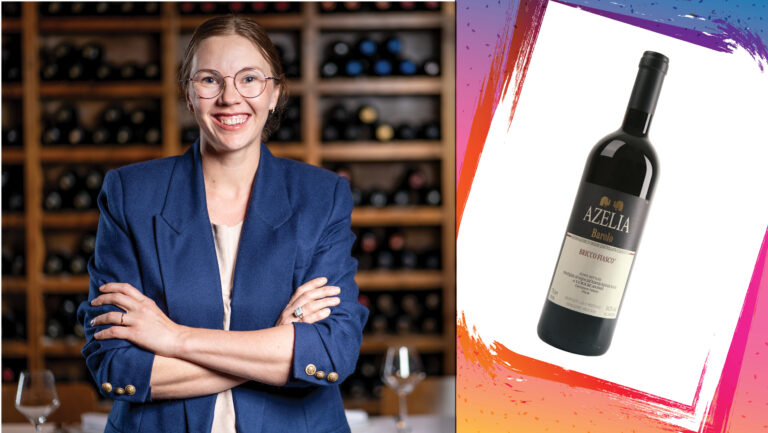
Azelia ‘Bricco Fiasco’ Barolo 2021, Piedmont, Italy; $110
Selected by Erin Lindstone, sommelier, Barolo Grill, Denver
For Erin Lindstone, a sommelier at Barolo Grill in Denver, it’s unquestionable that Barolo, of course, must be included in any wine collection. But it’s Azelia’s Bricco Fiasco Barolo that stands out in particular, particularly after Lindstone visited the winery during Barolo Grill’s annual staff trip.
“We were blown away by this wine,” she says, noting that the Bricco Fiasco cru was planted by winemaker Lorenzo Scavino’s grandfather in 1940. The winery is “hugely dedicated to protecting their old vines” at the top of this warm, steep hill in Castiglione Falletto. “2021 was an epic vintage and will absolutely go the distance and reward the patience of anyone willing to lay them down with incredible complexity,” says Lindstone.

Badia a Coltibuono Chianti Classico Riserva 2020, Tuscany, Italy; $38
Selected by Rylan Bonaccorsi, lead sommelier, Tavernetta Vail, Vail, Colorado
At the latest outpost of Denver restaurant Tavernetta, which opened in the Four Seasons Vail last December, no corner of Italy is left unturned on the wine list. But even though some of the country’s heaviest hitters are in the cellar—think Barolo from Giacomo Conterno or Brunello di Montalcino from Biondi Santi—lead sommelier Rylan Bonaccorsi emphasizes that a wine need not be expensive to be worth aging.
“No wine rewards patient cellaring at such an approachable price point as Chianti Classico,” says Bonaccorsi. He recommends adding the 2020 Badia a Coltibuono Chianti Classico Riserva to a collection, noting that it gets better with time. “At 10 to 15 years [of age], they are just coming into form, mixing elegance, structure, and heavenly woodsy, foresty aromas on par with Piedmont and Burgundy.”
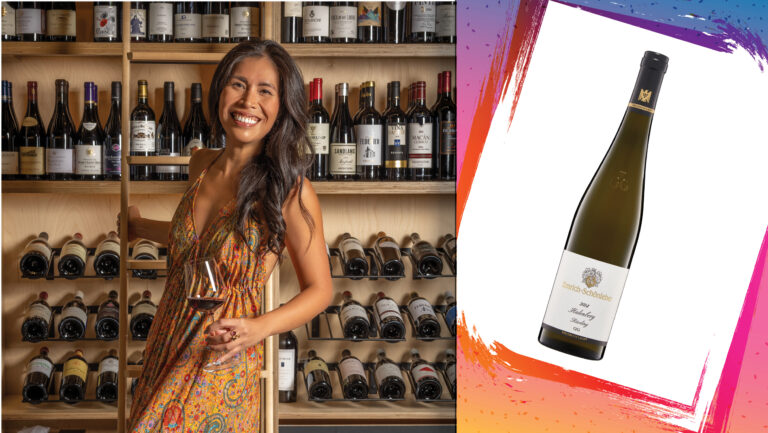
Emrich-Schönleber ‘Halenberg’ GG 2024, Nahe, Germany; $110
Selected by Paula de Pano, owner, Rocks and Acid Wine Shop, Chapel Hill, North Carolina
“Riesling has to be the most overlooked cellarable wine for me out of the classic grapes of the world,” says Paula de Pano, the owner of Rocks and Acid in Chapel Hill, North Carolina. When looking for one that will last the test of aging, de Pano looks to high-quality German vineyards such as Halenberg, a Grosse Lage site in the northern Nahe where steep, south- to southwest-facing slopes and blue-grey slate soils create wines with power and weight.
“[Current-release Grosses Gewächs] are literally painful to consume young,” says de Pano, pointing to their enamel-stripping acidity. “It’s that same acidity that bolsters the wine’s ability to age for decades, mellowing out over the years and coaxing out richer flavors that balance out its initial acidic attack.” As one of Germany’s greatest dry Rieslings, the Emrich-Schönleber ‘Halenberg’ GG only gets better over time; de Pano recently opened a bottle of 2011 to remind her of the rewards of staying patient.
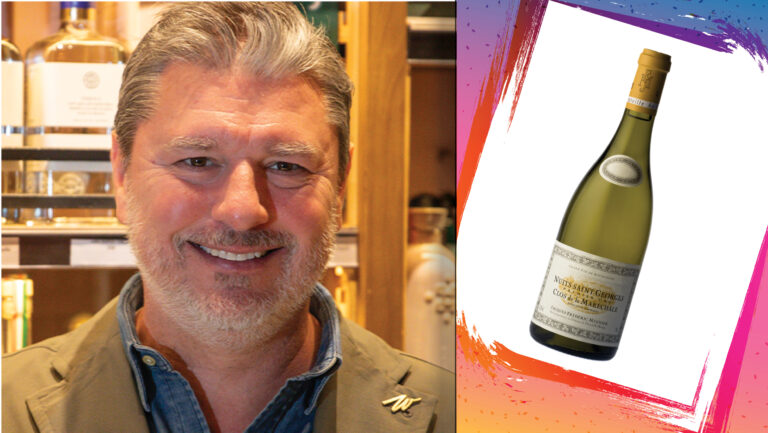
J.F. Mugnier ‘Clos de la Maréchale’ Nuits-Saint-Georges Premier Cru 2022, Burgundy, France; $160
Selected by Phillip Dunn, director of spirits and wine buyer, Wally’s Wine & Spirits, Los Angeles
Jacques-Frédéric Mugnier has become one of the most sought-after names in Burgundy over the last two decades, primarily for his Chambolle-Musigny cuvées. But Mugnier also crafts a red and white in Nuits-Saint-Georges, both from this stone-walled premier cru monopole, which has been owned by the Mugnier family for over a century and was under a long-term lease to Domaine Faiveley until 2004.
“For collectors seeking a bottle that bridges power and elegance, this is a thoughtful investment with rewarding aging potential,” says Phillip Dunn, the director of spirits and wine buyer at Wally’s Wine & Spirits in Los Angeles, of the red Clos de la Maréchale. While it’s approachable now, the “dense, structured profile will beautifully evolve with time,” he says. Those who add the 2022 vintage to their collections now should check back in with the wine between 2030 and 2040.

Domaine Huet ‘Clos du Bourg’ Vouvray Sec 2024, Loire Valley, France; $48
Selected by Pria Parsad, sommelier, Crane Club, New York City
“Time does not make a fool of Chenin Blanc,” says Pria Parsad, the sommelier at Crane Club in New York City, a luxe restaurant with an equally upscale wine list. While Parsad sells some of the world’s most famous wines at Crane Club, many of which have four-figure price tags, it’s this more accessible Vouvray Sec from Domaine Huet that she would recommend adding to a collection.
“After just a few years of bottle aging, the headstrong notes of youth resolve into a gentle but laser-focused bouquet of white peach, saffron, and honeysuckle,” says Parsad of the Clos de Bourg, which is a powerful wine from one of Vouvray’s greatest vineyards. For those who have strong willpower, she recommends waiting a decade before checking in on it.
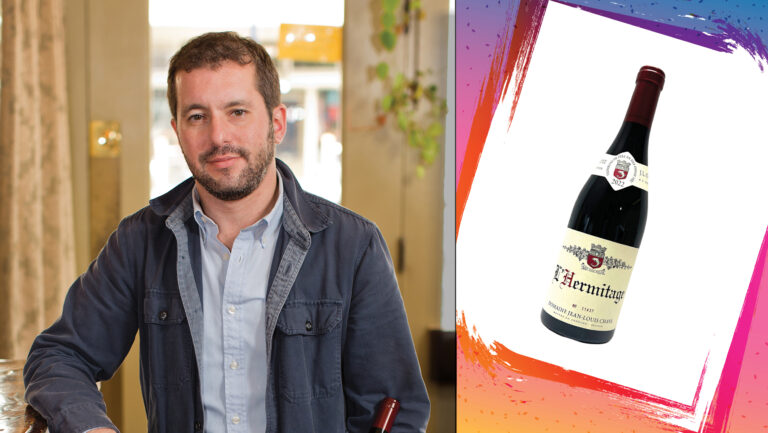
Jean-Louis Chave Hermitage 2022, Rhône Valley, France; $350
Selected by Andy Fortgang, co-owner and wine director, Canard, Le Pigeon, and Flor Wines, Portland, Oregon
“Jean-Louis Chave‘s iconic Hermitage bottling is, without a doubt, a great candidate for your cellar in nearly every vintage,” says Fortgang. As the benchmark wine from Hermitage, this Syrah is crafted to age, primarily hailing from the granite slopes of the Bessards vineyard.
While Chave’s Hermitage is not inexpensive, Fortgang notes that it represents great value when compared to the top wines of equally lauded regions like Vosne-Romanée or the Côtes des Blancs. “When you compare the long cellar life, complexity, and deliciousness, of course, of this wine, few can compete,” he says, noting that over time, the fruit mellows to give way to notes of smoke, meat, and forest floor.
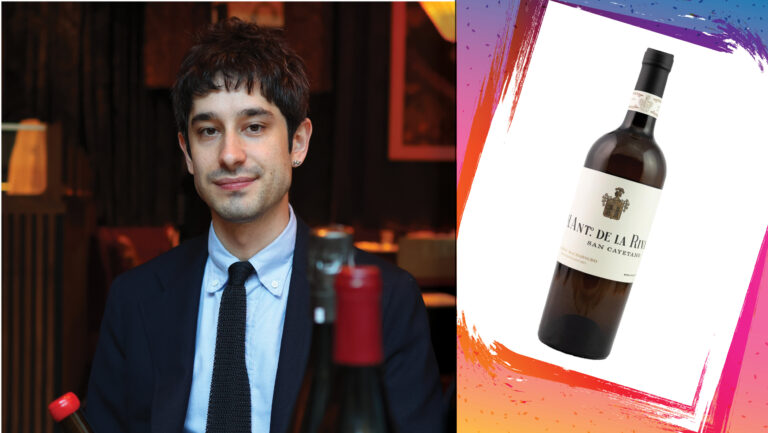
M. Antonio de la Riva ‘Macharnudo San Cayetano’ 2022, Jerez, Spain; $65
Selected by Alex Potter, sommelier, Zaytinya, New York City
While Jerez is known for its sherries, a new wave of unfortified wines is catching the attention of buyers like Alex Potter, a sommelier at Zaytinya in New York City. He personally has a few bottles of M. Antonio de la Riva ‘Macharnudo San Cayetano’ stashed away for aging, which comes from a historic, higher-elevation vineyard zone. “Wine has been made here for thousands of years, and as recently as a couple hundred years ago, wines from Macharnudo were amongst Europe’s most valuable and sought after,” says Potter.
The brainchild of two of the region’s innovators, Ramiro Ibañez and Willy Pérez, the de la Riva project aims to revive a historic Jerez bodega and produce the style of wines that might have been made there over a century ago. “While not a variety with a lot of natural acidity, Palomino has lasting sapidity and the capacity to age,” says Potter, noting that he expects the wine to pick up rounder orchard fruit and more notes of fenugreek.
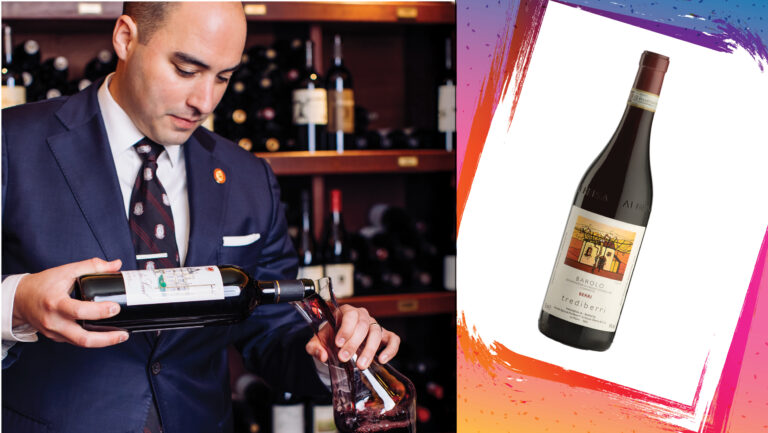
Trediberri ‘Berri’ Barolo 2020, Piedmont, Italy; $60
Selected by Steven McDonald, MS, executive wine director, Pappas Bros. Steakhouse, Houston and Dallas
The wine lists at the three Pappas Bros. Steakhouse locations in Houston and Dallas have no shortage of back-vintage wines for guests to pore over, many of them from well-known regions. “I am looking at classic appellations like Barolo and Barbaresco to stash away for long-term aging or investment,” says executive wine director Steven McDonald, MS, noting that these Nebbiolos are built for aging. “It’s a fun area to collect because the region is really flourishing and some great winemaking is happening.”
One of the wineries bringing new energy to Piedmont is Trediberri, which was founded by three partners less than 20 years ago. “The wines have remarkable freshness and aromatics—classic La Morra style,” says McDonald, who calls the Berri Barolo one of the best values in the appellation. “They are wines that can be enjoyed young for their energy and life and also evolve beautifully because of remarkable, silky tannins and bright acidity.”
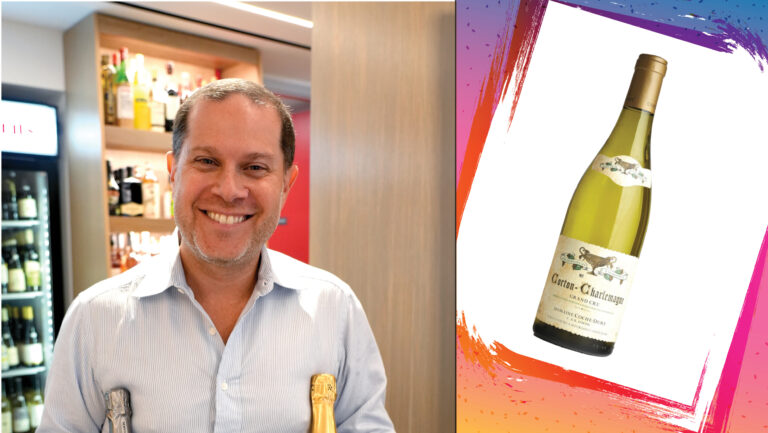
Coche-Dury Corton-Charlemagne 2016, Burgundy, France; $4,800
Selected by Daniel Mesznik, owner, McCabes Wine and Spirits, New York City
Domaine Coche-Dury holds almost mythical status among wine professionals, best known for its legendary Meursaults. But winemaker Raphaël Coche, the son of domaine founder Jean-François, also produces this Grand Cru wine from Corton-Charlemagne, aged for 18 to 22 months in 25 percent new barrels.
“It’s a unicorn,” says Daniel Mesznik, the owner of McCabes Wine and Spirits in New York City, which recently reopened after undergoing an extensive renovation. Coche-Dury’s Corton-Charlemagne plot is just a third of a hectare, making production miniscule. “There’s something like 12 bottles in the market, and I think we sold through half of them,” adds Mesznik.

Dispatch
Sign up for our award-winning newsletter
Don’t miss the latest drinks industry news and insights—delivered to your inbox every week.
Courtney Schiessl Magrini is the editor-in-chief for SevenFifty Daily and the Beverage Media Group publications. She has held sommelier positions at some of New York’s top restaurants, including Marta, Dirty French, and Terroir, and her work has appeared in Wine Enthusiast, GuildSomm, Forbes.com, VinePair, EatingWell Magazine, and more. She holds the WSET Diploma in Wines. Follow her on Instagram at @takeittocourt.