For many drinkers, Campari and Aperol are the gateway to the rich and diverse world of bitter Italian herbal liqueurs. The category was once most associated with an after-dinner digestif while on vacation in Italy, but the U.S. embrace of European drinking culture changed amaro’s fortunes, later galvanized by the craze for spritzes, among other low-proof cocktails. American palates have also shifted, with seasoned drinkers developing a new taste for bitterness.
These days most bars and restaurants will carry at least a few options from the stable of classic Italian brands, some to serve chilled and neat, as per tradition, and others to use in cocktails. But the amaro shelf is now crowded with new and interesting craft options, many hailing from the U.S. and beyond. As James Lindbloom, the director of beverage and special events at the Sternewirth, San Antonio, Texas, says, “We view the category as a bartender’s version of salt, essential for balance, depth, and nuance.”
SevenFifty Daily spoke to bartenders around the country about the amari they’re most excited to stock on their backbars. (All amari are listed with the suggested retail price per bottle).
Don’t miss the latest drinks industry news and insights. Sign up for our award-winning newsletters and get insider intel, resources, and trends delivered to your inbox every week.
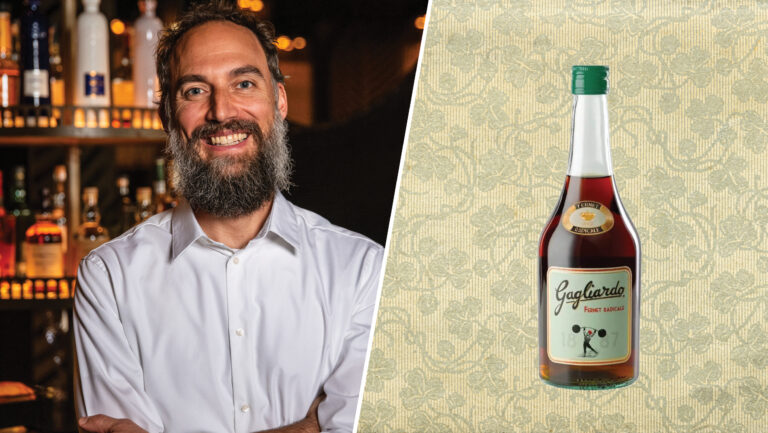
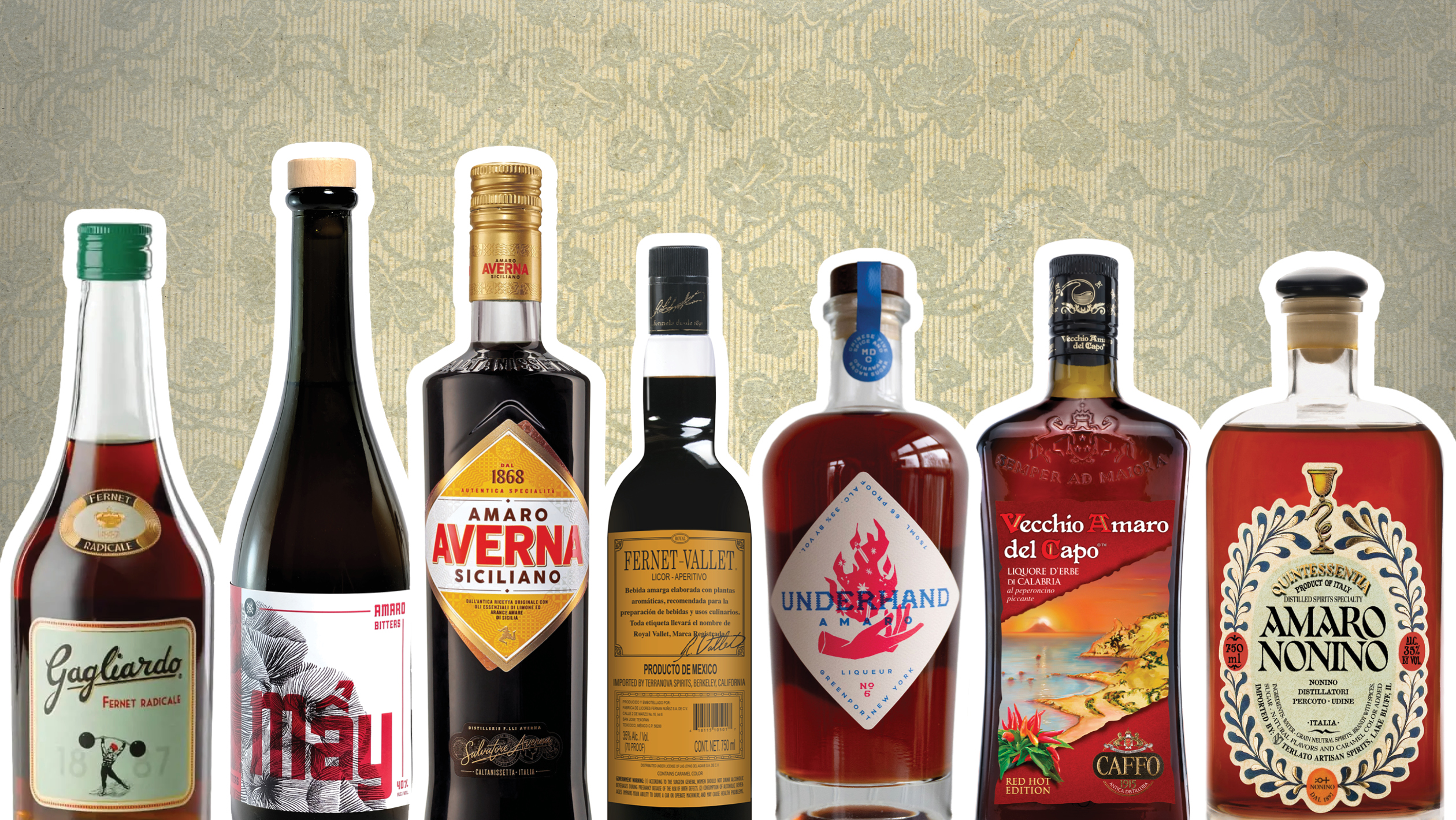
Gajàrdo Fernet Radicale, Veneto, Italy; $30
Selected by Kyle Davidson, beverage director, Bar Tutto, Chicago
At Chicago’s Bar Tutto, the latest opening from chef Joe Flamm, there is an entire section of the menu dedicated to modifying the iconic fernet and Coke highball. It’s little wonder then that beverage director Kyle Davidson chose to spotlight a fernet: the Gajàrdo Fernet Radicale, which launched in 2014 and is produced by a fifth-generation distillery near Vicenza, Italy.
“It is made by an established grappa house looking to enter the amaro/liqueur market, and the quality of the base distillate shows,” says Davidson. “The herbs are layered gently and emphasize the minty cooling sensation, which I find more refreshing than bitter, making it a good entry fernet for those not accustomed to the level of bitterness they can bring.”
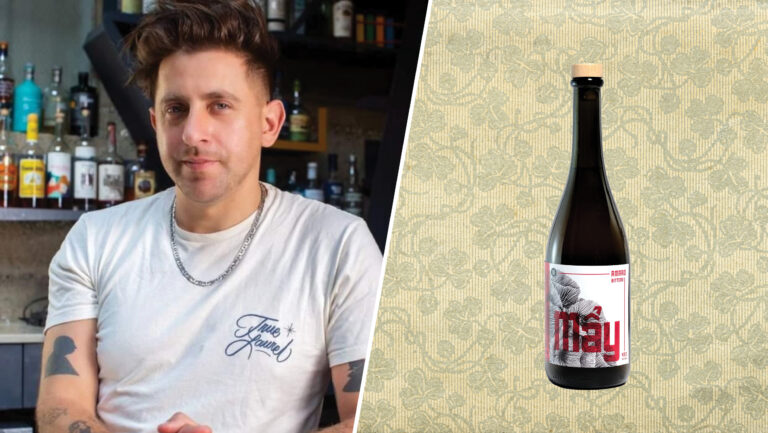
Mẩy, Vietnam; $42
Selected by Nicolas Torres, bar director and owner, True Laurel, San Francisco
At True Laurel in San Francisco, bar director and owner Nicolas Torres is most excited about Mẩy. In a departure from Italian and European styles, Mẩy is a collaboration between Vietnam’s Sông Cái Distillery and Lý Lở Mẩy, a Red Dao medicine woman whose work is rooted in traditional herbal knowledge.
“Mẩy is boldly bitter, making it a great digestif, but it also has a really nice earthiness and a gentle smokiness—somewhere in the realm of a sfumato, though it very much stands on its own,” says Torres. Featuring 14 wild forest botanicals, the smokiness comes from lapsang souchong, alongside root beer notes from the sarsaparilla. “The team at Sông Cái share a lot of the same values we do: working closely with farmers and generational foragers and taking real care in how the land is stewarded,” says Torres.
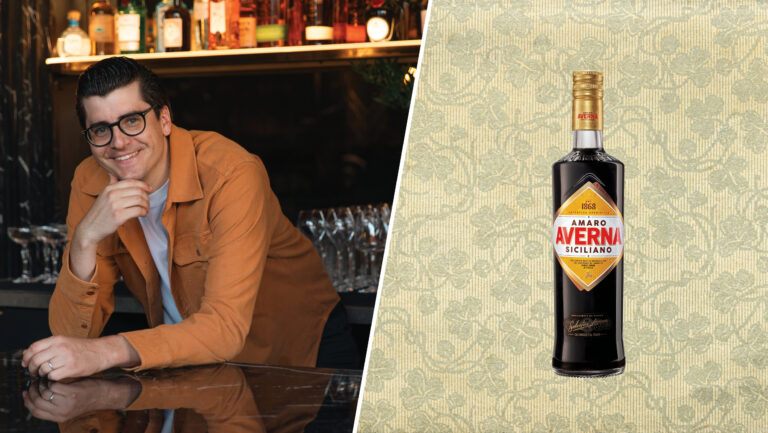
Amaro Averna, Sicily, Italy; $40
Selected by Victor Triebel, cofounder, Bar Rêve, Brooklyn
The Belle Époque-inspired Bar Rêve opened in Brooklyn’s Cobble Hill in October 2025, and featured Amaro Averna on its inaugural cocktail menu. Made in Sicily and infused with essential oils of bitter oranges and lemons, the recipe has remained unchanged since 1868.
“Amaro Averna always brings a depth and quiet bitterness that feels nocturnal—rich with notes of cola, cacao, and warm herbs,” says cofounder Victor Triebel. “In Blue Night, our interpretation of a Black Manhattan, it replaces sweetness with structure, allowing the whiskey to feel darker, smoother, and more complex. The result is a cocktail that lingers like the last hour of the evening.”
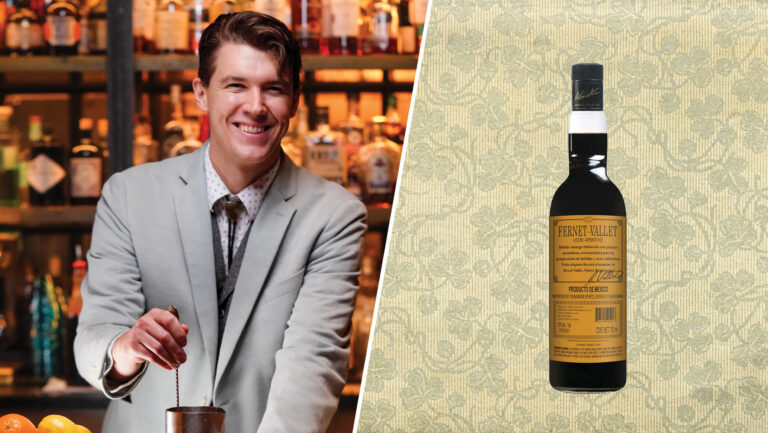
Fernet-Vallet, Mexico; $30
Selected by James Lindbloom, director of beverage and special events, Sternewirth, San Antonio, Texas
Located in Hotel Emma, the Sternewirth has a “focused yet diverse selection of amari,” according to Lindbloom, with nearly two dozen bottles on the menu. Lindbloom is a fan of Fernet-Vallet, created by Henri Vallet, who came to Mexico from France in the late 19th century and began making European-style digestif liqueurs using traditional and local spices and botanicals.
“While it delivers the bitterness and herbal intensity people expect from a fernet, it’s notably more rounded and approachable, with softer menthol, subtle baking spice, and a gentle sweetness that keeps it from feeling aggressive,” says Lindbloom. “Featuring it on our cocktail menu also allows us to pay homage to the deep Mexican influences that are foundational to San Antonio.”

Underhand Amaro, Greenport, New York; $40
Selected by Logan Rodriguez, beverage director, Oddball, New York City
At New York City’s Oddball, beverage director Logan Rodriguez highlights “small, strange, or sustainable brands,” he says, with the bar boasting an idiosyncratic catalog. Rodriguez is particularly interested in experimental approaches to flavor combinations, such as that undertaken by the research and development facility that is Matchbook Distilling Co. in Greenport, New York—which produced the limited-release Underhand Amaro.
“The use of lemony, numbing maqaw peppercorn and a flavor profile built around Chinese five spice gives it a special, warming, somewhat tannic profile while still pulling me back in for another pour,” says Rodriguez. “Sichuan peppercorn is a powerful flavor in spirits and I’m glad to see it and related numbing spices adding an electric complexity.”
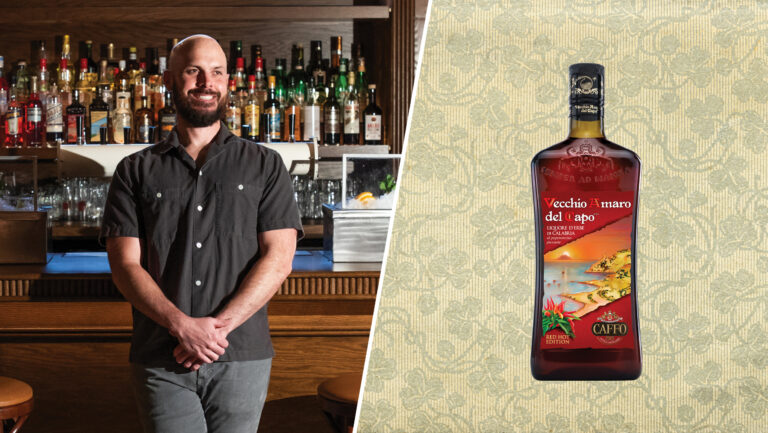
Vecchio Amaro del Capo Red Hot Edition, Calabria, Italy; $45
Selected by Robby Dow, owner, Bespoke, Wilmington, North Carolina
Bespoke in Wilmington, North Carolina, an all-day Italian-influenced aperitivo bar and coffee shop, boasts the largest amaro list in the state, with a robust vintage section, too. “We focus on accessibility by offering both full and half pours across the list,” says owner Robby Dow. They also offer custom amaro flights “to introduce guests to harder-to-find bottles.”
For Dow, a current standout is the Vecchio Amaro del Capo ‘Red Hot Edition.’ While the original is produced from 29 different Calabrian herbs and roots, expressing orange, aniseed, and licorice, this new release brings in some Calabrian chili pepper to add some heat. “It works well in cocktails, but truly shines served straight from the freezer into a frozen shot glass,” says Dow. “It’s fun, approachable, and equally exciting for seasoned amaro drinkers and newcomers, showcasing just how dynamic the category can be. For the American palate, it’s like a beautifully balanced, Italian take on Fireball.”
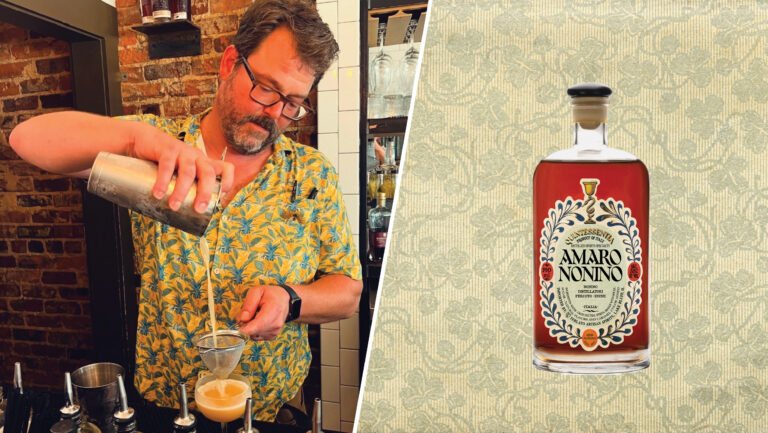
Amaro Nonino ‘Quintessentia,’ Friuli, Italy; $50
Selected by Colin Womack, bar manager, Main Street Meats, Chattanooga, Tennessee
At Main Street Meats, a butcher shop and restaurant in Chattanooga, Tennessee, the amaro lineup is classic: Averna, Montenegro, Fernet-Branca, Ciociaro, and Cardamaro, with Amaro di Angostura thrown in. But, for bar manager Colin Womack, Nonino is always his go-to. “It’s delicious neat or on the rocks, and it works beautifully in cocktails,” he says. “The flavor profile is complex enough to satisfy the amaro aficionado, yet approachable enough for those new to the category.”
While Nonino distillery has been operational since 1897, in the 1980s the Nonino family pioneered a process to create a distillate from the whole grape, as opposed to just the pomace, which led to a new category of Italian grape spirits. “It is really the quality of the distillate that separates Nonino from other amari,” says Womack. “This rich spirit provides an amazing base for the zesty, sweet citrus notes, balanced by bitter herbaceousness that Nonino is known for.”

Dispatch
Sign up for our award-winning newsletter
Don’t miss the latest drinks industry news and insights—delivered to your inbox every week.
Tyler Wetherall is a journalist and author, and the former senior editor for SevenFifty Daily. Her drinks journalism has appeared in Punch, The Guardian, Condé Nast Traveler, Thrillist, and The Spirits Business, which awarded her the Alan Lodge Young International Drinks Writer of the Year. Tyler is also the author of No Way Home: A Memoir of Life on the Run, and the novel Amphibian. Follow her on Instagram at @tylerwrites.