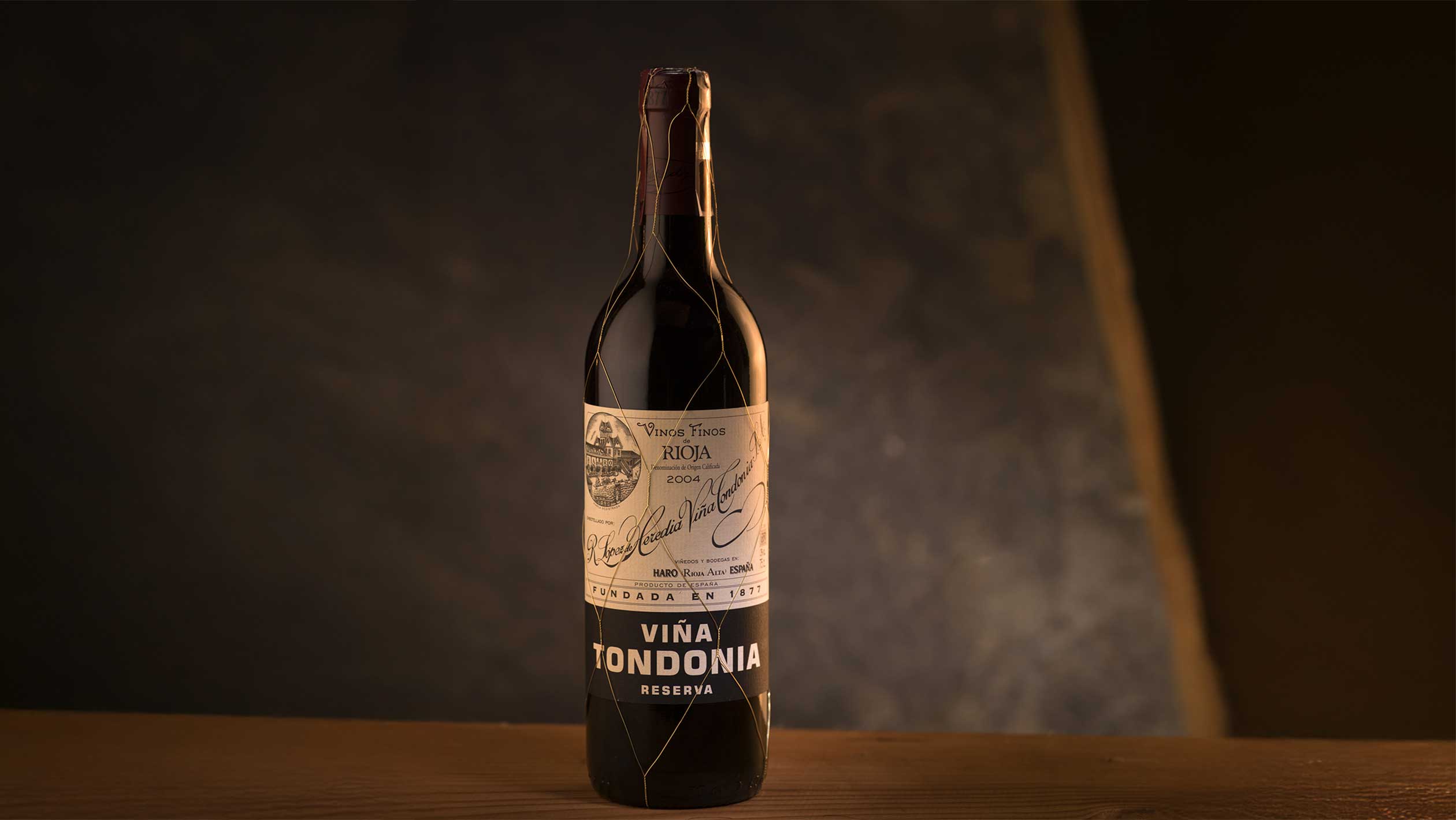
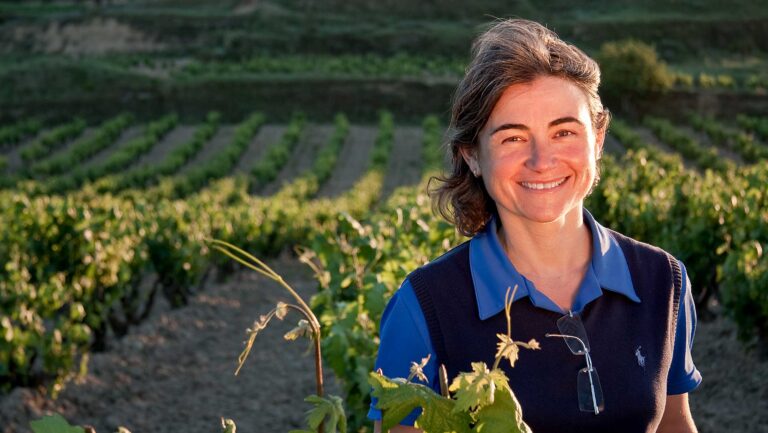
María José López de Heredia doesn’t consider her family’s winery iconic.
“The word ‘icon’ scares us a little,” says the fourth-generation head of López de Heredia in Rioja, Spain. “We only intend to do what we believe in and maintain it. If that is what people appreciate, we’re happy, but we do not know how to work and make wine any other way.”
This dedication inspires legions of global admirers. Beverage professionals herald López de Heredia as a regional benchmark. Its sought-after wines headline allocations and auctions from New York to Napa. In restaurants, “it’s not a bottle you have to sell, it sells itself,” says Pepe Moncayo, the executive chef of Arrels in Washington, D.C. “What makes them extraordinary isn’t just the age of the bodega, it’s their personality. You know exactly what you’re going to taste when you open a bottle: timeless tradition.”

Don’t miss the latest drinks industry news and insights. Sign up for our award-winning newsletters and get insider intel, resources, and trends delivered to your inbox every week.
But López de Heredia wasn’t always a household name. In the United States, in the early aughts, “the market for traditional Rioja wasn’t particularly buoyant,” says Mannie Berk, the founder of Rare Wine Co. While he wasn’t the winery’s original importer, Berk sold López de Heredia wines directly to private clients at the turn of the 21st century. “It just wasn’t a category people knew about.”
How did López de Heredia turn traditional Rioja wines into allocated collectors’ items? And can they stay the course amid modern headwinds?
A Sense of Place and Purpose
One thing that sets López de Heredia apart is nearly 150 years of continuous family ownership. It contributes to what María José calls, “our coherence through time.”
Her great-grandfather, Rafael López de Heredia y Landeta, was a former bulk wine trader who built the estate in Rioja Alta’s alluvial and limestone soils circa 1877. Some of its vines date to the early 1900s, when they were replanted after phylloxera ravaged Spanish vineyards.
Since its first vintage in 1913, López de Heredia has exclusively used estate-grown fruit in its distinctive blends. The four main lines of their range are named after the vineyards where the grapes were grown: Tondonia, Cubillo, Bosconia, and Zaconia.
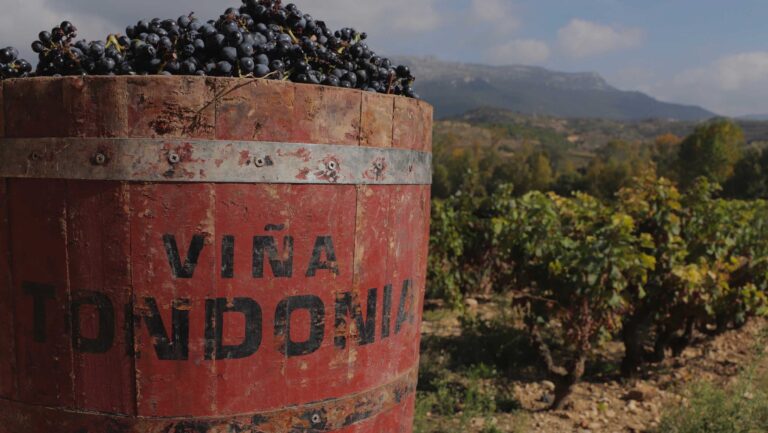
Rioja wines can be entirely composed of Tempranillo, but most producers use around 85 percent, says Zoltan Nagy, a Rioja specialist and the general manager of Macarena restaurant in Palo Alto, California. “At López de Heredia, they reduce it and add more Grenache,” he says. “It creates a lighter body and gives their reds a very unique, very specific style.”
Another differentiator is López de Heredia’s approach to aging. After wines are fermented with native yeasts in custom wooden vats, they’re aged for years longer than the appellation requires. The 225-liter barrels sit in labyrinthine cellars where even the mold covering the walls inspires visitors to wax poetic. Bottled unfiltered, wines rest for several more years prior to release.
The process bypasses modern efficiency metrics and consumer tendencies to buy and drink young wines, but Maria José considers it an honor to uphold longstanding traditions. “If the ones who preceded us worked hard and well, and, as a consequence, we like and love what they did, we do not want to change.”
Finding Global Success
López de Heredia has a long legacy in Spain—Moncayo grew up in Barcelona and recalls how his father would save bottles of Viña Tondonia “for an especially meaningful occasion”—but American audiences haven’t always associated Rioja with fine wine.
“At first, the wines were incredibly hard to sell,” says Mike Wheeler, the founder and general manager of PDX Wine in Portland, Oregon. In the aughts, Wheeler was a minority partner at Polaner Selections and represented López de Heredia in New York.
But industry skepticism quickly gave way to widespread trade and consumer enthusiasm, Wheeler says. “We launched the brand in 2001. By 2002, within a year or so, everybody wanted as much as they could get. There were months where I was selling hundreds of thousands of dollars of López.”
What turned the market around? Quality and unparalleled value for money, Wheeler says. “The wines were magical. People were saying, ‘This wine is amazing, this is like old-school Nebbiolo.’”
The estate’s reputation grew, especially at auction houses and retailers like Acker Merrall and Rare Wine Co. “We were building a following among collectors, and reinforcing the appreciation that there are traditions in Rioja, and that López represents that traditionalism,” Berk says.
The market boomed. “When I first started working with them [circa 1999], I could buy ’42s and ’47s and ’54s from their library, and they were fairly inexpensive,” Berk recalls. “Now they’re four figures.”
Success on Their Own Terms
Despite high demand, prices for López de Heredia are often more affordable than bottles from prestigious estates in Napa, Bordeaux, or Barolo. Nagy believes it’s because the family operation is invested in its heritage. “They don’t want to manipulate the market,” he says.
As an example, he notes how red wines comprise the majority of the estate’s production, as is regional tradition. However, over the last few years, consumers have become more enthusiastic about and willing to spend more for López de Heredia’s whites and rosés; and yet, the estate hasn’t radically altered prices or production to meet the market surge. “For 145 years, they’ve been known as a red wine producer,” Nagy says. “They want to continue their legacy.”
That sort of commitment is admirable in any era, but feels especially poignant now, as the beverage industry grapples with considerable social and economic challenges. Berk believes that valuing tradition and understanding the importance of upholding identity is part of what makes the winery so special.
“Today, there are very few producers in the sort of pure, traditional style that López has,” he says. “They occupy an absolutely unique position in Rioja and the world of wine.”

Dispatch
Sign up for our award-winning newsletter
Don’t miss the latest drinks industry news and insights—delivered to your inbox every week.
Emily Saladino is a writer, editor, and recipe developer based in New York. Previously a culinary editor at Food Network, she reviews wines from Croatia, Georgia, Greece, Hungary, and Lebanon for Wine Enthusiast, where she used to be a managing editor and remains a writer at large. She writes a monthly column about wine for The Washington Post, and her work has been published in BBC, Bloomberg, Bon Appetit, Food and Wine, and others.