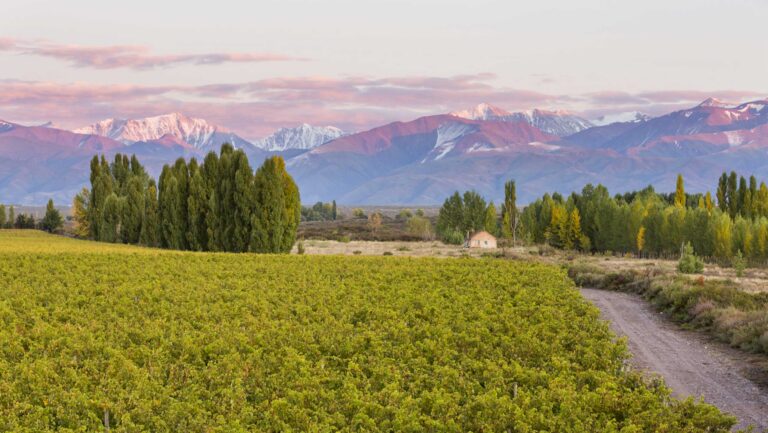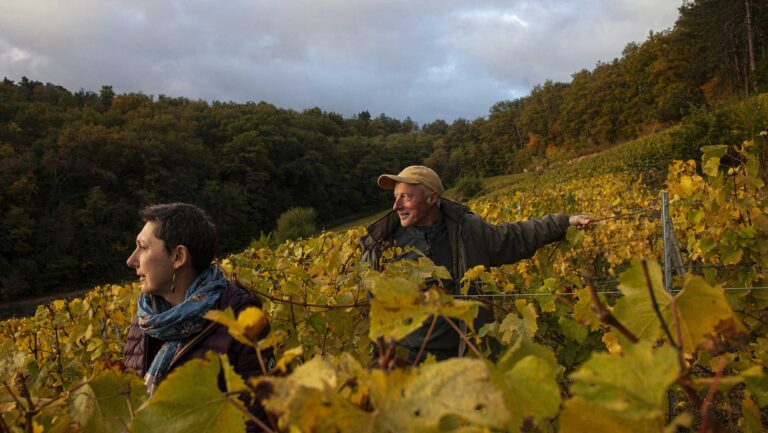
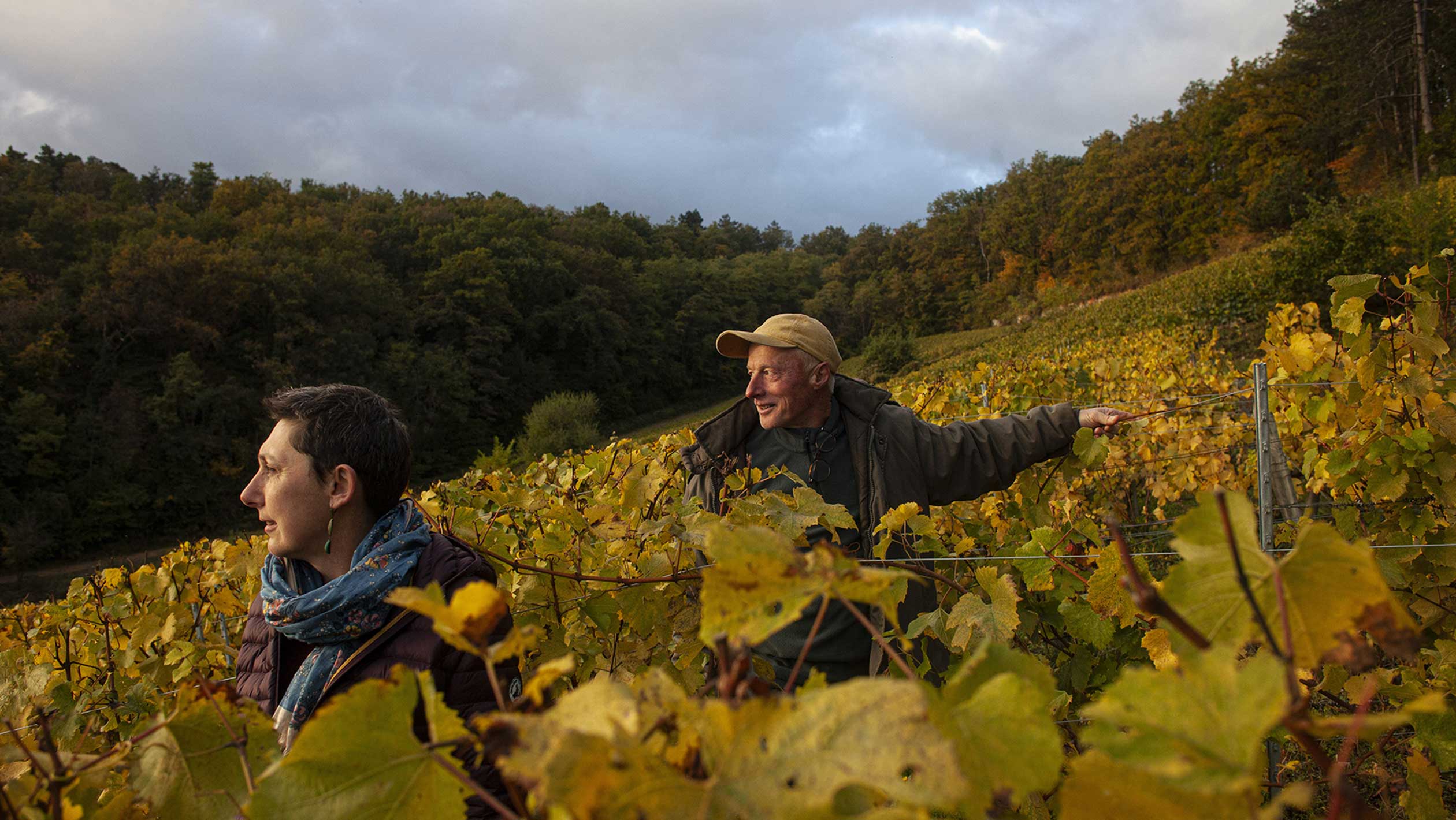
From the sleepy farming village of Courgis amid the vine-clad hills of the Serein Valley, Alice and Olivier De Moor produce Chablis and Bourgogne wines that have earned them an almost cult-like following. Their devotees would describe them as authentic Chablis, an exception in a region that has shifted towards producing consistent, mass-market wines with a spurious emphasis on terroir.
The De Moors established their own domaine in 1995 in a cellar that had originally belonged to Olivier’s grandfather (Alice comes from a family of farmers in Jura; Olivier is from Courgis). They began making wine with spontaneous ferments—contrary to most wineries in Chablis—as long ago as 1997 and have been organic since 2005.
For most of their career, they have produced wine outside the most prestigious Chablis appellations, focusing instead on vineyards in Courgis, Chitry, and the lesser-known Saint-Bris, bringing prestige to the village’s Aligoté and Sauvignon Blanc.
Don’t miss the latest drinks industry news and insights. Sign up for our award-winning newsletters and get insider intel, resources, and trends delivered to your inbox every week.
Paradoxically, their outsider status may well have shaped their success, as their skepticism towards marketing narratives and rigid appellation orthodoxy ultimately contributed to their appeal among U.S. sommeliers, buyers, and retailers.
The allure of De Moor wines lies in a profile that contrasts sharply with that of modern Chablis. Their wines are neither cloaked in oak nor reductive to the point of being austere.
“Alice and Olivier De Moor are able to give you this electric energy that was missing in a lot of Chablis,” says Jorge Riera, the wine director at New York’s Frenchette, a staunch advocate of De Moor wines since its opening in Tribeca in 2018. “These are wines made with sensitivity, a lasting feeling of place with balanced taste and extremely high drinkability,” adds Riera. “They really awaken your senses and palate.”
Wines That Captivated the U.S. Trade
The U.S. market was instrumental to De Moor’s progress. It was the first export market that they ventured into, towards the end of the 1990s—a time when the dollar was strong and imports of French wines into the country were booming.
While this was the start of the Robert Parker era, it also marked the emergence of natural wine in the U.S. The De Moors managed to straddle these two disparate worlds in a way few other wine producers could. According to Alice, their wines were very favorably received by Parker when he first tasted them.
The De Moors became an important player in the nascent natural wine movement thanks to their then-Californian distributor, North Berkeley Imports. Their cult status was later secured through natural wine champions Louis/Dressner Selections, who continue to represent their wines in the U.S. today.
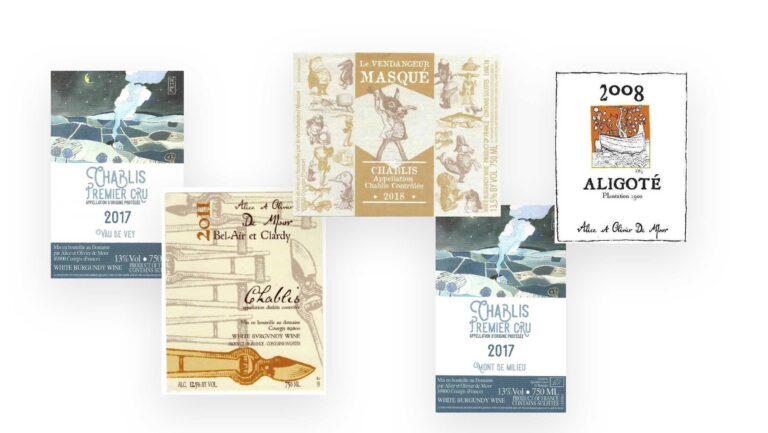
Pascaline Lepeltier, the beverage director at Chambers in New York City, has known Alice and Olivier for almost 16 years and has worked with their wines since she started working as a sommelier in New York.
“At a time when Burgundy—and Chablis especially—was falling for a commercial success, leading to them taking shortcuts, the De Moors, with their attention to detail, craft, and sensitivity, were standing out, offering something with integrity, whatever the critics or market were favoring,” says Lepeltier. “They were bottling unique, singular, and authentic expressions of the place, at a fair price.”
Organic Viticulture in Industrial Chablis
In the context of Chablis, the De Moors’ uncompromising commitment to manual organic farming and natural winemaking is vanishingly rare. Olivier estimates that 90 to 95 percent of appellation Chablis is machine-harvested—including a substantial proportion of premiers crus—while just 10 to 12 percent of the region’s vineyards are certified organic. This compares with approximately 25 percent in the neighboring Côte d’Or.
“We are very disappointed to see how far behind we are compared to the Côte d’Or in organics,” Alice reflects.
Much was made of data released by Agence Bio in 2023 showing that the number of vineyards in the Yonne region, which includes Chablis, converting to organic farming had tripled between 2019 and 2021. Then came the catastrophe of the 2024 vintage and most producers quickly abandoned their efforts.
“It’s a sad situation,” Alice says. “If you believe in organics for the benefit of your vineyard, yourself, the planet, you don’t stop.”
Julian Kurland, the cofounder of Bar Etoile in Los Angeles, visited the domaine in 2020 and says that the physical reality of the De Moors’ farming is immediately apparent.
“You go to their vineyards and you can see it first-hand,” he says. It was the first time, for me, that I could see the difference farming made. The life and energy in their vineyards—it was so different from the ones next to them.”
A Vineyard Philosophy for a Warmer Future
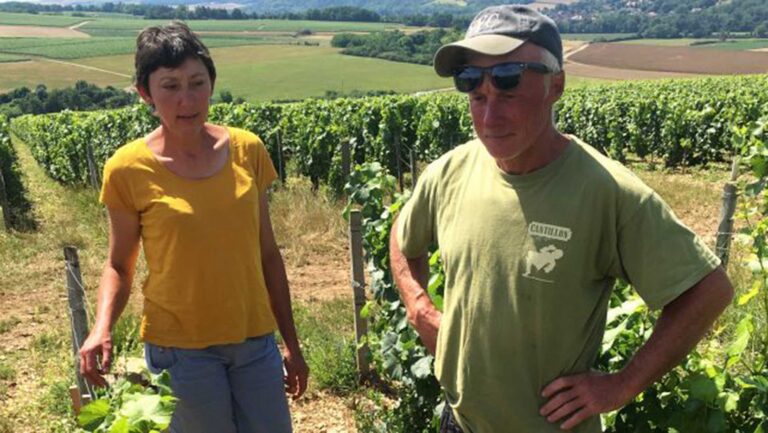
The De Moors go far beyond the minimum requirements of organic viticulture, showing ever greater exigency amid the challenges of climate change: minimal tilling, spontaneous grass growth between the vines, tree planting and the creation of ecological corridors; Olivier has even installed a pergola system in premier cru Vau de Vey—the only such vine training system in Chablis—to prevent destruction of the soil biome during the peaks of summer heat. This is reinforced by mulching cover crops planted in early spring.
Such was Olivier’s concern about the threat posed by the current ecological crisis that in 2022 he penned an open letter to his vigneron colleagues entreating them to work together to find solutions to climate change-related problems.
It begins, he says, with soil. “Many problems revolve around the organic matter in soils—soils that contain more than half of all life on Earth,” explains Olivier. “Organic matter is the true capital for coping with the predicted and already under way [climate] disruptions,” he adds. “We must do everything possible to raise these levels, which will allow us to nourish and hydrate our crops.”
With climate change affecting such a multitude of pressures, it has never been harder to make the kind of wines that Alice and Olivier De Moor make. There are no easy vintages any more, and the threat of a devastating one is forever round the corner. Yet they continue to serve as a reminder of what Chablis can achieve when craft and sensitivity are prioritized over commodification and brand.
For their devotees in America and beyond, Alice and Olivier De Moor remain the definition of Chablis authenticity, proving that even in an era of climate crisis, resilience can be found in the integrity of the land and the people tending it.

Dispatch
Sign up for our award-winning newsletter
Don’t miss the latest drinks industry news and insights—delivered to your inbox every week.
Darren is a London-based freelance wine writer and winemaker. He produces one-off wines in collaboration with winemakers around the world through his nomadic winemaking project, The Finest Wines Available to Humanity (tfwath.com). Find him on Instagram @tfwath.