Whether a restaurant or bar’s wine program features a deeply stocked cellar or a more tailored list, one aspect of the menu is fundamental: the by-the-glass selection. Often seen by guests as far more approachable than the full bottle list, the BTG menu moves more inventory and has higher margins, with each glass typically priced at the wholesale bottle cost.
With the advent of preservation systems like the Coravin, wine directors now have more flexibility to get creative with their by-the-glass programs, offering premium pours or trading out selections more frequently. But on any BTG list, there are the frequent sellers and the overlooked treasures—the SKUs that sommeliers would personally recommend if asked for a favorite.
Which hidden gems are hiding on some of the country’s top by-the-glass lists? SevenFifty Daily asked a dozen on-premise wine professionals to spotlight the best-kept secrets in their BTG selections right now. All wines are listed with price per glass at the noted establishment.

Don’t miss the latest drinks industry news and insights. Sign up for our award-winning newsletters and get insider intel, resources, and trends delivered to your inbox every week.
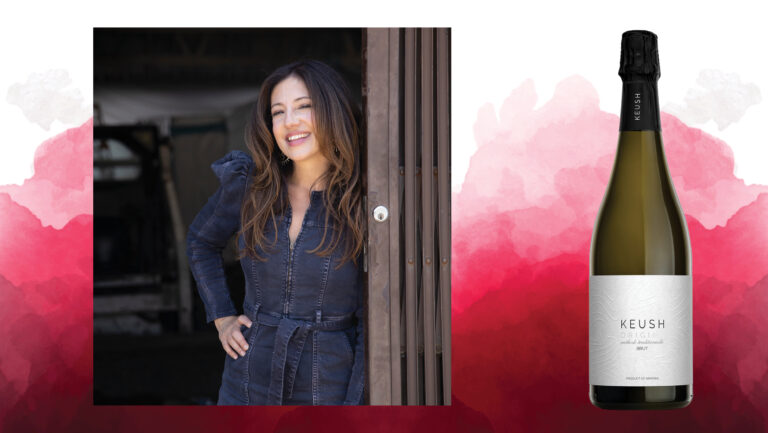
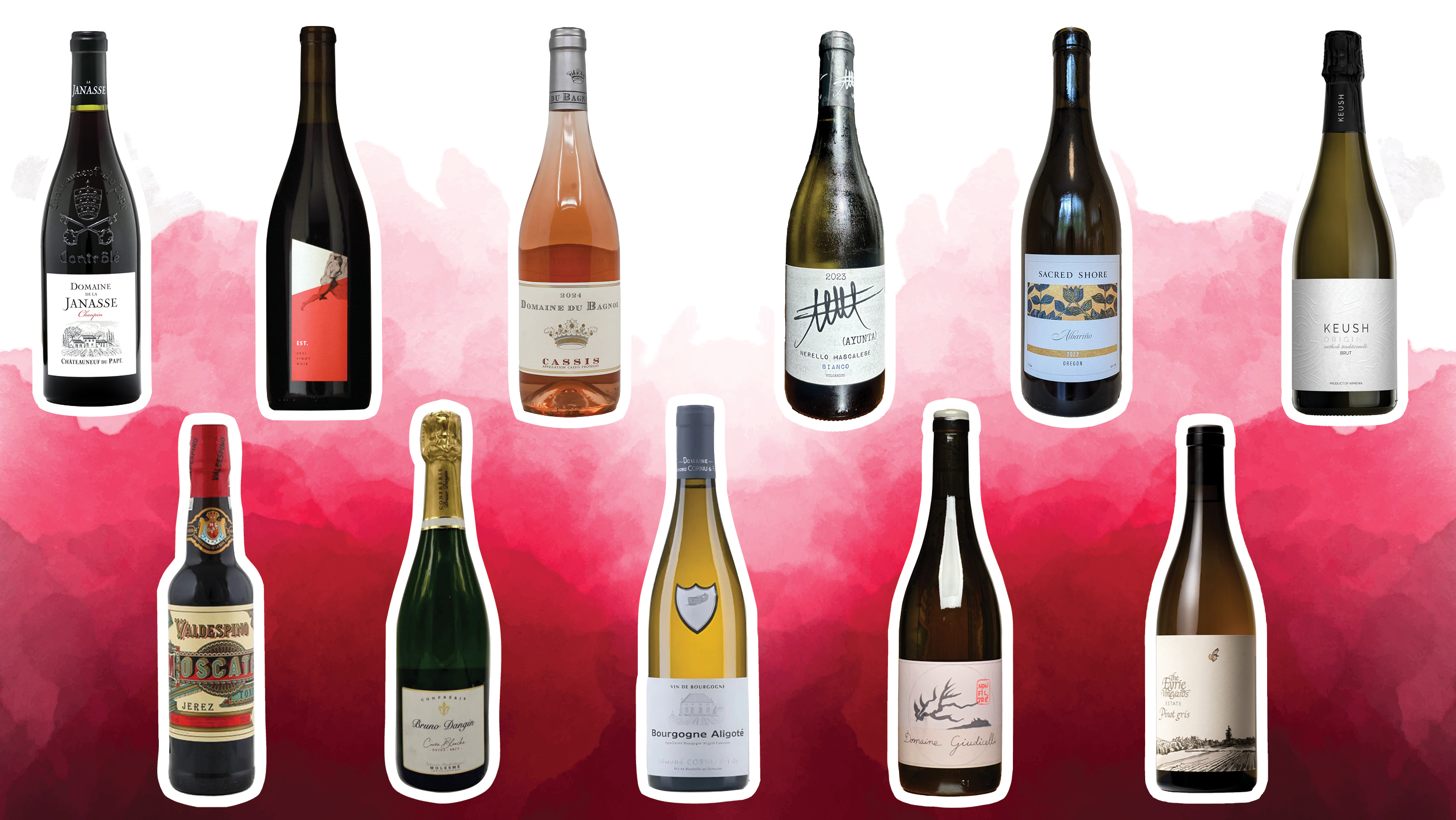
Keush ‘Origins’ Méthode Traditionelle Brut, Vayots Dzor, Armenia; $17
Selected by Rose Previte, owner and chef, Maydān, Washington, D.C.
With locations in Washington, D.C., and Los Angeles, Maydān (which means “gathering place”) is inspired by the food and traditions of the Middle East, North Africa, and the Caucasus—so it’s only natural that its by-the-glass list would be inspired by those regions, too. The Keush ‘Origins’ sparkling wine is made from the indigenous Voskehat and Khatouni grapes, grown in high-elevation, volcanic, Armenian vineyards.
Chef and owner Rose Previte describes it as having vivid citrus notes with a nutty, savory finish. “For our guests, it’s a revelation,” she says. “They don’t expect to find world-class sparkling wine from Armenia, and tasting it becomes both an impactful moment and a story they carry with them long after their meal at Maydan.”
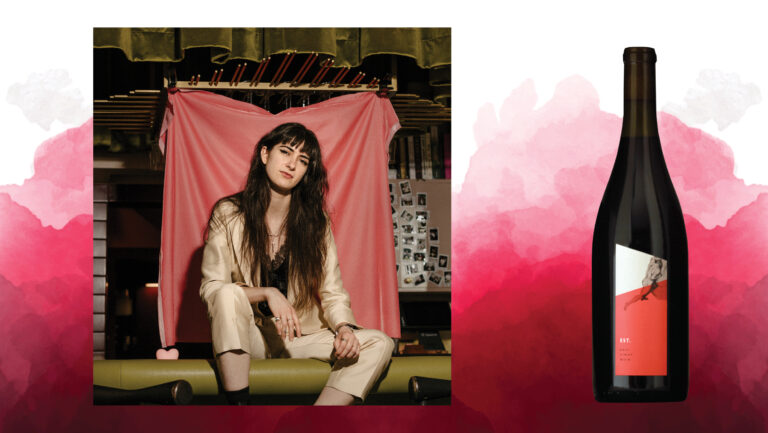
Statera Cellars ‘Est’ Pinot Noir 2021, Willamette Valley, Oregon; $20
Selected by Camille Lindsley, wine director and partner, Hags, New York City
As chef Telly Justice brings diners together with her seasonal tasting menu at this 20-seat fine dining operation each evening, wine director Camille Lindsley simultaneously works to subvert preconceptions about beverage with her pairings and glass list. The queer-owned restaurant features selections by queer winemakers like Meredith Bell and Luke Wylde, the friends who run Statera Cellars in the Willamette Valley. “They follow natural winemaking practices but also experiment with techniques like washing wines with old lees to prevent smoke taint—truly cutting-edge stuff,” says Lindsley.
The Pinot Noir that Hags sells by the glass sits under the Est label, Bell’s personal project under the Statera umbrella, made using careful farming and low-intervention winemaking. “It’s a perfect balance of elegant polish and magical rusticity,” says Lindsley. “It’s, in many ways, my platonic ideal by-the-glass Pinot, made by visionary queer winemakers.”
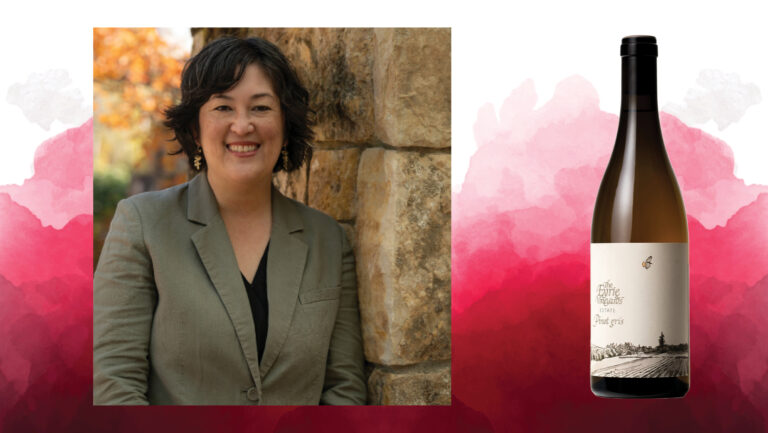
The Eyrie Vineyards Estate Pinot Gris 2022, Willamette Valley, Oregon; $16
Selected by Elaine Heide, wine director, The Allison Inn & Spa and Jory, Newberg, Oregon
Situated in the heart of the Willamette Valley, The Allison Inn & Spa is surrounded by vineyards, many of which are home to the selections on the extensive wine list at the resort’s restaurant, Jory. While the region is best known for its Pinot Noir, it’s The Eyrie Vineyards’ Estate Pinot Gris that wine director Elaine Heide calls out on the restaurant’s by-the-glass list; the iconic producer’s founder David Lett planted the country’s first commercial Pinot Gris vines less than 10 miles from The Allison back in 1965.
“I think this wine is a perfect entry point for anyone who seeks a better understanding of Pinot Gris,” she says. Made from certified organic vineyards in the Dundee Hills, the Estate Pinot Gris is aged on its lees for 11 months, giving it the “undeniable potential for this wine to become even more exciting with age.” “This is my only regret in pouring this wine by the glass,” says Heide, “that we are drinking it up too soon.”
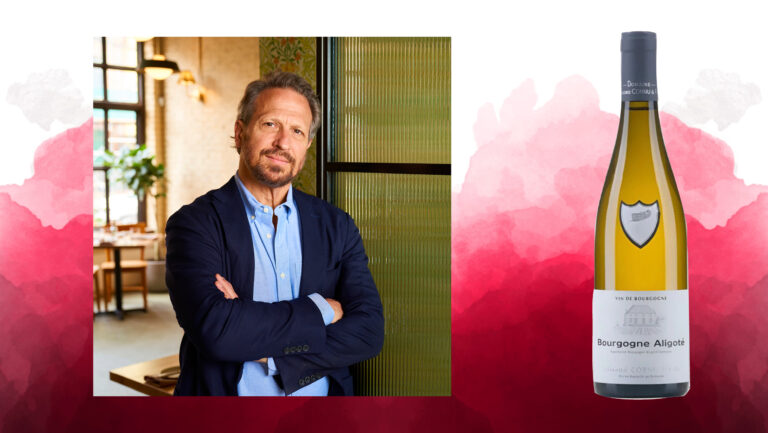
Domaine Edmond Cornu & Fils Aligoté 2020, Burgundy, France; $20
Selected by Mark Censits, managing partner, Maxwell Alley, Jersey City, New Jersey
Since Maxwell Alley opened its doors over the summer, bringing a seasonal menu to a historic garage in Jersey City, several by-the-glass wines have gotten rave reviews from guests, says managing partner Mark Censits. One of them is the Domaine Edmond Cornu & Fils Aligoté, made by a family of Burgundian winemakers in the Côte de Beaune.
Aligoté makes up a tiny proportion of Cornu’s plantings—a mere half-hectare of the estate’s 15 hectares of vineyards—but the vibrant, saline wine has outsized popularity. “Only 600 bottles of this wine make their way to the U.S. each year, and we bought probably 10 percent of that for Maxwell Alley,” says Censits.
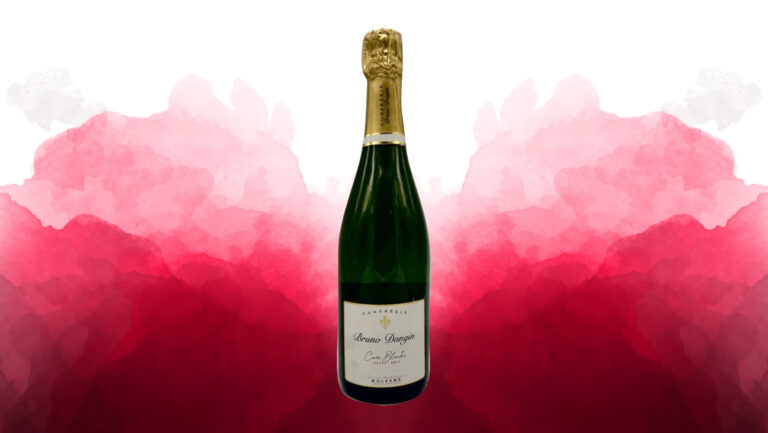
Domaine Bruno Dangin ‘Cuvée Blanche’ Crémant de Bourgogne NV, Burgundy, France; $16
Selected by Seungcheol Baek, head of front of house, Jeong Yuk Jeom, Los Angeles
Though the Korean barbecue experience at Jeong Yuk Jeom (which means “butcher shop”) leans higher-end, with cuts of meat that can reach $280, it’s important to the team that the wine list remain approachable. All by-the-glass selections are priced at $16.
Seungcheol Baek, the head of front of house, spotlights the Domaine Bruno Dangin Crémant de Bourgogne as a favorite right now, calling it “an elegant aperitif that also refreshes the palate between rich, smoky barbecue bites.” The sparkling wines from Bruno Dangin are often described as Champagne masquerading as Crémant; Dangin’s organic, five-hectare estate is located in Molesme, just three kilometers from Burgundy’s border with the Aube.
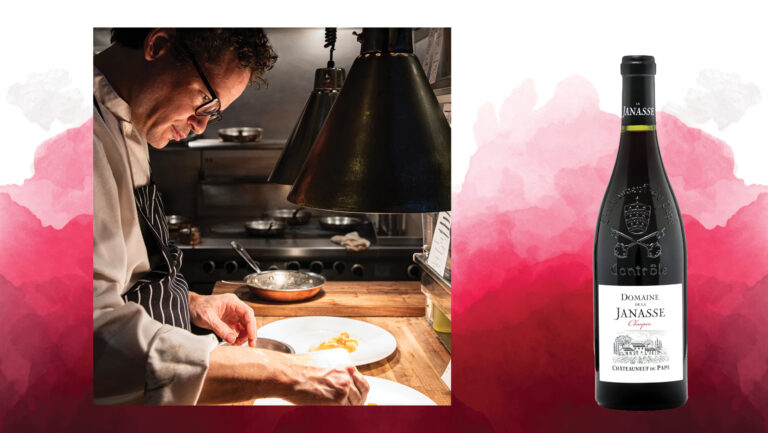
Domaine de la Janasse ‘Chaupin’ Châteauneuf-du-Pape 1993, Rhône Valley, France; $60
Selected by Jared Ian Stafford-Hill, chef, Saint Urban, New York City
Food and wine always have a close connection, but at Saint Urban, that link is closer than most; each month, the restaurant transforms entirely, its menu inspired by a different wine region of the world. After exploring icons like Champagne, Tuscany, and California, chef Jared Ian Stafford-Hill turned his sights on the Southern Rhône for the month of September. The restaurant also curates a “producer pairing” each month to showcase a full lineup of wines from one special winemaker—and this month, one of those was Domaine de la Janasse.
“It’s a domaine worth knowing about,” says Stafford-Hill, “especially their Chaupin bottling.” Made from old-vine Grenache grown in sandy soil, it has energy purity, and longevity—something that guests can experience with this back-vintage glass. “This wine ages like a Burgundy,” Stafford-Hill adds. “It becomes light, refined, and elegant.”
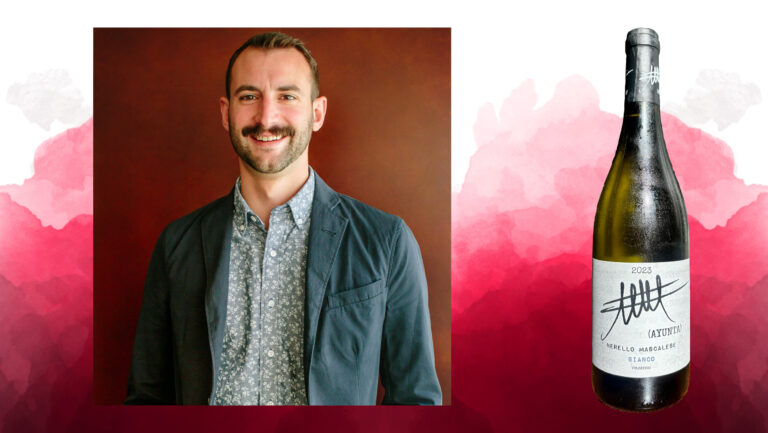
Ayunta Nerello Mascalese Bianco 2022, Etna, Italy; $15
Selected by Ryan Lotz, beverage director, Bar Mezzana, Boston
To complement Bar Mezzana’s coastal Italian cuisine, beverage director Ryan Lotz has no lack of intriguing seaside wines to pull from. But the bottle that he calls “a real hidden gem” comes from the country’s southernmost region: Sicily. Though the region of Etna has skyrocketed in popularity in recent years, it’s rare for a producer to craft a white wine from the region’s hallmark red grape, Nerello Mascalese (and, in fact, it’s not allowed in DOC rules, so Ayunta’s version is labeled as Terre Siciliane).
Sourced from the northern slopes of Mount Etna, it’s textured yet savory and mineral-driven, says Lotz. “I’d be hard-pressed to find a bad pairing with this wine,” he adds, noting that it sings with vegetables, crudo, and seafood pasta.
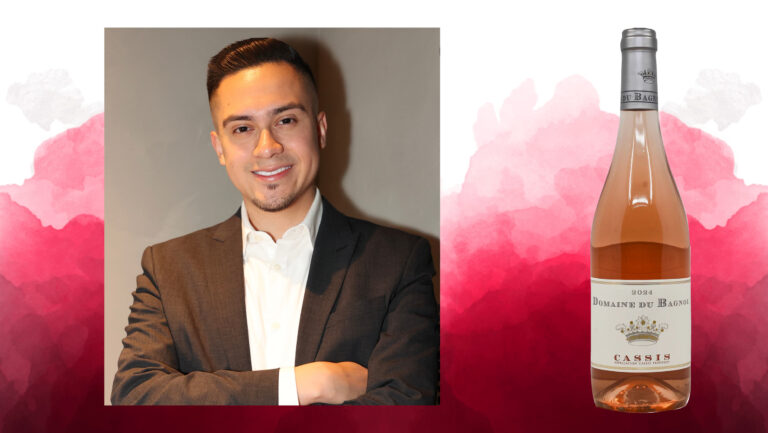
Domaine du Bagnol Rosé 2023, Cassis, France; $28
Selected by Robert Penafiel, general manager, Okaru, Roslyn, New York
Okaru opened earlier this year, bringing both modern and traditional Japanese dishes to Long Island diners, and while there’s a robust menu of sake and Japanese beer and whisky available to patrons, there’s no shortage of wine options, either. General manager Robert Penafiel likes to spotlight the Domaine du Bagnol Rosé, which comes from the seaside town of Cassis in Provence.
Though Cassis specializes in white wine, this Grenache-Cinsault-Mourvèdre rosé translates the appellation’s limestone soil beautifully. “This pick leans more textured and savory compared to Provence styles,” says Penafield. “It’s a conversation starter that shows off just how versatile rosé can be, and guests love discovering something outside the usual.”
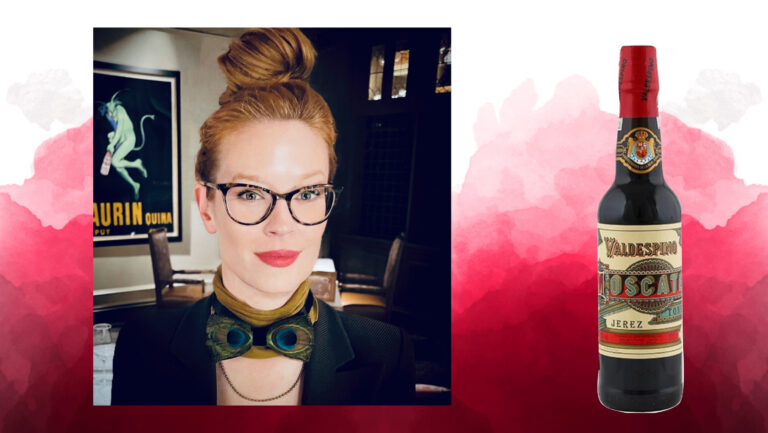
Valdespino ‘Toneles’ Moscatel Viejísimo NV, Jerez, Spain; $65
Selected by Janine Poleman, maître d’hôtel and lead sommelier, Cru Uncorked, Moreland Hills, Ohio
The 2,300-SKU, French-leaning wine cellar at Cru Uncorked outside of Cleveland has no shortage of rarities, and some of them even make their way onto the BTG list. One of these is the Valdespino ‘Toneles,’ a sweet Moscatel sherry that is aged in large casks called toneles; only about 100 375-milliliter bottles are taken from the solera each year.
“This viejísimo (very old) wine is characterized by its immense complexity and intense sweetness balanced by a piercing acidity,” says Janine Poleman, the restaurant’s maître d’hôtel and lead sommelier, noting that the wine has an average age of 100 years. She describes it as “sensational,” with notes of fig, chocolate, spices, and orange peel.
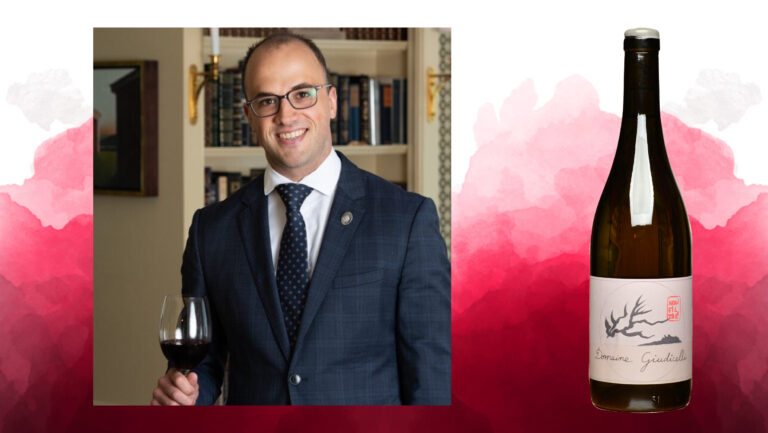
Domaine Giudicelli Patrimonio Blanc 2019, Corsica, France; $36
Selected by David Bérubé, chef sommelier, La Bastide by Andrea Calstier, North Salem, New York
North of New York City, La Bastide by Andrea Calstier is working to bring Michelin-starred Provençal cuisine to the Hudson Valley—and chef sommelier David Bérubé has crafted a French-centric wine program to help achieve that vision. Though guests can opt for the wine pairing with the restaurant’s tasting menu, there are also by-the-glass wines to choose from, and of those, Bérubé has a particular affinity for the Domaine Giudicelli Patrimonio Blanc, a biodynamic wine made from the Vermentino grape.
Corsican wine might seem like a departure at first, but the island is only 120 miles off the coast of Provence. “With a little bottle age, it’s drinking beautifully, showcasing finger lime, lemon verbena, fragrant white flowers, and a coastal salty minerality,” says Bérubé.

Sacred Shore Albariño 2023, Oregon; $18
Selected by Nathan Jeffries, sommelier, Andina, Portland, Oregon
Though the wine program at Peruvian-inspired restaurant Andina includes global selections, it also devotes a significant proportion of the list to wines from Portland, Oregon’s nearby regions. And there’s plenty to highlight beyond expected international varieties; take the Sacred Shore Albariño, for example, which comes from two Oregon winemakers who have a particular affinity for Galician wines.
“It’s everything a hidden gem should be—unexpected, expressive, and a clear labor of love,” says sommelier Nathan Jeffries. Sourced from two distinct areas—Van Duzer Corridor and Columbia Gorge—the Albariño undergoes intentional oxidation and malolactic fermentation, distinguishing it from classic Rías Baixas examples and adding texture to its “racy acidity and subtle saline minerality.”
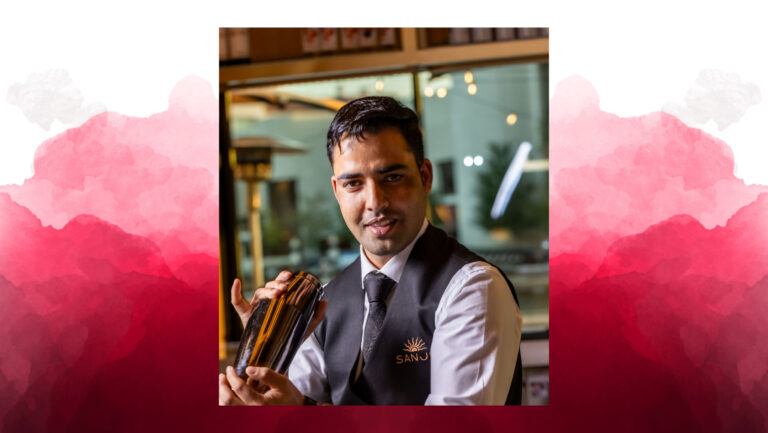
Château Caronne Ste Gemme Haut-Médoc 2018, Bordeaux, France; $15
Selected by Sanwar Mal Khokhar, mixologist, Sanjh Restaurant and Bar, Irving, Texas
Bordeaux might not be the first region diners think of when thinking of what to pair with Sanjh’s Indian dishes, but that’s exactly why mixologist Sanwar Mal Khokhar likes to spotlight it. “I love this Cabernet-led blend for its deep cassis fruit, firm tannins, and earthy finish, which make it such a natural match with Indian food,” he says.
Though the Château Caronne Ste Gemme has a classic Left Bank style, grown on gravel soil and aged in partially new French oak, it also offers great value. “It’s an approachable way for guests to experience a serious Bordeaux without committing to a full bottle,” says Mal Khokhar.

Dispatch
Sign up for our award-winning newsletter
Don’t miss the latest drinks industry news and insights—delivered to your inbox every week.
Courtney Schiessl Magrini is the editor-in-chief for SevenFifty Daily and the Beverage Media Group publications. She has held sommelier positions at some of New York’s top restaurants, including Marta, Dirty French, and Terroir, and her work has appeared in Wine Enthusiast, GuildSomm, Forbes.com, VinePair, EatingWell Magazine, and more. She holds the WSET Diploma in Wines. Follow her on Instagram at @takeittocourt.