The term natural wine often means different things to different people, including those who make, sell, and seek it out. “What consumers know as natural wine and what can actually define a wine as natural can be quite different,” says Courtney Wieland, the vice president of private clients at New York’s Parcelle. “There’s a culture where natural wines are associated with funk, or with having esoteric or extreme markers that reveal what consumers expect natural wine to be.”
Without a precise legal definition, producers and sellers are often called to define it for their guests and customers, or clarify misunderstandings about natural winemaking for those who are wary. “To me, natural wine is wine that has had little to no inputs by the winemaker in order to allow the purest essence of the grape(s) and terroir to shine,” says Jade Palmer, a sommelier and buyer at Atlanta’s Il Premio/FORTH Hotel. “‘Nothing added, nothing removed’ is a common phrase used when describing natural wine.” Organic or biodynamic farming also typically play a role in wines that are deemed natural by their makers.
Certain natural winemaking choices can result in funky wines, but these aren’t necessarily defining characteristics. Adam Lapierre, the in-house Master of Wine at Total Wine & More, points to the category’s breadth. “Because natural wine is so broadly defined, it encompasses a wide range of viticultural and winemaking philosophies,” he says. “As a result, both the practices and the outcomes can vary considerably. Some producers embrace more overtly unconventional flavors, while others use minimal-intervention methods to make wines that taste clean, polished, and classically styled.”

Don’t miss the latest drinks industry news and insights. Sign up for our award-winning newsletters and get insider intel, resources, and trends delivered to your inbox every week.
Whether funky or not, natural wine is something that consumers are actively seeking, and data forecasters indicate that they will continue to do so, especially as Gen Z continues to come of age and the natural wine category matures. According to a 2026 IWSR report on opportunities in sustainable, organic, and alternative wine, “younger generations are emerging as the primary growth engine of the alternative wine category among regular wine drinkers.” A report by market research analytics firm Data Intelo underscores this, valuing the global market for natural wine in 2025 at $2.8 billion, and forecasting that it will reach $6.1 billion by 2034, with a compound annual growth rate of nine percent.
To find natural wines that are on the more classical side of the spectrum, SevenFifty Daily asked wine buyers in off- and on-premise businesses for their recommendations, resulting in a list of bottles from both established and emerging regions around the world, spanning various styles and price points. (All wines are listed with suggested retail price per bottle.)

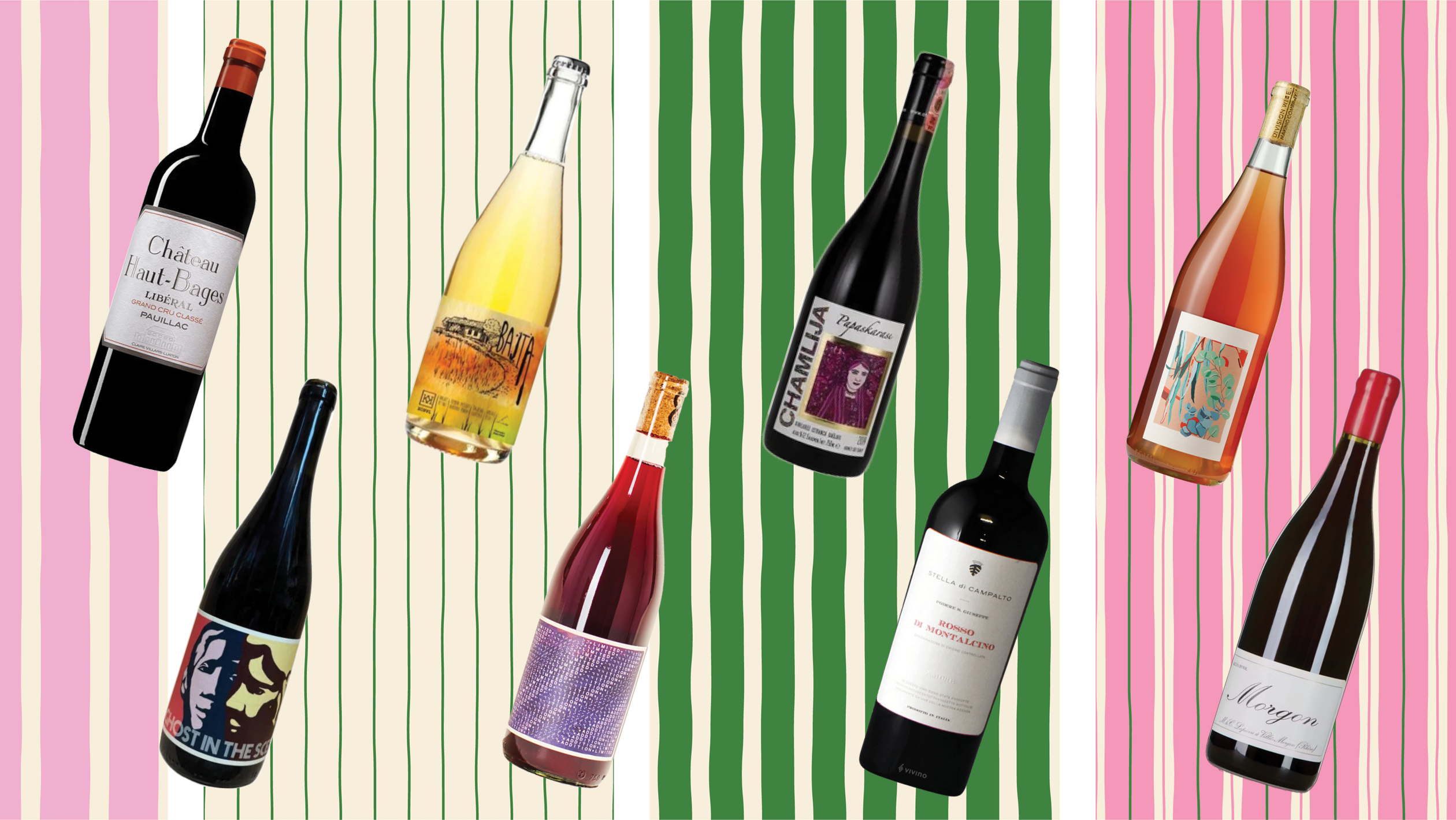
Château Haut-Bages Libéral Pauillac 2022, Bordeaux, France; $65
Selected by Adam Lapierre, in-house Master of Wine, Total Wine & More, various locations
As the in-house Master of Wine for the country’s largest wine retailer, Adam Lapierre has his finger on the pulse of wine buying behavior not just in one American market, but many. His recommendation for a Grand Cru Classé Bordeaux wine perfectly demonstrates that natural winemaking has a place even among the most highly regarded, classic regions.
“Haut-Bages Libéral is a château in Pauillac that I admire very much,” says Lapierre. “Claire Villars-Lurton is one of Bordeaux’s pioneering winemakers when it comes to natural winemaking, and her wines are exceptional.” Employing biodynamically farmed grapes, Villars-Lurton was the first Bordeaux producer to release a Grand Cru Classé wine with no sulfites added.
“My tastes fall somewhere in the middle of unconventional and classical,” adds Lapierre. “I’m drawn to wines that have personality and a clear sense of individuality, but that still remain true to the typicity of the grape variety and region. For me, the best natural wines offer character and energy without veering so far from convention that they lose their sense of place.”
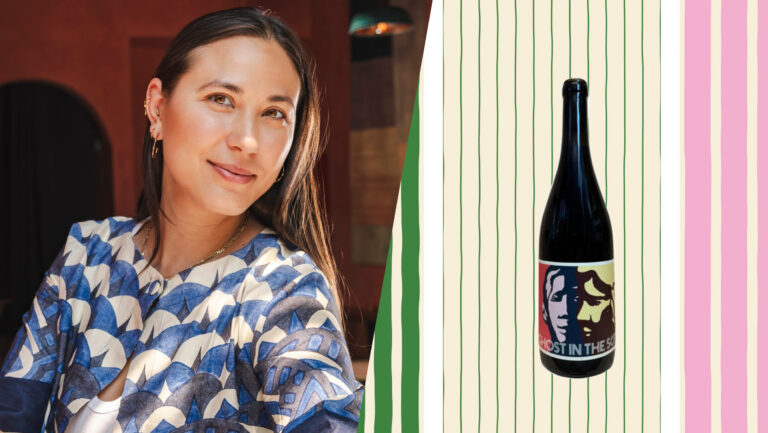
Common Wealth Crush ‘Ghost in the Scene’ 2024, Shenandoah Valley, Virginia; $23
Selected by Anna-Korine Hada, co-owner, dokidoki, Brooklyn, New York
Wine bars, restaurants, and wine merchants aren’t the only venues where natural wine philosophies might be on display. At Brooklyn’s dokidoki, an intimate Japanese cocktail bar, natural wine is an intentional choice alongside a thoughtfully curated cocktail list. “For our wine list, we’ve kept the options small but frequently rotating, focusing on producers with great stories that center both ecological and cultural practices,” says co-owner Anna-Korine Hada.
Hada recommends a Virginia wine that precisely promotes that ethos. “I am very excited about our chilled red option at the moment: Common Wealth Crush Ghost in the Scene 2024 from Shenandoah Valley,” she says. Common Wealth Crush is a collective of small producers focused on diversity and representation among its winemakers, as well as low-intervention winemaking and organically farmed and hybrid grapes.
Made from Chambourcin and macerated Vidal Blanc, the wine is “bright and fruit-forward while still dry and aromatic,” says Hada. “I absolutely love that it provides depth and complexity while remaining juicy, fresh, and also affordable. Everything about this label fits into our menu ethos of maintaining high quality and approachability with a good story to back it up.”
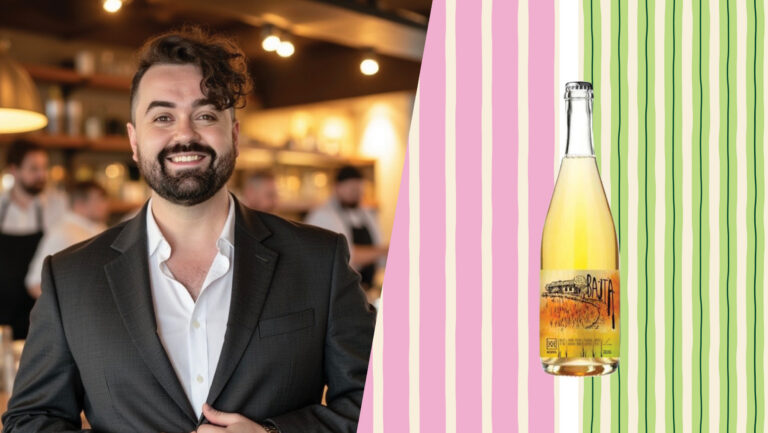
Kobal ‘Bajta’ Yellow Muscat Pét-Nat NV, Haloze Hills, Lower Styria, Slovenia; $24
Selected by Jerry Chandler, sommelier and wine buyer, The Exchange CLT, Charlotte, North Carolina
“Ten years ago, I couldn’t have given a glass of wine away that had natural winemaking practices as its focal point,” says Jerry Chandler, a sommelier and the wine buyer for The Exchange CLT in Charlotte, North Carolina. “Over the last five years, that has evolved drastically enough that I now keep an entire section in the retail part of my programs solely focused on natural and sustainable wine practices. Even my by-the-glass list has adapted the same way, with guests constantly requesting to know my natural wine options.”
Chandler consistently recommends a Slovenian pét-nat for this purpose. “Kobal is like many producers in Slovenia: small production, family-owned, and terroir-focused,” says Chandler, adding that they’re using ancient techniques and grapes that have long been important to the region. “With pét-nats’ entire basis being a sparkling wine that’s made naturally, this wine shows a more classic expression of the Muscat grape,” he adds, “staying true to its aromatics of wildflowers and candied oranges while transitioning into lemon zest and apricot on the palate.”
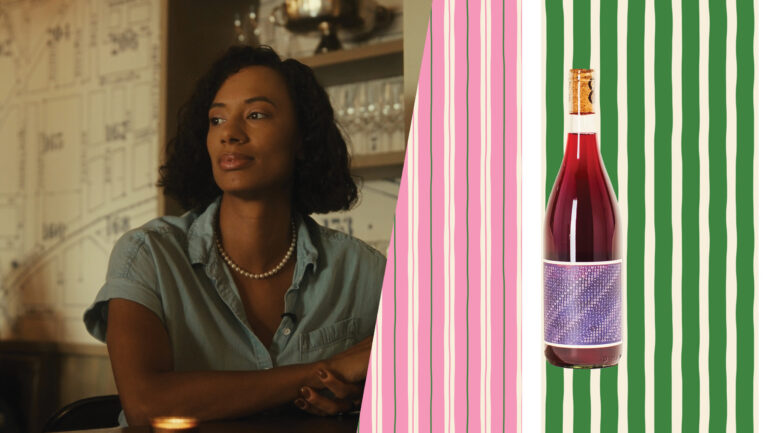
Limited Addition Old Vines Cabernet Franc 2022, Eola-Amity Hills, Oregon; $40
Selected by Jade Palmer, sommelier, Il Premio/FORTH Hotel, Atlanta
Jade Palmer, a sommelier at Il Premio/FORTH Hotel in Atlanta has long been a champion of American wines and winemakers through various off- and on-premise roles in the Atlanta market.
“By virtue of the Limited Addition name, winemakers Chad and Bree Stock choose to limit their inputs into the wine, allowing the grape and Oregon terroir to show in the glass,” she says. “The grapes are sourced from an organic, no-till vineyard, and the wine sees neutral oak in maturation, so no overt oak flavors are present in the wine. This wine is not funky, but still sees minimal sulfur dioxide input, so the result is a classic style of Cabernet Franc from a region that isn’t necessarily well-known for that grape variety.”
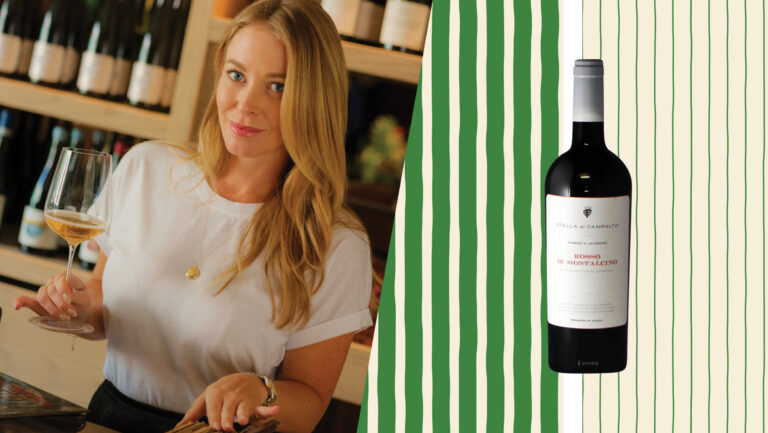
Stella di Campalto Rosso di Montalcino 2020, Tuscany, Italy; $149
Selected by Courtney Wieland, vice president of private clients, Parcelle, New York City
As a curator of wine for private clients and collectors through Parcelle’s off-premise enterprise, Wieland is especially well-versed in connecting consumers with special bottles. Wieland notes that some of the top producers of the world use natural winemaking techniques to produce clean, pure wines without the unconventional characteristics consumers may associate with the category. “Four to five years ago, people were asking for natural wine and expecting to get something bitter, tart, and with a lot of funk and twang. Now, I think more people are becoming educated and looking at it as more of a sustainable way of making the wine industry a more environmentally friendly one.”
Wieland points to winemaker Stella di Campalto, who is “known for incredible biodynamic methods that started well before current natural wine trends, but her wines have never tasted natural,” says Wieland. “The wines are incredible: ethereal, intriguing, and explosive. She makes very singular wines and, in particular, very singular Sangiovese.”
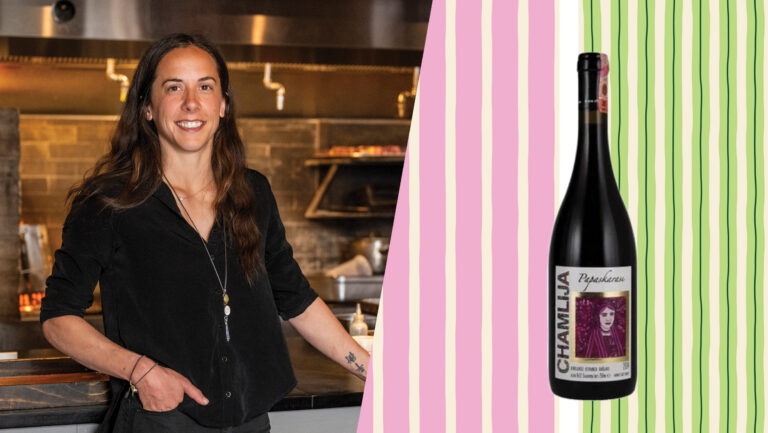
Chamlija Papaskarası & Cabernet 2021, Thrace, Türkiye; $18
Selected by Katrina Guldal, co-owner and beverage director, Hamdi, Seattle
Matching native wines with international cuisine is an opportunity for beverage directors in the U.S. to showcase natural winemaking from lesser-known regions. “Chamlija is my go-to choice for a natural wine,” says Katrina Guldal, the co-owner and beverage director of Hamdi in Seattle. “It is naturally made and really unique; not only because it is a Turkish wine and we are a Turkish restaurant, but because it brings something new to the table.” Winemaker Mustafa Çamlica “is known for letting the wine make itself,” says Guldal, noting that the wine is made with minimal inputs from grapes grown on intentionally densely planted vines that encourage deep-rooting in the decomposed granite soils.
“I recommend these wines because they showcase grape varieties that many people have never tasted alongside grapes that are already well known in the wine world,” she says. “This wine is warm, bold, and beautifully expresses the unique Thrace terroir without leaning into being funky.”
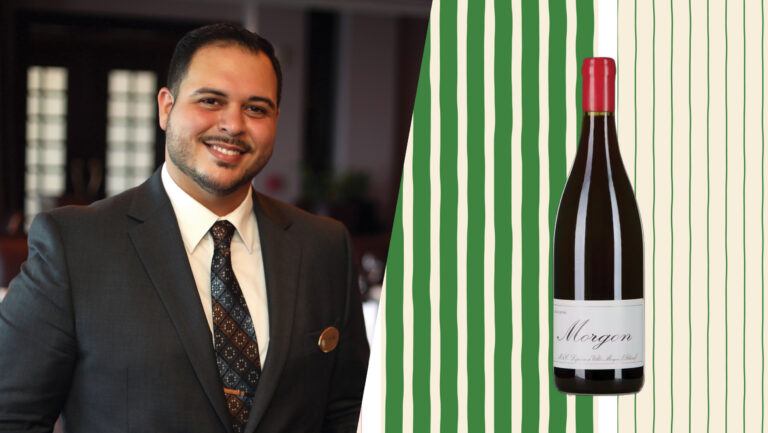
San Juan, Puerto Rico (photo courtesy of Condado Vanderbilt Hotel); Domaine Marcel Lapierre Morgon 2024.
Domaine Marcel Lapierre Morgon 2024, Beaujolais, France; $47
Selected by Bryan Solino Rivera, general manager, 1919 at the Condado Vanderbilt Hotel, San Juan, Puerto Rico
At 1919, the fine-dining restaurant at the Condado Vanderbilt Hotel in San Juan, Puerto Rico, general manager Bryan Solino Rivera finds that “the conversation around natural wine is becoming more sophisticated,” he says. “Guests are moving beyond thinking of it as a novelty or fad and are looking for wines that combine responsible farming and minimal intervention with balance, cleanliness, and compatibility with food.”
With that in mind, “Marcel Lapierre is one of the benchmark names in modern natural wine,” says Solino Rivera. “Ultimately, I do not recommend this wine simply because it is natural. I recommend it because it is an excellent wine, and its natural approach is one of the reasons it expresses its origin so clearly.” Solino Rivera notes the estate’s organic farming practices and natural winemaking choices, which results in an expressive wine with clarity and classic Morgon character, including nuances of cherry, raspberry, violet, and subtle licorice. “For a guest who associates natural wine exclusively with cloudy, sour, or overly funky flavors, Lapierre can be transformative,” says Solino Rivera.
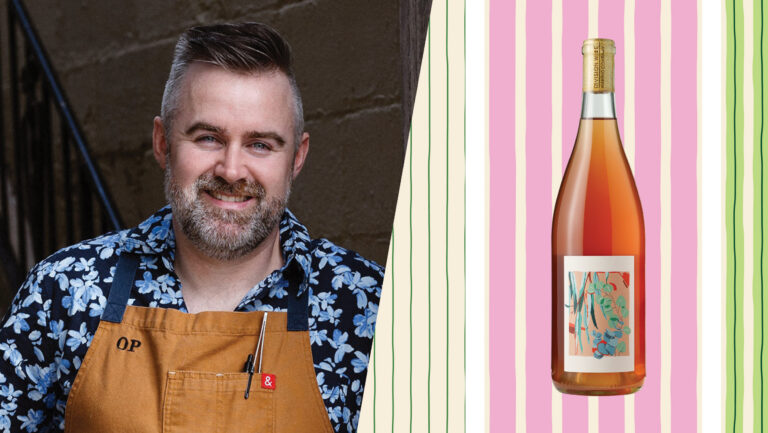
Division Winemaking Company ‘L’Orange’ 2022, Portland, Oregon; $27
Selected by Owen Perry, wine director, Lansdowne, Portland, Oregon
At Lansdowne, Owen Perry curates an all-Pacific Northwest wine list spotlighting small producers across Oregon and Washington to coalesce with the seasonal, distinctly Pacific Northwest menu. “To me, natural wine is less about a rigid definition and more about philosophy and culture,” says Perry.
“L’Orange by Division Winemaking Company is a staple in the Portland wine scene,” he says. “It is a clean field blend consisting of Pinot Gris, Riesling, Roussanne, Chenin Blanc, Gewürztraminer, Sauvignon Blanc, Chardonnay, and Aligoté.” With thoughtful skin contact and minimal intervention, “it is much more accessible than many of the more funky orange wines I have tasted,” says Perry. “It features citrus and floral qualities that I love in skin-contact whites, without the more astringent tannins that are sometimes present.”

Dispatch
Sign up for our award-winning newsletter
Don’t miss the latest drinks industry news and insights—delivered to your inbox every week.
Pamela Vachon is a freelance writer whose work on food, beverages, travel, and especially the intersection of those elements has appeared in Food & Wine, Wine Enthusiast, Travel & Leisure, VinePair, and Bon Appétit, among others. She was formerly a bartender and captain at New York’s The Modern, and teaches classes at Murray’s Cheese. She splits her time between London, New York, and Castlerea, Ireland, where she hopes one day to make cheese.