Fat-washing has long been a bartender’s parlor trick used to enhance the flavor and feel of a cocktail. Across the U.S., the technique—in which animal, dairy, and plant-based fats are infused with spirits—is used to create cocktail staples like bacon bourbon, brown-butter rum, and milk punch. But olive oil, despite being one of the most gastronomically important fats in the world, has been underexplored behind the bar. That is, until now.
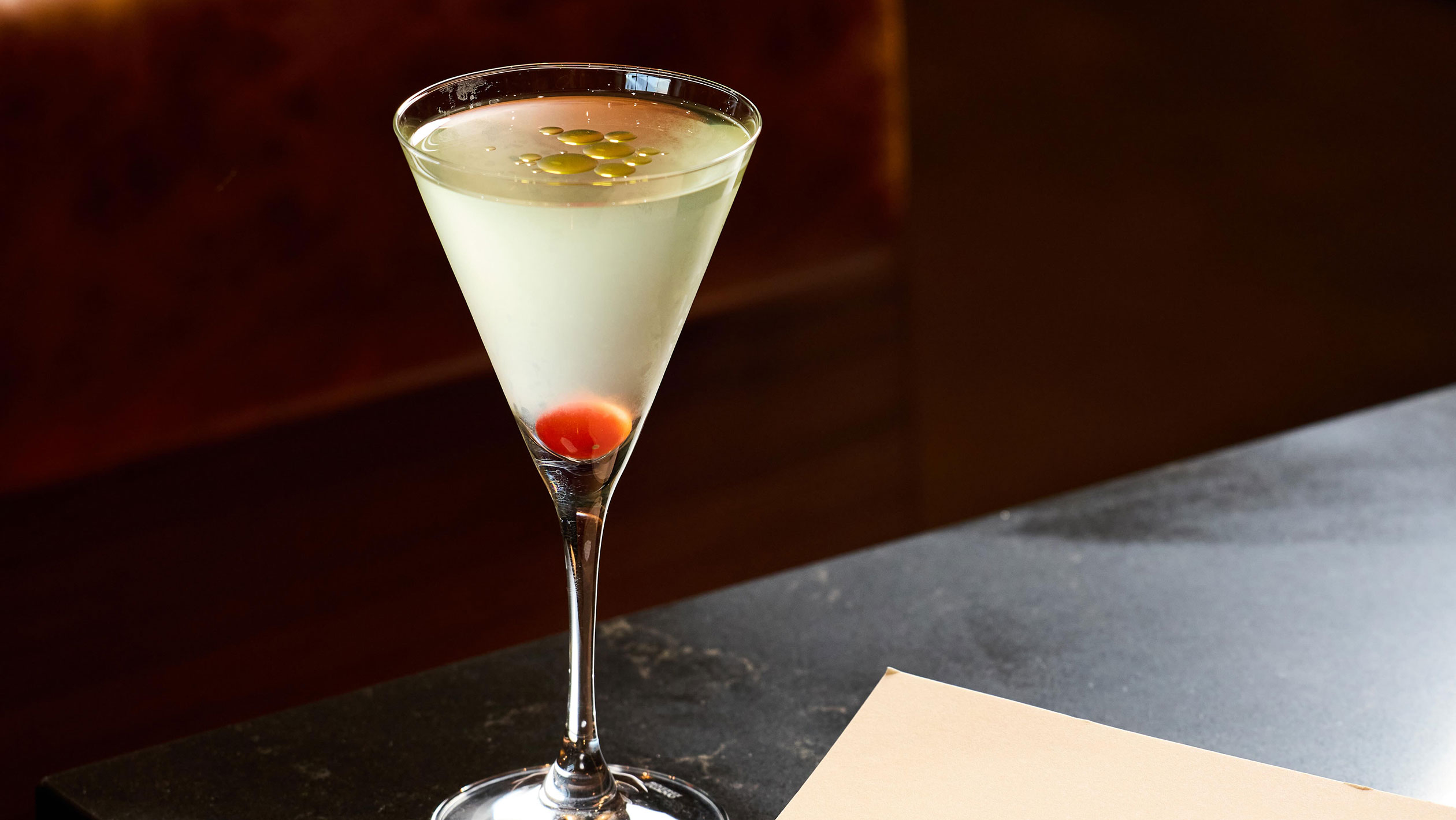
“Oil in drinks is hot right now,” says Anthony D’Agostino, the general manager of Cleveland cocktail lounge Encore. “When a few dashes of olive oil sit on top of a cocktail, it adds a smooth, silky drinking experience,” he says.
When olive oil is used for fat-washing—which is done before a drink is made and allows some of the oil compounds to move into the spirit before straining—the final result leads to elevated cocktails full of refined complexity and structure.
Don’t miss the latest drinks industry news and insights. Sign up for our award-winning newsletters and get insider intel, resources, and trends delivered to your inbox every week.
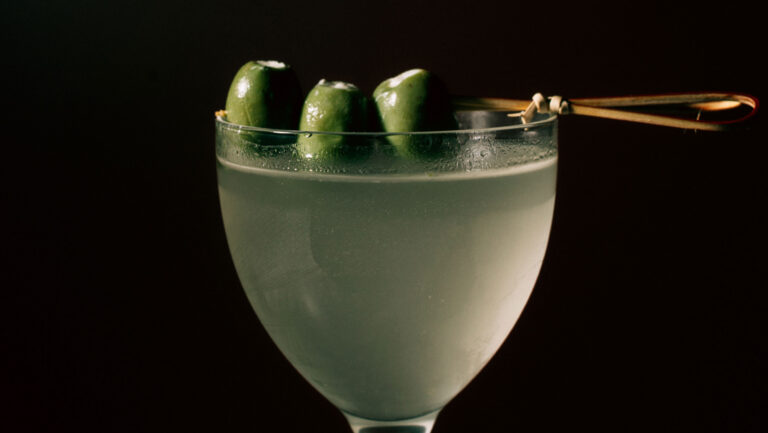
One of Encore’s most popular drinks, Alert the Press, is a nuanced take on a dirty martini made with olive oil–washed vodka, vermouth, peppercorn, Champagne vinegar, olive brine, and blue-cheese-stuffed Castelvetrano olives. Mixologist Marion Siperstein olive oil–washes the vodka to soften its edges. “Vodka drinks, especially martinis, can be a bit abrasive,” she says. “This makes the cocktail smoother, rounder, and easier to drink.”
As more bartenders look toward savory drinks with balance and texture, olive oil is emerging as one of the most versatile cocktail ingredients.
How Olive Oil Fat-Washing Works
There’s a scientific reason olive oil works so well for fat-washing: it contains a high proportion of monounsaturated fats. Many aromatic compounds found in botanicals, herbs, and citrus oils used in cocktail creation are fat-soluble, meaning that during the washing process, the oil can capture and carry these aromas into the spirit, essentially softening the perception of ethanol and giving the cocktail a smoother, rounder texture. This is especially effective with highly botanical spirits like gin and fortified wines such as vermouth—one reason the Martini is the most popular cocktail to olive oil-wash, though it also works well in White Negronis, Gibsons, Margaritas, and vermouth-forward aperitivo cocktails.
At The Peach Crease Club in Denver, Colorado, husband-and-wife team Stuart Jensen and Alex Jump use olive oil to add depth to cocktails while balancing against salt, acid, umami, and heat. Their most popular drink, The Fattoush, reimagines the Middle Eastern bread salad as a gin cocktail with cucumber, tomato, onion, labneh, za’atar, and olive oil. The result is a vegetal, savory martini.
“It’s like a Gibson batched with red onion brine and diluted with tomato water and cucumber juice instead of water,” Jump says. “People are really surprised by it—it’s like drinking a salad.”
Though fat is often the hardest element to balance on a cocktail menu, says Jump, olive oil is a great alternative because it integrates more lightly into spirits and doesn’t leave behind the waxy characteristics like dairy or animal fats. Another benefit of olive oil-washing: it doesn’t alienate guests with allergies or restrictions.
“You can’t have a menu that uses dairy in every drink,” says Jump. “You get a rounder texture than with milk punch, which is more about clarification. But olive oil also brings its own flavor—peppery spice that dairy doesn’t—so it’s a deliberate technique choice.”
Choosing the Right Olive Oil
The choice of olive oil matters because it directly affects the flavors in a drink. When Jump experimented with highly peppery olive oils in lighter spirits like gin, the flavors overwhelmed the drink. “I was looking for body and mouthfeel with just a subtle olive oil character,” she says. “Those oils were so pungent they clashed with the spirit.” She now favors more restrained blends, which are commonly used behind bars across the country.
But while blends might be easiest and safest, that doesn’t mean there aren’t single-variety options that work. Sara Jimenez, an olive oil sommelier and the owner of the Somm in the Grove, points to olive oil varieties like Arbequina and Koroneiki for their mild, rounded, slightly fruity profiles. “They’re more appealing to people who don’t want the pepperiness,” she says. Arbequina, especially, complements tequila’s saline, vegetal character.
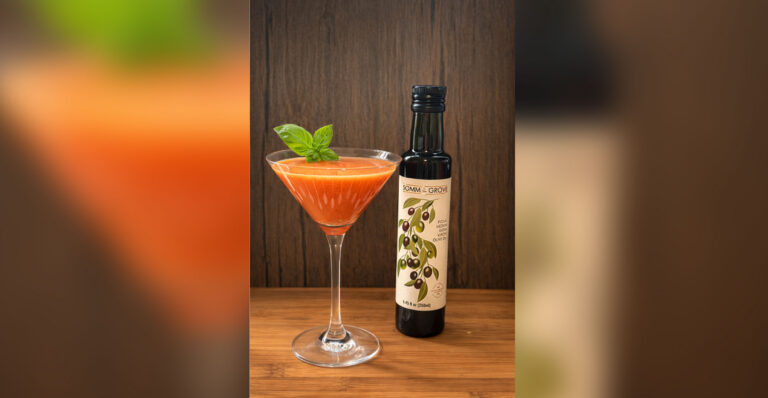
For more assertive oils, pairing the variety of olive with specific spirits and cocktail ingredients becomes key. Jimenez suggests Coratina olive oils, which are powerful and boldly structured, for cocktails with more spice and depth, like her truffle-infused gin Martini, because its intensity can match that of the truffle flavors. For cocktails with grassy, vegetal flavors opt for Picual—Jimenez uses it for a Tomato Tini in her cocktail classes—while a softer Leccino from Umbria pairs well with drinks that incorporate Bourbon and smoked-meat flavors. Frantoio offers a nuttier profile and is great in Old Fashioneds.
While single-varietal olive oils are gaining traction in the U.S., cost keeps most bartenders working with blends. “They’re a blank slate,” says Jimenez. “They give you more creative freedom.” Still, she predicts change ahead. “In the next five years, I think we’ll see people choosing olive oils the same way they choose wine—based on what they’re eating and drinking.”
Perfecting Technique
When it comes to olive oil-washing, Jimenez cautions against overuse. “Olive oil should make your cocktail feel clean,” she says. “You don’t want to feel oiliness.” She recommends using high-quality oil, limiting additions to one to two ounces per 750-milliliter bottle, and gently warming the oil before combining it with the spirit so it emulsifies properly. After resting for two to three hours, freeze the mixture so the fat can be removed before straining through cheesecloth. Save the fat cap for later use to add body and texture in mocktails, Jimenez advises.
Technique also depends on the drink. For minimalist cocktails built on bold base spirits without a lot of mixers—Martinis, Negronis, and Old Fashioneds, for example—fat-washing delivers the cleanest result. “If you just add olive oil and dry shake a Martini, it floats to the top,” Jimenez says. “Fat-washing creates a better base.”
In cocktails with stronger flavors and more ingredients, like an Espresso Martini, olive oil can be added directly. Jimenez uses a bar spoon of Coratina for what she describes as a “seductive smoothness,” dry-shaking first to emulsify the oil before cold-shaking. The density of these drinks keeps the oil integrated, preventing separation and allowing olive oil’s character to complement—rather than overwhelm—bold flavors like espresso.
Whether bartenders are working with single-varietal oils or blends, the olive oil trend shows no signs of slowing. In San Francisco, True Laurel’s Shaken Lemon Stirred combines fino sherry, Moscato Chinato, good vodka, and olio nuevo—an oil pressed from the first olives of the season. In Santa Monica, Orla pushes the idea further with the Wadj-Wer, built with Vicario Olive Leaf Liqueur, an amaro that channels bitter, herbal olive notes. Across techniques and formats, one thing is clear: olive oil is no longer a novelty behind the bar, but a serious tool for building flavor, texture, and balance.

Dispatch
Sign up for our award-winning newsletter
Don’t miss the latest drinks industry news and insights—delivered to your inbox every week.
Alissa Bica Raines is an Advanced Sommelier and wine and spirits writer. Along with SevenFifty Daily she contributes to Wine & Spirits, Food & Wine, The Unicorn Review, The Somm Journal, and The Tasting Panel with her recurring column, Bica’s Bar. She also uncovers rare grape varieties on her blog, Off the Beaten Wine Path.