Standing in an agave field opposite Tequila Ocho’s new distillery in Arandas, Mexico, in the blinding Spring sunlight, the ever-dynamic Carlos C. Camarena is schooling the assembled group, myself included. “With tequila, we have three ingredients and the only quality you can control is the agave,” he says. “If you have first-quality agave, you have first-quality tequila. Depending on where the agave has grown will affect the characteristics. Different soil, microclimate, even weeds growing nearby, will all make a difference.”
What he’s talking about, of course, is terroir. The master distiller and agave farmer began arguing for the existence of terroir in tequila—alongside the late Ocho cofounder and legendary tequila ambassador Tomas Estes—in the early 2000s, back when the idea was absurd to many. The common belief was that the process of distillation stripped agave’s potential to showcase terroir. Ocho was their proof of concept that agave, just like grapes, with shared provenance could impart unique characteristics to the resulting spirit.
“Because of my experience and my family’s experience producing tequila for up to five generations, we knew that there was always a difference [in taste],” says Camarena, “and what we tried to do was demonstrate we were right.”

Don’t miss the latest drinks industry news and insights. Sign up for our award-winning newsletters and get insider intel, resources, and trends delivered to your inbox every week.
Ocho’s 2008 vintage, produced with plants harvested solely from the El Carrizal ranch, was the first single-estate tequila on the U.S. market. Nearly two decades later, tequila volume in the U.S. has grown by 302 percent (since 2003), and single-estate expressions make up a small but growing percentage. (Of the more than 5,000 products listed on Tequila Matchmaker’s database, around 200 are labeled single estate). But not all single-estate tequila can be considered truly terroir-driven. As David Suro Piñera, the founder of Siembra Spirits and owner of Tequilas Restaurant in Philadelphia, says, “You are working with a raw material that is extremely expressive and it’s extremely complex to handle it in the right way to produce legitimate [terroir-driven] agave spirits.”
It isn’t just the nature of the crop that creates challenges; over the years, U.S. consumer demand geared the industry towards the type of agricultural methods and mass production techniques that detached tequila from its terroir. Brands like Ocho, Siembra, and, most recently, Lágrimas del Valle make the case for a deeper exploration of the complex spirit.
Introducing the Concept of Terroir in Tequila
Most producers purchase agave on the open market from a variety of growers. The resulting distillates are blended in order to smooth over variations and deliver a consistent product to the consumer. Additives are another common tool used to create uniformity or mask shortcuts in the harvesting and production process. This sense of conformity, however, covers up agave’s true character. “Every single tequila should taste different,” says Suro Piñera, “because every single batch of tequila is like wine: it has a different vintages, different regions, different agaves.”
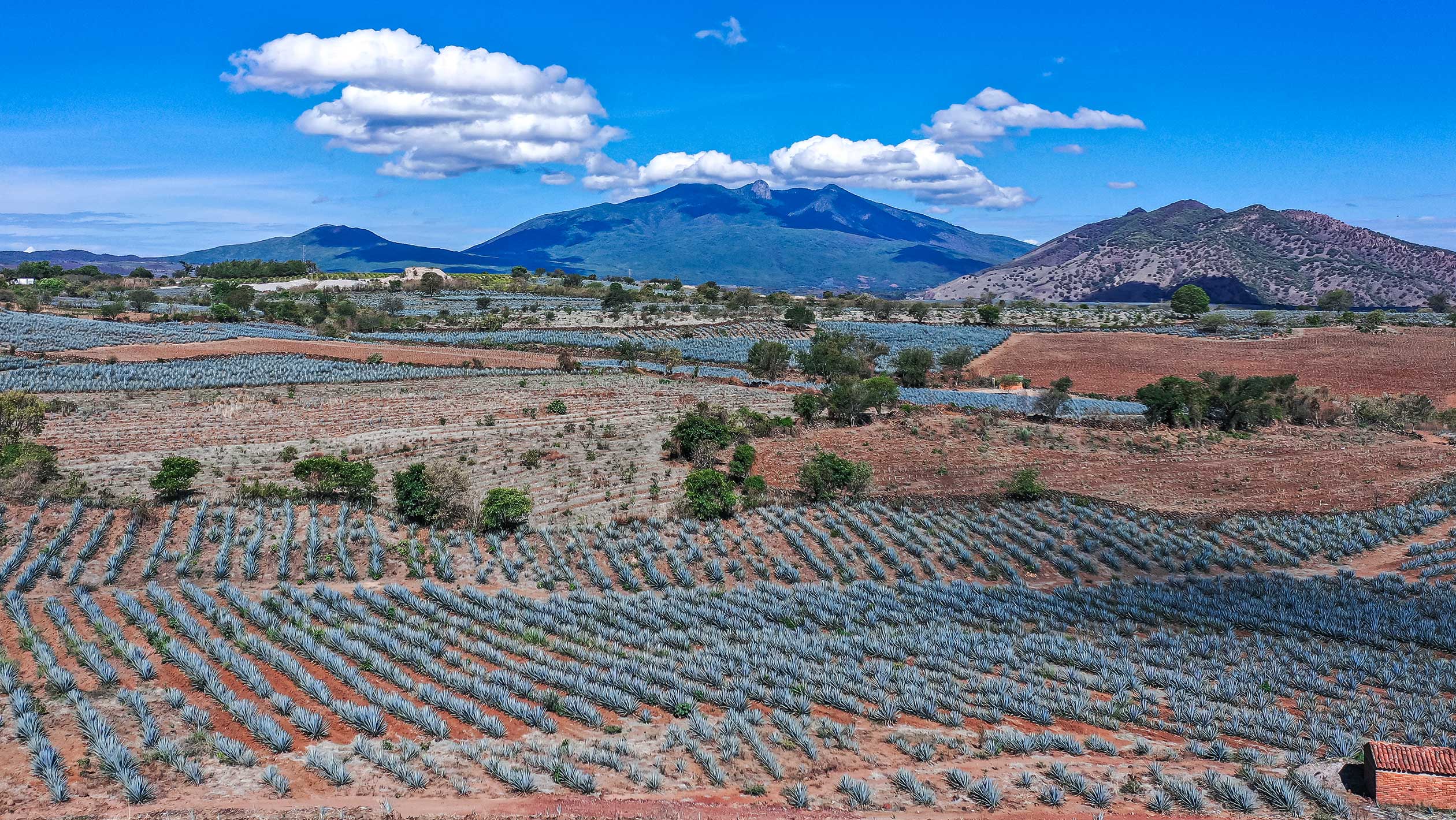
The most commonly recognized distinction in provenance for agave (specifically, the Blue Weber agave required by the DO) is between Los Altos (the highlands) and El Valle (often called the lowlands) of Jalisco. Los Altos, sitting at higher elevation with iron-rich soil and greater diurnal shifts, is said to produce sweeter, fruitier, and more approachable tequilas. El Valle, which is still around 4,000 feet above sea level, is known for its dark black, volcanic soil and milder temperatures, which commonly deliver tequilas with more vegetal, herbaceous, and sometimes spicy notes.
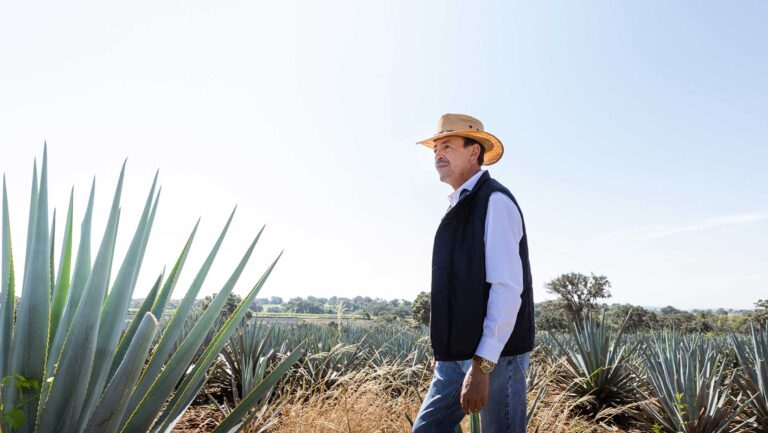
These generalized distinctions, recognized by the more educated consumer, are helpful in marketing but define terroir in the broadest of strokes. At Ocho, for example, each release is made with agave harvested from one of their almost two dozen ranchos, demonstrating how even within a subregion of Jalisco’s highlands there is potential variation in terroir.
However, says Brandon Cummins, the director of education at Altamar, who was previously with the sustainability-focused Tequila Interchange Project, “There’s still so many other terroirs left to explore across the other four states.”
A Deeper Study of Agave Terroir
When Cummins pitched a multi-regional agave project to Salvador “Chava” Rosales Trejo, the third-generation master distiller behind Tequila Cascahuín, over dinner in Guadalajara—after DMing him “like a fan girl” on Instagram—it was with the idea of building on the terroir-driven project begun by Camarena (Altamar was the original distributor for Ocho). Lágrimas del Valle, which launched in 2022, uses the term rancho unico to describe its releases, as most often the fields are not owned by the Rosales family. They reserve the use of “single estate,” as with wine, for when they’ve farmed the agave themselves. The choice of ranch—made by Rosales Trejo’s father, Salvador Rosales Torres—is determined by what deepens their study of terroir.
For their first release, they harvested two fields that were almost adjacent to one another as a litmus test. And the result? “It was like, holy crap!” says Cummins. “Soil content was almost the same; both fields were surrounded by a native variety of plum, so would have similar wild yeast on the agaves at harvest. You could argue they’re growing cycles were relatively identical, and yet they couldn’t have been two more different tequilas. Having now conducted multiple tastings side by side, we basically were able to prove for ourselves that even with very small variables in location that there is still substantially different character field to field.”
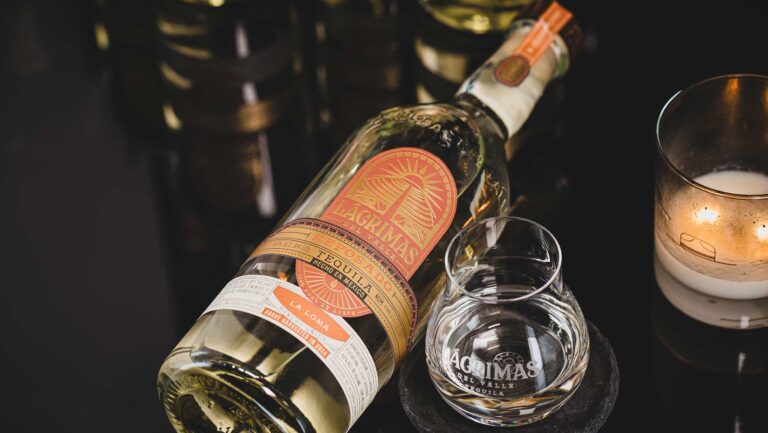
Since then, they’ve released batches from a plot that was formerly an inland sea, with agave plants boasting a brix content of around 40 percent, and from a ranch in Guanajuato interplanted with sweet acacia trees, which piqued their curiosity. “These are not well-manicured fields,” says Cummins. “They are often very wild, overgrown with whatever subspecies are deciding to live amongst the agave, which is exciting because that creates that much more of a unique snapshot of terroir.”
After three years, the team is starting to track more data; differences in soil substrates, average precipitation, temperature swings, and more, “to impress some empirical data upon the anecdotal observations,” says Cummins. “When you extrapolate that out to a timescale of the five plus years, the lifecycle of the agave, it is a monstrous set of data.”
That is part of the challenge and the thrill of producing terroir-driven tequilas: agave’s extended life cycle. “We never really know what the result will be,” says Camarena. “That’s the interesting part; when we start producing tequila from a particular field, saying, ‘What is your story? How was living in that particular plot of land for seven, eight years, and what affected you?’”
Preserving Terroir in Tequila Production
Ocho has an established and unchanging production process to “create the best conditions to let nature do its job,” Camarena says, because “every little change in the process will slightly change the story.” Cummins echoes this sentiment; for a true investigation of terroir, “we must create as much control as possible, allowing the only experimental variable to be the field.”
Within that variable there are some choices for a producer to make: for example, if starting from scratch, which field to plant, whether it’s a new plot or, if not, how long the plot has rested after its last harvest; and, once the agave reaches maturity, when to harvest. “Even the time of the year or the moment that you’re harvesting the agave will give you a slightly different result,” says Camarena.

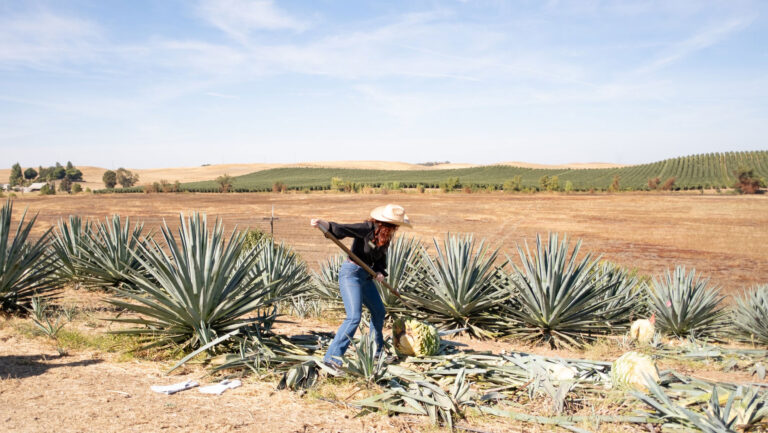
Another significant choice is what type of cut, or jima, to use when harvesting the agave. There are three types of jima: jima larga, which leaves more of the agave’s leafy spike or penca; jima normal; and jima rasurada, which cuts right to the base of the piña. As the penca has a natural bitterness, the choice of cut can impact the final flavor profile of the tequila. “If you have a plantation that due to the vintage is going to develop a high sugar content, you can balance this weakness in a natural way by how you shape the plants when you harvest them,” says Suro Piñera. When producing the small-batch, organic Solento, for example, the jimadores opt for jima rasurada to produce the sweetest tequila possible from the crop, “as a bridge,” says founder Taylor Steele, for drinkers more accustomed to artificially sweetened tequilas.
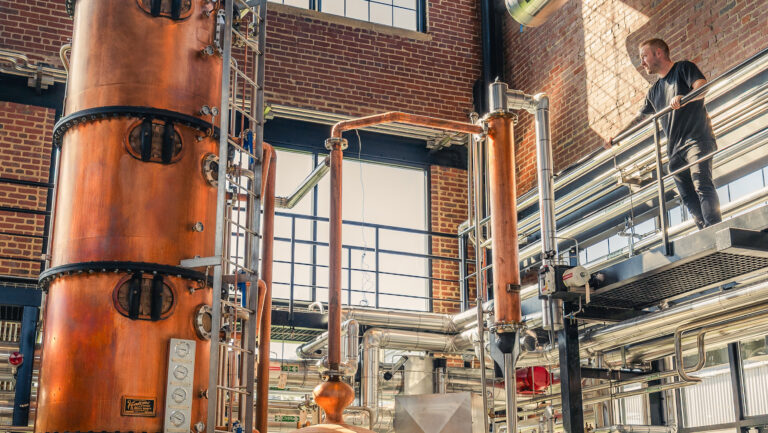
Once in the distillery, producers of terroir-driven tequilas tend to adopt a traditional, minimal-intervention approach, whereas many common production methods can compromise the raw product. “If you use diffusers to make the conversion from starches into fermentable sugars, then you need only a few hours,” says Suro Piñera. This rapid extraction can strip away the natural agave flavors. “You have high efficiency, but you’re going to have deficiency organoleptically speaking. [However] if you use brick steam ovens that need up to three days to complete the conversion, you are going to preserve more flavours and aromas in your tequilas, so it’s very expressive when it comes to terroir.”
The Challenges of Producing Terroir-Driven Tequila
This level of artisanship, of course, comes with a cost. “We are a very small tequila company,” says Suro Piñera. “We don’t own a distillery, we don’t own agave fields, but we work with responsible producers that are willing to take on that extra effort. You can cut corners, make more money … [but] I always say we should not underestimate the amazing consumers that are now coming into the category of tequila.”
For Eladio Montes, Jr., the production manager of the Tequila Las Americas distillery in Amatitán, which produces Solento, as well as other organic, single-estate brands like Casa Azul and AgaveLuz, the greatest challenge in creating single-estate tequila is owning the land. “As we work to keep up with demand, we need to acquire new land and as the cost of land continues to increase, the cost of production also increases,” he says.
Beyond production, there are also logistical challenges of having a business model that relies on small-batch releases, each demanding a distinct Certificate of Label Approval from the TTB amongst other permits and registrations required for importing alcoholic beverages. “Everything is an exercise in patience and discipline,” says Cummins.
But the payoff is bringing new drinkers into the fold. “That’s what motivates me and keeps me doing what I’m doing,” says Suro Piñera.
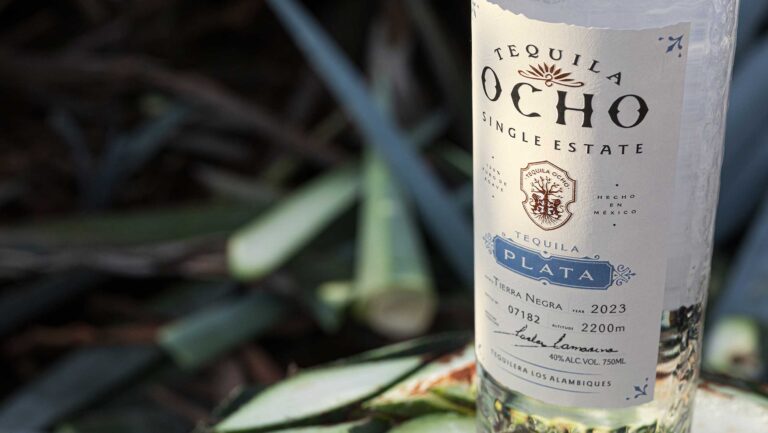
What creates confusion for consumers is how descriptors such as “terroir-driven” and “artisanal” are now used so broadly. “Walk down the aisle of any bigger liquor store, and pick out [tequila] bottles that say “single estate” or “single field.” The majority of those, to my knowledge, are not actually what I would consider single field or single estate,” says Jesse Estes, the son of Tomas Estes and the global brand ambassador for Ocho. “There’s no regulations around this terminology so brands can use it freely. One of the things we’ve been discussing is how do we continue to reinforce this messaging now that many others are using it?”
The answer to that is transparency, traceability, and education. Each bottle of Siembra tequila has technical data on its labels including the agave field location and the year it was harvested, down to the name of the lead jimador. Ocho labels, too, have QR codes that link to images and descriptions of the specific ranch.
The Consejo Regulador del Tequila (CRT) requires a certificate of origin—known as an Agave Movement Passport—for all agave used in the production of tequila to ensure authenticity and compliance with the regulations of the DO. Even bulk brands who source agave from multiple sellers must have these papers. “We have such sophisticated methods of traceability, we should talk about it and we should show it to the consumer,” says Suro Piñera.
Terroir as a Gateway to Conservation
Some argue that if the case for the connection between the terroir of the region and the quality of tequila is better established, there would be greater incentive to protect the land from over production and support the small-scale agaveros who farm it. Soaring demand leads to cycles of agave surplus and shortage, which in turn creates insecurity among farming households and results in the increased use of pesticides, rather than relying on more labor-intensive but sustainable farming practices. Over production has had a whole host of other environmental and socio-economic consequences.
But an appreciation of terroir, Suro Piñera says, trickles down through the industry, from the farming communities to the land. “If the spotlight is a celebrity and that’s what makes a good tequila, then you don’t even consider the human element: the farmer, the master distiller, the guy who is in charge of handling that agave. The benefits then are for a few corporations who are very savvy and take advantage of the mystical aura of the agave spirits,” he says. “But when we’re talking about terroir, we are connecting with farmers and we are connecting with producers who are engaged in taking care of their farms and taking care of their surroundings.”

Dispatch
Sign up for our award-winning newsletter
Don’t miss the latest drinks industry news and insights—delivered to your inbox every week.
Tyler Wetherall is a journalist and author, and the former senior editor for SevenFifty Daily. Her drinks journalism has appeared in Punch, The Guardian, Condé Nast Traveler, Thrillist, and The Spirits Business, which awarded her the Alan Lodge Young International Drinks Writer of the Year. Tyler is also the author of No Way Home: A Memoir of Life on the Run, and the novel Amphibian. Follow her on Instagram at @tylerwrites.