When a grape is dismissed by premium winemakers as subpar and only worthy of bulk production in three countries, it’s rare to see its reconsideration and sudden elevation anywhere—never mind in all three regions.
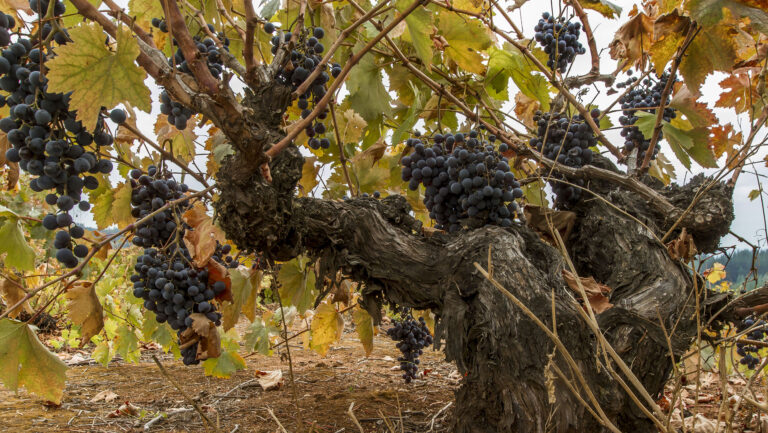
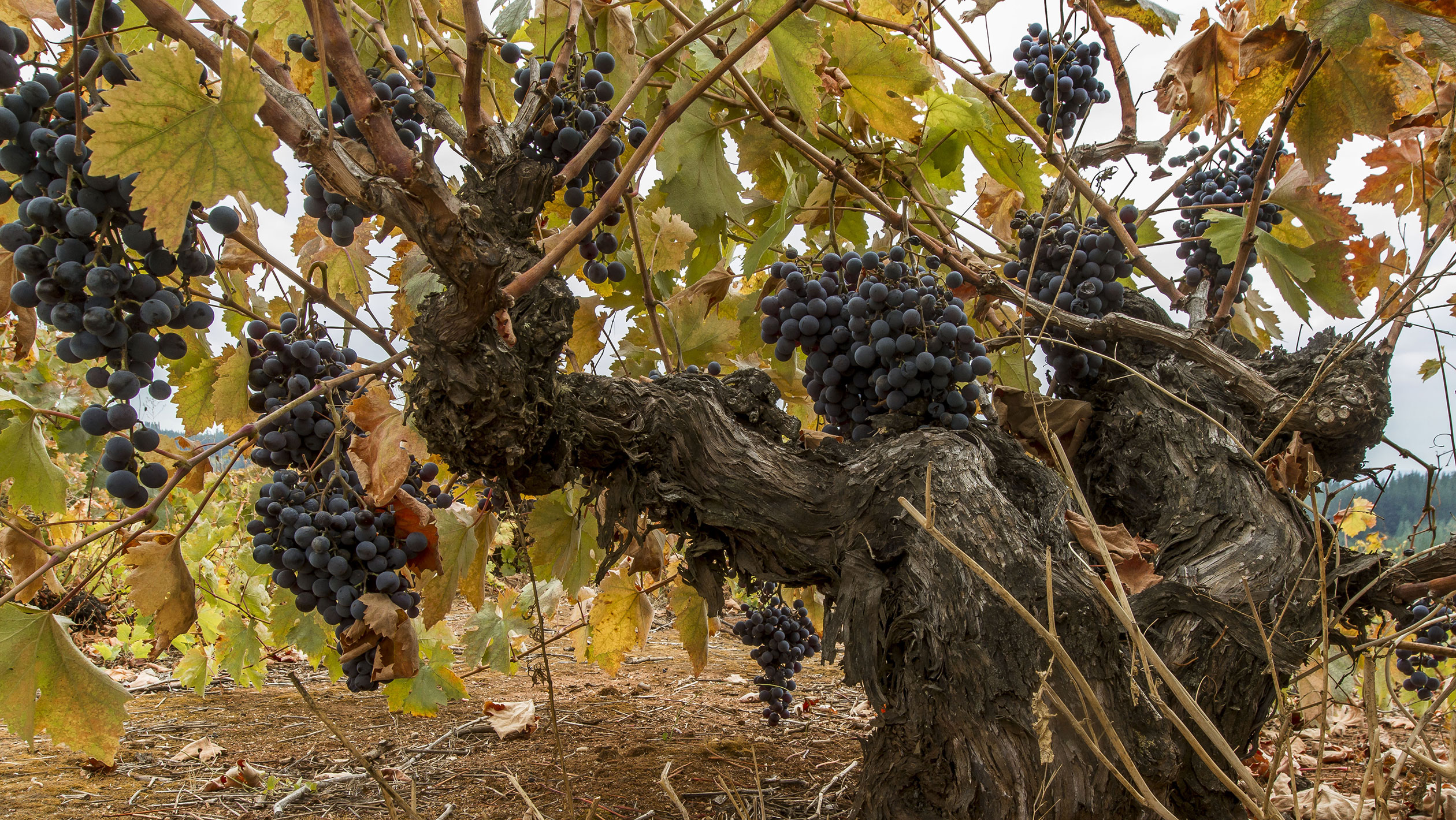
But that’s exactly what’s happening to one grape, known by a variety of pseudonyms in California, Argentina, and Chile. One of if not the first Vitis vinifera grapes exported from Europe to the Americas in the 1500s by the Spanish conquistadores, it is finally being celebrated as worthy of premium status after centuries of low regard. Called Mission in California, Criolla Chica in Argentina, and País in Chile, it was first known as Listán Prieto in Spain.
Because these grapes have evolved over centuries in different climates and soils, the manner in which they grow and express themselves is now distinct. Adding to the confusion, there are several grapes known generically as Criolla in South America, namely Criolla Chica, Cereza, Criolla Grande, several Moscatels, Torrontés, and more.

Don’t miss the latest drinks industry news and insights. Sign up for our award-winning newsletters and get insider intel, resources, and trends delivered to your inbox every week.
The first non-industrial iterations of the grape—which came to market in the early to mid-aughts—captured a niche audience. When they were exported, most landed in major markets like New York City, where niche audiences embraced the wines for their history and authenticity. Many of the early versions were decidedly natty, building fervor in the still-burgeoning natural wine scene.
“How do I say this politely?” Gustavo Sotelo, the director of winemaking at Scribe Winery in Sonoma asks rhetorically. “There have been several natural wines made with Mission grapes that have their own personalities.”
But the complications do nothing to dampen the enthusiasm of high-flying fans like Master Sommelier and author Pascaline Lepeltier, who currently runs the Michelin-starred wine show at Chambers in New York.
“I started working with País around 2010 when I was building out the Rouge Tomate program and looking for interesting wines from the Americas,” Lepeltier recalls, explaining that her exploration of Criolla Chica came almost a decade later, and her discovery of Mission was even more recent.
“The expressions vary significantly country to country,” Lepeltier says. “País shows more tannic structure, and there’s a smokiness present that you don’t find in Criolla Chica. Mission is closer to País with the structure. But all three are lighter, food-friendly wines with the potential for low alcohol, without the greenness that can often be found with low-alcohol reds. They are also complex, with layers and high acidity. They definitely meet the current moment.”
Winemakers clearly agree that whatever it’s called, this light red wonder ticks all the boxes in terms of market desires. And as it turns out, the grape also appears to be well-suited for climate change as well.
Criolla Chica Shows a Different Side of Argentina
“Argentina is associated with powerful, sometimes over-oaked reds,” says Sebastián Zuccardi, the viticulturist for Zuccardi Valle de Uco. “But people today want more than just concentrated Malbecs. We’re seeing a huge white wine revolution in Argentina, and my friends and I saw the potential for a fresher, fruitier and more sophisticated red.”
In 2011, Zuccardi and his wife Marcela Manini teamed up with fellow couple Nuria Año Gargiulo and Pancho Burgallo to tell a different story about Argentinian wines.
“We discovered these ancient vineyards of Criolla Chica and other Criolla varieties in this forgotten valley, Barreal, right along the Los Patos River at 1,500 meters above sea level,” Zuccardi says.
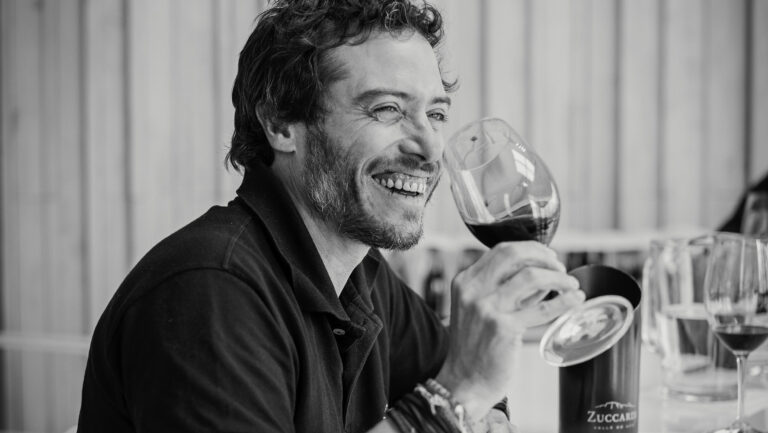
The more than 80-year-old vines of Criolla Chica are grown organically, fermented and aged in concrete, and produced in small quantities, with minimal intervention. But the 50,000-bottle production of Cara Sur is making maximum impact.
“When we started, we didn’t know how the wines would be received,” Zuccardi admits. “But Criolla Chica now has a very important place in Buenos Aires, and while 70 percent is still sold here, more and more important placements are happening in the U.S. too. It is exciting to show the grape in such a pure way, and to see it received with such excitement, because it really offers a different side of Argentina, and defies expectations.”
In the U.S., Cara Sur’s Criolla Chica graces some of the country’s most progressive lists, including New York City’s Chambers, Le Bernardin, and Terroir, and Chicago’s Brasero.
País in Chile Is Rooted in the Past, With a Sparkling Future
The word País translates to “country,” but it can also mean “land” or “nation,” depending on how it’s used. In the hands of Eduardo Jordan, the chief winemaker at Miguel Torres Chile, it embodies all three.
“Until the mid-19th century, País was one of the most widely planted varieties in Chile, thanks to its excellent adaptation to the climate and dry soils of southern Chile, after its introduction and propagation in the mid-16th century,” Jordan says. “It was a highly productive grape that yielded wines capable of withstanding aging and the long journeys of the time.”
But following the introduction of international varieties like Cabernet Sauvignon, País was relegated to blends and entry-level wines. As the price for País plummeted, growers pulled it out and replaced it with more profitable internationals.
A few old parcels—some 200+ years old—of País remained, and around 2008, Jordan says that he and a handful of other small producers began exploring its potential for quality wines again.
“One of País’s greatest strengths lies in its deep historical roots and the heroic effort of growers who have sustained its cultivation for generations,” Jordan says. “País is a remarkably resilient variety that, with proper care, can thrive for centuries, as demonstrated by the many old vineyards in the Maule, Itata, and Bío-Bío valleys.”
Despite País’s niche beginnings, Jordan believes as more consumers seek wines with a sense of origin, the embrace of the grape will continue to gain ground. His iteration is already being offered in fine restaurants like ABC Kitchen and retailers like 67 Wine in New York.
Jordan says that sparkling iterations of the grapes, as in the Miguel Torres Chile Sparkling Estalado País Rosé, which they’ve been producing since 2010, has generated excitement for its wallet-friendly ($19 retail) serving of history and contemporary delight. The País grape is also poised for the future, come what may with climate change.
“The variety has adapted for almost 500 years to climatic changes, such as temperatures, droughts, and pests,” Jordan says. “It has vigor and hardiness that make it the king of the dry land.”
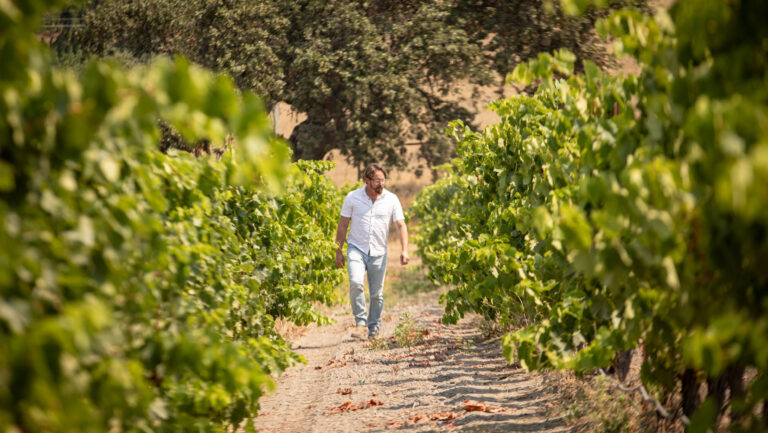
Mission Meets California Current Climate and Market Needs
The Mission grape proliferated in modern-day Mexico and California in the 17th and 18th centuries, thanks to Franciscan missionaries who planted it for sacramental wine. But as it was elsewhere, the grape was abandoned in favor of “rich, high-alcohol wines” like Zinfandel, says Sotelo.
Scribe is based in the southern Sonoma Valley, amid plantings put in the ground by a trio of German brothers in the mid-1800s.
“When we bought the property, we researched the background of the vineyard and the brothers, and we discovered that they received incredible accolades for Mission wines they shipped to Germany,” Sotelo says. “We wanted to pay homage to the history of the place, which meant planting German varieties and Mission.”
Sotelo says they didn’t know what to expect—except vigor.
“You see pictures from the olden days and there would be one Mission vine covering half an acre,” he says. “We were actually kind of terrified.”
But they planted two acres with much wider spacing, giving the vines about twice as much room as they’d normally allocate. Their goal, which felt lofty, but was ultimately achieved, was to “show a different side of the grape,” Sotelo says. One more aligned with what he thinks the German brothers would have made.
“We are in our sixth year of harvesting these grapes, and with aggressive fruit thinning with just one cluster per shoot left, we still get around 10 tons a year,” Sotelo says. “We tried a range of styles, including a rosé and a Lambrusco-style, and we’re really happy with the still red we’ve landed on. It has similarities to Pinot, with notes of red cherries, black tea leaves, violet notes.”
Steven Gerbac, the winemaker and general manager at Rusack Vineyards in Ballard Canyon, which released its inaugural commercial bottling of Mission in 2020 from the 2019 vintage, says he fell for its nerdy backstory.
“I’m from California and I have a degree in history,” Gerbac says. “I know my interest in its connection to California history isn’t unique, and I also love that because it was largely abandoned for so long, there are no expectations as to style. Every winemaker can do it their own way. And it’s exciting for the consumer, because it means drinking a new bottle of Mission is really an act of discovery.”
Sotelo concurs that Mission’s expressions thus far have been “all over the map,” he believes that it’s ready for, if not an upgrade, a new platform.
Sotelo says the response has been encouraging. The wine sells out every year, and he now regularly gets emails from fellow winemakers and members of the trade who have heard about it, and either are considering planting it themselves, or want to carry his wine.
“This wine is connected to history, and it is light and food friendly,” Sotelo says. “It’s delicious and it tells a story. That’s what people want.”

Dispatch
Sign up for our award-winning newsletter
Don’t miss the latest drinks industry news and insights—delivered to your inbox every week.
Kathleen Willcox is a journalist who writes about food, wine, beer, and popular culture; her work has appeared in VinePair, Edible Capital District, Bust magazine, and Gastronomica, and on United Stations Radio Networks, among other venues. She recently coauthored, with Tessa Edick, “Hudson Valley Wine: A History of Taste & Terroir.” She lives in Saratoga Springs, New York.