
There’s an allure in being a beverage director. Autonomy, creativity—the freedom to bring your own drinks and perspective to a restaurant or bar’s beverage program.
But when Carolina Gonzalez, now the beverage director of Chicago’s Diego, Entre Sueños’s pop-up series, and the forthcoming Trino, was first promoted to a beverage director role in 2017, she found an unexpected side of the job: spreadsheets. Lots and lots of Excel spreadsheets.
“It’s part of the business people don’t understand,” says Gonzalez.
Don’t miss the latest drinks industry news and insights. Sign up for our award-winning newsletters and get insider intel, resources, and trends delivered to your inbox every week.
Gonzalez can make a great cocktail. But as a now-seasoned beverage director, her role isn’t just drink ideation and curation—it’s to drive revenue for her restaurants and bars. She balances the books, prices out pours, manages distributor relationships, and navigates case deals and other cost-saving measures.
“We’re creatives—obviously beverage directors have a specific customer experience they want to give,” Gonzalez says. “But if the numbers don’t match up, the bar doesn’t stay open.”
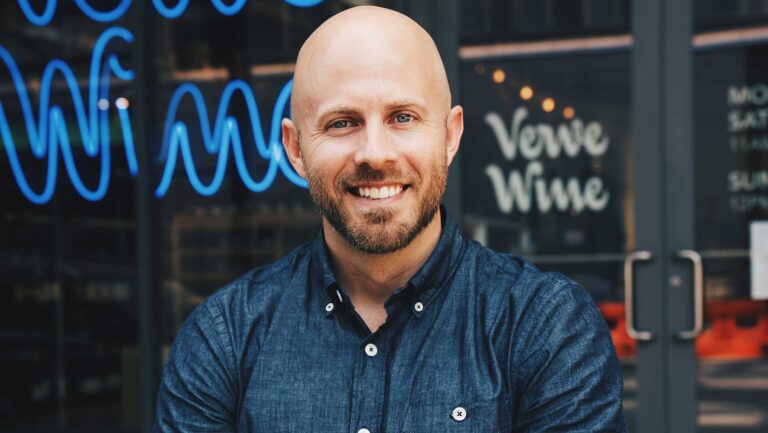
“Restaurant margins are super thin,” says Dustin Wilson, Master Sommelier, the cofounder of Verve Wine and founding partner of Apres Cru Hospitality. “If wine starts running five points above budget, it could drown the restaurant.”
Ready for a role as a beverage director? SevenFifty Daily worked with experienced experts across the country to unpack P&Ls, COGS, and all the other essential acronyms and metrics needed to build a booming beverage program.
Fundamental Financials to Understand
Profit and Loss Statements
Profit and loss (P&L) statements turn all the major metrics of a restaurant, from labor costs to profits, into line items. It’s an income statement that documents all costs, expenses, and losses. For operators and upper management, this is your bible–it captures opportunities and pain points, including what parts of the business are successful and where money is being lost.
Pour Costs
A large part of the job is building the list: picking bottles that appeal to your core consumer, but also ensuring that they sell quickly, and at a profit.
“A solid foundation starts with understanding your pour costs—how much each cocktail or pour of spirit costs the business—and pricing accordingly,” says Catherine Manabat, the hospitality manager of Kentucky’s New Riff Distilling.
Pour costs account for the raw cost of every ounce that reaches a customer. For example, if a 750-milliliter bottle of liquor costs a bar $40, it translates to $1.57 per ounce. If that’s a tequila, that means a margarita calls for $3.14 worth of agave spirits, plus citrus, salt, glassware, labor, and overhead.
Wine, on the other hand, is measured by bottle or by-the-glass cost. Programs like BackBar can calculate these costs quickly.
Cost of Goods Sold
Another key metric is the cost of goods sold, or COGS. This is calculated by adding the cost of raw materials (be it bottle cost, or pour cost and ingredient costs) to the starting inventory, minus the ending inventory.
“It’s a crucial metric that allows the operator to assess what their cost is for every cocktail or glass of wine sold,” says Daniel Shereff, the director of beverage and service operations at Excelsior Hospitality Group in Austin.
Operators will flip that into a percentage of total sales, which acts as both a beacon and a barometer of success.
Tawnya Zwicker, who runs Blue Door, a wine bar-bottle shop in Toronto, looks to hit 40 percent to 50 percent, which accounts for all the costs of running a business. “We aren’t a not-for-profit [organization],” she points out. “There has to be money there to pay for suppliers, repairs, insurance, you name it.” That target cost will ebb and flow, depending on other income, like food programs, or other overhead. Industry standard for COGS usually falls between 30 and 50 percent.
There’s wiggle room. She’s willing to take a hit on profit if it benefits the bar long-term. Recently, they had a Sips and Sounds evening, with flights of Spanish wine and a DJ spinning. If you purchased all three bottles, a discount was added to the pack. She also adds discounts to larger orders and wine clubs.
“You have to ask—are there ways we can encourage multi-bottle sales? These orders get a small discount but that’s okay, because we know these are guaranteed or repeat sales.”
Seasoned corporate beverage directors share their advice for stepping up from a sommelier or beverage director position, from essential skills to what the role really entails

How to Become a Corporate Beverage Director
Gross Margins and Revenue
Revenue is the total income your business brings in, before considering expenses and cost of goods. Profits are the dollars taken home after labor and expenses are considered. Gross margin equals sales subtracted by COGS, not taking into account all the other costs of doing business.
Gross margin is one of Wilson’s most important metrics for tracking cost management and profitability. “It’s the numbers that you’re bringing into the business,” says Wilson. “It’s less paid attention to, but it’s valuable to understand. Even if your COGS go up, which could be viewed as negative, if your gross margin dollars are going up over time, those numbers will give a business more dollars to work with.”
Building long-term revenue isn’t just about pricing drinks to cover overhead. It’s a balancing act—offering accessible pours and fast-moving drinks that subsidize more exciting, creative options.
“You have to figure out the biggest drivers of margins, which will allow you to play with prices and offer deals,” says Wilson.
There’s wines by the glass, which can be priced higher and move the most volume. “That’s where restaurants tend to make a good chunk of their money,” says Wilson.
Or specific beverage categories like Sancerre, which is booming. “It almost doesn’t matter who the winery or producer is,” says Wilson. “I can sell that for more because there’s such a high demand and people are willing to pay for it.”
And, it allows him to take a haircut on higher-end wines—great Burgundy, Bordeaux, Barolo, or Montalcino. “Folks who like those wines are used to drinking them—they know the prices,” says Wilson. “You want them to look at that list and say, ‘wow.’ They’ll come back, and they’re going to be high-value guests.”
Similarly, Taylor Johnson, the beverage director of Echelon Kitchen & Bar in Ann Arbor, Michigan, aims for a 20 to 25 percent cost of goods for her more affordable spirits. Meanwhile, high-end spirits, reserve selections, large-format beers, and specialty pours are closer to 40 to 50 percent COGS—beverages that bring a special edge to the program.
“You need balance,” says Gonzalez. “I have cocktails that are lower-cost and crushable. My higher-tier cocktails are pricier as far as costs go but they offer experiences—things people won’t see elsewhere.”

The Keys to Success
While financial fundamentals are essential, they are tools, and beverage directors need to understand how to implement them.
“True and lasting success goes beyond spreadsheets and formulas,” says Manabat. “It requires you to consider the broader experience you’re creating—not just for your guests, but for your team as well.”
Here are some strategies for building a business-savvy beverage program.
Understanding Inventory and Labor
It costs money to hire staff, train them, buy glassware, break glassware, repair dishwashers, and keep things like jiggers, shakers, hand soap, dish soap, and towels in stock.
“Running accurate and timely inventory counts, balancing purchases with clear intent on menu needs versus projected business needs, along with timely communication with ownership are crucial in curating a successful program,” says Johnson.
Her advice is to understand the budget—keep a close eye on everything coming in and out of the beverage program. Be aware of the costs of anything else that affects profit—how many glasses are getting broken? Are ingredients going to waste after a service? How can you curb those losses?
“A beautifully profitable cocktail menu doesn’t help much if your labor to execute it eats up the margin,” says Krystin Reuber, the beverage director at PostBoy! in New Buffalo, Michigan.
If labor is under your jurisdiction, don’t overstaff the bar, train your team well, and massage the schedule as needed. “Labor is best controlled by writing a schedule properly with the necessary metrics in mind,” says Johnson. “It’s more difficult to ask someone to go home than to schedule light if you anticipate a slower service. Utilize salaried managers to their max, create SOPs, [standard operating procedures] and provide the tools necessary to have hourly team members hold themselves and their teammates accountable.”
Leverage Distributor Relationships
Purchasing alcohol from distributors comes with its own set of financial fundamentals. There may be minimum case purchases, deals on multi-case buys, and one-off discounts (depending on state regulations). Some states require buyers to pay cash on delivery, or COD, while others allow for payment terms of 30 to 90 days.
But it’s also important to maintain strong relationships with distributor contacts and leverage them strategically. “It’s a smart way to stretch your dollar,” says Reuber. “Work with them for case deals and incentives, but don’t let discounts push you to over-order.”
Some suppliers will allow buyers to mix and match cases with several SKUs in their portfolio. Others will offer smaller minimum case deals so restaurants can bring on less—ideal if you’re a cocktail bar with a small square footage. Space, along with budget, is a major consideration—while reps can offer small discounts on larger case purchases, where are you going to put it? And do you have the cash flow to accommodate that larger buy? Case deals may only make sense for well spirits or by-the-glass wines.
This year was the first time Johnson negotiated a large purchase in the time of tariffs, working with a distributor to land a big order of exclusive-to-them bottles. “By paying upfront, we avoided price spikes and secured our quantities. The distributor agreed to store the back stock and ship our wines case by case, so we didn’t have to find space for a full pallet.”
Johnson also exclusively uses electronic funds transfer, or EFT, payments, so every order is tracked and paid promptly. “The days of cutting checks are well behind us, and processing electronic invoices has been a game changer, ensuring pricing accuracy and allowing us to review any historic invoices when needed.”

Calculating Waste and Spillage
Waste can build up, from small pours given to regulars or spoiled bottles at the end of a shift. “It’s a hidden drain,” says Reuber. “So track your inventory closely, standardize recipes, and train staff well to reduce overpouring and spoilage.”
If you are comping drinks for regulars, friends, or great guests, track the offerings in a comp tab so you know how much is going out.
Gonzalez also considers how quickly bottles, even on the back bar, move. “With inventory, if you have bottles that aren’t selling, or your staff aren’t properly trained to sell them, it’s just cash sitting there.”
Balancing the Books
The biggest advice that seasoned beverage directors can offer is not to be passive. Monitor revenue, gross margins, profits, and cost of goods, and pivot when numbers start to slump.
“Any reputable restaurant has a budget, which says your targeted cost of goods sold is 30 percent, as an example,” says Wilson, who notes that it’s the beverage director’s job to meet that budget—and adjust as required. “If your boss comes to you and says, ‘We need to restructure the budget and you need to get the cost of goods down to 25 percent,’ you need to understand how to do that.”
While absorbing the financial aspect of running a beverage program might seem daunting at first, eventually it becomes second nature. “At the end of the day, the goal is simple: know your numbers, know your market, and build a menu that makes people want to come back,” says Reuber.

Dispatch
Sign up for our award-winning newsletter
Don’t miss the latest drinks industry news and insights—delivered to your inbox every week.
By day, Kate Dingwall is a writer, editor, and photographer covering the intersection between spirits, business, culture, and travel. By night, she’s a WSET-trained working sommelier at one of the top restaurants in Canada. She writes about strong drinks and nice wines for Forbes.com, Wine Enthusiast, Vogue, Maxim, InsideHook, People Magazine, Southern Living, Liquor.com, and The Toronto Star.