The wines of Uruguay, the second-smallest country in South America, are often defined by comparisons. Uruguayan Tannat makes wines “like the great French ones,” critics say. Other red wines are compared to those produced by Uruguay’s bigger, glitzier—and much hotter, climatically—neighbors, Argentina and Chile. Some will draw parallels to Italy and Spain, where Uruguay’s winemaking families immigrated from in the late 1800s and early 1900s.
But the incoming generation of Uruguayan winemakers would rather not be lumped in with outsiders. Their wine scene is buzzing and blooming, full of exploration, experimentation, and a drive to better identify themselves, globally.
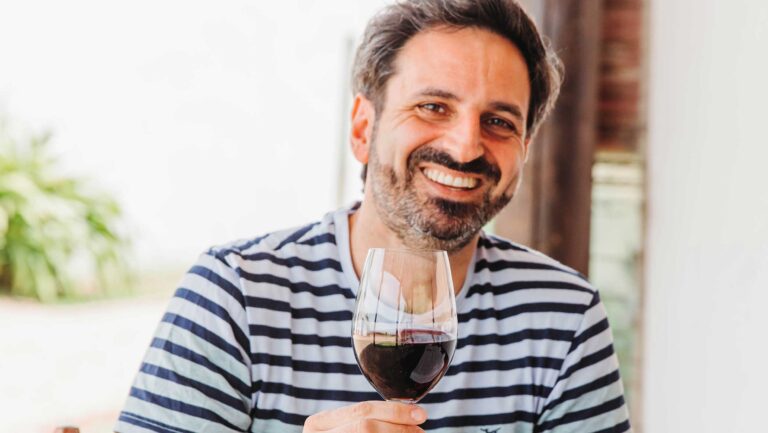
“There’s something happening in Uruguay,” says Juan Andrés Marichal, the fourth-generation winemaker at Bodegas Marichal. “There’s been a big change in the last few years—new styles, new winemakers, and established winemakers just inspired to make new things.”

Don’t miss the latest drinks industry news and insights. Sign up for our award-winning newsletters and get insider intel, resources, and trends delivered to your inbox every week.
The most interesting of which are side projects—sub-labels from next-generation winemakers who want to project their ideas, explorations, and international learnings on the foundations their fathers and grandfathers built.
SevenFifty Daily looks at the energy and exploration of Uruguay’s new guard, and what it means to push boundaries in a region still finding its international footing.
Reconsidering Uruguay’s Signature Grape
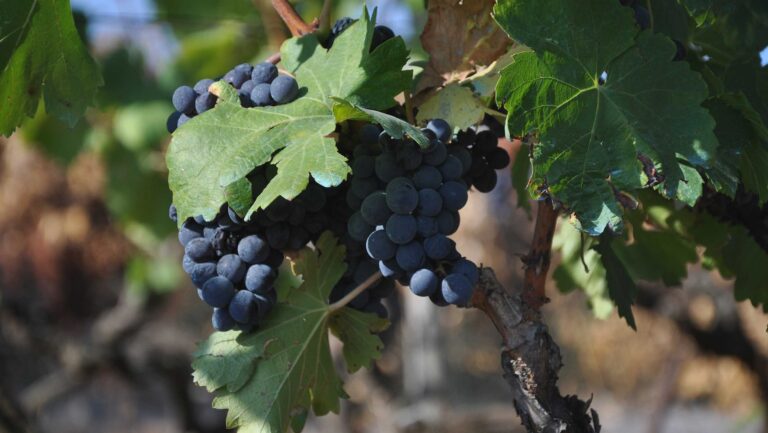
Winemaking bloomed in Uruguay at the hands of Spanish and Italian immigrants, who planted vines to make wine for personal consumption. Over decades, Tannat, a rustic red grape of French origins, emerged as the country’s flagship variety, beloved for its tannin structure and thick skins that suited Uruguay’s humid climate.
“Tannat is Uruguay, Uruguay is Tannat,” says winemaker Eduardo Pisano of Pisano. “We still can’t sell Uruguayan wine internationally unless it has Tannat in it,” adds Paula Pivel, the owner of Alto de la Ballena.
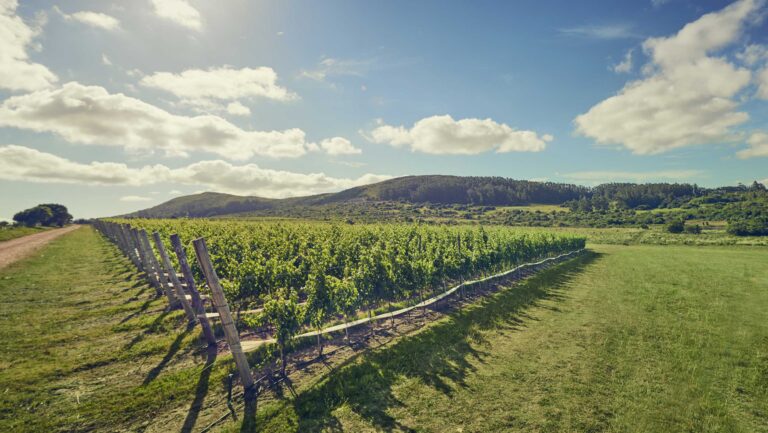
The grape rose to international fame under Robert Parker’s reign, and the critic’s followers demanded a bigger style—more oak, more tannin, more more. Today, producers are still trying to get out from under Tannat’s big reputation, despite the fact that Uruguay is a coastal, subtropical region, where freshness tends to be the overarching theme of local wines, not opulence and overextraction.
“We had a hard time when people wanted Parker wines out of Tannat,” says Pisano. “That didn’t fit us. We make fresh wines, with less alcohol and more acidity.” Pisano’s son, Gabriel Pisano, agrees. “When you overripen a wine, it doesn’t look like a Uruguayan wine.”
But under the weight of Robert Parker, threads of Uruguay’s history and innovation still shimmer through.
Before Gabriel Pisano started officially working for his family’s 100-year-old winery, he did stints in South Africa, Priorat, and in California under David Ramey’s tutelage. When he returned home, he started fiddling and fussing—making small-tank blends of wild Tannats, or turning Uruguay’s signature grape into a traditional-method sparkling wine. In other words, he was creating new interpretations of Uruguay’s signature grape.
“I didn’t think it would turn into its own winery—I thought I’d just test out what I’d learned around the world,” he says. “Sometimes an idea is great abroad, but doesn’t work in your own land.”
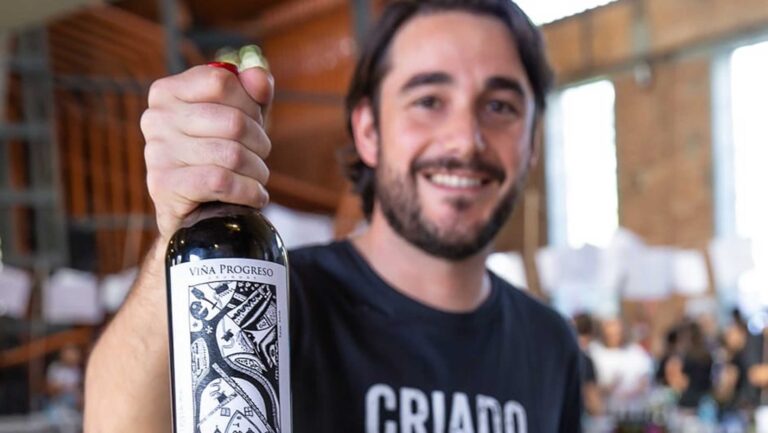
Then a Quebecois sommelier stopped by and asked, “Why aren’t you exporting this?” So he launched Viña Progreso, a more experimental sister label to the Canelones-based winery his grandfather started. Through the label, Gabriel Pisano is exploring Uruguay’s more natural side, making wines like an open tank-fermented Tannat, a nod to his time in Priorat, leesy Viognier, a grape he’s trying to interpret through a more Uruguayan lens—if Albariño is working in their seaside terrain, why can’t other aromatic whites?
He’s found good footing in the American, British, and Canadian markets and his elder statesmen are supportives. “They feel really good about what I’m doing,” says Gabriel Pisano. “They encourage me.”
Exploring Uruguay’s Third-Culture Winemaking Through Sub-Labels
Pablo Fallabrino’s grandfather emigrated from Monferrato in the 1920s and started two wineries. Fallabrino inherited his family’s vines, but also their Piedmonte-isms. In Uruguay, he makes third-culture wines, like lithe Nebbiolo pét-nat and beachy Barbera rosés. He’ll turn Tannat into Italian-accented, Ripasso-style wine, or aromatized Chinato.
“They’re fun,” says Fallabrino. “We want the wines to sell, to be drunk. Not be adored and kept in a cellar for ages.”
The current heir to the De Lucca winery is Agostina De Lucca, who also has Italian roots—her grandparents arrived from Sicily and Piedmont. Her dad has spent his career experimenting with his native grapes like Nero d’Avola and Aglianico, both of which love Uruguay’s climate. As De Lucca aged into the Canelones winery, she wanted to explore what else the grapes could do.
Uruguay is an almost inhospitable climate for organic viticulture—the humidity puts a huge amount of disease pressure on the vines. So she’s making Tannat and Albariño in the most natural forms Uruguay will allow, under the name Indígena. Her goal: strip back all manipulations, and find what Uruguay really is.
“Working naturally gives us more identity,” says De Lucca. “It’s the only way we can make a wine that will be unique. A wine you can blind taste it and say, ‘That’s Uruguay. That’s Canelones. That is De Lucca.’”
Marichal is continuing the winery his grandmother—one of the matriarchs of Uruguayan wine—led, making a rustic but elegant Tannat and a saline Albariño.
He’s also working on his own sub-label, Creatura, which explores alt-grapes like Mencía and Ancellotta—European varieties he swears will shine in Uruguay’s subtropical climate. He also makes vermouths—white, red, and rosé—which thread Uruguay’s winemaking heritage with its indigenous botanicals. His Montevideo vermuteria, Vermut Flores, where he serves vermouth from climate-conscious boxes, is packed every night.
Rewriting a Narrative
It’s not like Fallabino, De Lucca, or Pisano’s family wines are old or stale. The opposite—their elders make precise, well-regarded, and wildly drinkable (and ageable) Uruguayan wines. But as the new generation ages into ownership, they’re asking questions. The previous generation has given them good vines and great knowledge. What do they want to do with it? How do you take what your ancestors built and shepherd it into the future?
One of the reasons that new winemakers can paint with such unbridled brushstrokes is that Uruguay doesn’t have a strong heritage or lineage when it comes to winemaking. There aren’t centuries of expectation and reputation to uphold.
Their quiet presence on the international stage does have its downsides. When vintners promote their wines internationally, they have to allocate time to talk about Uruguay. “When I first started going around the world to sell my wines, I’d have to start by explaining where Uruguay was, and that the country produces wine,” says Marichal.
Their lack of reputation also has its upsides. “We don’t have the recognition or history of producing and exporting wines like Bordeaux or Tuscany,” says Marichal. “We have a more new-world way of thinking and experimenting. But the configuration, network, and history of family wineries are more similar to Italy and Spain—old world.”
Essentially, they have the building blocks to do whatever they want.
They’re growing Mencia, pondering the potential of northern Italian or Galician grapes, and playing with new vessels. They’re learning from their findings. Successes are brought back to their parents and shared with their peers. “Our industry is small,” says Gabriel Pisano. “We’re all friends. If you pass on your enthusiasm to other producers, it helps everyone grow.”
Even established wineries have a sense of youthful energy to their approaches. At Bodega Familia Deicas, one of the country’s most established and revered wineries, the cellar is dotted with foudres, eggs, and other new-school tanks that allow for experimentation. Skin-contact wines have been added to the portfolio, single-vineyard expressions are being explored. “Uruguay is a playground—if you’re obsessed with experimentation, it’s nonstop here,” says brand ambassador Nino Deicas.
It’s not like experimentation is actually new in Uruguay. When immigrants came over from Italy and Spain, they brought their traditions and transplanted them to a new environment, and kept to what stuck.
“Think about it—forty years ago, no one even knew Uruguay grew white wines,” says Marichal. “My father planted Pinot Noir and people would say to him, ‘you have a lot of courage.’ It turned out to be a very sensible variety in Uruguay.”
“Sometimes previous experience isn’t bad or good,” says Marichal. “It’s a matter of trying and experiencing new things. That’s how you discover what works.”

Dispatch
Sign up for our award-winning newsletter
Don’t miss the latest drinks industry news and insights—delivered to your inbox every week.
By day, Kate Dingwall is a writer, editor, and photographer covering the intersection between spirits, business, culture, and travel. By night, she’s a WSET-trained working sommelier at one of the top restaurants in Canada. She writes about strong drinks and nice wines for Forbes.com, Wine Enthusiast, Vogue, Maxim, InsideHook, People Magazine, Southern Living, Liquor.com, and The Toronto Star.