Perhaps it’s the rising temperatures or maybe it’s the increased interest in mindful drinking—whatever the reason, wine consumers’ drinking habits are shifting. The demand for wines with lower alcohol by volume (ABV), particularly those that register under 12% ABV, is steadily increasing. According to IWSR, the low-alcohol wine category is forecast to grow at a compound annual growth rate of 14 percent through 2028.
The growing interest in white wine has also helped drive the category forward. From Riesling and Muscat to Vinho Verde blends and sparkling styles, many white wines naturally lend themselves to lower alcohol levels while still offering the freshness, texture, and complexity consumers are seeking.
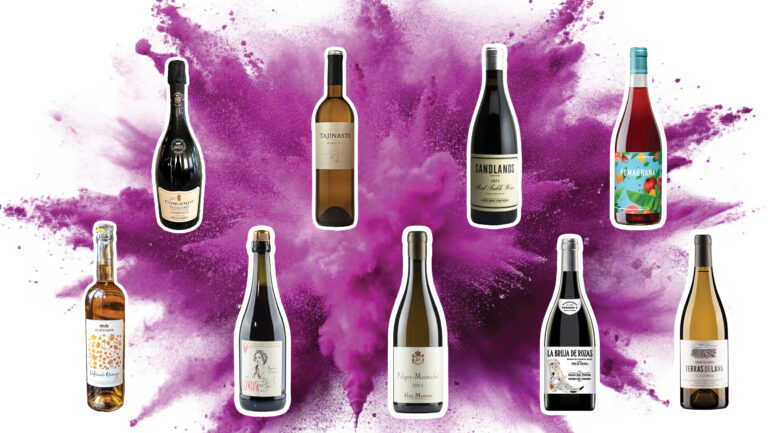
On a quest to find standout naturally low-alcohol white wines, SevenFifty Daily asked on- and off-premise buyers across the country for their top picks. What we found was a diverse, dynamic collection from Chile, Portugal, Germany, and beyond.
Don’t miss the latest drinks industry news and insights. Sign up for our award-winning newsletters and get insider intel, resources, and trends delivered to your inbox every week.

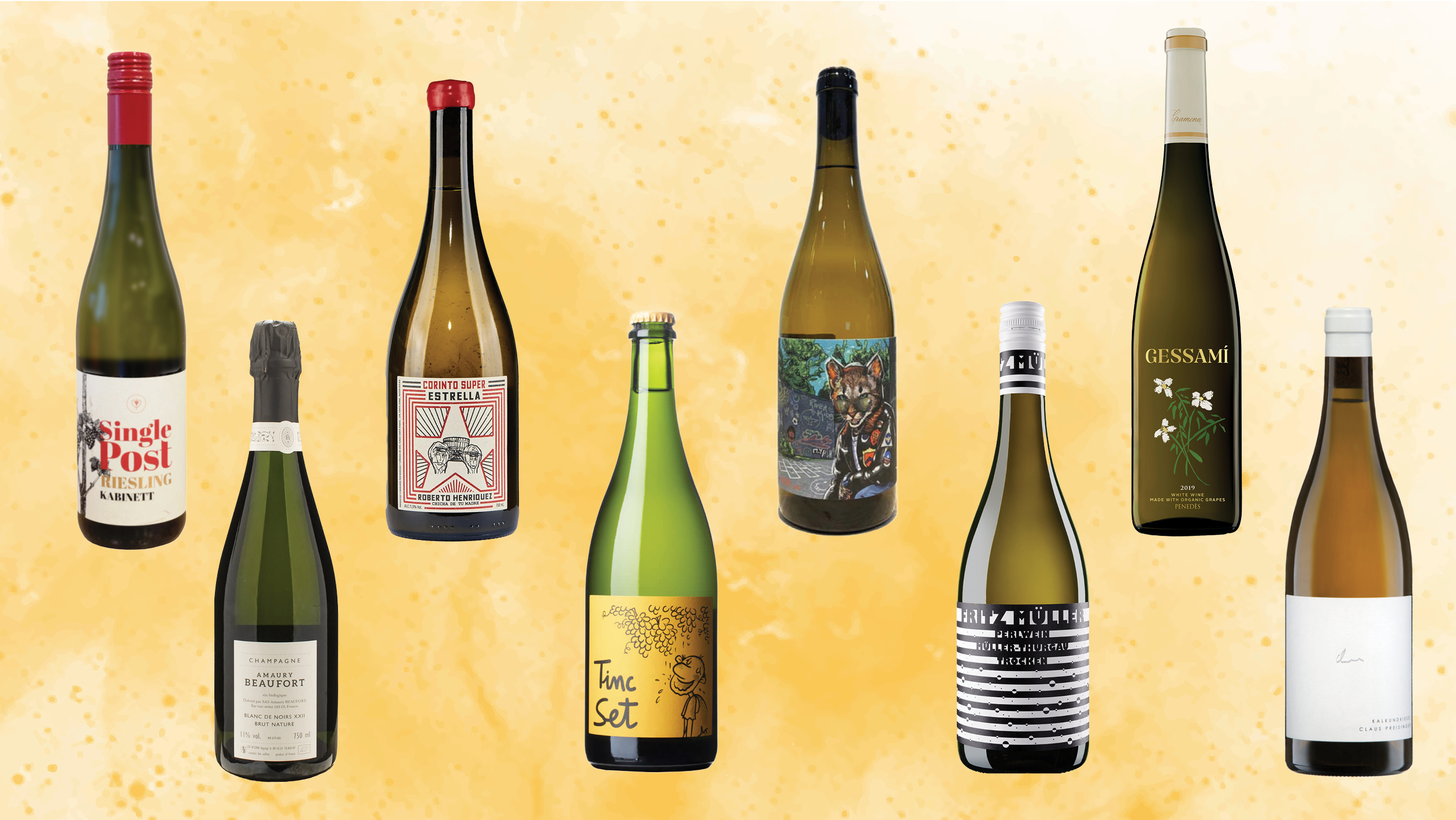
Single Post Riesling Kabinett 2020, Mosel, Germany; $23
Selected by Taylor Johnson, wine director, Echelon Kitchen & Bar, Ann Arbor, Michigan
The beverage list at Echelon Kitchen & Bar, a James Beard Award semi-finalist for best new restaurant in 2025, features a wide range of unique cocktails and dynamic wines that pair well with their seasonal, wood-fired dishes. Beverage director Taylor Johnson often receives requests for lower ABV wines. She recommends Single Post’s Riesling Kabinett. “Made by well-known winemaker Nik Weiss, this Riesling is a beautiful example of the Mosel style,” Johnson explains.
The terroir of Mosel, a region in Germany known for its steep slopes along the river, allows grapes to achieve the perfect ripeness while retaining naturally lower alcohol levels. With 7.5% ABV, the wine “features generous aromatics of peach, citrus, and white flowers that express ripe fruit character, balanced by bright acidity that is luscious without being heavy on the palate,” Johnson says. “It pairs effortlessly with our vegetable dishes, especially those with a little spice.”
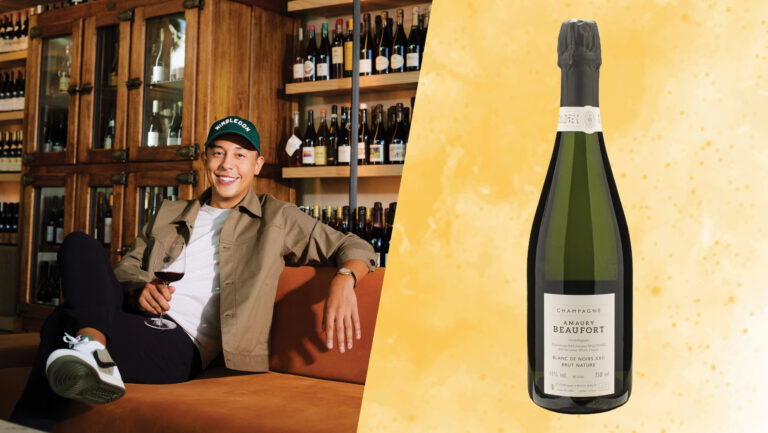
Amaury Beaufort Blanc de Noirs Brut Nature 2022, Champagne, France; $119
Selected by Thatcher Baker-Briggs, sommelier and founder, Thatcher’s Wine, Los Angeles
After years of overseeing beverage programs in Michelin-starred restaurants, Thatcher Baker-Briggs founded Thatcher’s Wine and Thatcher’s Imports, building a tightly focused portfolio of exclusively European producers, the majority of which he brings to the U.S. as the sole importer. “Champagne is rarely the first thing people think of for low-ABV whites,” he says, noting the bottle’s 11% ABV. “But I absolutely love Amaury Beaufort’s wines because his approach is much closer to Burgundy than traditional Champagne.” Working with a one-hectare parcel in the Aube, Beaufort is known toharvest grapes early to retain great acidity and balance in an area where pushing for extreme ripeness is more the norm. The wine ferments in large casks with zero added sulfur.
“We had to have it in the shop because it offers such a pure, unmasked expression of Kimmeridgian limestone,” adds Baker-Briggs. “It’s vibrant, textured, and proves you don’t need high alcohol to achieve immense depth and complexity.”
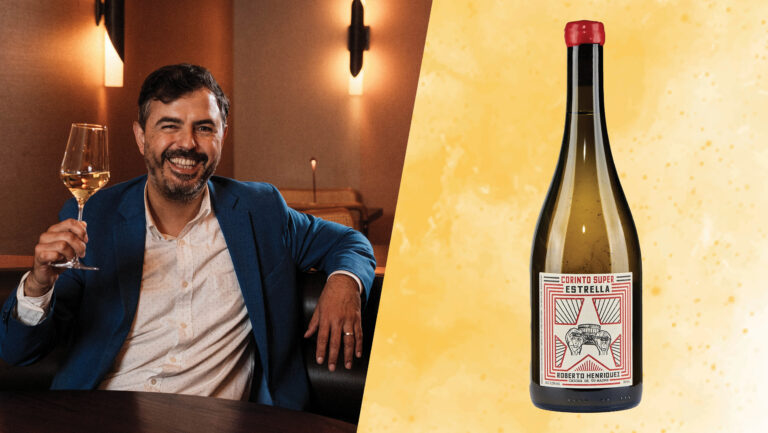
Roberto Henriquez Corinto Super Estrella 2020, Bio Bio Valley, Chile; $25
Selected by Jonathan Charnay, sommelier and partner, Nuyores, New York City
Situated in the heart of the West Village in Manhattan, Nuyores specializes in South American cuisines through a New York lens, while Jonathan Charnay manages a cellar program full of exciting wines from South America. On his eclectic wine list is Corinto Super Estrella, which clocks in at 11% ABV. The white wine is crafted by Roberto Henríquez, one of Chile’s most respected independent winemakers, using fully organic farming practices. Fermented with indigenous yeast and left unfiltered and unfined, “it expresses a pure, unmanipulated character,” says Charnay.
Produced in very small quantities at a family-owned winery, the wine showcases a rare and distinctive grape variety, Chasselas, known in the area as Corinto. “It’s a truly authentic and nuanced wine—something of a hidden gem from South America, and a natural fit for the Nuyores menu,” says Charnay.
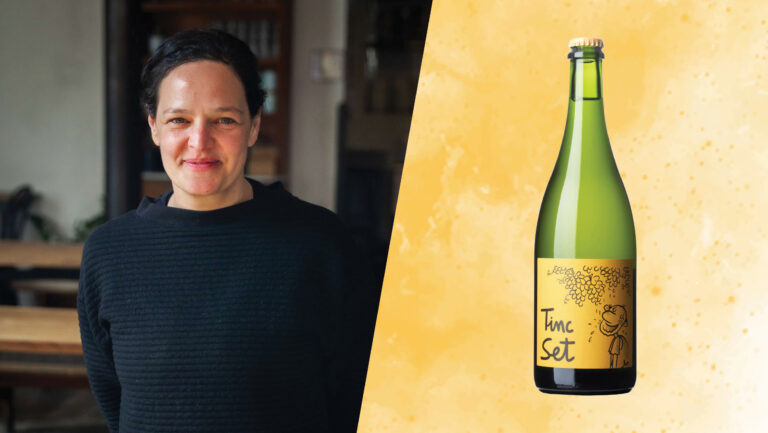
Ramon Jané ‘Tinc Set’ Metode Ancestral 2023, Penedès, Spain; $17
Selected by Naama Tamir, co-owner, Birds, Lighthouse, and MESSY, New York City
Naama Tamir, who co-owns a number of New York City restaurants, understands the need for a diverse beverage list. “We’ve worked with [Roman Jané] for many years at Lighthouse and have always loved their minimal-intervention approach to winemaking—expressive, yet clean, fresh, and precise.”
When Tamir wanted a lower ABV wine for the music bar Birds, she chose Ramon Jané’s Tinc Set. This wine is a pét nat blended from the local varieties Xarel-lo and Parellada vinified at 11.5% ABV. The organic grapes are grown on vines planted by Jané’s grandparents, on the family’s land in Les Gunyoles d’Avinyonet, a small, high-altitude village in the eastern part of Spain’s Penedès wine region.
“The wine is bright and lively, with fine bubbles, notes of white flowers and green apple, and a touch of salinity on the finish,” says Tamir. “It tastes like sitting in Central Park on a spring day, just after the grass has been mowed. We feel it’s a great fit for both the season and the space—cool, crisp, and elegant, with the kind of energy that keeps you coming back for another glass.”
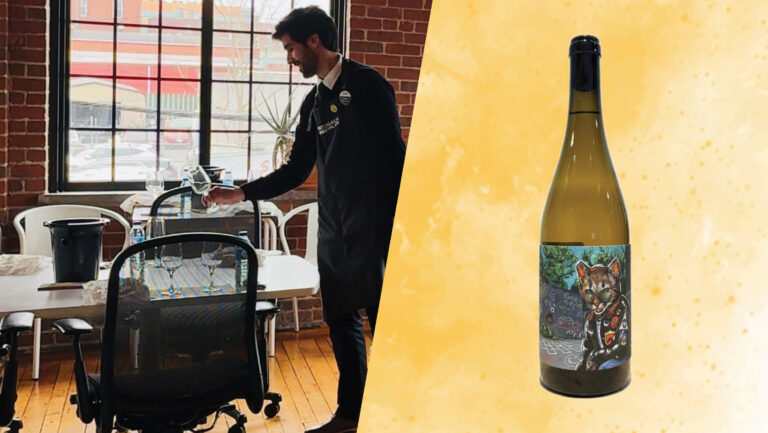
Hugo Mendes Pitau Branco 2024, Lisboa, Portugal; $25
Selected by André Ramos, wine director, Portugalia Marketplace, Fall River, Massachusetts
Founded by Fernando Benevides and now run by his son Michael, Portugalia Marketplace has been a staple in the city of Fall River for 35 years. André Ramos, the market’s wine director, suggests Pitau Branco, noting the producer is “a bit of an outlier.” Before Hugo Mendes started making wine, he was working as a biomedical engineer. After working his first harvest in 2004, he left his career and started making wine.
“Mendes is known for showcasing the Lisboa terroir by only working with indigenous grapes,” says Ramos. Pitau Branco is a blend of Alvarinho, Fernao Pires, and Vital with just 11.5% ABV. The region’s Mediterranean climate and chalky and sandy soils help grapes maintain their acidity and freshness. “This fantastic white wine shows stone fruits, citrus, and floral notes,” explains Ramos. “On the palate, it’s rich with good volume but has plenty of acidity to balance. It’s a great example of a low-alcohol wine with great expression.”
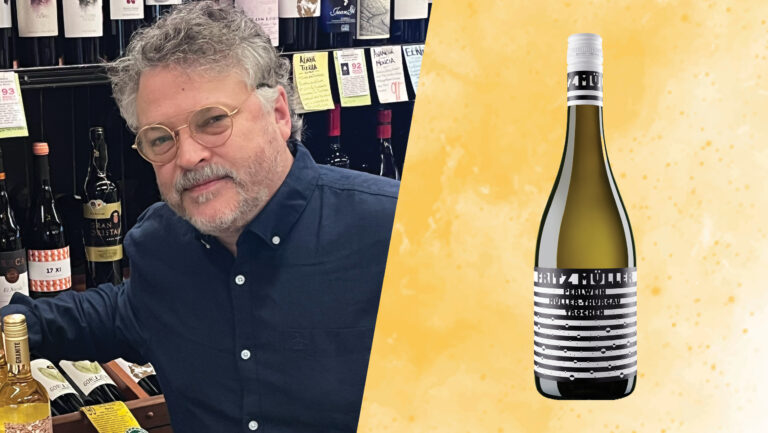
Fritz Müller ‘Fritz’ Semi-Sparkling Müller-Thurgau NV, Rheinhessen, Germany; $16
Selected by Ole Thompson, wine director, Esquin Wine & Spirits, Seattle, Washington
Esquin is Washington State’s oldest independent wine merchant selling an eclectic collection of bottles. “We love Fritz Müller right now,” says wine director Ole Thompson, who notes the bottle’s 11.5% ABV. “It hits a sweet spot that a lot of customers are actively looking for—lower alcohol, lightly sparkling, and incredibly easy to drink without feeling simple.”
The third most widely planted grape in Germany, Müller-Thurgau—or Rivaner—offers bright orchard fruit and a little citrus. Wines made from this grape are generally light, floral, and food-friendly. “From a retail standpoint, it’s been a great alternative to Prosecco or heavier sparkling wines, especially for customers who want something casual, affordable, and lower in alcohol without sacrificing flavor,” says Thompson.
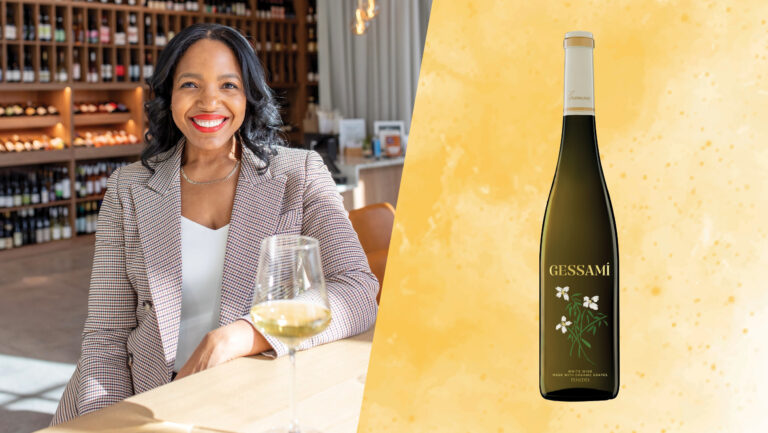
Gramona Gessamí 2024, Penedès, Spain; $30
Selected by Sarah Pierre, owner, 3 Parks Wine, Atlanta, Georgia
This Atlanta bottle shop is a destination offering a curated selection that emphasizes minimal intervention and sustainable practices for wine lovers who appreciate small, organic, biodynamic, and natural wine producers. “I have been selling Gessamí in the 3 Parks Wine Shop for over a decade,” says Pierre. “I remember when I first tried this wine and all I could think about were the dishes I wanted to pair it with. It also helps that it is 10.5% ABV, so it’s a great wine to start with at a dinner party.”
The certified organic and biodynamically farmed still white blend feels out of the ordinary coming from Penedès, which is home to more than 90 percent of Spain’s Cava production. “Gessami, which translates to jasmine, is floral and aromatic from the Muscat and Gewürztraminer,” says Pierre. “And on the palate, this low-alcohol white is fleshy and round, while still having this beautiful freshness and a zesty acidity. It’s peachy, floral, and super fun.”
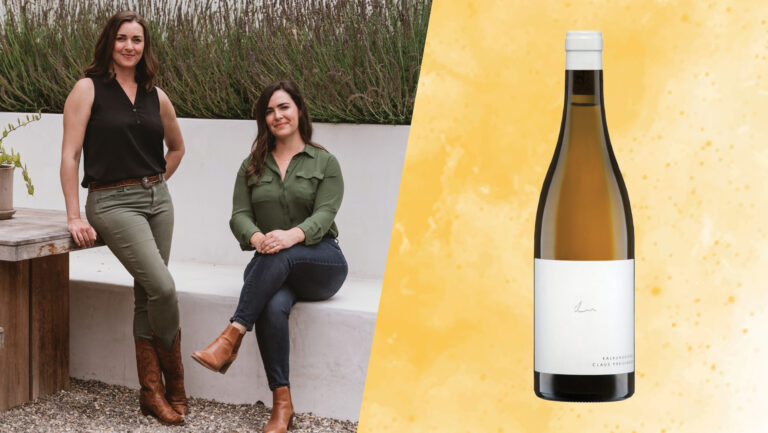
Claus Preisinger Kalkundkiesel Blanc 2022, Burgenland, Austria; $29
Selected by Katy Rogers and Tamara Bingham, wine consultants, Likely Story Strategies, Pismo Beach, California
Rogers and Bingham work closely with wineries, wine bars, and hospitality brands across California and beyond through their consultancy Likely Story Strategies. While focusing on wine trends, production, and what resonates with both buyers and consumers, the pair has noticed an uptick in interest in low-alcohol white wines in their own business. At the moment, they are loving lower-ABV bottles from Austria, in particular, Claus Preisinger’s wines.
“Kalkundkiesel, which translates to ‘lime and gravel’ is a nod to the soils it’s grown in,” says Rogers. “This white is a certified biodynamic natural wine blending 60 percent Weissburgunder (Pinot Blanc), 30 percent Grüner Veltliner, and small amounts of Muskateller and Welschriesling.”
Bingham notes the wine’s “wildly food-friendly” undertones and 11% ABV. “Think stone fruit, delicate florals from the Muskateller, and the clean minerality you’d expect from limestone-and-gravel soils,” she says. “Austria’s cooler climate does exactly what you want here: keeps the sugar lower, the acidity bright, and the ABV in check without any intervention.”

Dispatch
Sign up for our award-winning newsletter
Don’t miss the latest drinks industry news and insights—delivered to your inbox every week.
Jacy Topps is an award-nominated journalist based in New York City. She has built her career covering everything from wine and travel to race and mental health. Her work has appeared in Plate, VICE, Better Homes & Gardens, Oprah Daily, Glamour, Cosmopolitan, Wine Enthusiast, and Business Insider. Follow her on Instagram at @jacytopps