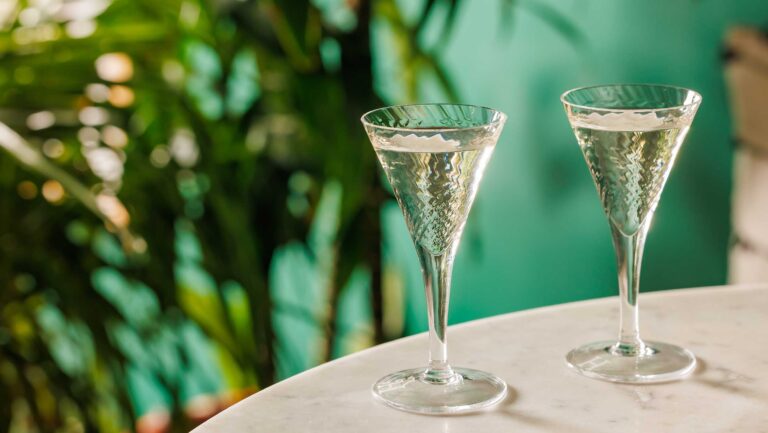
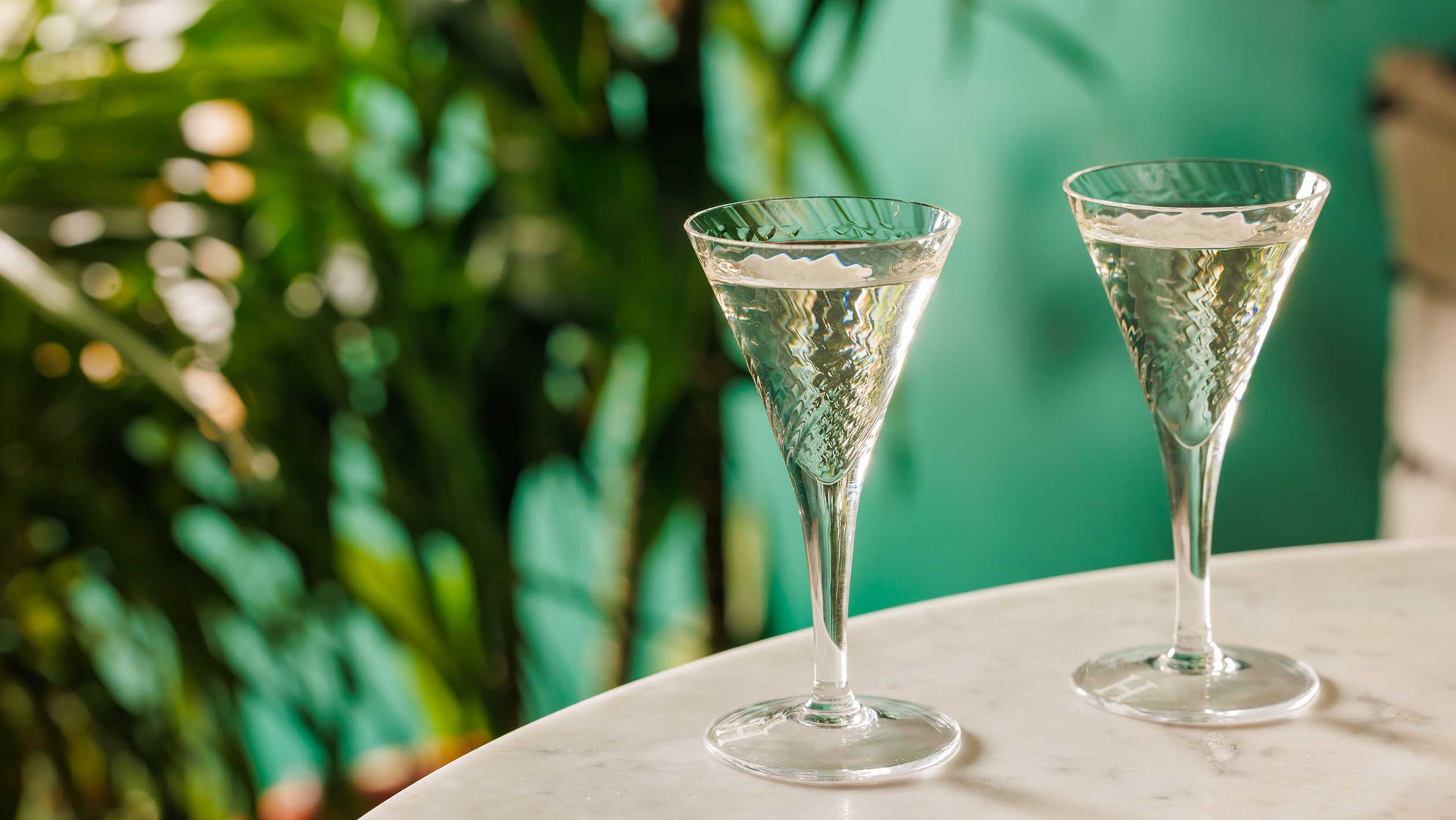
When Carter Culwell, the beverage director at Talat Market in Atlanta, found himself with surplus tiny Martini glasses after an event, he decided to find a use for them behind the bar.
“I’d been following trends in other cities like New York about smaller-format drinks, especially Martinis,” he remembers. He introduced a $7, two-ounce Mini-Tini to regular and happy hour menus as an experiment “to see if it got any traction,” he says. “It sure did. It’s become our most popular SKU.”
Talat Market’s top-selling Mini-Tini is part of a wave of tiny cocktails at bars and restaurants nationwide. These shrunken serves appeal to anyone who’s ever winced at a $20 full-sized drink, cycled in a lower-proof round during a night out, or felt that, after a long day, they deserved a little treat. Additionally, for the one in eight U.S. adults who have taken semaglutide medications like Ozempic, which can decrease appetites and alcohol tolerance, littler drinks make a lot of sense.
Don’t miss the latest drinks industry news and insights. Sign up for our award-winning newsletters and get insider intel, resources, and trends delivered to your inbox every week.
But tiny cocktails aren’t a one-size-fits-all operation. Volume, clientele, hours and style of service, labor costs, and other factors all impact how and whether a hospitality business can downsize drinks profitably. To learn more, SevenFifty Daily spoke to bartenders and beverage managers across the country.
The Economics of Tiny Cocktails
The primary challenge of implementing a tiny cocktail program is that they cost less than their full-size counterparts but require the same amount of time to prepare. To remain profitable, some beverage professionals position small-format drinks as extra or impulse items to tack onto existing guest checks rather than one-to-one swaps.
“We don’t look toward the smaller options as a replacement for full drinks,” says Iain Griffiths, the owner of Bar Snack in New York City. “We very much view it as an add-on. Otherwise, it just brings your check average down in a way that isn’t a profitable business model.”
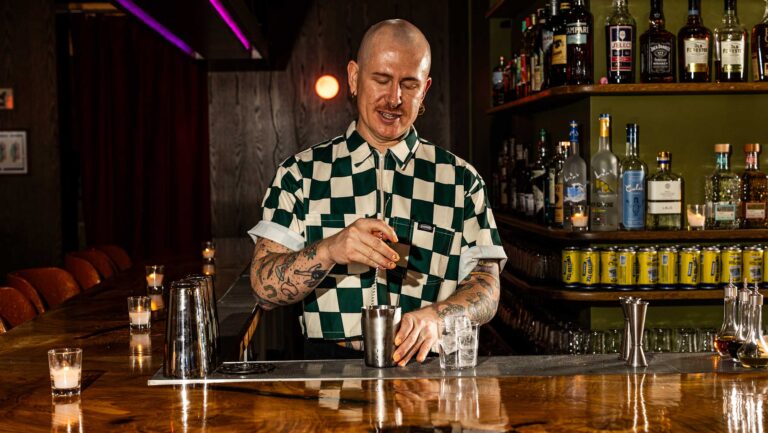
Quantity is crucial to maintaining margins on Bar Snack’s popular three-ounce Snaquiris. While the bar isn’t enormous, it attracts vibrant, convivial crowds, which means Bar Snack’s bartenders are rarely making one Snaquiri at a time. Instead, they’re mixing two or three full-sized Daiquiris to pour into four or six smaller glasses that groups share in lieu of shots, or order almost as an appetizer before or dessert course after their other drinks. On the rarer occasions that bartenders prepare only one Snaquiri, it’s usually requested alongside a beer or sipped as a lower-proof interlude between rounds of full-sized drinks, Griffiths says.
Volume is similarly part of the tiny cocktail calculus at Friends of Friends in Chicago, Illinois. The nearly 2,000-square-foot bar “has good volume, and volume purchasing really helps with keeping costs down,” says Abe Vucekovich, a co-owner. It also enables Vucekovich to accommodate leaner margins on their 2.75-ounce, $5 Snaquiris. “We found a nice base rum that gives our COGs [cost of goods] a lot of graciousness,” he says. Additionally, sales of higher-priced menu items help offset slightly lower returns on tiny cocktails. “We’re maybe not hitting that 16 to 18 percent goal that I try for with full-sized cocktails—the Snaquiri might be closer to 20 percent—but we can take that in stride knowing that we’re winning with some of those drinks that are heavy sellers.”
When to Batch Tiny Cocktails
One way to keep tiny cocktails from monopolizing labor budgets is to batch them in advance of service. This lessens their impact on the flow of service and gets them into guests’ hands faster.
That last part is key, says Stuart Weaver, the owner and general manager of Lady Jane, a cocktail bar in Denver, Colorado. He finds that some guests impulsively request rounds of Lady Jane’s one-ounce, $6 freezer-door Tiny Tinis to sip on while their à la carte drinks are being prepared, bumping up the total amount of drinks they order. “Since they’re fully batched, the Tiny Tinis come out super quick,” he says.
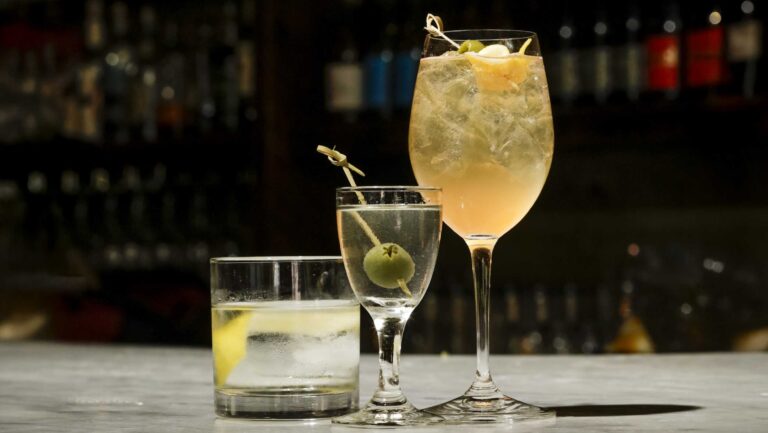
Some recipes are better suited to batching than others. Ansel Vickery, the owner-operator of Bar Loon in Portland, Oregon, suggests sticking with all-spirit, stirred cocktails. “Any time you’re introducing citrus and too much sugar, it totally changes the texture when it’s cold and poured to serve,” he says.
The menu at Bar Loon includes three “Littles”—two-ounce cocktails that right now include a Vesper, Martini, and a rye-based Manhattan—that are prepped in advance and stored in the freezer. “The batch actually includes water, so they’re pre-diluted, as if the cocktail had been stirred to order,” Vickery says.
How Tiny Cocktails Can Add Value Beyond Profits
Culwell isn’t certain whether his Mini-Tinis significantly impact Talat Market’s overall revenue, but he finds they add value in other ways. Between select hours on Wednesdays, Thursdays, and Sundays, the restaurant offers happy hour Mini-Tinis for $5 rather than $7. It generates considerable local buzz, he says. “We’re capturing business during hours when people wouldn’t necessarily be coming in. They might stay for another round after happy hour, or they might stay for dinner.”
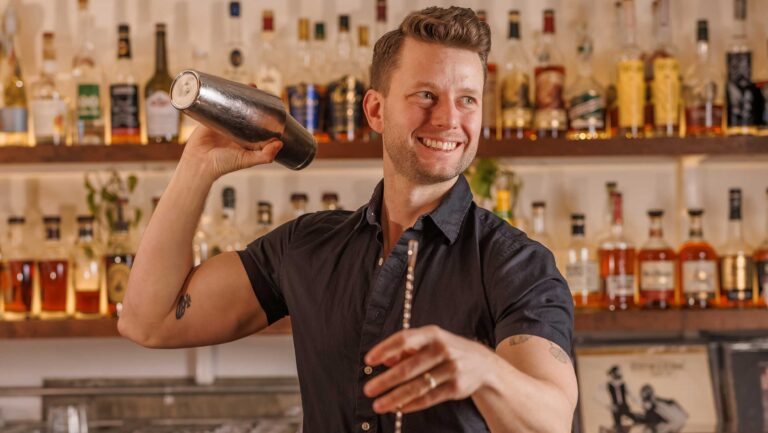
Tiny cocktails can create richer dining experiences, too. They’re a lower-cost, lower-proof way for guests to engage in what Culwell calls the “classic arc” of a restaurant meal: cocktails before dinner, wine with dinner, and then port or amaro after dessert. “It’s a way to feel like you’re getting the whole dinner experience without a two-top having to order a round of cocktails and a bottle to share,” he says—or for anyone to worry that they’re putting too much pressure on their budget or alcohol tolerance.
Jennifer Vitagliano, the owner of Raf’s restaurant in New York City, agrees. Raf’s offers $10, one-and-a-half-ounce Cheekies throughout service. “A round of Cheekies is a perfect way to close out an evening, or to start your experience if you don’t feel like downing an entire Martini before dinner,” she says.
Griffiths sees Snaquiris as part of the Bar Snack’s overall value proposition to its neighborhood and community. They love seeing guests create their own Snaquiri rituals, whether it’s ordering rounds for their tables or sipping one alongside a Guinness. “We’re not going bankrupt on them and we’re not getting rich on them, either,” Griffiths says. “More than it makes a difference to each check, it makes a difference to the culture of what we’ve built here.”

Dispatch
Sign up for our award-winning newsletter
Don’t miss the latest drinks industry news and insights—delivered to your inbox every week.
Emily Saladino is a writer, editor, and recipe developer based in New York. Previously a culinary editor at Food Network, she reviews wines from Croatia, Georgia, Greece, Hungary, and Lebanon for Wine Enthusiast, where she used to be a managing editor and remains a writer at large. She writes a monthly column about wine for The Washington Post, and her work has been published in BBC, Bloomberg, Bon Appetit, Food and Wine, and others.