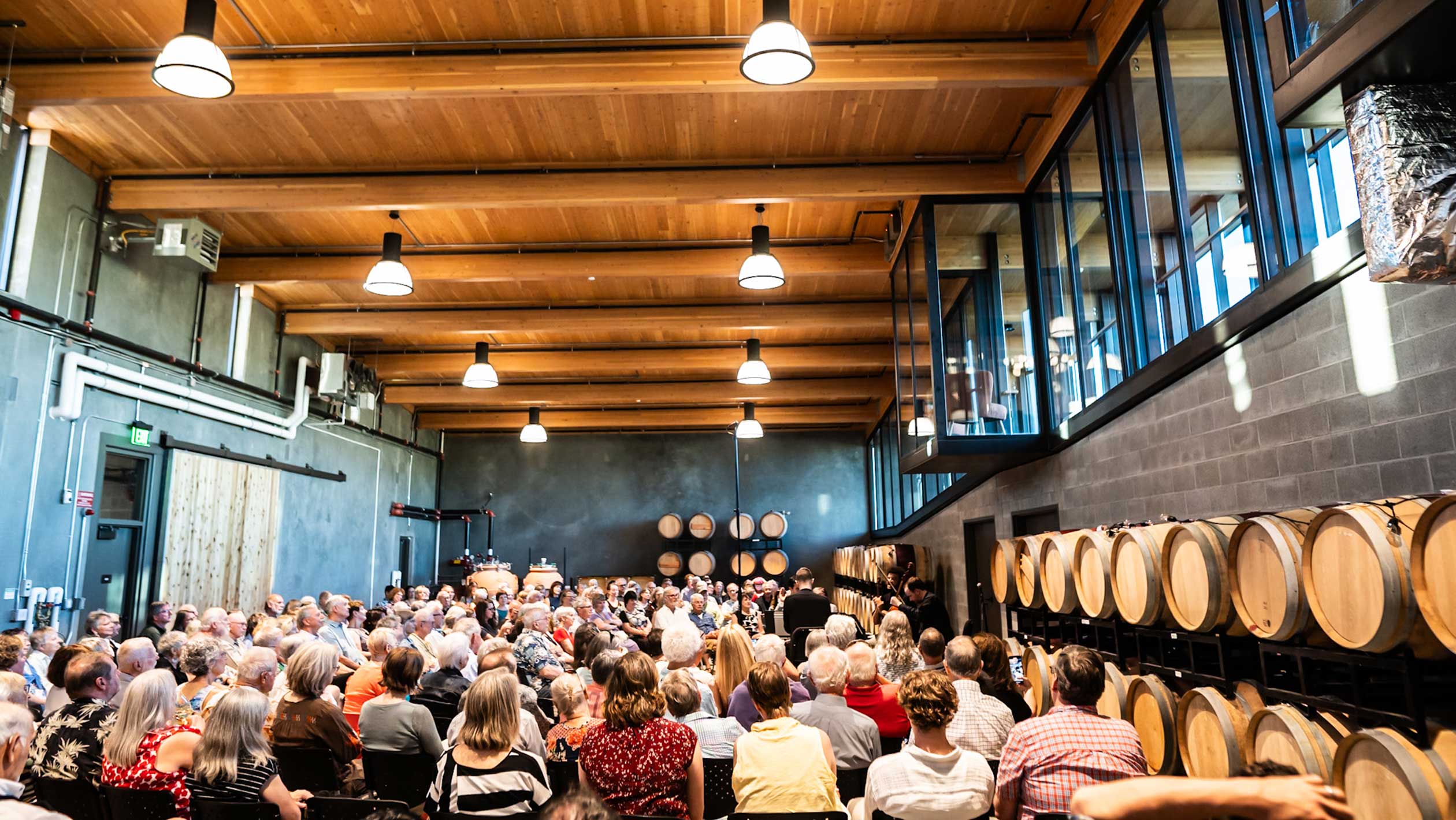
Over the past few years, the wine landscape has radically altered. An increased focus on wellness, concerns about wine’s place as part of a healthy lifestyle, and rising prices have all led to shifting consumer habits. Younger generations are drinking less, though they’re turning to higher-quality offerings when they are imbibing. And across the board, the very act of enjoying wine—whether in a tasting room or a living room—comes with an increased expectation of a connected, immersive experience that goes deeper than the glass.
These and other factors have stirred wine producers to pivot away from traditional marketing strategies, like case discounts, esoteric tasting notes, or positioning wine as an indulgence, which are no longer resonating with many consumers. “Whether it’s through immersive storytelling, behind-the-scenes moments, or digital touchpoints that feel personal and real, we’re committed to evolving how we connect,” says Ellie Anest, the CEO and cofounder of Eleven Eleven Wines in Napa Valley.
Wineries around the world are exploring new marketing techniques and technology, like AI-generated tailored messaging, and rethinking how they tell their story, increasingly steering clear of technical jargon while also forgoing influencer content. Here’s what’s in the new marketing playbook for wineries in 2025 and beyond.
Don’t miss the latest drinks industry news and insights. Sign up for our award-winning newsletters and get insider intel, resources, and trends delivered to your inbox every week.
Shifting the Message from Science to Soul
Jules Taylor Wines in Marlborough, New Zealand, tried various methods to communicate and connect with customers after the pandemic, from online events and list-building to collaborations. But they found these methods just weren’t landing. “We’ve taken a back-to-basics approach with a focus on meaningful storytelling,” says marketing manager Katy Prescott. “We’re now focused on creating more organic content with much more short-form video, and telling our story exactly the way we want it told.”
So they’ve pulled back from experimenting with influencer content, and embraced a larger shift away from traditional wine messaging that focuses on technical details like terroir and vinification methods. Instead, they’ve moved towards more romantic, evocative lifestyle-focused storytelling. Jules Taylor’s other brand The Better Half has switched entirely to lifestyle messaging, swapping out indistinguishable vineyard shots with photography of the epic New Zealand scenery, which Prescott says better appeals to younger wine drinkers than tedious details about brix levels and harvesting data.
“It’s not that science-based information is counterproductive,” says Doug Frost, MS, MW, the co-owner of Echolands Winery in Walla Walla, Washington. “It’s just that it’s challenging to make that kind of information into something kinetic.”
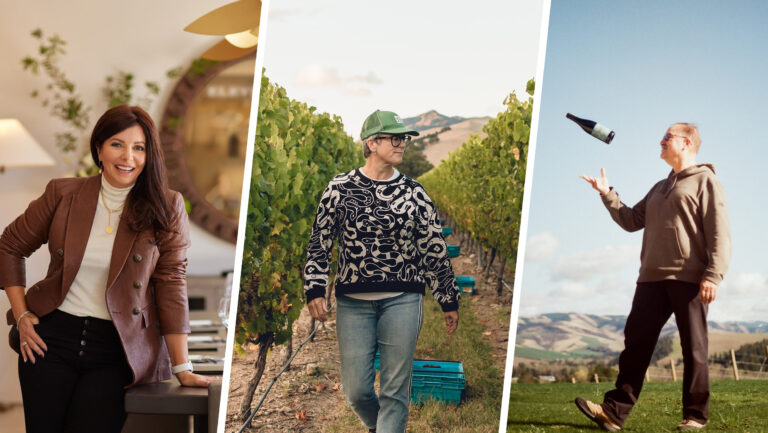
Frost launched Echolands in 2018 with fellow Kansas City resident Brad Bergman and opened a tasting room in 2024, but the duo is still finding its footing with marketing. From the beginning, they’ve leaned into a more robust and modern form of storytelling using “energetic” platforms like Instagram and TikTok. Frost believes the wines speak for themselves, so the marketing has emphasized the scenic view from the winery, the staff events on their terrace, as well as sustainability and stewardship via recycled grey water, wine in kegs, and flocks of sheep and goats. Their top-performing content includes vibrant imagery with staff members and movement.
They’ve also been experimenting with more film photography, which Frost says leans into the interest among Gen Z and millennials for atmospheric shots that evoke nostalgia and show patience and intention. “There is a lot of research going into color, subject, and composition on every piece of content to make sure we are creating something fresh but still relevant,” he says. “Content that is geared towards a younger audience, but is still accessible to every age group.”
For Echolands, 60 percent of their recent engagement is among 25- to 44-year-olds, while the 35-44 age group drives the most sales conversions; an average of 25 percent of non-followers account for engagement on any given month.
Provence producer Château Gassier has also come to realize that while technical storytelling definitely has its place, it can’t be the only entry point, especially for younger consumers. “We’ve integrated more humanity, values, and emotional resonance into our messaging, evolving from a product-driven narrative to a brand-driven one that celebrates a place, its people, and a philosophy,” says chairman and CEO Olivier Souvelain. Their marketing content now focuses on the story of six generations of the Gassier family, while spotlighting sustainability efforts, artisanal and organic winemaking, their regional roots, and commitment to the Sainte-Victoire Valley.
Culture and Connection Are Key
“‘I’m visiting the estate just for the wine’ is no longer a compelling reason to travel, especially for younger generations,” says Cristian Ravai, the marketing director and commercial coordinator of Famiglia Casadei in Tuscany. “Consumer behavior, especially among younger generations, has evolved significantly, and visitors now seek a genuine, immersive, and multisensory experience.”
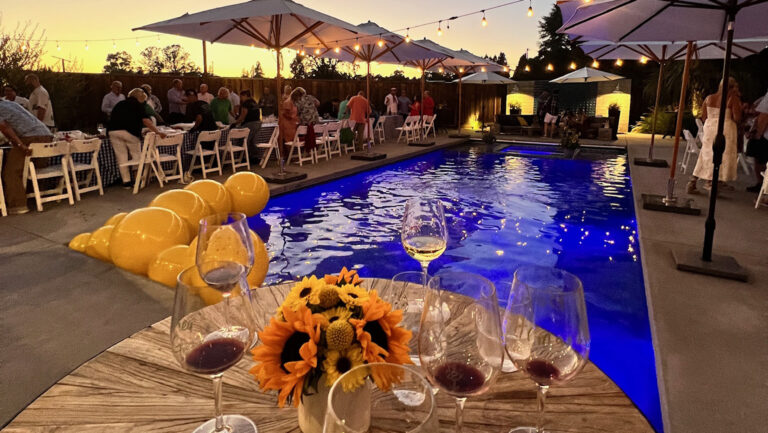
In Tuscany, wine has become part of the broader narrative about local hospitality, a shift that’s directly impacted all of Famiglia Casadei’s marketing decisions. Through their visual identity and brand messaging, they communicate the quality of their wines as well as the overall experience. Social media calendars include a balanced mix of wine- and food-related stories, features about the food served and events hosted, and convivial moments, aligning with their corporate philosophy that encompasses biodiversity, ethics, and beauty, says Ravai. Content creator collaborations are closely vetted for their relevance and authenticity, and their marketing efforts transcend wine-specific publications to ones focused on lifestyle, mindful living, and responsible tourism.
Eleven Eleven Wines’ new focus on experiential programming is designed to engage wine drinkers—including Gen Z. “As a boutique winery, our efforts are concentrated on building direct relationships with our consumers, where we can thoughtfully measure impact and ROI,” says Anest. “On social media, we’re embracing more short-form video content and amplifying the authentic voice of our brand.” This is often done through Anest herself, whose personal connection to the winery resonates with their audience.
To better connect with guests that don’t have hours to spend at a winery, Eleven Eleven Wines has recently added the “Flight & Delight” tasting, which can be reserved last-minute and offers an abbreviated tasting of three signature wines. As they’re situated 10 minutes from downtown Napa, Anest says this experience appeals to Bay Area residents on a day trip and wine tourists packing in longer experiences deeper into the valley. The tastings are marketed primarily through their direct-to-consumer channels, including email newsletters, website updates, and in-person mentions during events, with social media playing a supporting role—especially for seasonal offerings or special pairings.
A Greater Focus on Trade Shapes a Successful Strategy
Experiences, events, and social media are often designed with a consumer audience in mind, but it’s equally important for a winery to communicate their message to the trade. “These are the people who carry our message, represent our craftsmanship, and advocate for our wines,” says Souvelain. “Today, we believe our most effective ambassadors are professional partners, and we aim to equip them with a strong, coherent, and distinctive story.”
While Instagram reels and stories remain a central component of Château Gassier’s digital strategy to align with their main demographic of active and urban 25- to 40-year olds, they’re also actively growing their LinkedIn presence to more easily engage with buyers, importers, sommeliers, and influencers. They use their Google business listing as a virtual storefront, with plans to explore TikTok, Pinterest, and Spotify as creative storytelling channels.
Dr. Laura Catena, the fourth-generation managing director of Bodega Catena Zapata and the founder of Luca Winery, is also prioritizing the trade. Acknowledging that members of the trade are short on time, she hosts short “in-and-out tastings.” A recent one-hour vintage tasting of nine pours from the 1990s to the present started with a 25-minute silent tasting, followed by a discussion about the age worthiness of Argentinian wines.
Catena Zapata’s traditional marketing channels, including newsletters to mailing lists curated from guests that visit the estate in Argentina, are joined by more recent efforts to leverage their large social media following to engage both consumers and trade. Winemaker Alejandro Vigil has 376,000 followers, Catena Wines has 274,000 and Catena herself has 96,000. Catena says she’s never done paid media, opting instead to share what moves her and to celebrate friends and visitors to organically grow her following. “It’s a lot of work to look up people’s handles, but I take the time to do it,” she says. “So if a group of sommeliers from Korea comes to Argentina, I make sure to tag all of them on any posts.”
For their brand handle, they focus on the wines, terroir, the family, and the workers, doing all their posts in-house with the help of a rotating group of interns from all over the world. Occasionally, they’ll run a paid campaign for great videos that warrant the extra coverage, including a series of illustrated videos. One video about the birth of Cabernet, for example, has received 91,000 views and reached almost 67,000 accounts.
Wine Marketing in a Wellness-First World
As a physician, Catena has noticed a trend the past few years towards consumers seeking better quality and lower volumes—which she sees as a positive development that aligns with ancient Mediterranean patterns and one that’s affected not only their marketing, but their production. For several years, they’ve worked on creating alcohol-free and low-alcohol products through Catena Institute using high-quality ingredients. “We’re emphasizing the quality of the grapes—all Chardonnay from the highest quality-vineyards in Tupungato, Uco Valley—just like we would for our with-alcohol wines,” she says. “The customer is the same, so we are focusing on flavor, place, and quality, just not on ageability—that would be the main difference.”
The increased focus on wellness and alcohol’s impact on health has influenced Eleven Eleven to change its marketing tact for its main line of wines. The message is now less about “the weekend’s here, what’s in your glass?” as Prescott explains. “There’s more focus on what makes each wine special and each wine purposeful, quietly shifting towards a mindful enjoyment message.”
A few years ago, Eleven Eleven responded to changing consumer sentiment with the We11ness Series, during which guests hear from wellness experts in various disciplines about their research and best practices while enjoying a glass of wine. “Well11ness is more than working out,” says Anest. “We examine wellness across several areas, including physical, nutritional, emotional, social, intellectual, and occupational [wellness].” The series is promoted through a multi-channel strategy that includes email campaigns, website calendars, and targeted social media posts that often include the practitioner or speaker. Upcoming sessions will focus on embracing balance and clarity in daily life and engaging in a sound bath for self-realization and serenity. “We’ve also begun collaborating with aligned brands and individuals who help amplify the reach to their own wellness-focused audiences,” Arnest says. Attendance has been strong, with 40 to 60 attendees per session.
AI Uncorks New Marketing Opportunities
No discussion about modern wine marketing would be complete without exploring the emerging role of technology, including generative AI and automation. At Famiglia Casadei, this tech is now present across the entire production and commercial chain, including to collect and analyze data to segment the audience and execute targeted, personalized tactics and campaigns.
Predictive analysis of data from their ecommerce platform, for example, helps identify recurring purchase behaviors based on time slots and product categories, which allows them to optimize the timing of newsletters and remarketing campaigns; it’s resulted in an average increased open rate of 24 percent and an 18 percent conversion rate compared to before adopting these tools. “The ROI is already evident in our improved ability to anticipate customer needs, optimize promotional campaigns, and increase customer loyalty.”
Eleven Eleven has also integrated automated customer flows into their marketing strategy, which has boosted ongoing engagement via repeat visits and purchases. Staff use their customer relationship management (CRM) tools to create personalized sequences triggered by customer behavior, like a follow-up email after a visit to thank them, or to offer a limited-release product or invitation to an upcoming experience.
“These automations create touchpoints with our customers and generate revenue that would be difficult to capture manually,” Anest says. She equates it to an always-on silent engine running in the background, which is a key part of their ongoing effort to keep their audience engaged.

Dispatch
Sign up for our award-winning newsletter
Don’t miss the latest drinks industry news and insights—delivered to your inbox every week.
Kelly Magyarics is a wine, spirits, travel, and lifestyle writer in the Washington, D.C. area who holds the WSET Diploma. You can reach her on her website, kellymagyarics.com and on Twitter and Instagram @kmagyarics.