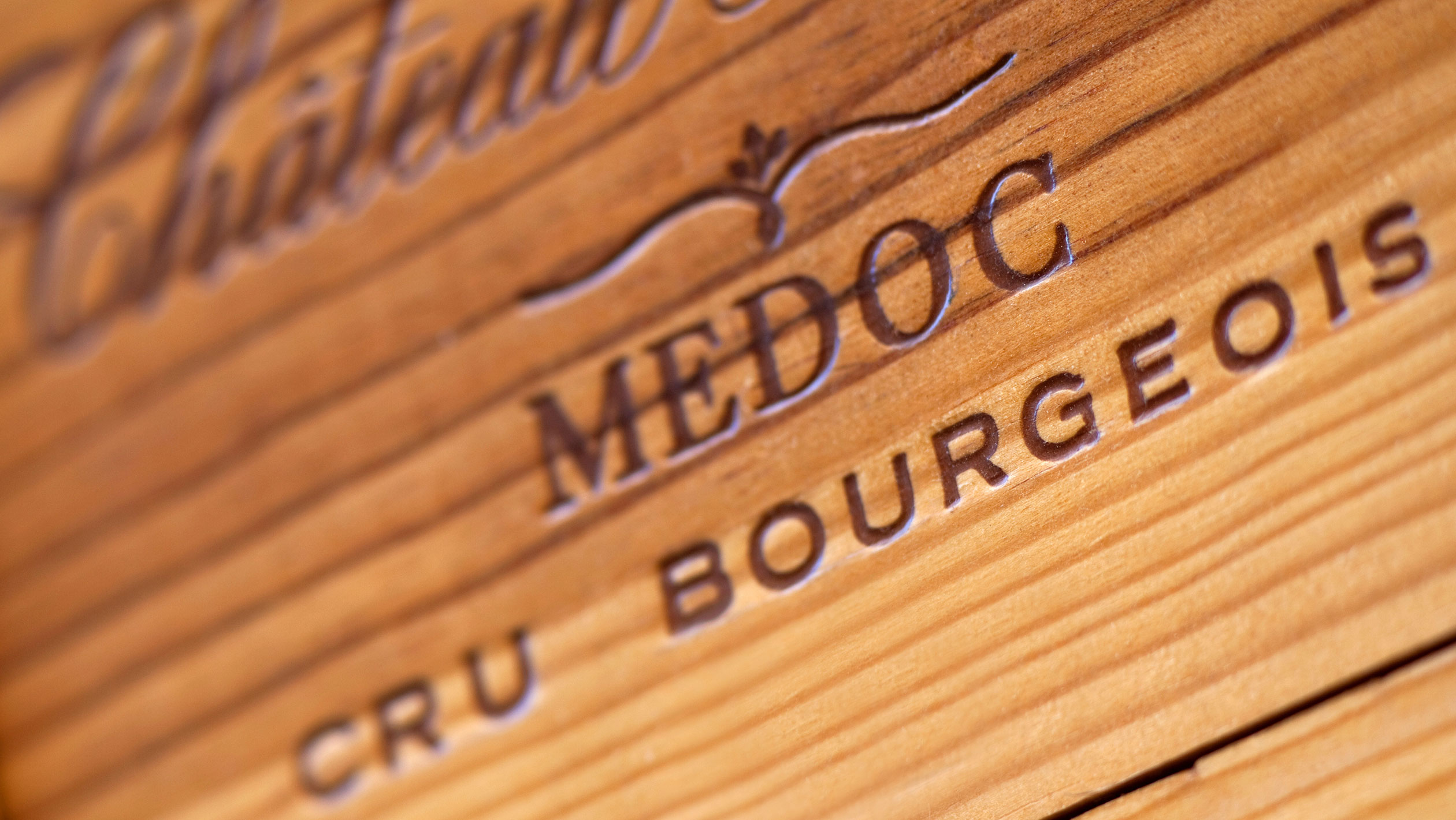
Bordeaux’s Cru Bourgeois—a classification for Médoc châteaux not ranked in the 1855 classification of Grand Crus—has received yet another revamping, and an apparently new-and-improved era for the designation is upon us. The Alliance des Crus Bourgeois du Médoc and its member châteaux are leaning hard on the message that this time the bar is higher, with stricter criteria and rules ensuring a renaissance of affordable greatness.
It’s a daunting global moment, though, with grape gluts, health scaremongering, tariffs, and a generational reckoning for wine. Within this context, and with iconic Médoc estates like Château Chasse-Spleen continuing to forgo the Cru Bourgeois badge and its troubled past, can the designation possibly move the needle toward meaningful brand adoption among industry professionals and consumers?
It’s impossible to read the cards for the future of Cru Bourgeois without first addressing its relationship to the 1855 elephant in the room. While some may think of it as the definitive statement on terroir and lasting prestige in Bordeaux’s left bank, it turns out to be more a creature of a specific moment.
Don’t miss the latest drinks industry news and insights. Sign up for our award-winning newsletters and get insider intel, resources, and trends delivered to your inbox every week.
“Even before the 1855 classification, these unofficial lists existed among the merchants,” says consultant and educator Mary Gorman-McAdams, MW. “This one stuck, and now you can’t unstick it.” As a Bordeaux specialist, she frames the 1855 declaration as a sort of price list that’s been frozen in time—fair or not—and the advantages it bestowed have compounded over the decades.
Beneath its 1855 overlords, Cru Bourgeois has sought from its inception to carve out some semblance of stature in Grand Cru’s shadow via a cooperative trademark. “We believe in the power of the group,” says Marguerite de Luze, a co-owner of Cru Bourgeois standout Château Paveil de Luze in Margaux. “[We’ve] been part of the Crus Bourgeois since the beginning.”
At points along the way, though, the Cru Bourgeois name mired itself in confusion and controversy.
Bourgeois Baggage
“It needs a genuine rebranding, which we’re currently working on,” admits Armelle Cruse, the president of the Alliance des Crus Bourgeois du Médoc and a co-owner of top-tier Haut-Médoc member Château du Taillan. “[But] it’s mainly the industry that holds a blurred image. That’s actually an opportunity: by rebuilding around clear values.”
The designation was created in 1932—with a whopping 444 estates—to give producers of quality that didn’t make the 1855 Cru Classé list a boost out of the masses.
It chugged along through the decades before an attempt to revitalize the concept in 2003 went sideways.
A ranking system of three tiers was introduced along with more stringent criteria, slimming the group down to 247 châteaux. But controversy ensued, with conflict of interest allegations directed at the Cru Bourgeois governing panel and general rancor from estates receiving less-than-ideal tier positioning or outright exclusion. In 2007, after years of legal wrangling and investigation, the designation was banned by a French court.
Around 2010, Cru Bourgeois made a restructured reintroduction with a rollback to the single-tier system. But this new iteration was met with further frustration, and disgruntled top-tier “Exceptionnels” châteaux—including the likes of Chasse-Spleen, Poujeaux, and Potensac—protested their loss of prestige positioning by abandoning the Cru Bourgeois concept altogether.
“I completely understand not wanting to participate,” says Rebecca Banks, the beverage director for the French-centric McNally Restaurant Group in New York City. “[It’s] a system that has been very inconsistent since its inception.” Why, then, should industry buyers or end consumers trust it?
The Cru Bourgeois Makeover
In a sort of heartfelt act of contrition for a mismanaged past, the 2020 edition reinstalled a three-tiered ranking system, with the 249 qualifying châteaux subjected to strict blind tasting protocols and compulsory reevaluation conducted every five years.
The new 2025 iteration, which was released in February, boasts even more stringent requirements, including enhanced environmental certifications and site inspections. And the château count this time around? Down to a more distinguished 170.
It’s a good step forward, but the question remains: Can this phoenix inspire renewed interest for the Cru Bourgeois brand in the modern market?
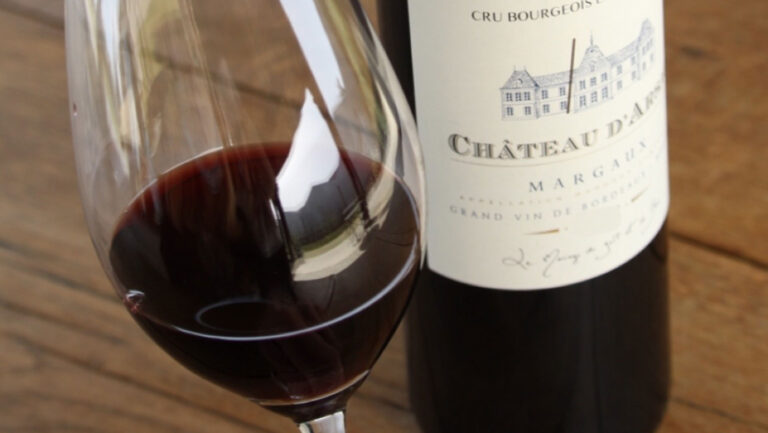
Even for some members of the current Cru Bourgeois regime, the concept is still a work in progress. Loïc Le Bozec, the estate manager and winemaker at top Cru Bourgeois producer Château d’Arsac, would like to see more relatable messaging for the brand. “The Crus Bourgeois should emphasize their unbeatable value for money,” he says. “These wines receive the same level of care and attention as a [Grand Cru] classified growth, but at much more accessible prices.” However, he points to the challenge of conveying a unified message with such a large and diverse group, and he’d welcome a further culling of the herd.
In the current economic and geopolitical climate, assertively contrasting Crus Bourgeois against the luxury-priced, elite 1855 classified growths could be a useful approach. But it’s doubtful that pushing another Bordeaux classification to memorize at already-confused wine consumers—however relatable and attractively priced it may be—would prove a useful maneuver.

Trade Dilemma for the New-Old Bordeaux Brand
For any substantial future Cru Bourgeois success among general consumers, collective messaging likely needs to be distilled through the trade and media. Winning over those modern professionals, though, won’t be an easy task.
As a buyer with deep experience in Bordeaux, it’s encouraging that Banks embraces the current Cru Bourgeois iteration and its value in the market. “Cru Bourgeois wines have a huge advantage: They are typically less expensive and largely approachable in their youth,” she says. “They represent quality and value.” As unlikely as it may seem relative to its legacy image, Bordeaux is now among the world’s best bangs for the buck. But with the region’s entrenched, stiff image and Cru Bourgeois’s historical baggage, she believes that buyers like her will need to hand-hold their customers toward the opportunity.
For some other professionals—those not as in tune with the region—the new classification may not hold much meaning, but that’s more of a function of attitudes towards Bordeaux as a whole, rather than Cru Bourgeois itself. “I’ve often come across in the market a complete lack of interest in anything new or anything exciting happening in Bordeaux,” Gorman-McAdams says. “People have this narrow view of what Bordeaux is and what Bordeaux should be.”
However, there is good indication the Cru Bourgeois classification holds some kind of weight among buyers; when Gorman-McAdams conducts distributor education sessions, many sales reps report that Cru Bourgeois helps the sale along. “When it comes to Bordeaux, [having a classification] still means something for some of their customers, and especially for Médoc estates that are not so well known, it can make the sale easier,” she notes.
While more approachable tourism campaigns can help Bordeaux in a broad sense, the Cru Bourgeois collective’s main challenge is to hammer home the message of its refurbished brand to professionals—all without another contentious calamity. There does seem to be more organized, can-do optimism this time around, though.
“It is up to us to revitalize the brand,” says de Luze. And if she and the other Crus Bourgeois can entice the trade with the revamped brand’s environmental bona fides, freshly relatable comportment, reworked structure, and superlative value, buyers and their teams may step up to do heavy lifting as conduit for the cause.

Dispatch
Sign up for our award-winning newsletter
Don’t miss the latest drinks industry news and insights—delivered to your inbox every week.
John Sumners is a wine industry veteran, drinks and culture journalist, and California and Portugal specialist based in Lisbon. His roles have ranged from working the floor in the Manhattan fine-dining battlefield to managing, buying, and marketing for San Francisco retailers, among others. John is also the author of There’s More Than Port In Portugal: The Unpretentious Guide to Portuguese Wine.