Since Cory King co-founded Side Project Brewing in 2013, the St. Louis barrel-aged specialist has released a suite of imperial stouts that have evoked everything from Samoa cookies to Neapolitan ice cream. Side Project even earned gold at the 2025 Great American Beer Festival for its Marble Lions pastry stout featuring peanuts, cocoa nibs, and bananas.
Off the podium, though, King is seeing faster sales velocity for less-sweet, barrel-aged stouts that highlight bourbon and rye character, without the need to mimic an Almond Joy. “Many of our consumers have been around for a while and are like, ‘Dude, I’ve had 18 different stouts that taste like a candy bar,’” King says.
That’s because for much of the last decade breweries have prioritized pastry stouts that channel cherished desserts and candies to appeal to a broader audience. Cicerone certification isn’t required to understand and enjoy Great Notion’s ice cream–inspired Hot Fudge Saturday or Imprint Beer Co.’s Crunchety line flavored with Snickers or Twix.

Don’t miss the latest drinks industry news and insights. Sign up for our award-winning newsletters and get insider intel, resources, and trends delivered to your inbox every week.
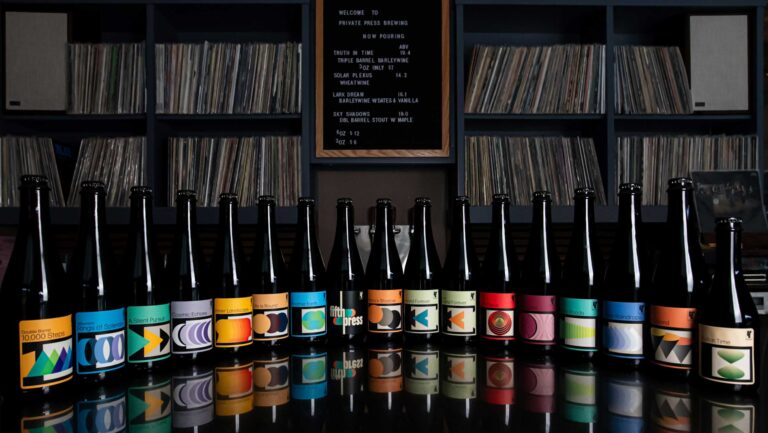
But it’s tough to drink dessert during every happy hour. As craft beer’s core customers mature, breweries are starting to eschew sweetness and prioritize “barrel complexity,” says Brad Clark, the founder of Private Press Brewing in Santa Cruz, California, who runs a sold-out membership club for his barrel-aged imperial stouts and barley wines. Clark’s beers have less residual sugar, which lets “the barrel be present within the drinking experience,” he says.
Goose Island Beer Co., makers of Bourbon County Brand Stout, is also “leaning into the barrel as an ingredient,” says Todd Ahsmann, the president. This fall’s Bourbon County releases include a variant inspired by chocolate pralines that earns its nuttiness, in part, from bourbon barrels. “Instead of throwing in random ingredients, a barrel can create those flavors.”
Meeting Mature Beer Drinkers Where They Are
During craft brewing’s run-up in the 2010s, pastry stouts tapped into rich veins of nostalgia for drinkers in their 20s and 30s not far removed from childhood’s frosting-topped birthday cakes and Halloween candy hauls.
To reach more seasoned drinkers, especially ones that might have cultivated a taste for high-end whiskey, breweries are using barrels from sought-after bourbon and rye producers.
For this November’s release of Side Project’s annual imperial stout Beer : Barrel : Time, King is releasing two variants, bourbon and rye, both aged in Willet Distillery barrels. “The barrel is that important,” King says. “Our consumers love the straightforwardness of those stouts.”
Goose Island will release a Bourbon County Brand variant aged for two years in two sets of Heaven Hill Bottled-in-Bond Bourbon barrels. “Consumers love specific barrel variants,” Ahsmann says.
WeldWerks Brewing Co. in Greeley, Colorado, amplifies the connection between barrel and imperial stout by adjusting the recipe depending on the cask’s former contents. That means adding wheat for wheated bourbon, or rye for rye whiskey. “We’re trying to help bring those flavors out,” says Skip Schwartz, the head brewer.
Double Barrel-Aged Brews for Added Depth
Distilleries commonly turn to cask finishing to incorporate new flavors into mature spirits, such as bourbon and whisky, by aging them in secondary barrels that contain sherry, red wine, or rum. Breweries are now applying that technique to imperial stouts to build new tiers of flavor.
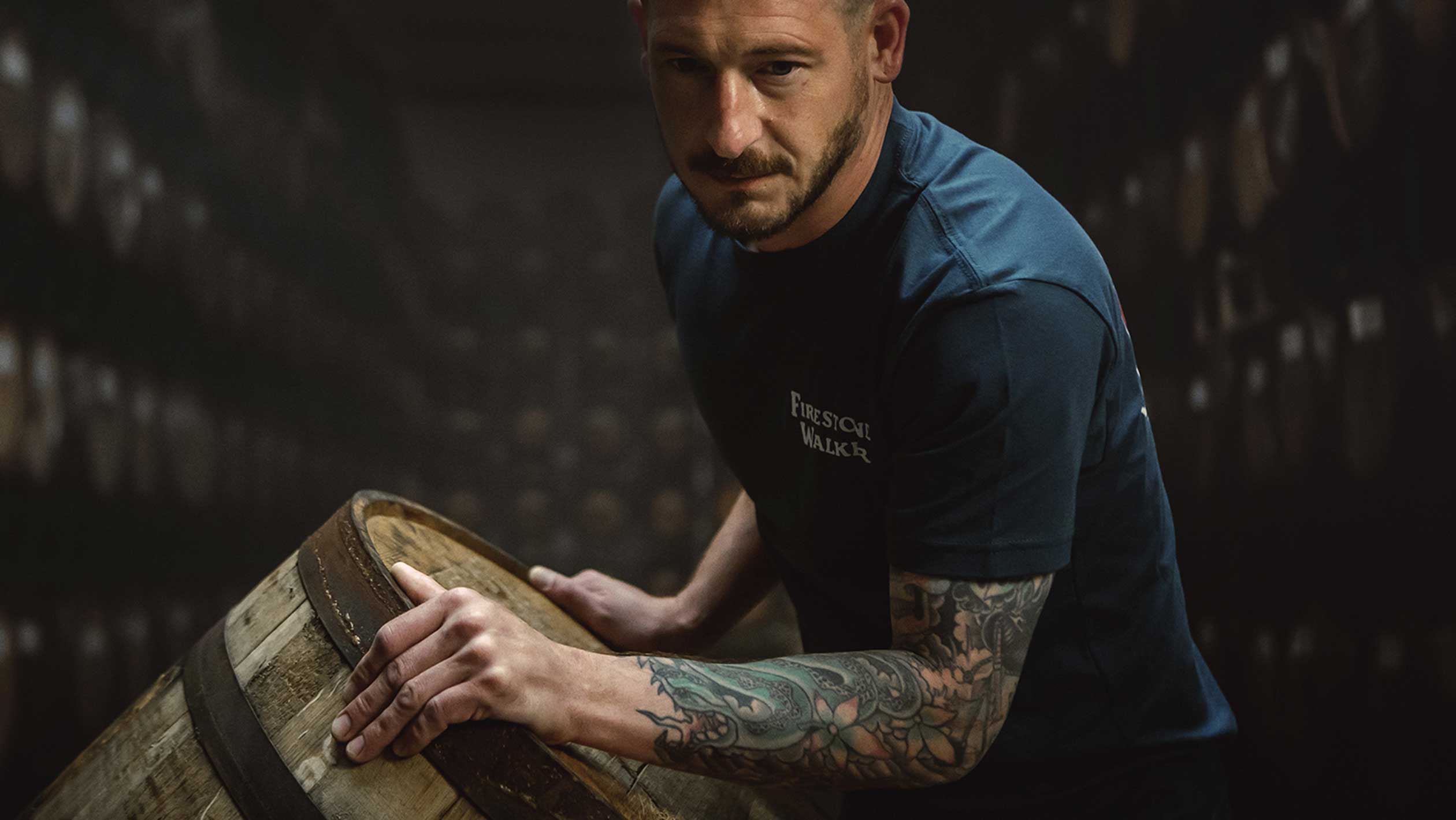
“We’re having fun moving beers into new barrels to bring in even more barrel character,” says Matt Brynildson, the brewmaster at Firestone Walker Brewing Company in Paso Robles, California.

This year, as part of the Brewmaster’s Collective club, the brewery released Paso Parabola, an imperial stout first aged in rye whiskey barrels and then in French oak puncheons that contained Zinfandel. The goal, Brynildson says, is to “massage barrel character into the beers without it being too boozy and over the top.”
At the Veil Brewing Co. in Richmond, Virginia, Matt Tarpey, the cofounder and head brewer, will progressively age imperial stouts in two or three different barrels, a process that can take three years or longer till his beers reach desired flavors. (A 500-milliliter bottle of triple-barrel-aged stout might cost $30 or more.) “We do things the hard way,” Tarpey says, adding that he’s working on a project that will be quintuple-barrel aged.
Exotic woods are also fair game. In January, Revolution Brewing will release Dethurana, an imperial oatmeal stout made from a blend that’s aged, separately, in bourbon barrels and Brazilian amburana barrels that lend flavors of coconut and cinnamon. “We’re adding more and more wood,” says Josh Deth, the founder of the Chicago brewery, instead of just relying on the “sweetness of adjunct ingredients.”
Humans are hardwired to seek out and prefer sugar, and consuming dessert doles out a dopamine reward. Pastry stouts will always have a place in brewing, serving as sweet capstone to dinner or an evening. But not everyone wants to drink their cake. After years of sugary, nostalgic experiences, says Clark of Private Press, “it’s exciting to see the pendulum swinging back and people finding more enjoyment out of balance, nuance, and depth.”

Dispatch
Sign up for our award-winning newsletter
Don’t miss the latest drinks industry news and insights—delivered to your inbox every week.
Contributing editor Joshua M. Bernstein is a beer, spirits, food, and travel journalist, as well as an occasional tour guide, event producer, and industry consultant. He writes for the New York Times, Men’s Journal, New York magazine, Wine Enthusiast, and Imbibe, where he’s a contributing editor in charge of beer coverage. Bernstein is also the author of five books: Brewed Awakening, The Complete Beer Course, Complete IPA, Homebrew World, and Drink Better Beer.