A cloud of negativity covers a brewing industry roiled by erratic tariffs, spiking costs, declining consumer confidence, and constant thunderclaps of consolidations and closures. Last year, legacy brands Rogue Ales & Spirits and 21st Amendment Brewery tossed in the bar towel.
Many customers “assume that everyone else is doing the supporting,” says Brandon Proff, the managing partner at Our Mutual Friend Brewing in Denver. “When businesses close, they see epic amounts of support by people wanting to visit one last time.”
It’s too little, too late, for too long. As of November 1, 2025, dollar sales and volumes respectively slid 2.8 percent and 4.4 percent from a year earlier, according to NIQ data provided by 3 Tier Beverages. Craft beer’s red ink spilled deeper as dollar sales and volumes dipped 4.9 percent and 6.3 percent during that same stretch.
Don’t miss the latest drinks industry news and insights. Sign up for our award-winning newsletters and get insider intel, resources, and trends delivered to your inbox every week.
“The bloom is off the rose, and it’s now infinitely harder—compared to 10 years ago—to simply open a brewery, hang a shingle, and expect a stampede at your door,” says Rob Lightner, the cofounder of East Brother Beer Co. in Richmond, California.
Surviving and even thriving means being smart, scrappy, and adaptable, including producing beverages for other brands. “We don’t have the luxury of sitting on unused fermenters,” Lightner says.
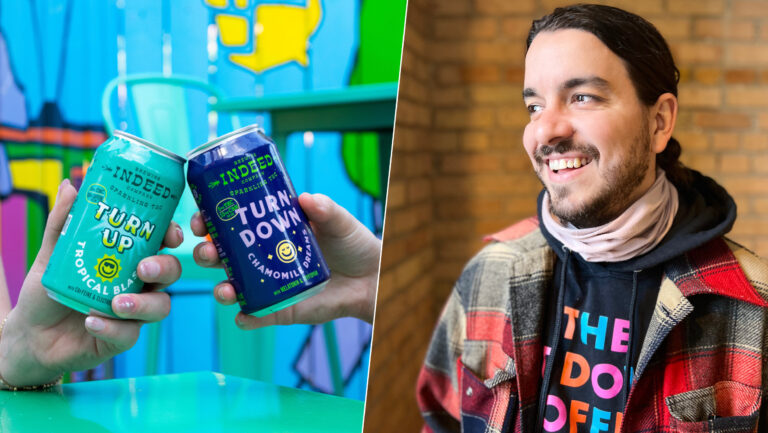
The increase in contract packaging arrangements “shows that more of us are seeing ourselves as manufacturing companies,” says Ryan Bandy, the chief business officer of Indeed Brewing Company in Minneapolis.
In the high-volume, low-margin brewing industry, “scale creates stability, efficiency, and the ability to reinvest in quality and innovation,” says Sam Hendler, the cofounder and CEO of Hendler Family Brewing Company in Framingham, Massachusetts.
Breweries can nurture green shoots by warmly courting Gen Z, delivering value, curating taproom experiences, and doubling down on core competencies: making great-tasting beverages, especially beer. These six trends spotlighted by industry experts will help steer the coming year in beer.

1. Value Will Be Essential for Cash-Conscious Consumers
Consumer confidence remains shaky as people face high housing costs, stagnant wages, inflation, and unemployment. “Beer sales are feeling the squeeze from a few different directions,” says Justin Kissinger, the president and CEO of the World Brewing Alliance in Washington, D.C.
To keep beer in drinkers’ discretionary budgets, breweries will deliver value to price-sensitive consumers. Narragansett Beer in Providence, Rhode Island, is meeting the moment with its flagship heritage lager that retails for around $25 per 30-pack of 12-ounce cans. The brand “is resilient and well positioned for many of the realities of today’s consumer,” says Mark Hellendrung, Narragansett’s president.
Delivering attractive pricing requires “finding ways to cut cost without compromising beer quality,” says Alex McNamara, the senior brand manager at Square Mile Cider, Widmer Brothers, and Redhook. In October, Redhook introduced the no-frills ’81 Light Lager that’s brewed with one hop and one malt, selling for $6 to $7 per four-pack of 16-ounce cans.
Quality and value extend to tasting rooms and tours. Boulevard Brewing Company’s Tours & Rec Center in Kansas City, Missouri, remains bustling, but “we have to work harder for it,” says Amber Ayres, the director of consumer experience.
From front-door greetings to clean tables and charismatic tour guides, everything adds up “to encourage guests to spend more time, enjoy more offerings, and ultimately spend more money because it feels worth it,” Ayres says.
The hospitality element can be an important differentiator, even if a beer costs a couple extra bucks. “Craft beer was never about being the cheapest option,” says Steve Kurowski, the executive director of the Craft Maltsters Guild. “It was about being the most thoughtful.”
2. Shelf Space Will Shrink, Spurring More Targeted Beer Releases
Beer’s retail real estate is shrinking as supermarkets and liquor stores prioritize flavored malt beverages, spirit-based ready-to-drink (RTD) cocktails, and other drinks.
“Distributors are looking for trusted brands that perform and are no longer asking, ‘What’s the new beer?’” says Adeline Druart, the CEO of Lawson’s Finest Liquids in Waitsfield, Vermont. Distributor requests led Lawson’s to create Epic Sip, a 9.5% ABV imperial IPA sold in 19.2-ounce cans at supermarkets and convenience stores. “Chains want simpler sets, faster turns, and differentiated brands that reinforce their growth strategy,” Druart says.
Retail pressures will force breweries to make fewer, more impactful releases. “Breweries that win will innovate with a point of view, not simply for the sake of keeping up,” Hendler says. Last year, Hendler Family introduced the Masshole Light Lager that turns a derogatory term for Massachusetts residents into a cheeky point of pride.
Matt Gacioch, the staff economist at the Brewers Association, expects to see “continued growth in brands that appeal to nontraditional craft consumers,” such as Hurray’s Girl Beer. There’s also momentum in occasion-specific branding, he adds, like Garage Beer or Friday Beers.
Breweries will broaden beer-drinking occasions by planting flagship beers beyond traditional calendar tentpoles such as the Fourth of July and Memorial Day, says Zach Keeling, the CEO of Sapporo-Stone Brewing. They might suggest drinking Sapporo to celebrate Lunar New Year, or perhaps Japanese drinking party bōnenkai.
“Our focus is making beer more inclusive and relevant by showing up where it hasn’t historically had a strong presence,” Keeling says, including partnerships with video game Ghost of Yōtei on limited-edition packaging and in-game rewards.

3. Hemp-Derived THC Beverages Are an Economic Lifeline That Might Be Cut Loose
Hemp-derived THC beverages have become a bottom-line boon for breweries nationwide. “In established hemp-beverage markets, many breweries have been able to make up lost beer volume with THC,” says Ryan Petz, the CEO and cofounder of Fulton Beer in Minneapolis.
THC beverages are finding success by letting consumers curate “when and how they drink,” says Andrew Kelly, the CEO of Aslin Beer Company in Alexandria, Virginia, which offers the Wax line of THC-infused nonalcoholic beers.
Modern Alchemist, which opened in October in Old Fort, North Carolina, offers house-made beer, spirits, sodas, and THC drinks “that allows customers to pick and choose their path,” says Chris Zieber, the cofounder and president.
That path might narrow. This fall, the federal government passed a ban on hemp-derived THC products that will take effect in November 2026, cutting loose an economic lifeline. The hemp-beverage line Choom, produced by Hopewell Brewing in Chicago, accounts for around 30 percent of the brewery’s revenue.
“To have that disappear would be devastating,” cofounder Samnatha Lee has said.
“If the ban is not overturned or delayed, it’s obvious that most brands in the THC beverage space will cease to exist,” Petz says, imperiling Fulton’s Narc line. But “if Congress overturns the ban and establishes even a basic federal regulatory framework, the already booming THC market could elevate to another level.”
4. Breweries Will Place a Renewed Focus on Beer and Packaging Options
Be it hard seltzer, hard tea, or RTD cocktails, “every year we seem to spend more time discussing non-beer products,” says Jerry Siote, the director of brewhouse operations at Lone Tree Brewing Company in Lone Tree, Colorado.
Instead, Lone Tree is focusing on rounding out its taplist and reformulating beers, including its flagship IPA. Beer, Siote adds, “should be the bedrock and default mission of craft breweries.”
The beer industry doesn’t need new trends, says Megan McKenna, the marketing director for Hop Valley Brewing in Eugene, Oregon—“it needs new drinkers.”
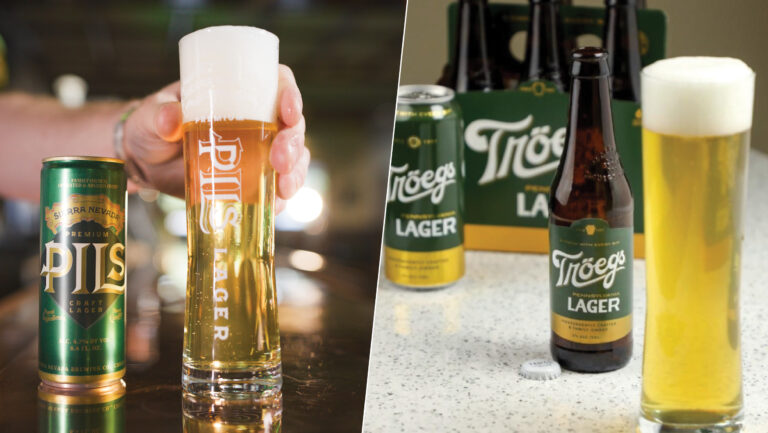
To re-invite people to craft beer, breweries will highlight regionality. Boston’s Harpoon Brewery recently refreshed its flagship IPA’s packaging to emphasize that it’s “Boston’s IPA.” This fall, Tröegs Independent Brewing in Hershey, Pennsylvania, introduced Pennsylvania Lager in 12-packs of 16-ounce cans called a PA Pounder, plus six-packs of glass bottles.
“As buying habits have shifted, we’ve aimed at reaching people through different pack types,” says cofounder Chris Trogner.
Glass might mount a comeback. After fielding numerous requests, Garage Beer plans to release its light lager in nostalgic, stubby glass bottles. “There’s a certain consumer that just really prefers glass,” says Andy Sauer, the CEO.
Glass can convey transparency, a selling point as health consciousness continues to build. Fathers Brewing debuted last year with the bottled Clean American Lager and Clean American Light Lager that plainly list ingredients and nutritional specs.
“Health fads don’t always fade quickly,” Gacioch says, so “we may see a marketing shift toward ‘healthier for you’ beer.”
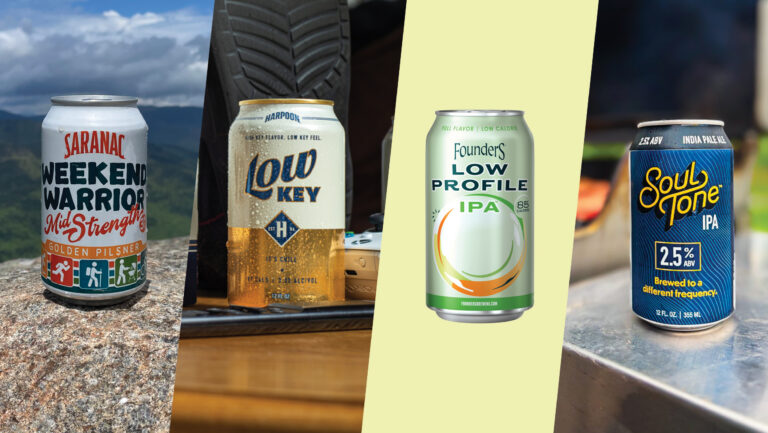
Moderation also means shrinking cans. In August, Sierra Nevada Brewing introduced Pils in eight-packs of 8.4-ounce cans, while November saw Notch Brewing in Salem, Massachusetts, roll out the “Schnitt can” of Zwickel Bier pale lager, which also clocks in at 8.4 ounces.

5. Gen Z Will Become a Focal Point for Craft Breweries
The narrative is that Gen Z is drinking alcohol less frequently than previous generations, but that’s a “common misconception,” says Josh Fruchtman, the sales director at Allagash Brewing Company in Portland, Maine. “Gen Z spends roughly the same share of their income on alcohol as previous generations did at their age, but they’re saddled with an affordability crisis.”
When members of Gen Z do drink, “craft beer is more frequently in their weekly beverage mix than it is for millennials,” Druart says. “It’s just not a cultural signifier.”
To bring Gen Z into the fold, breweries must focus on experience, authenticity, and cultural connection, says Marcus Baskerville, the brewmaster at Windmills Craftworks in Dallas, where live jazz complements Indian cuisine and thoughtful beers. “If your taproom feels like a beige box with a chalkboard tap list and zero cultural context, you’re not on their radar,” he says.
“Simply being the local craft brewery with a food truck isn’t enough,” says Anthony Martuscello, the president and founder of WestFax Brewing Company in Lakewood and Colorado Springs, Colorado. To tap into a generation that values brands with purpose, personality, and consistency, WestFax is leaning into strong visuals, digital storytelling, and on-trend events like Pickle Fest.
Gen Z isn’t a lost generation of beer drinkers, but breweries must “treat them like you want them in your establishment,” says Wesley Keegan, the founder and owner of TailGate Brewery, headquartered in Nashville. “Educate them about craft beer. Welcome new faces instead of blowing people off when they ask questions. Like all demographics, Gen Z is where they feel included.”

6. To Draw Customers to Taprooms, Experiences and Urgency Become Central
What made taprooms special—fresh, flavorful beer—is now widely available. Breweries must create irresistible lures and compelling experiences to attract customers. “It’s not that people don’t like beer anymore,” Proff says. “They just have to feel like the effort of showing up means something.”
To entice customers, Strange Craft Beer Company releases “smaller batches to create a sense of urgency” to visit the downtown Denver taproom, says Tim Myers, the owner and head brewer.
Limited releases can be cause for celebration. At Boulevard, the brewery collaborates with community partners including museums, chocolatiers, and tattoo artists on taproom-only beers that are activated with special events and launch parties. “Our customers really respond to these partnerships,” Ayres says.
Ratio Beerworks supports Denver’s music and arts scene through events and live shows at its two taprooms. Now it’s upgrading one location’s sound system and lighting, creating an elevated experience that can’t be replicated on a living room couch. “We want people getting out to do things in real life,” says Jason zumBrunnen, the cofounder.
Making everyone feel welcome in the taproom can include four-legged friends. WestFax Brewing hosts Woof Wednesdays, Lawson’s Finest Liquids recently added a dog-friendly park, and dog-themed Pinellas Ale Works in St. Petersburg, Florida, caters to canine owners with plenty of dog bowls and treats, plus beers like the IPAs Puppy Love and Off the Leash.
“At the end of the day, we’re hosts for our communities,” says Indeed’s Bandy. “The taproom is the heart and soul of craft beer.”

Dispatch
Sign up for our award-winning newsletter
Don’t miss the latest drinks industry news and insights—delivered to your inbox every week.
Contributing editor Joshua M. Bernstein is a beer, spirits, food, and travel journalist, as well as an occasional tour guide, event producer, and industry consultant. He writes for the New York Times, Men’s Journal, New York magazine, Wine Enthusiast, and Imbibe, where he’s a contributing editor in charge of beer coverage. Bernstein is also the author of five books: Brewed Awakening, The Complete Beer Course, Complete IPA, Homebrew World, and Drink Better Beer.