Around December, as breweries tapped stouts and Christmas ales for holiday festivities, Ryan Frank had another goal in mind. The chief operating officer and brewmaster at California’s Headlands Brewing, which operates four locations around the Bay Area, began planning a collaborative beer for the FIFA World Cup, which was to kick off in summer 2026 in North American stadiums.
Headlands partnered with Canada’s Cabin Brewing and Mexico’s Rey Árbol on Common Ground, a moderate-strength “West Coast Mexican lager” with label art featuring illustrations of stadiums in Vancouver, Mexico City, San Francisco, and elsewhere.
“The world is a crazy place, but we still love beer and football,” Frank says. “We focused on what brings us together, not what’s driving us apart.”
Don’t miss the latest drinks industry news and insights. Sign up for our award-winning newsletters and get insider intel, resources, and trends delivered to your inbox every week.
Initially, Headlands planned to produce just 90 barrels, but the volume vanished within weeks as grocery stores, bars, and restaurants snapped up kegs and cans and used the brewery’s signage and custom brackets. “We showed up with a story that was so fun,” Frank says, providing “the on-premise with a layup.” Headlands doubled production to 180 barrels, ensuring pints flowed during the final match between Spain and Argentina on July 19.
For the beer industry, “the World Cup has been a great call back to on-premise,” Frank says.
The 2026 World Cup was successful on several levels, with record-breaking attendance and cross-cultural connections fostered by the “great international sleepover.” The six-week sporting event also benefited the beer industry. Scottish fans memorably drank the Samuel Adams Boston taproom dry of Boston Lager, part of a surge that saw sales volumes of draft beer increase 6.46 percent during the tournament, according to BeerBoard, driven in part by new weekday drinking occasions.
“We saw shifts in days of the week and times of the day when people drink beer,” says Brian Vislosky, BeerBoard’s director of insights, whose data points to volume growth of nearly 16 and 12 percent, respectively, during Monday and Tuesday World Cup games.
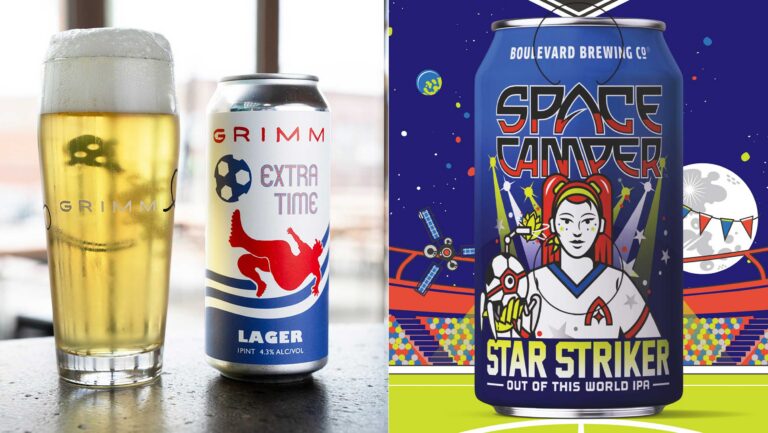
Michelob Ultra (the World Cup’s official beer sponsor) and Mexican lagers benefited from beer demand, but local and regional craft breweries also experienced upticks. In June, Brooklyn’s Grimm Artisanal Ales experienced its “best sales month ever” with its distributor, says cofounder Joe Grimm, and New Yorkers flocked to the brewery’s taproom to crush football-themed Extra Time lager while watching games.
“It’s wonderful to see these collective sports games create moments to come together,” says cofounder Lauren Grimm.
As the dust settles on North America’s football pitches, we examine what tactics sparked success and how breweries can leverage learnings for future events.
Drinkers Return to On-Premise Drinking Occasions
The pandemic fractured bar-going routines and habits, making it tough to entice customers for casual Tuesday beers. Experiences and events, though, can tractor-beam patrons back to the on-premise. The World Cup spurred breweries to transform taprooms into immersive environments for watch parties, creating a “communal experience that you can’t replicate at home,” says Bobby Dykstra, the executive vice president of sales and marketing at Duvel Moortgat USA, parent company to Boulevard Brewing.
Boulevard upgraded its Kansas City taproom’s physical infrastructure by installing additional televisions and a new outdoor patio and bar dubbed the Boulevard Yard. Shifting to a “shared-experience destination,” Dykstra says, paid off with a roughly 25 percent increase in foot traffic and beer hall sales since mid-June.
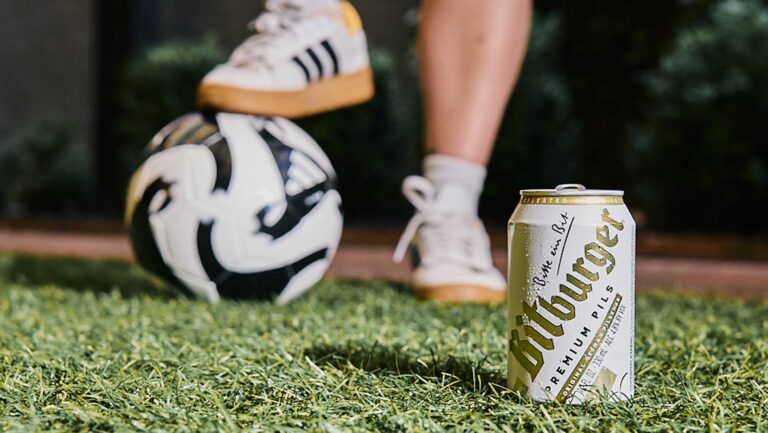
German pilsner Bitburger leaned into the World Cup by creating limited-edition football-themed labels and sponsoring New York City’s German House of Soccer, a 30-day popup showing games and serving plenty of pilsner.
“We had 700 people in there while Germany was playing,” says Scott Baver, Bitburger’s U.S. country director, who spent six weeks visiting bars and restaurants in Philadelphia and New York City leading up to and during the World Cup. Large, electric crowds turned back the nightlife clock. “I haven’t seen bars like this since Covid,” he says.
During June, on-premise sales of Bitburger increased 130 percent. “The World Cup reignited occasions to go to the on-premise as a community,” Baver says. “For younger generations, it was possibly the first time that they actually had a beer.”
Limited-Edition Beers Create Big Returns
Within beverage alcohol, beer possesses a unique ability to cross channels and occasions. A football-focused wine might flop, but a football-themed beer makes perfect sense.
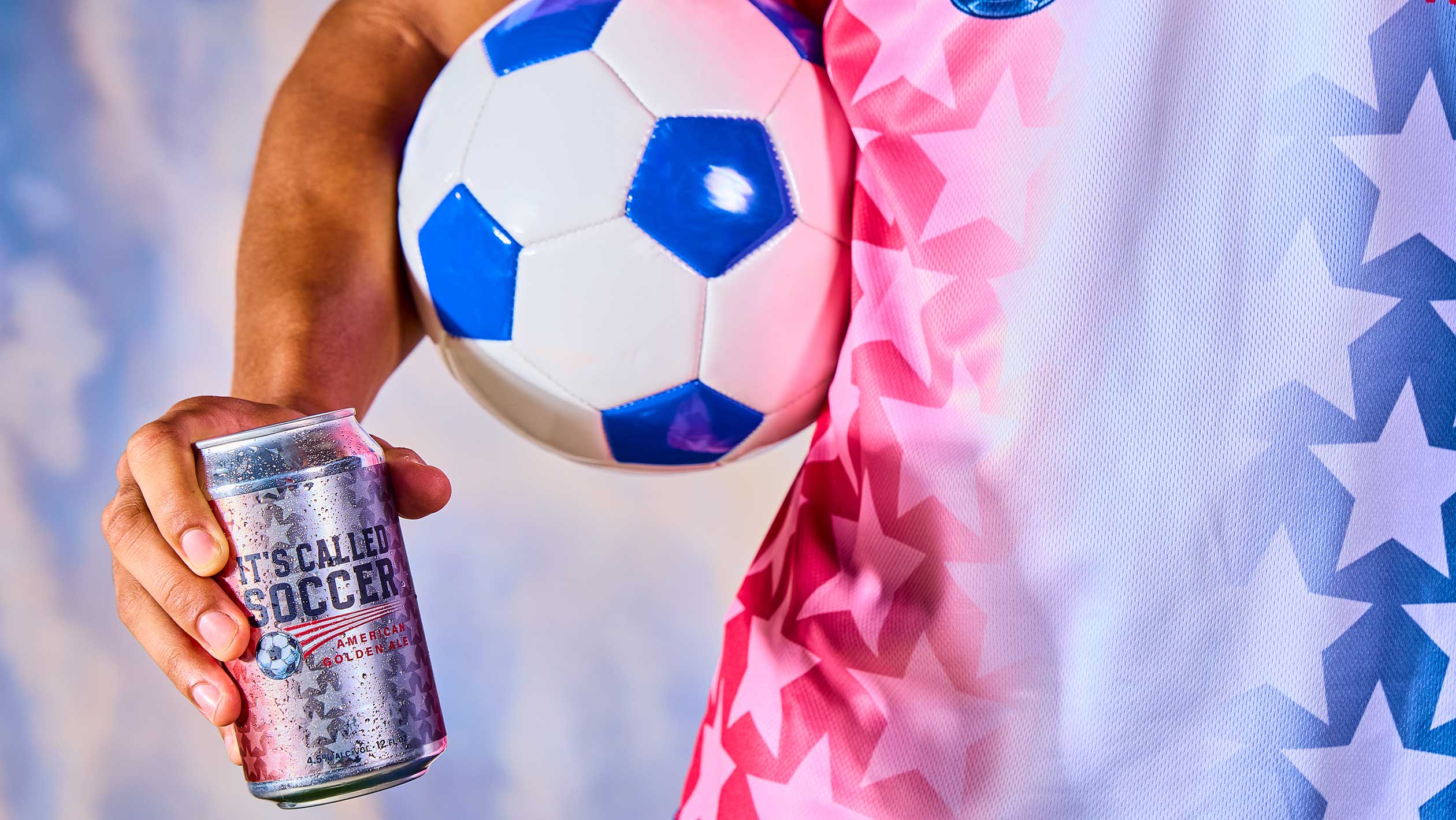
About four years ago, Newport Craft Brewing & Distilling created It’s Called Soccer, a kölsch-style ale poking fun at Americans’ linguistic insistence on the sport’s name. Using the U.S. men’s soccer team logo resulted in a lawsuit, leading the Newport, Rhode Island, brewery to rethink the beer for the 2026 World Cup. It’s Called Soccer became an easygoing American golden ale packaged in red, white, and blue cans.
Newport only intended to produce 30 barrels, but it brewed 300 barrels with distribution reaching more than 315 bars, restaurants, and liquor stores across Rhode Island, Massachusetts, and New York. “The response has been especially strong at our own facility, where we’ve hosted or partnered on more than 115 World Cup watch parties,” says Brendan O’Donnell, the brewery’s chief executive officer.
The brewery trademarked the beer’s name, and its success led the brewery to rethink its shelf life. Soccer bars would like to keep the beer on year-round, and a sticky tap handle is tough to turn down. “What started as a World Cup launch is something we plan to build into a year-round brand that continues to engage soccer communities for years to come,” O’Donnell says.
Boulevard found success on two fronts: one serendipitous, one planned. Easy Orange blood orange ale, which debuted in 2025, resonated with Netherlands fans—orange is the team’s color and Kansas City was the team’s local base camp. The brewery also created the soccer-themed Space Camper Star Striker IPA, a collaboration with the Kansas City Sports Commission & Foundation to commemorate the World Cup games in Kansas City.
“It’s part of a long-term strategy of deepening our partnerships within the soccer ecosystem,” Dykstra says.
The World Cup re-centered beer as essential to social experiences, part of a broader industry trend of leveraging on-premise occasions to increase sales. Look at all the bottle shops transforming into bars, or breweries allocating special releases for bustling taproom gatherings. It’s human nature to gather in packs to sip something cool and fizzy.
“What’s happening in 2026 are occasions,” says Lester Jones, the chief economist for the National Beer Wholesalers Association. “Maybe they just had one beer while they did it, but having that occasion at an on-premise establishment is a win for beer.”

Dispatch
Sign up for our award-winning newsletter
Don’t miss the latest drinks industry news and insights—delivered to your inbox every week.
Contributing editor Joshua M. Bernstein is a beer, spirits, food, and travel journalist, as well as an occasional tour guide, event producer, and industry consultant. He writes for the New York Times, Men’s Journal, New York magazine, Wine Enthusiast, and Imbibe, where he’s a contributing editor in charge of beer coverage. Bernstein is also the author of five books: Brewed Awakening, The Complete Beer Course, Complete IPA, Homebrew World, and Drink Better Beer.