When it comes to liquor licenses, the legalities can be dizzying. Each state creates its own license or permit classes, distinguishing among beer and wine, distilled spirits, on-premise service, off-premise sales, and other restrictions. Even the definition of wine can vary by alcohol percentage, affecting which products a restaurant or bar can legally serve.
A full liquor license that includes beer, wine, and spirits may seem like an easy choice, but it comes with its own hurdles. Liquor licenses can cost thousands more than a limited beer-and-wine license, depending on the state—and that’s if they’re even available. In some states, licenses to sell beer and wine are available year-round while new licenses that include distilled spirits are only available once per year during the designated priority application period.
For some, choosing a license that only permits the sale of beer and wine may be the most practical option. “Getting a full liquor license from scratch in Los Angeles can be a literal nightmare,” says Rebbecca Phillips, a sommelier and restaurant consultant for Sweetsalt in the city’s Toluca Lake neighborhood. “And even if you find a space that already has one, it adds another layer to your operation—more inventory, ordering, training, and labor.” The restaurant opted for California’s Type 41 beer-and-wine license, which allows the sale of beer and wine granted substantial meals are available and sold.
Don’t miss the latest drinks industry news and insights. Sign up for our award-winning newsletters and get insider intel, resources, and trends delivered to your inbox every week.
Availability of full liquor licenses can also be an obstacle. Many states, including California, Florida, New York, and New Jersey, limit the number available. In California, for example, Type 47 licenses, which allow the sale of beer, wine, and distilled spirits, are generally limited to one license per 2,000 residents within a given county. Meanwhile, New York imposes limitations on certain applications in areas with multiple existing liquor licenses.
Still, Phillips says, “If you gave every restaurant owner the choice between beer-and-wine or full liquor with no additional hurdles, who wouldn’t take full liquor? But that’s not the reality, especially for a small, independent restaurant that may not have the capital to pay rent on a space while they wait for licensing and hire an expeditor to help navigate the process. At a certain point you have to open your doors, and beer-and-wine is a much more manageable and affordable place to start.”
When a Limited License Makes Sense
Whether chosen intentionally or out of necessity, beer-and-wine licenses can still shape distinctive beverage programs that appeal to guests. At Lutra Cafe and Bakery, a brunch restaurant in Durham, North Carolina, the bar program focuses on lighter beverages that complement “our menu and style of dining,” says Chris McLaurin, the chef and owner. “I typically drink lower-ABV options myself, and when I was coming up with menus for Lutra, I kept writing lists that were just beer and wine and fun mixed drinks using them.”
North Carolina offers separate on-premise permits for malt beverages, unfortified wine, and fortified wine. Restaurants holding only beer and unfortified-wine permits cannot serve Sherry, Port, and Madeira. Other states define their categories differently, making it important to look beyond a license’s name to understand exactly what its parameters are.
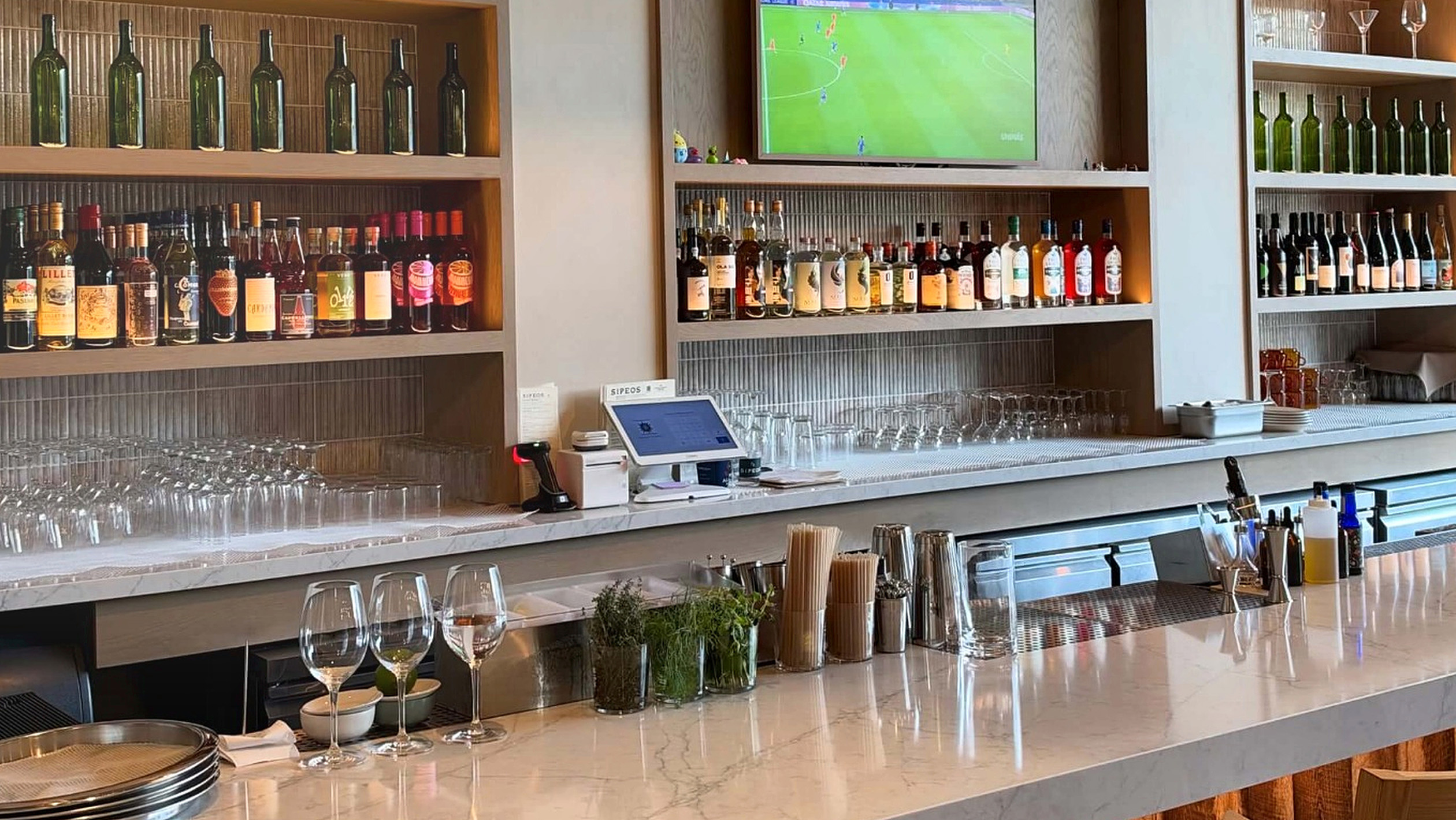
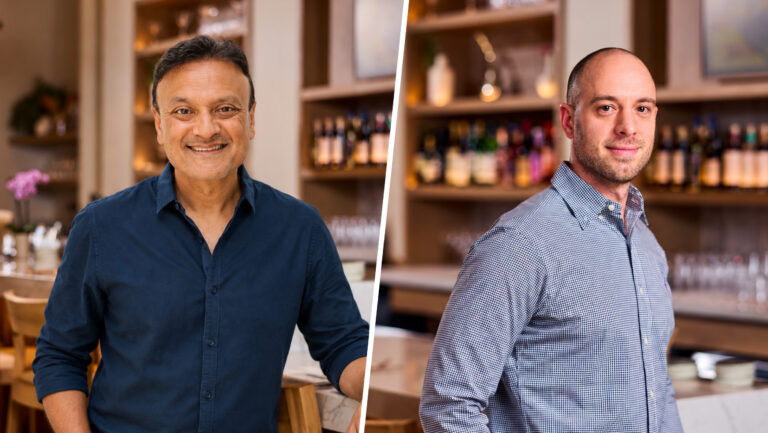
After operating an online business that featured non-alcoholic products, Hetal Shah, along with his wife Dhruma, set out to open a restaurant in Walnut Creek, California, with an inclusive beverage program that wasn’t entirely alcohol-free but aligned with their health and mindfulness philosophy. They opened Sipeo’s, offering a menu that taps into the ongoing demand for low- and no-alcohol beverages. Low-alcohol cocktails have typically accounted for 19 to 22 percent of beverage sales, Shah says, compared with 25 to 28 percent for wine. But in August 2026, low-alcohol cocktails reached 25 percent of beverage sales, surpassing wine’s 22 percent for the first time.
Some cities and states restrict liquor licenses based on proximity to churches, schools, and other institutions, making zoning another obstacle for operators. New York has a 200-foot rule that prohibits on-premise sale or consumption of liquor at any bar or restaurant within 200 feet of and on the same street as a school or place of worship. The same restriction does not apply to beer-and-wine licenses or establishments serving only beer or wine, however.
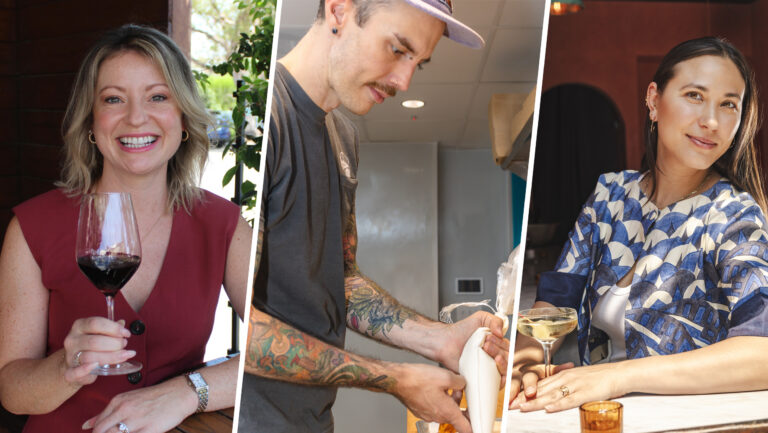
A-K Hada, the co-owner of Dokidoki in Brooklyn, wanted a small, neighborhood space for her Latin American-Japanese fusion restaurant and fell in love with a location that previously was a wine bar but was also near a church and school. Since the building already had a beer-and-wine license, the team decided to build that into the restaurant’s concept. “We didn’t really view it as a limitation,” Hada says. “From a creative standpoint, constraint breeds creativity. If this is what we have to work with, there’s actually a lot of other options.”
Build Around What the License Allows
Hada knew that in order for her program to be profitable, she would need to create complex cocktails in innovative ways. “Because we are unable to sell traditional, high-proof spirits, we’re forced to highlight shōchūs that are 24% ABV and under as base spirits,” Hada says. “That being said, our approach to creating a menu is the same as if we were working with gin, tequila, and whiskey.”
Most states’ on-premise beer-and-wine licenses do not permit distilled spirits, but New York and California make specific exceptions for soju and shōchū as long as the product is no higher than 24% ABV.
Shōchū is a natural fit for Hada’s Japanese-influenced menu at Dokidoki. Shōchū’s range of base ingredients and flavor profiles allows Hada to create cocktails with different characters within one single distillate category. Barley-based shōchū, for instance, can deliver the grain-driven character and body associated with whiskey in cocktails. “We make sure we are featuring a variety of styles—barley, sweet potato, awamori—without too much overlap,” says Hada. “We have eight cocktails that will rotate more frequently to keep things fresh.”
To compete with nearby cocktail bars, Sweetsalt uses Instagram to showcase how diverse and enticing drinks can be without distilled spirits. “Plus, I get to sneakily introduce people to shōchū and vermouth, which a lot of people don’t realize pair incredibly well with food,” she says.
Sipeo’s uses soju in a similar way. Bar lead Vincenzo Piccione favors Kumiho, a brand that makes flavored sojus designed to emulate traditional spirits. Its juniper-forward DJN stands in for London Dry gin in a Martini, while its oak-aged WSK provides caramel and smoky notes for a Whiskey Sour and Old Fashioned. The cocktails come in at 24% ABV rather than roughly 34% when made with traditional spirits.
For states that don’t allow distillates like shōchū or soju, there are still plenty of options for building a creative cocktail program around fermented and fortified beverages permitted by their specific licenses. “In the vermouth, Sherry, Port, Madeira, aperitif realm, there’s no shortage of products to work with,” Hada says.
Rethink the Classics
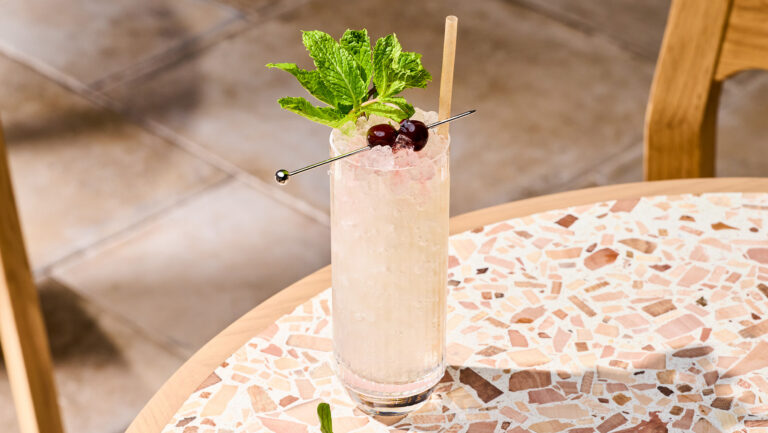
When building a new cocktail, Shah recommends starting with the qualities that make the classic recognizable rather than searching for a direct substitute for the base spirit. “Is the drink dry and botanical, bitter and citrusy, rich and warming, or savory and briny? Once you identify that, you can begin choosing products that recreate the overall experience,” Shah says. For example, the Dirty Bird uses Manzanilla Sherry and olive vermouth to create the savory, briny character of a dirty Martini.
Hada recommends riffing on simple classics like Martinis and Negronis, where fewer components and straightforward ratios are easier to translate. She also looks to wine-based classics such as the Sherry Cobbler and Bamboo for inspiration.
Sake provides another way to add texture and flavor, and, as a bonus, the cocktails offer opportunities to introduce unique sakes to guests. “These sakes are actually some of the more expensive base products featured on our menu—like one that is made with an ancient strain of red rice by Japan’s first female brewer and another that is aged 15 years,” she says. “These would be too pricey to sell by-the-glass but because we are only using about two ounces in a cocktail we can make it work.”
Under Lutra’s on-premise beer and unfortified wine permit, McLaurin uses seasonal produce and kitchen ingredients to heighten classic beer- and wine-based cocktails. He preserves fresh tomatoes and peppers in the summer to make Micheladas year-round. Sparkling wine and house-made fruit syrups anchor an extensive mimosa list and spiked lemonades and limeades. “It’s been lots of fun showcasing the best of North Carolina’s seasonal produce,” he says.
Keep a Close Eye on Costs and Inventory
From an operations standpoint, a beer-and-wine license allows Sipeo’s to maintain a more focused inventory because they aren’t carrying multiple brands across every spirits category. “But low-ABV cocktails aren’t necessarily less expensive to make,”Shah says. “We often use multiple premium vermouths, sherries, amaros, and wine-based aperitifs in a single drink—sometimes in larger quantities than the amount of base spirit used in a traditional cocktail.”
“You have to tailor more of the flavor profile to the product you want to use,” adds Piccione. “Instead of letting the syrups or citrus shine, just let the vermouths do their thing.”
To streamline all aspects of Lutra’s beverage program, McLaurin limits offerings and leverages the restaurant’s non-alcoholic lemonade and juice menu. “We’re able to extend our offerings to mimosas, spritzes, and shandies pretty easily and keep our service quick without multiple new cocktails,” McLaurin says. The beverage program is relatively small, so the kitchen handles all the bar prep. “It’s easy to fold this prep into our general prep, and it allows us to find fun uses for excess produce and other items we have coming into the kitchen,” he adds.
That approach also helps control costs. “We see a small savings in labor here since we aren’t staffing a bartender for prep and maybe a bigger savings in food cost since cross-utilizing items cuts down on waste.”
Keep in mind that these products require careful inventory management. Unlike distilled spirits, many vermouths and fortified wines begin to oxidize after opening. “We date every bottle, keep it refrigerated, and monitor how quickly it’s being used,” Shah says. “Ideally, we want to use an opened bottle within one to two weeks, so creating cocktails that share ingredients helps us control waste.”
Train Staff and Sell the Program
Tasting is a major part of how Shah and Piccione train the Sipeo’s team. “It’s difficult to confidently recommend vermouth, Sherry, or amaro if you have never tasted the product on its own or experienced what it contributes to a cocktail,” Shah says. They created a “bar bible” to explain the different product categories, how they are made, and the flavors they bring to a drink. Each house cocktail has a technical sheet that includes the ingredients, alcohol level, three key flavor descriptors, and a short explanation the team can use when speaking with guests.
Shah trains the staff to avoid giving guests long technical lessons and to make unfamiliar ingredients approachable. “Guests come in looking for vodka and the team has to explain that they don’t have that product but then showcase what they do have,” Shah says. “They let them try the drinks or base components whenever they like.”
Some Dokidoki guests specifically seek out their low-alcohol drinks, but Hada says others don’t realize the restaurant doesn’t serve traditional spirits until they walk in. “We wanted the drinks to feel familiar. Even if you don’t know what iichiko and Aokage are, you can look at that drink and say, ‘That seems like it’s maybe an Espresso Martini sort of a thing,’” she says. “Creating complex yet low-alcohol drinks has been a great angle that has drawn guests looking for pre- or post-dinner drinks—it fits a niche amongst a lot of great places close by.” Hada notes that, in terms of profitability, low-alcohol or wine-based products can sometimes be more cost-effective than premium spirits. This margin allows her to offer complex drinks for a relatively low price.
However, consumers shouldn’t automatically expect these cocktails to be cheaper.“If I’m using beautiful shōchū, good vermouth, fresh juice, and other high-quality ingredients, those components aren’t inexpensive or some magical cheap cocktail,” says Phillips. “For me, the value is that now the person who only drinks cocktails has something they’re genuinely excited to order—and maybe that means their whole group chooses our restaurant.”
For operators building a beverage program without traditional spirits, Shah’s advice is to create demand rather than wait for it. “We wanted to create something new to introduce to our guests and we found that some of the low-ABV cocktails and non-alcoholic cocktails are the drivers of our beverage program in terms of sales.”

Dispatch
Sign up for our award-winning newsletter
Don’t miss the latest drinks industry news and insights—delivered to your inbox every week.
Alissa Bica Raines is an Advanced Sommelier and wine and spirits writer. Along with SevenFifty Daily she contributes to Wine & Spirits, Food & Wine, The Unicorn Review, The Somm Journal, and The Tasting Panel with her recurring column, Bica’s Bar. She also uncovers rare grape varieties on her blog, Off the Beaten Wine Path.