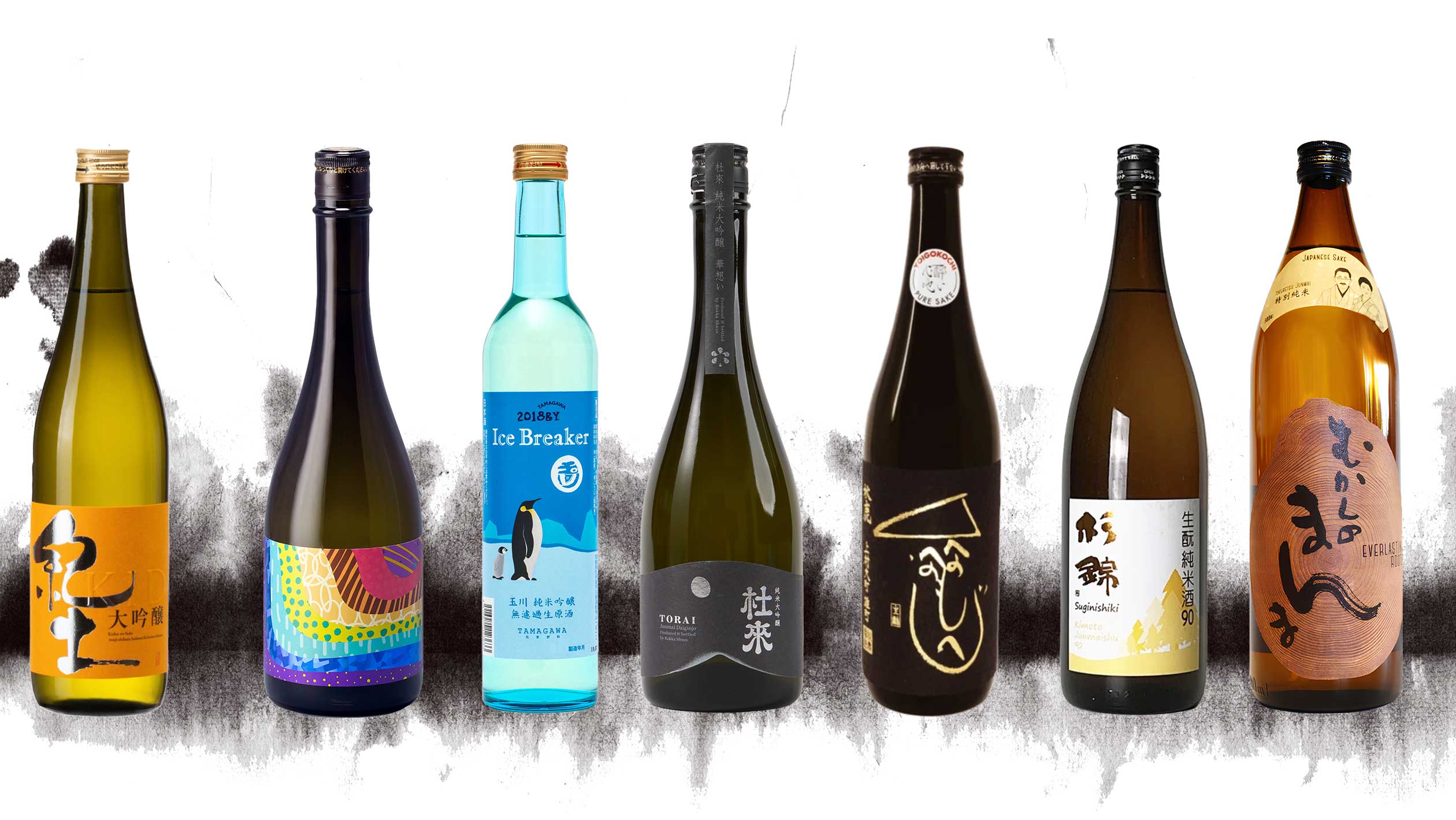
Despite myriad headwinds facing alcohol producers, the sake category shines as a bright spot in the beleaguered industry. According to the Japan Sake and Shochu Makers Association, sake exports to the United States rose 118 percent in value between 2020 and 2025. UNESCO’s recognition of sake brewing on the Intangible Cultural Heritage list in December 2024 has only further fueled a growing interest in the rice-based beverage.
From bright, aromatic daiginjo to savory, umami-rich kimoto, the category is incredibly wide-ranging today. As drinkers discover styles that suit their palates, buyers are eager to share their favorite selections.
With that in mind, SevenFifty Daily spoke with beverage professionals across the country to find out which sakes they are most excited about right now. (All sakes are listed with suggested retail price per bottle.)
Don’t miss the latest drinks industry news and insights. Sign up for our award-winning newsletters and get insider intel, resources, and trends delivered to your inbox every week.
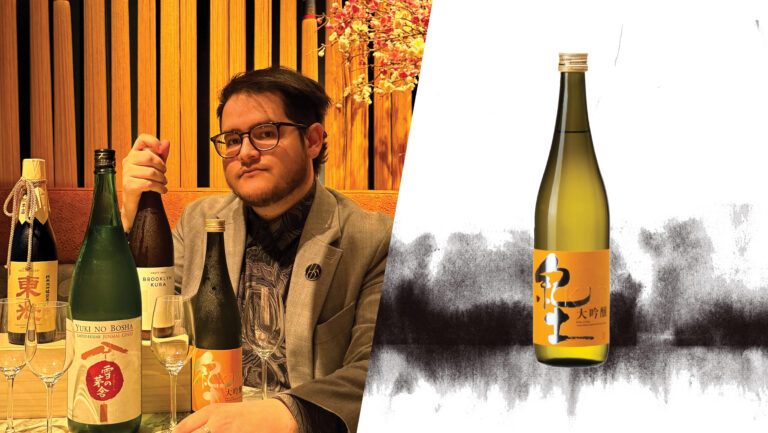
Heiwa Shuzou KID Daiginjo, Wakayama Prefecture, Japan; $75
Selected by Michael Wyant, food and beverage manager, Sake No Hana, New York City
The subterranean Sake No Hana bills itself as a modern Japanese izakaya, with fish from the Toyosu Market in Japan and produce from the Union Square Greenmarket served in a lively setting. Michael Wyant’s sake program is equally dynamic. “It showcases the stories of several cool breweries, some large and some tiny,” he says of the menu.
One standout is the Heiwa Shuzou KID Daiginjo. “There’s so much to like about this sake,” says Wyant. “Its elegance and structure pair well with many styles of cuisine. It has a plush, elegant mouthfeel with notes of ripe stone fruit, while still retaining wonderful levels of acidity.”
“Outside of that, the story of the brewery and its water source is pretty incredible,” Wyant adds. “Heiwa translates to peace, and the brewery works hard to celebrate the local resources, from rice grown in Wakayama to water from Mt. Koya, the site of a UNESCO-protected temple. The price for this level of quality is pretty unbeatable as well.”
Narutotai LED Junmai Ginjo, Tokushima Prefecture, Japan; $56
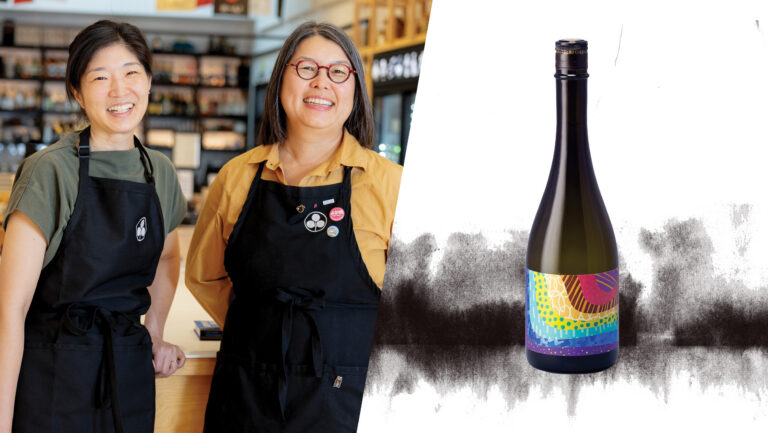
Selected by Yoko Kumano, cofounder of Umami Mart, Oakland, California
Yoko Kumano calls Umami Mart, a bottle shop and bar open since 2012, a “Japanese drinks wonderland.” She and her partner Kayoko Akabori stock not only sake but glassware, tea, and other Japanese spirits. They endeavor to share their love of sake through their wine club and events such as NamaFest, a springtime outdoor festival celebrating the release of seasonal unpasteurized sakes. The duo recently released their book, Everyday Sake: The Go-To Guide for Choosing, Pairing, and Serving, a fun and approachable guide to sake appreciation.
One sake that stands out for Kumano is the Narutotai LED Junmai Ginjo. “I love anything that comes out of Motoko Matsuura’s brewery,” says Kumano, referring to the 10th-generation brewer. “Her bright energy and spunk show through in every bottle.”
“I like this sake because I can introduce it to sake beginners and long-time enthusiasts, and both can take something away from it,” says Kumano. “It balances tart acidity and tropical fruitiness and can be poured into wine glasses—you don’t need special sakeware for it.”
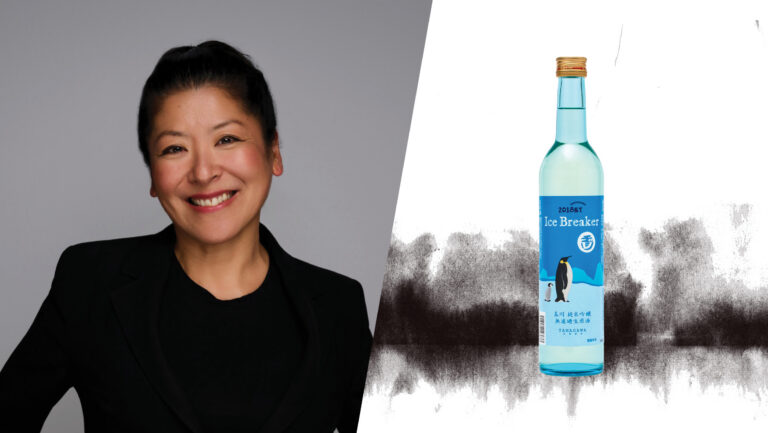
Tamagawa ‘Ice Breaker’ Junmai Ginjo Muroka Nama Genshu, Kyoto Prefecture, Japan; $40
Selected by Tokiko Binkley, beverage director, The Brothers Sushi, Los Angeles
Brothers Sushi, with four locations in the Los Angeles area, emphasizes seasonal Japanese ingredients in their omakase and sushi menus, and Tokiko Binkley builds the sake list correspondingly. Despite Binkley’s normal preference for chilled or gently warmed sake—common serving temperatures—one current favorite breaks tradition. “What I love about the Tamagawa Ice Breaker is its versatility and its sense of play,” she says. “It is built to be poured over ice—which makes it especially fun for the warmer months.”
Junmai Ginjo Muroka Nama Genshu means the sake is unfiltered, unpasteurized, and undiluted, resulting in a rich, full-bodied, umami-forward style. “We serve it over ice because, as the ice slowly melts, the sake opens up and evolves in the glass, with notes of melon and honey coming forward,” she says. “It’s a really fun, interactive way to experience sake.”
Beyond the style, the sake’s provenance is a selling point. “It’s made by Philip Harper, the first non-Japanese master brewer in Japan, a story I always enjoy sharing with guests.”
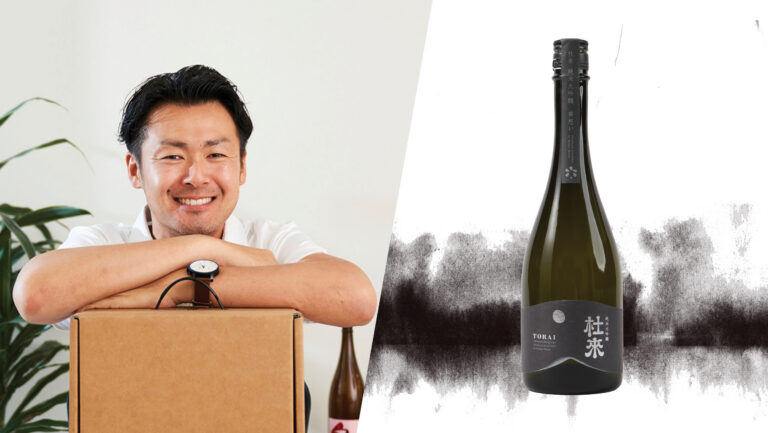
Rokka Brewing Company Torai Junmai Daiginjo Hanaomoi, Aomori Prefecture, Japan; $88
Selected by Genki Ito, founder and CEO, Palate Project, online retailer
Formerly known as Tippsy Sake, Palate Project is an online retailer of craft sake. With the new name came a new branch of business; in addition to selling sakes from importers, Palate Project began directly importing from over 30 breweries in Japan.
Founder Genki Ito is particularly excited about the Torai Junmai Daiginjo Hanaomoi. “Rokka Brewing has been making sake since 1719, more than 300 years,” says Ito. “This sake has a good fruity smell, but it also has real umami, so it has body too. Usually, a sake that smells fruity is light and thin, but this one has both together, which is not common. The reason is the rice. Hanaomoi rice is a cross of Yamada Nishiki and Hanafubuki. Yamada Nishiki gives the richness and fullness, and Hanafubuki gives the sharp, clean finish. So you get both in one bottle.”
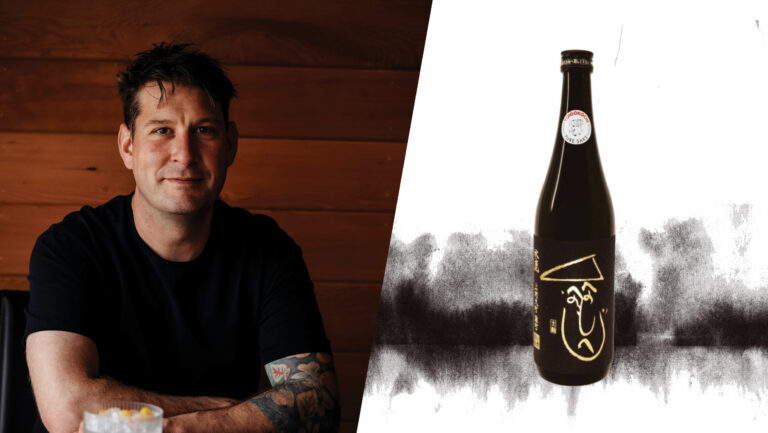
Akishika Shuzo Black Moheji, Osaka Prefecture, Japan; $110
Selected by Joshua Dorcak, chef and owner of MÄS, NAMA, and Good Juice, Ashland, Oregon
Sake figures prominently in Dorcak’s three concepts in southern Oregon: MÄS, a 16-seat restaurant inspired by ingredients from the local landscape, including Dorcak’s own foraging; Nama, a more casual, seafood-focused izakaya; and Good Juice, a wine and sake shop.
Like the restaurants’ focus on local ingredients, Dorcak enthuses about the Akishika Shuzo’s Black Moheji for its rice. “The rice used is grown on the estate—that’s just crazy,” says Dorcak.
In general, he leans toward sakes that focus on traditional brewing techniques and methods, such as yamahai and kimoto, which often yield umami-rich, bolder styles. The Black Moheji is no exception. “It has a rather high tone of acidity for sake,” says Dorcak. “The bottles I have in the restaurant are from the 2017 vintage, so you get this deeper caramel tone from oxidation along with a dried mushroom and cocoa note.”
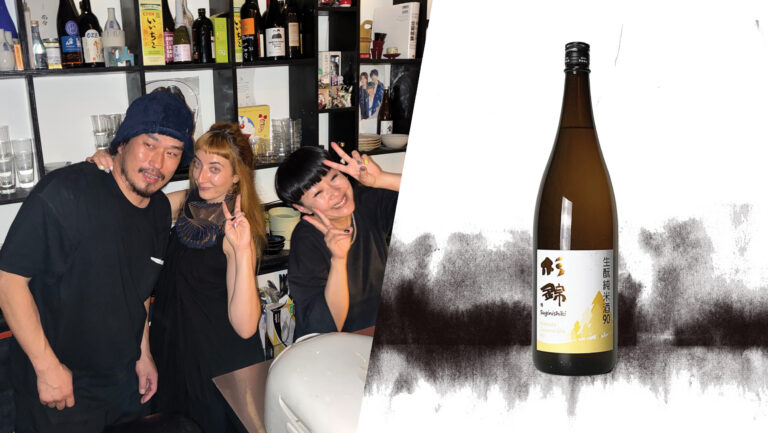
Sugii Shuzo Sugii Nishiki 90 Kimoto, Shizuoka Prefecture, Japan; $38
Selected by Arianna Cho, co-owner, Sake Bar Asoko, New York City
Just a little over two years old, Sake Bar Asoko has become the go-to spot for the sake wine trade, but also a meeting spot for downtown’s creative and fashion crowds. Its three owners—Shintaro Cho, Yuri Itakura, and Arianna Cho—share a wide spectrum of sake styles both by the glass and bottle, alongside shōchū and small plates.
A go-to for Arianna Cho is Sugii Shuzo’s Sugii Nishiki 90 Kimoto. “When I’m looking for a little earth, a little nut, a little smoke, a little smooth, and lots of complexity and acid, I’ve been really gravitating to Sugii Nishiki,” she says. “It’s cool that it can be enjoyed on its own, but also it’s something that I can immediately imagine pairing well with my favorite food, a gooey grilled cheese.” Grilled cheese isn’t the only comfort food that comes to mind for this sake. “Think Honey Teddy Grahams on the nose, but a definite character that’s not super overpowering yet has something to say,” says Cho.
Alongside Cho’s selection, Itakura calls out the Tsukasabotan Shuzo Senchu Hassaku Junmai as a “refreshing yet dry sake” as her pick. And Shintaro Cho recommends Emishiki Sake Brewery’s Emishiki Sensation Black. “I can feel they are making sake with a true passion, from the bottom of their heart,” Shintaro Cho says of the brewery’s three-person team.
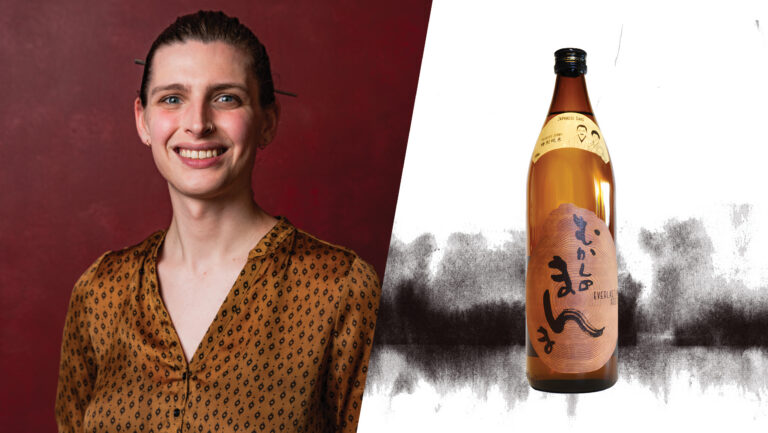
Yamada Shoten ‘Everlasting Roots’ Tokubetsu Junmai, Gifu Prefecture, Japan; $32
Selected by Jordan Eby, beverage director, Atsumeru, Chicago
Atsumeru’s tasting menu blends Nordic and Japanese techniques and flavors, and beverage director Jordan Eby’s “small but mighty” sake list, as she calls it, showcases careful selections that highlight the cuisine.
One of her current favorites is the Yamada Shoten’s Everlasting Roots Tokubetsu Junmai. “I love this sake because it has a remarkable complexity and a crisp, linear palate,” she says. “You can truly experience the team’s close attention to detail in the glass. Rice is milled in-house, which is very uncommon for such a small production. For all intents and purposes, the brewery operates almost exactly as it did when founded in 1868.”
As she describes it, “On the nose, there is toasted cocoa nib, smoked pine, fresh orange zest, clove, and ripe green melon. This sake is elegant, with a distinct rusticity and wild sensibility. On the palate, there’s a strong lactic acid backbone driving a crisp and tangy mineral finish.”

Dispatch
Sign up for our award-winning newsletter
Don’t miss the latest drinks industry news and insights—delivered to your inbox every week.
Shana Clarke is a wine, sake, and travel writer, and the author of 150 Vineyards You Need To Visit Before You Die. Her work has appeared in Saveur, Fortune, NPR, Wine Enthusiast, and Hemispheres. She was shortlisted for the Louis Roederer 2020 International Wine Writers’ Awards and ranked one of the “Top 20 U.S. Wine Writers That Wineries Can Work With” by Beverage Trade Network in 2021. She holds a Level 3 Advanced Certificate from Wine & Spirit Education Trust and is a Certified Sake Sommelier. She will always say yes to a glass of Champagne. Learn more at www.shanaspeakswine.com and follow her @shanaspeakswine.