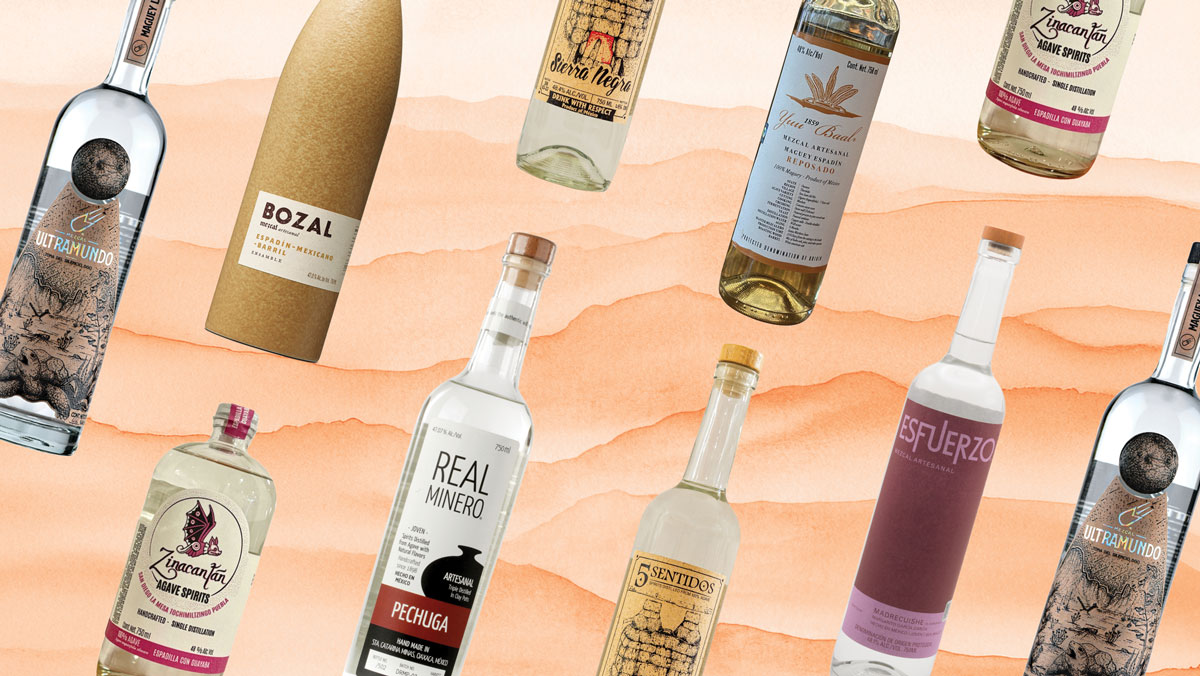
This year marks the 30th anniversary of Del Maguey mezcal. Founded by visual artist Ron Cooper in 1995, it was the first commercially available mezcal in the U.S. at a time when few drinkers here could name the spirit. In the decades since, Del Maguey has been acquired by Pernod Ricard; Bacardi entered the game after buying Illegal Mezcal; and the once fringe spirit is now stocked in 95 percent of bars, with over 80 percent offering three or more expressions.
Mezcal sales still represent just three percent of total agave spirits by volume, but IWSR predicts it will rise by a compound annual growth rate of 10 percent (2022 to 2027) presenting new opportunities. Del Maguey Vida might still be the most pervasive brand, but bartenders and aficionados have developed a taste for the lesser-known, often family-owned mezcals with limited, small-batch releases that speak to the spirit’s artisanal heritage and offer a wild diversity of flavors and profiles—beyond the smokiness for which the spirit is known.
These bottlings make their way to the U.S. via a handful of passionate and specialized small importers, such Heavy Métl, which brings in Real Minero, Rey Campero, and Chacolo, amongst others; or Raíces Imports, which works with Zincantan Mezcal, Fanekantsini, and Los Cantiles 1905. In November, the U.S. distribution arm of Maguey Spirits, owned by brothers Alejandro and Christian Rossbach, purchased Bozal Mezcal from 3 Badge Beverage Corporation, returning the brand to Mexican ownership. The work here is to protect mezcal from suffering the same mass-produced and homogenized fate of tequila.
Don’t miss the latest drinks industry news and insights. Sign up for our award-winning newsletters and get insider intel, resources, and trends delivered to your inbox every week.
Many of these bottlings can’t be legally labeled mezcal, as procuring the certification from the Consejo Regulador del Mezcal (CRM) is prohibitively costly for small-scale producers. But as Haley Saucier, the owner and beverage director of Espíritu Mezcalería in New Orleans, says, “We subscribe to the traditional definition that mezcal is a spirit made of 100 percent cooked agave, and that families who have been producing the spirit for generations don’t need the CRM holographic sticker to be mezcal.”
Such has been the education around the fledging agave spirits category—which was formalized by the U.S. Alcohol and Tobacco Tax and Trade Bureau as recently as 2020—that often uncertified mezcals carry more cachet. As such, this list of mezcal expressions includes both certified and uncertified bottles, but all of them have been recommended by bartenders who are passionate and knowledgeable about the category. (All mezcals are listed with suggested retail price per bottle.)
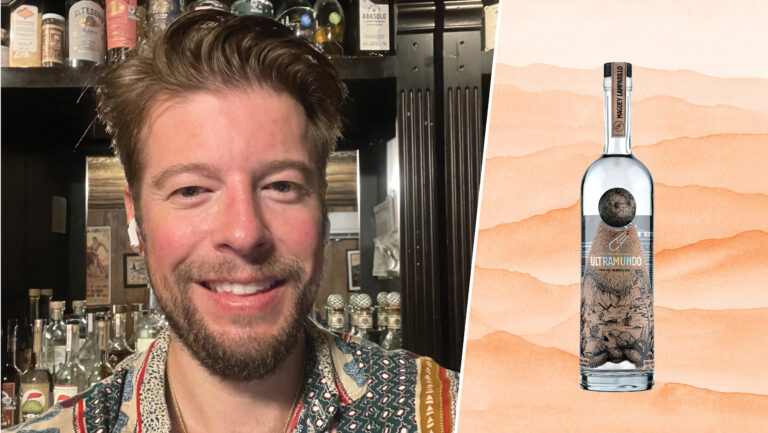
Ultramundo, Mapimí, Durango; $149
Selected by Ian Couch, bar manager, Techo Mezcaleria and Agave Bar, Austin, Texas
At Austin’s Techo Mezcaleria and Agave Bar, bar manager Ian Couch tastes every single bottle that makes its way through the doors. “Ultramundo, made in the state of Durango, stands out as one of the most beautifully unique agave spirits I have ever encountered,” he says. It’s sustainably produced at the regenerative Rancho Pelayo in Durango, using Lamparillo, or Agave asperrima, a rare, resilient species, which founder Sergio Garnier discovered growing wild on the property.
Mezcals made with Lamparillo have a “green bell pepper spice to it,” says Couch, but the “savory layers and buttery viscosity really make this mezcal stand out.” He adds: “There’s no doubt the producers know what they’re doing, and the terroir just makes this mezcal explode with flavor. Every customer I come across, knowledgeable or not regarding mezcal, is blown away by this juice.” Couch also praises Ultramundo’s animal preservation work. “Biodiversity is so essential to the preservation of all species of agave,” he says. “Mezcals like Ultramundo are what make this spirit the most diverse, romantic, and fun in the world.”
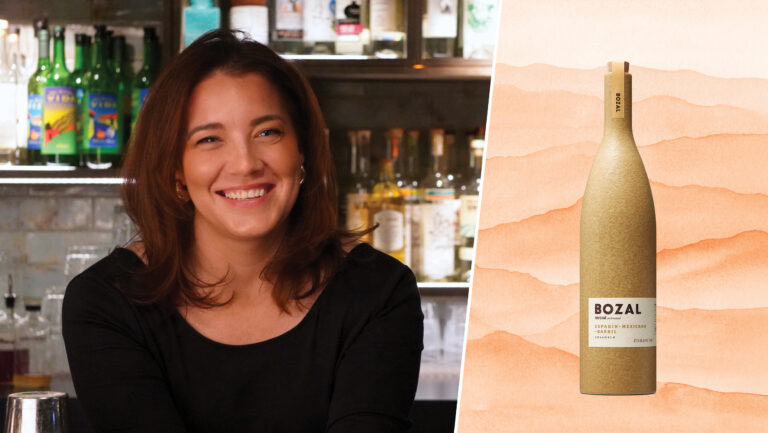
Bozal ‘Ensamble,’ Miahuatlán y Etla, Oaxaca; $49
Selected by Julianna Arquilla, spirits director, Frontera Grill, Topolobampo, Bar Sótano, and Xoco, and general manager, Bar Sótano and Frontera Grill, Chicago
Julianna Arquilla oversees a list of nearly 200 mezcals at Chicago’s Bar Sótano and devises agave pairings for the dishes at Topolobampo. She finds Bozal Mezcal’s Ensamble to be “a great work horse for the restaurants,” she says. Made from a blend of wild agaves (Mexicano and Barril) and cultivated Espadín, it’s produced using traditional methods with the agave cooked in an earthen pit oven and crushed by a tahona wheel turned by a horse or bull.
“I’ve used it for the agave pairings in Topolobampo and cocktails in Bar Sótano and Frontera Grill,” Arquilla says. “It has a really lovely mouthfeel making it enjoyable to sip on its own [or] great with oysters and aguachile. It also has enough flavor to stand up in a cocktail. Right now it’s in Bar Sótano’s El Sótano (our riff on a Last Word). The beautiful herbal qualities and sweetness with light smoke just really sing in the cocktail.”
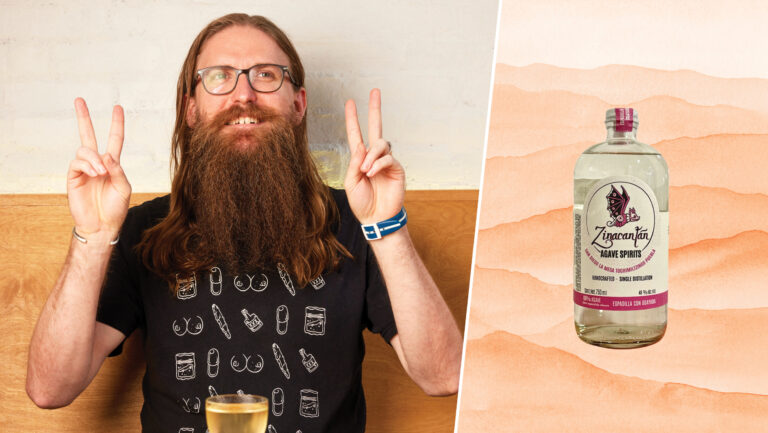
Zinacantan Espadilla con Guava, San Diego la Meza Tochimiltzingo, Puebla; $170
Selected by Kip Moffitt, head bartender, Superbueno, New York City
Kip Moffitt, the head bartender at Mexican-American cocktail bar Superbueno in New York City, spotlights a new-to-market bottle from Zinacantan Mezcal. Fourth generation maestra mezcaleria Fabiola “Faby” Monfil and cofounder Diana Pinzon, an ecologist, see the brand, founded in 2019, as an agroforestry project primarily that also produces a mezcal. Committed to seasonal, responsible production, the Zinacantan Espadilla con Guava is a limited, special release.
“This expression is one of my favorite mezcals at the moment,” says Moffitt. “The guava is harvested from wild trees on [Monfil’s] brother’s property then added to a long fermented Espadilla, then single distilled in copper. The strong guava aromas and texture it adds makes it truly unique and will forever hold a lasting impression on me.”
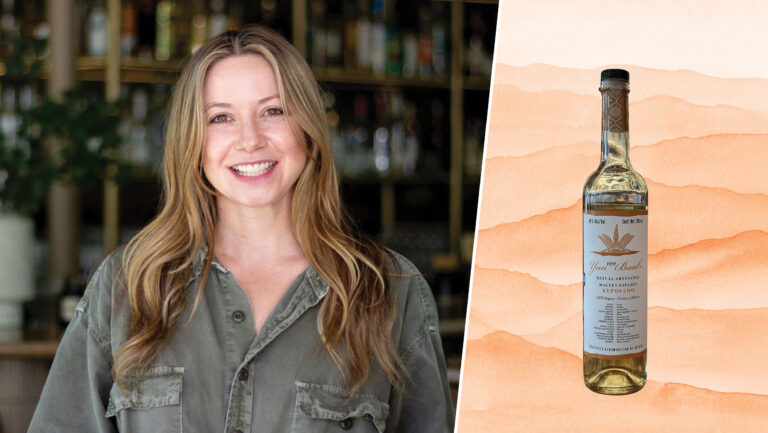
Yuu Baal Reposado Espadín Mezcal, Oaxaca; $48
Selected by Aubrey Bailey, owner, Chispa Bar and Cadet, Napa, California
Aubrey Bailey is the owner of Chispa Bar, the first agave-focused bar in Napa, California, with a selection of 40 mezcals. As the former sommelier at the French Laundry, she brings the same level of attention to terroir when developing its mezcal selection, a highlight of which is Yuu Baal. Comprising producers in San Juan del Río, San Luis del Río, Tlacolula, and Miahuatlán, the social enterprise highlights the traditions of the native Oaxacan producers of mezcal.
“Yuu Baal is the definition of artisanal mezcal to me,” Bailey says. “They celebrate the artistry of mezcal production with traditional, small-batch methods that provide a beautiful range from vibrant, young mezcals to more nuanced mezcals with age.” The Yuu Baal Reposado Espadín Mezcal is her favorite for the smoothness and complexities that come with its six-month aging in American white oak.
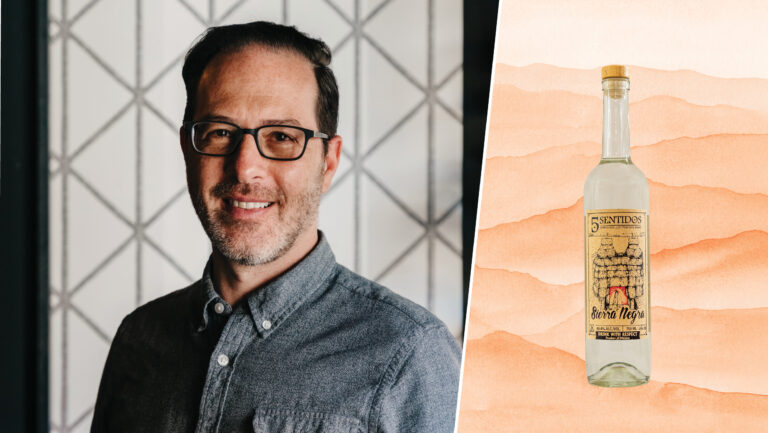
Cinco Sentidos Sierra Negra de Cuero, Santa Catarina Albarradas, Oaxaca; $130
Selected by Greg Boehm, owner, The Cabinet Mezcal Bar, New York City
Starting as the house mezcal at Oaxaca’s El Destilado restaurant and mezcaleria, Cinco Sentidos launched its own label, bottling agave spirits purchased directly from small-scale producers. Each expression celebrates the maestro mezcalero who created it, the region, and the agave expression.
When Greg Boehm, the owner of The Cabinet Mezcal Bar, visited Cinco Sentidos producer Alberto Martinez’s palenque in the Sierra Norte mountains, he fell in love with the Cinco Sentidos Sierra Negra de Cuero. “[It’s] my favorite mezcal at the moment both for the beauty of the huge agave that can take over 25 years to grow and for the rich flavor,” he says. The mash is fermented in rawhide, an antiquated technique that very few mezcaleros practice today. “This mezcal has both an unusual funk and pure deliciousness,” says Boehm, with “an enticing taste that balances hints of tobacco and asphalt. Trust me, it is tastier than it sounds.” Batches of this expression are so small it’s usually only available in the tasting room, but after Boehm’s reaction, founder Jason Cox bottled it for him. “It is so incredible to be able to offer it to guests.” (Pictured is the Sierra Negra by Alberto Martinez, as the SKU available at retail, which is the same mash fermented in stone tanks.)
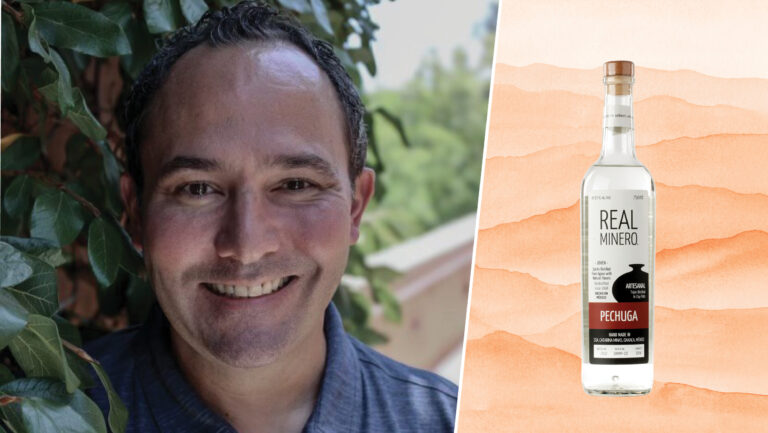
Real Minero Pechuga, Santa Catarina Minas, Oaxaca; SRP: $199
Selected by Michael Manoocheri, director of food & beverage, The Pony Room in Rancho Valencia, Rancho Santa Fe, California
At The Pony Room, Michael Manoocheri, the director of food and beverage, looks for “rare, high-quality mezcals with a sense of place and tradition,” he says, such as the Real Minero Pechuga. “[It] embodies the artisanal craftsmanship of mezcal. The small-batch mezcal is distilled in clay pots using traditional methods, giving it an incredible depth of character.”
Produced in the pechuga style, on the third distillation, the mezcalero adds fresh fruit to the mix, and then suspends a raw chicken breast in the still so the vapor must pass over the meat before bottling. “[It] results in a beautifully complex spirit with notes of ripe stone fruit, warm spice, and a subtle savory depth,” says Manoocheri. “Guests love it because it’s complex and elegant while the pechuga-style third distillation adds an exquisite depth, creating a harmonious blend of fruit, spice, and umami—a true mezcal for connoisseurs.”
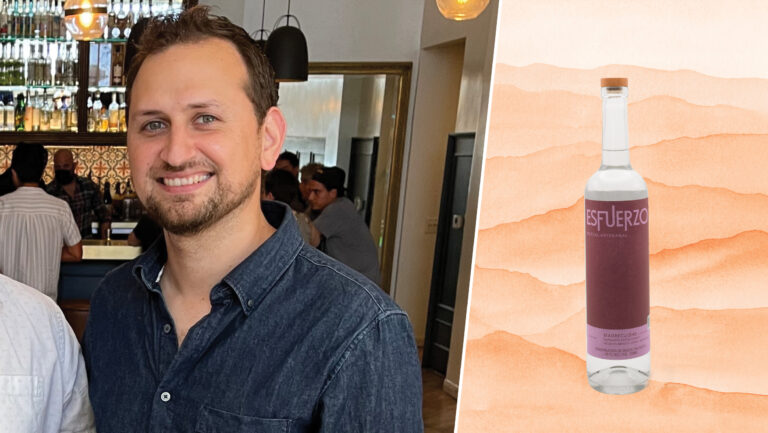
Esfuerzo Mezcal Artesanal Madrecuishe, San Dionisio Ocotepec, Oaxaca; $90
Selected by Paul Gonzalez, co-owner, Maestro Restaurant, Pasadena, California
For half a century, maestro mezcalero Margarito García produced mezcal in his home town of San Dionisio Ocotepec for his community. After his son Artemio “Temo” García Cruz returned home to work with him, they partnered with David Martinez to create Esfuerzo Mezcal, and, in 2020, launched in the U.S., with a commitment to maintaining transparency and sustainability.
Their mezcals strike a chord with Paul Gonzalez, the co-owner of modern Mexican restaurant and craft cocktail bar Maestro in Pasadena, California, which carries a small but highly curated selection. “We’re really excited about the newest batch from Esfuerzo Mezcal on our shelf,” he says. “What stood out to me the most is the [Madre]cuishe—it has an earthy flavor with a hint of wet terroir, which I love. It comes in at 47% ABV, right where authentic mezcal should be. Sourced from San Dionisio Ocotepec, Oaxaca, it carries the traditional Oaxacan flavor profile that everyone recognizes.”

Dispatch
Sign up for our award-winning newsletter
Don’t miss the latest drinks industry news and insights—delivered to your inbox every week.
Tyler Wetherall is a journalist and author, and the former senior editor for SevenFifty Daily. Her drinks journalism has appeared in Punch, The Guardian, Condé Nast Traveler, Thrillist, and The Spirits Business, which awarded her the Alan Lodge Young International Drinks Writer of the Year. Tyler is also the author of No Way Home: A Memoir of Life on the Run, and the novel Amphibian. Follow her on Instagram at @tylerwrites.