Last November, Sandro Boscaini, the president of leading Amarone producer Masi, reportedly claimed that fewer than 10 percent of Italy’s current wine denominations are truly necessary today. His comments added momentum to an ongoing debate over the relevance of geographical indications (GIs) in today’s global wine market. Until recently, this discussion has centered largely on marketability and creative freedom.
Yet, in August last year, top Pomerol estate Château Lafleur announced it would withdraw from both the Pomerol and Bordeaux appellations and instead designate all of its labels as Vin de France. The decision was driven by the producer’s need for greater flexibility when responding to climate change, as heatwaves and erratic weather increasingly challenge existing appellation regulations. Now, climate change is at the center of the debate over the relevance of GIs.
Without the heritage burden of centuries-old local traditions, many New World regions are adapting faster to a changing climate. In Australia, the Limestone Coast Grape and Wine Council (LCGWC)—a consortium of six regional associations—is in the final stages of securing unprecedented funding aimed at helping growers and winemakers build greater climate resilience. A major portion of the investment is expected to go towards improved water management, which, as in Bordeaux, is a critical priority for the region’s future.

Don’t miss the latest drinks industry news and insights. Sign up for our award-winning newsletters and get insider intel, resources, and trends delivered to your inbox every week.
“Here in Australia, we adopted GIs to appease EU standardization so we could get our wines into the common market,” says LCGWC executive officer Edward Cavanagh. “But we didn’t do it to replicate the micro-regulatory, guild-like grip on grape varieties and winemaking styles that you see in the Old World … No GI in Australia tries to exert that level of control, nor would it ever be accepted. It would be seriously out of keeping with how we operate here, and there are few growers who would listen to us even if we did.”
In Europe, meaningful regulatory change is considerably harder to achieve. GI regulations are often treated as safeguards of traditions—from locally significant grape varieties to recognizable wine styles—rather than as frameworks that evolve in step with environmental and societal change in order to protect producers and consumers. Yet, the growing urgency of climate change is forcing European GIs to rethink their role, prompting a reassessment of how, and to what extent, they should constrain individual choices and revisit dogmas once considered unchangeable.
“Wine regions in Europe know they have resources available to adapt to a changing climate, but they often regulate so much of what producers can and cannot do that change becomes difficult,” says Simon Tscholl, the co-author of a recent groundbreaking study examining the adaptive capacity of wine regions worldwide in response to climate change. “Once you feel the effects of climate change, it is already very late, so action is needed now.”

Different Approaches to Adaptation
While GIs may show a degree of inertia in responding to environmental changes, this is counterbalanced by proactive efforts of individual winegrowers to explore new approaches by harnessing the specific opportunities their regions offer.
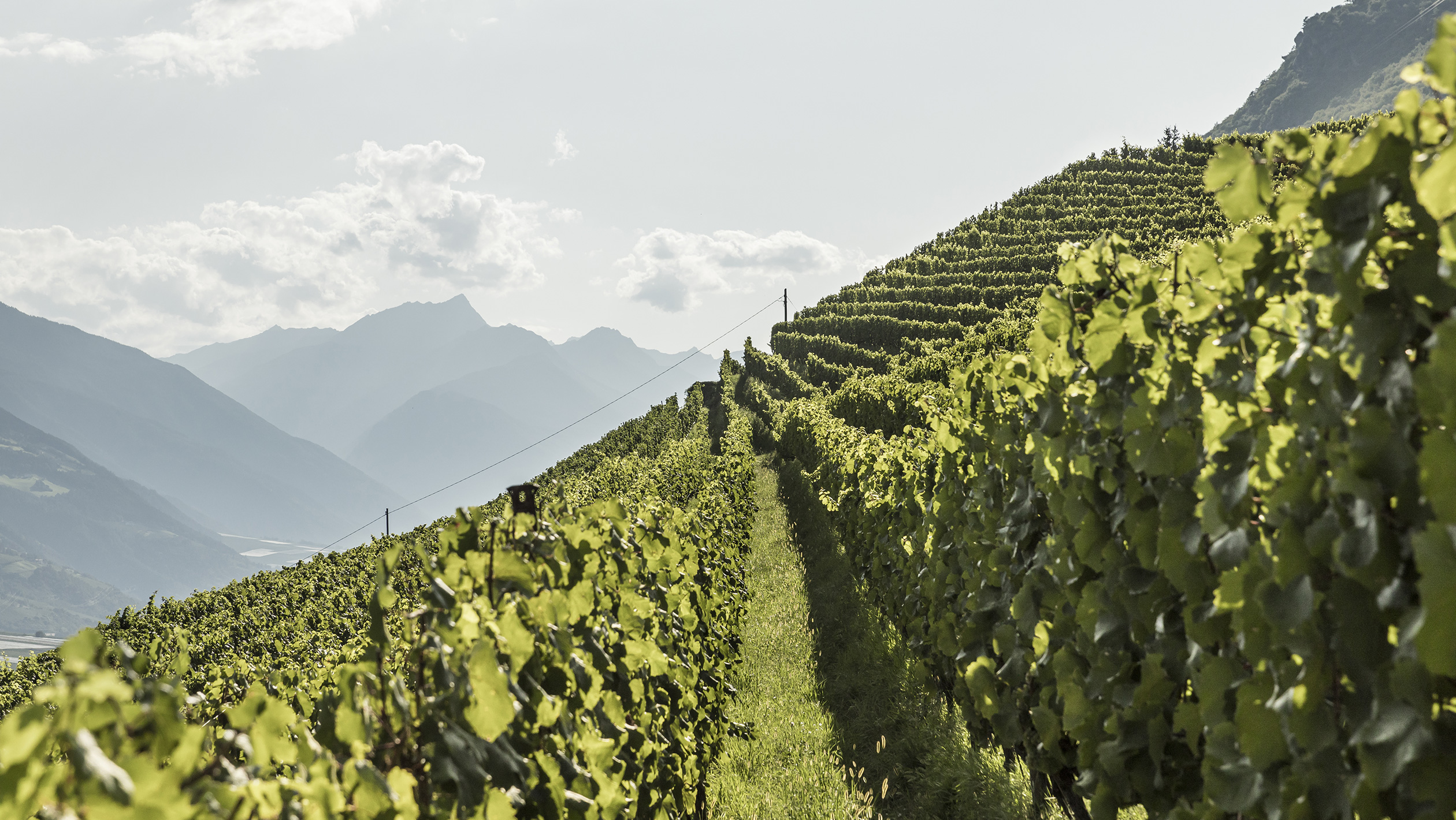
In a predominantly mountainous region like Alto Adige, for instance, DOC vineyards currently span elevations from 660 to 3,300 feet. Moving higher is a rather contentious issue, as it would fundamentally challenge growers’ sense of the region’s traditional viticultural geography, yet several wineries see this as the region’s most logical solution to tackle warming temperatures while retaining a characteristically Alpine stylistic profile. Weingut Kornell and Franz Haas, are actively exploring plantings at altitudes up to 3,770 feet, and the local Laimburg Research Centre is also running experimental trials at similar heights, with the current 3,600-feet limit reviewed on a regular basis.
“Mountainous regions such as the European Alps have a high adaptive capacity to climate change because growers can move upwards in elevation, effectively escaping warmer temperatures,” says Tscholl. “However, one of the major challenges of the European denomination system is that reaching agreement among winegrowers takes time, followed by a lengthy bureaucratic process before they can come into effect.”
By contrast, in Mendoza, where water scarcity and rising temperatures are the main climate-related concerns, progress is happening far more quickly. The Luján de Cuyo region offers a prime example, according to Luigi Bosca winemaker Pablo Cúneo. “The original regulations explicitly allowed for modifications to vineyard practices and winemaking techniques, provided they improved wine quality and strengthened the expression of Luján de Cuyo’s character,” he says. “Over more than three decades, the DOC has introduced gradual changes to irrigation systems, vineyard management practices, and even its geographical boundaries. In the most recent amendment, the western limit of the appellation was extended to 4,430 feet above sea level. In this way, the DOC Luján de Cuyo has continued to evolve with changing conditions while preserving the distinct identity of its wines.”
An Ampelographic Response
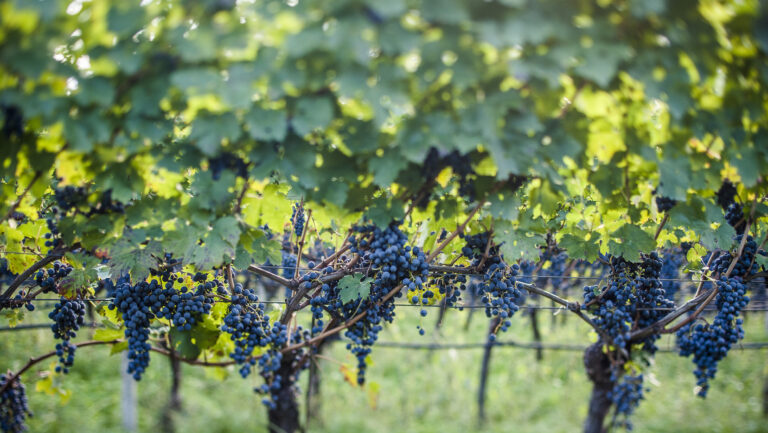
“In southern Europe, many traditional winegrowing regions cultivate a very limited number of varieties,” says Tscholl. His research provides evidence that relying on one—or only a few—grape varieties leaves wine regions vulnerable to the challenges posed by a warming climate.
According to the study Tscholl co-authored, monovarietal regions, such as Barolo and Verdicchio dei Castelli di Jesi, are particularly vulnerable. “From a climate adaptation perspective, this is often a disadvantage, as it limits their flexibility to switch varieties in response to changing conditions. When you add bureaucratic hurdles into the mix, these regions could face a [bleak future],” says Tscholl.
Critical voices argue that altering a GI’s ampelographic selection could not only undermine regional identity but also dilute the distinctive stylistic character for which these wines are known. In response to these concerns, a French experimental program launched in recent years allows appellations to trial varieties that may help them adapt to a changing climate while preserving their signature regional styles. The Bordeaux region was among the first to embrace this program by formally approving the use of six new grape varieties in 2021.
Such a revolutionary development suggests that the industry may be gradually recognizing that greater openness to ampelographic innovation could actually secure the survival of vulnerable wines and styles.
Disease-resistant PIWI varieties, for instance, which are already permitted in the production of Germany’s Qualitätswein, could be key to preserving the country’s renowned Eiswein. “While Eiswein is already rare and the harvest extremely demanding, climate change has made it even more challenging,” explains Florian Koch, the head of training and education at the German Wine Institute. “PIWIs give German winemakers the chance to continue this tradition, thanks to their frost tolerance and ability to withstand unpredictable weather patterns.”
The prestige and aura of authenticity that GIs can confer still provide substantial advantages to producers, enhancing economic prospects while reinforcing a sense of personal pride and cultural identity. Yet, the pressures of environmental shifts are increasingly showing that only by tempering these entrenched perceptions of identity can regions—and the industry as a whole—really safeguard their future. In the face of the changing climate, the path to survival requires striking a balance between the preservation of historical identity with the need for economic and environmental resilience.

Dispatch
Sign up for our award-winning newsletter
Don’t miss the latest drinks industry news and insights—delivered to your inbox every week.
Dr. Jacopo Mazzeo is a U.K.-based freelance drinks journalist, consultant, and photographer. He contributes to leading trade and consumer publications including Decanter, Wine Enthusiast, Whisky Magazine, and Good Beer Hunting. Jacopo consults on consumer trends and marketing strategies, is a former sommelier, and judges international wine, beer, and spirits competitions. Before he embraced full-time journalism, he studied musicology at the University of Bologna and took a PhD at the University of Southampton. Follow Jacopo on Instagram @jacopomazzeophoto