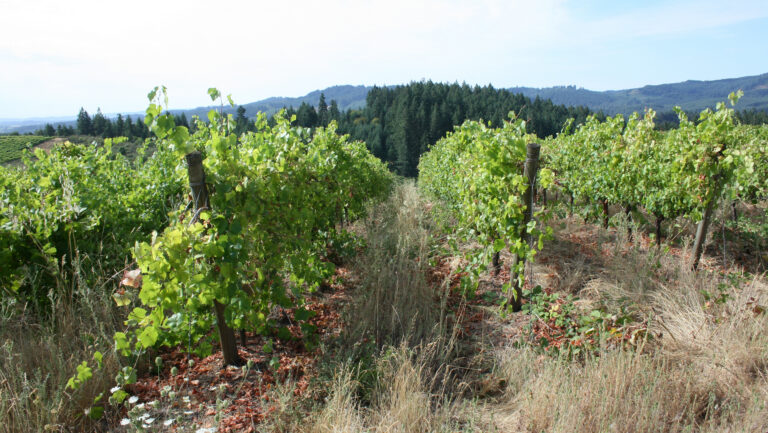
To Withstand a Tough Market, Vineyard Idling May Be the Solution
Rather than abandoning vineyards amidst declining demand, some grape growers are pressing pause with the hopes of resuming production in a few years
 Dispatch

Don’t miss the latest drinks industry news and insights. Sign up for our award-winning newsletters and get insider intel, resources, and trends delivered to your inbox every week.
Rather than abandoning vineyards amidst declining demand, some grape growers are pressing pause with the hopes of resuming production in a few years
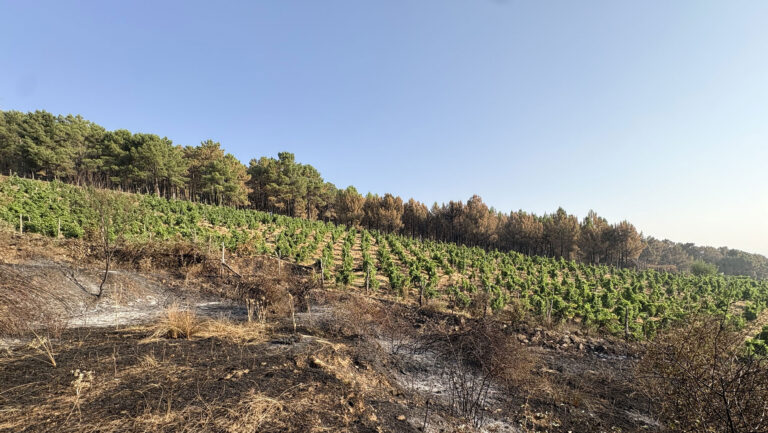
The ethereal Garnachas of Sierra de Gredos have brought new recognition to this Spanish winemaking region, but after wildfires recently swept through the region, can the momentum continue?
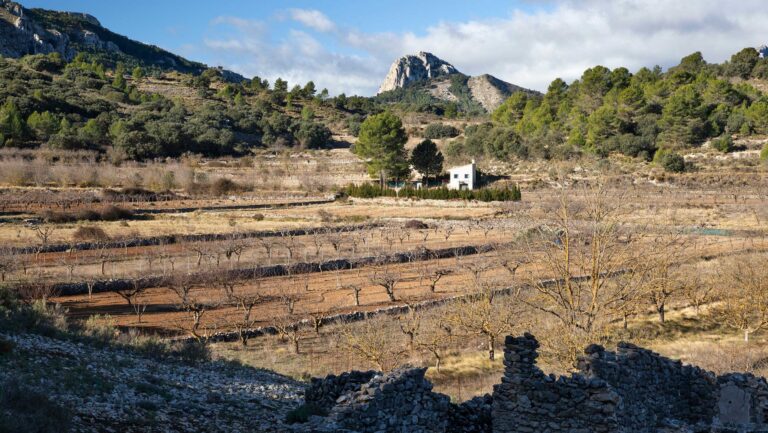
As warming temperatures increase the risk of Pierce’s disease in European vineyards, researchers and growers are looking to California for lessons in detection, prevention, and management
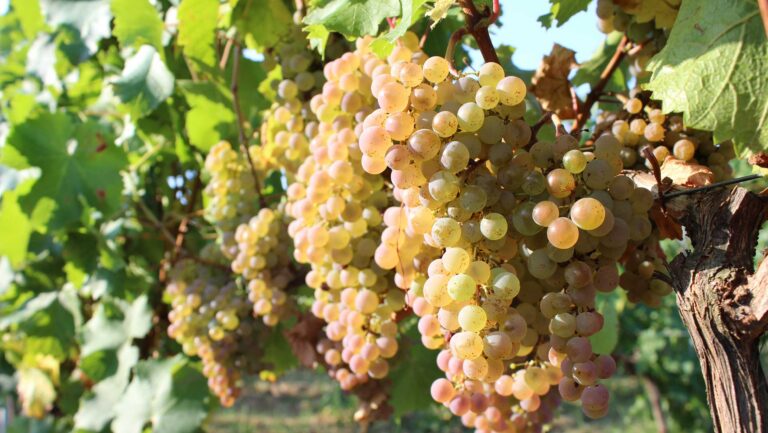
Fungus-resistant hybrid grape varieties, known as PIWIs, are evolving through advances in breeding, offering growers new options in a changing climate
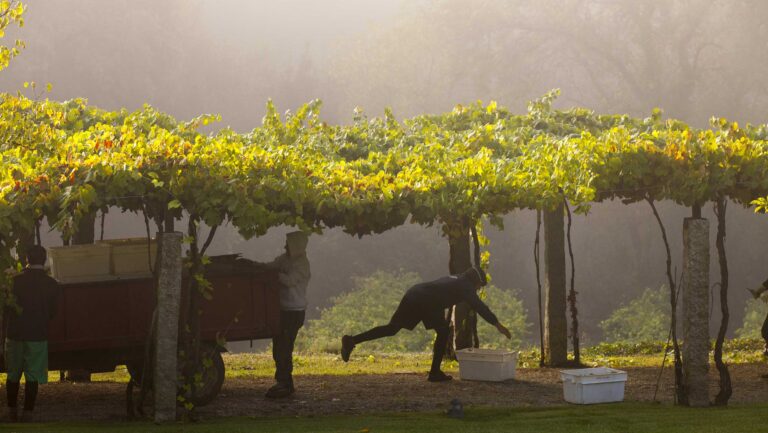
As labor costs soar, global wine regions are forced to weigh the high expense of traditional vineyard design against its tourism appeal and climate-adapting benefits
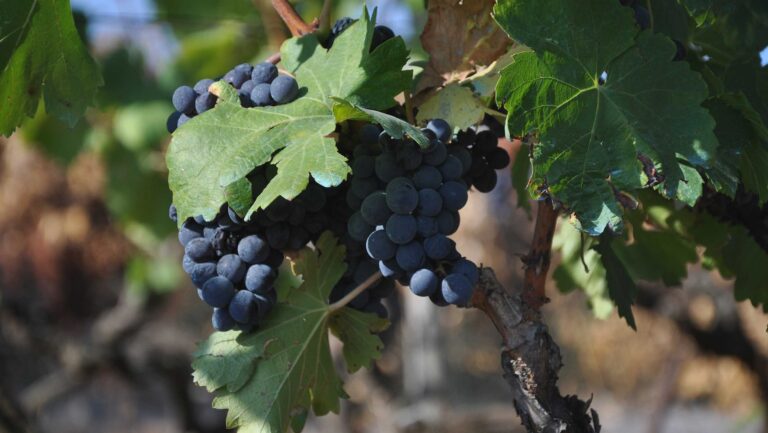
In a warming climate, even one of the world’s most heat-tolerant grape varieties is reaching its limits
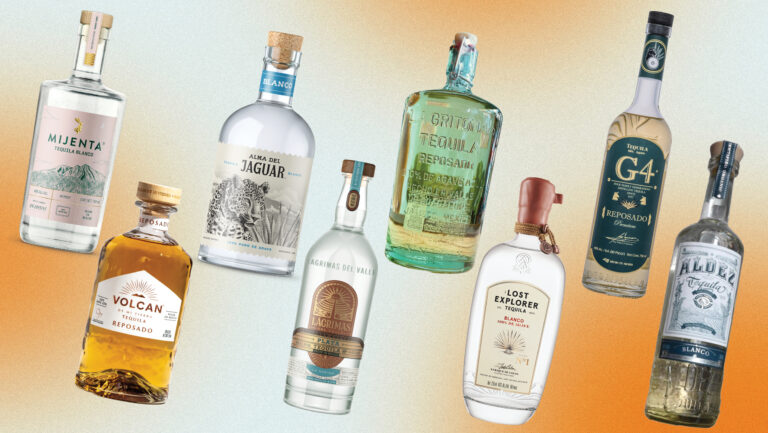
From additive-free production to regenerative farming, these buyer-recommended tequilas reflect the category’s evolving standards
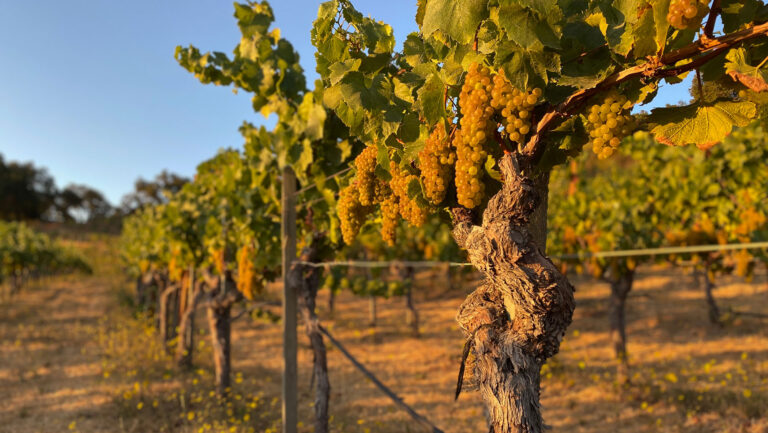
Once a default choice, VSP is being reevaluated as changing conditions expose tradeoffs in ripening, yield, and cost
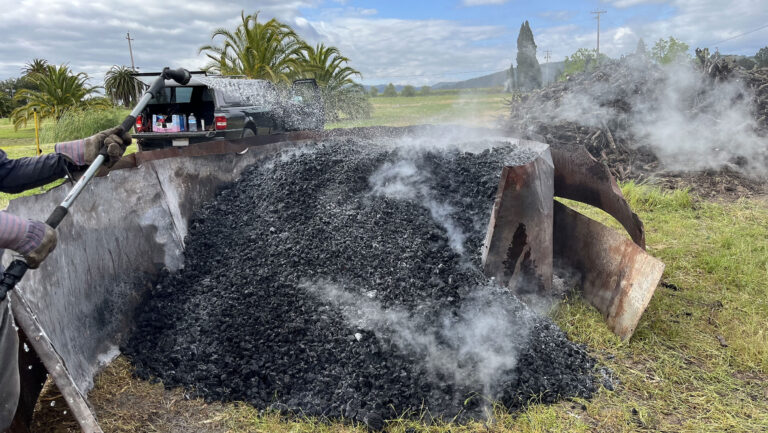
Biochar is gaining popularity with viticulturists for its ability to sequester carbon and improve soil health, but researchers are still learning when and where it’s most effective
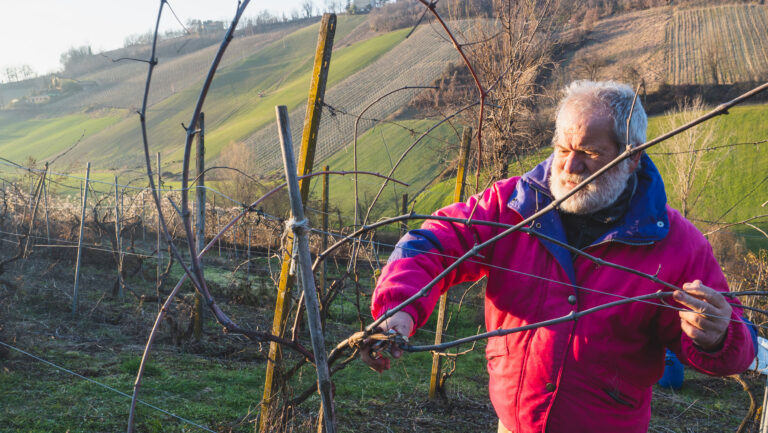
From hidden infections to nursery spread, grapevine trunk diseases pose a costly and complex challenge for vineyards
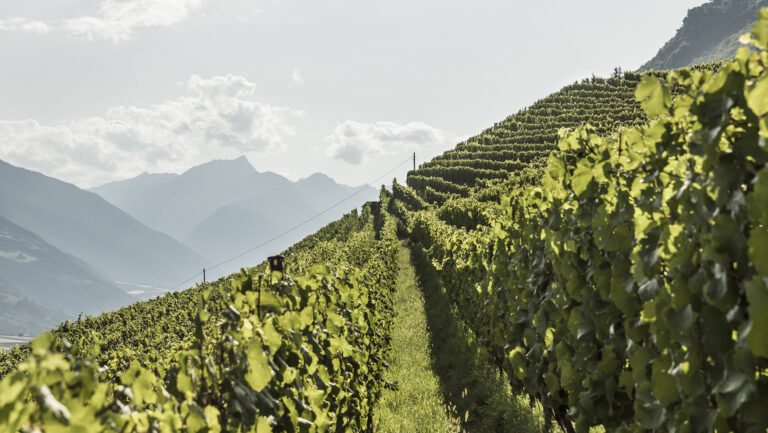
Extreme weather is testing long-standing appellation rules on allowed grape varieties, vineyard locations, and more, intensifying the debate over the future relevance of geographical indications
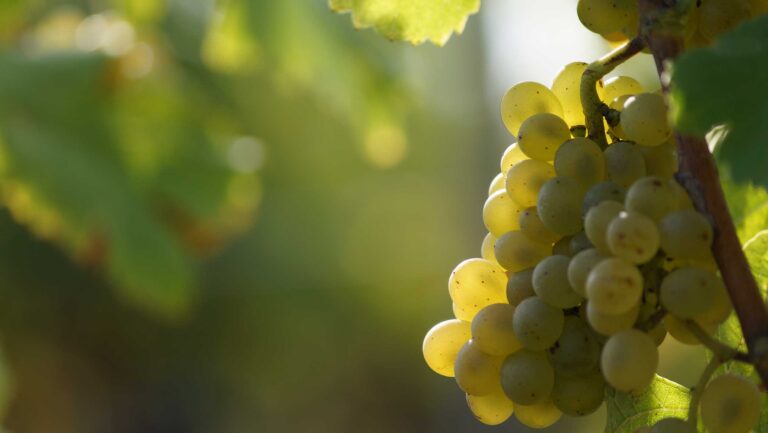
Nearly 400 years ago, Chenin Blanc traveled from France to South Africa, where it thrived in a warmer, drier climate. Now, researchers from the two countries are teaming up to find more resilient clones amidst climate change
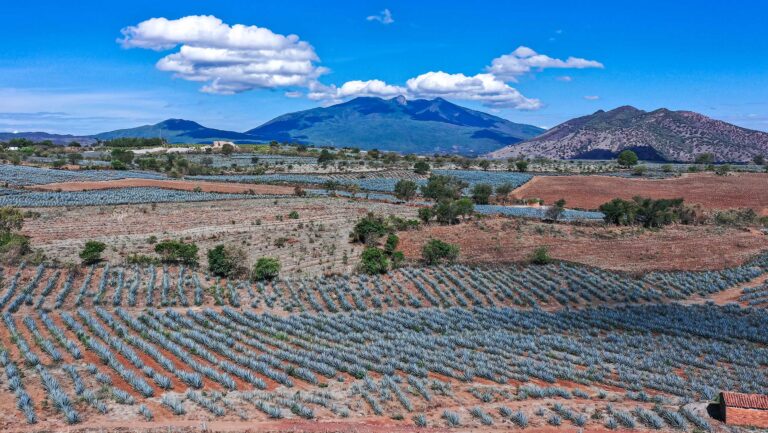
If the agave cultivation and production process is approached with care, each tequila-producing state and subregion—even a single rancho—has the potential to demonstrate a unique sense of place
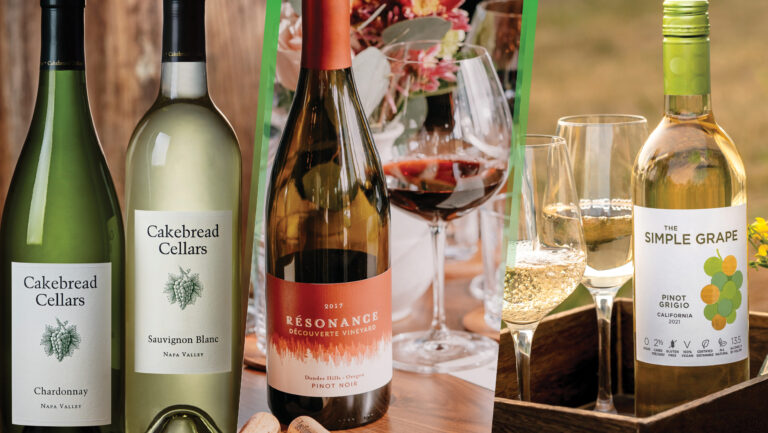
From precision irrigation to habitat preservation to simplified messaging, here’s how three U.S. wine brands are taking sustainability to new heights
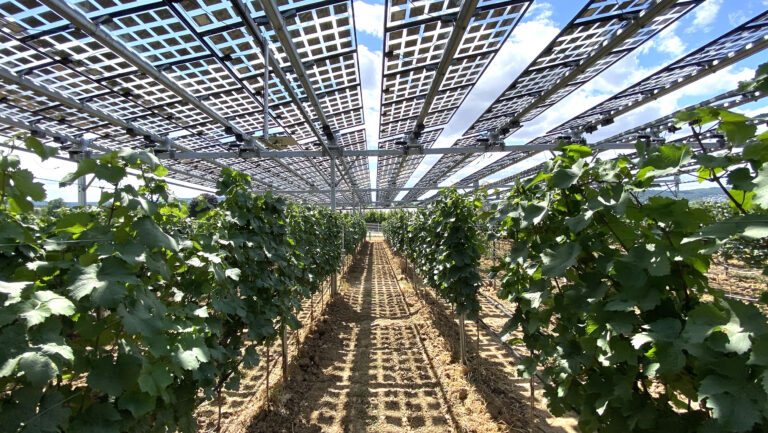
Agrivoltaics, a new solar paneling system designed to support agriculture while providing green energy, has shown positive results in vineyards around the world—but its high cost and depleted federal funding is slowing its uptake in the U.S.
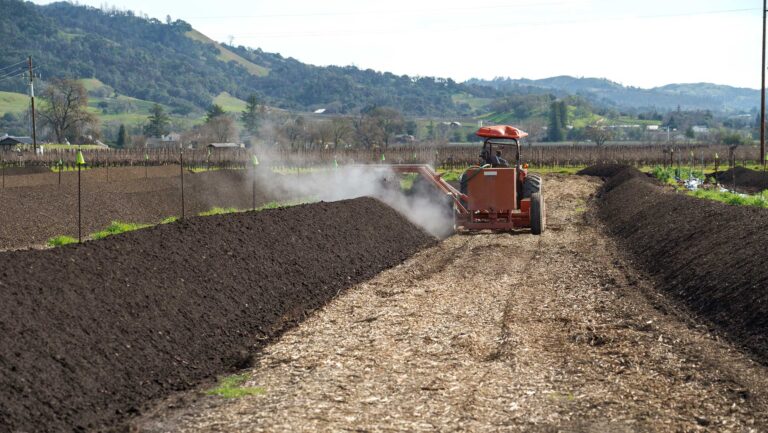
For regenerative viticulture to make a meaningful impact on the wine industry, it needs to be adopted by both boutique wineries and high-volume producers—can it be done?
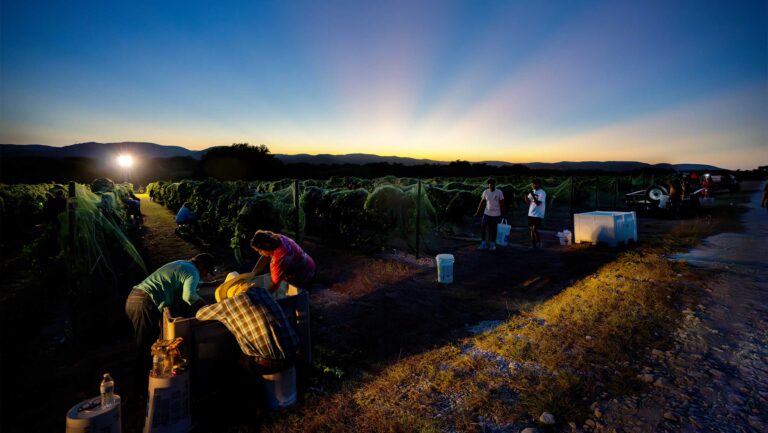
As more vineyards around the world face persistent and intermittent heat stress, researchers and vineyard managers are working to understand how grapevines are coping, and how they can better intervene
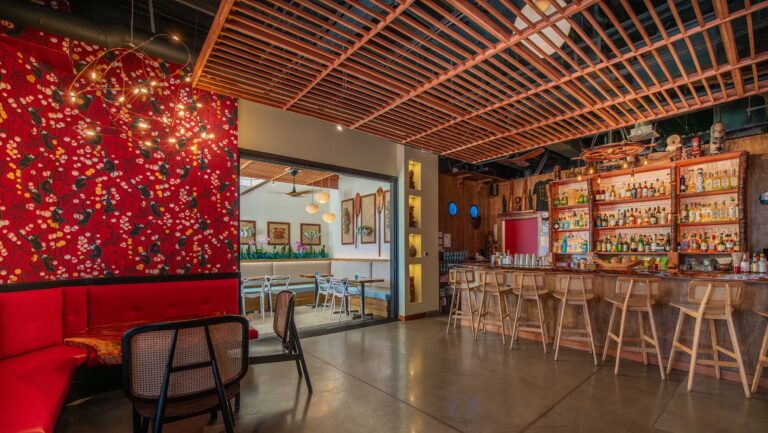
From hiring displaced workers to prioritizing local suppliers, bar professionals in Maui are still rebuilding with the future of the entire community in mind
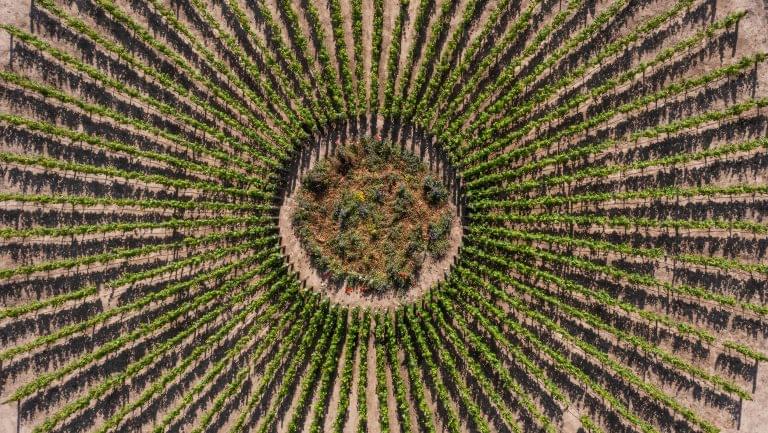
Vintners may not be able to change the climate, but they’re attempting to control microclimate through innovative new vine orientation and training approaches
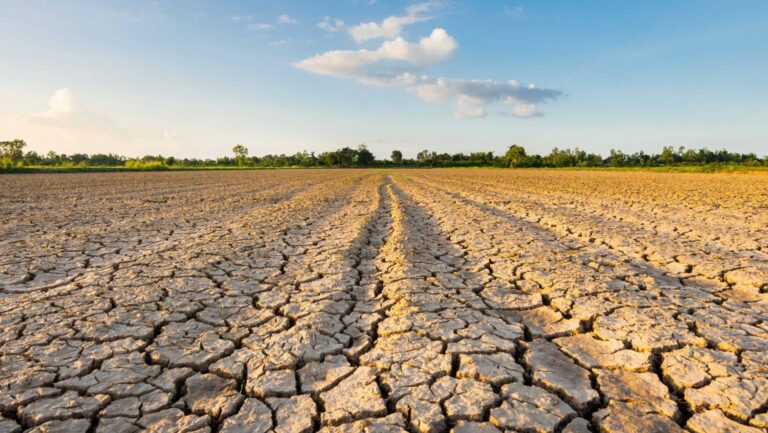
As U.S. demand for Mexican beer and spirits fuels industry growth, severe drought in the region complicates that success story and calls for a more sustainable approach

Expanding the state’s bottle redemption program to include wine and spirits is a massive undertaking, raising concerns—and hopes—from California’s beverage industry
Eco-friendly practices—including organic, biodynamic, and regenerative production—are top of mind for winemakers and distillers around the world. These regions and producers are leading the charge
Sommeliers, retail buyers, and wine directors share their favorite organic, biodynamic, and sustainable wines
It’s time to scrutinize the significant labor issues facing the wine sector—and explore the preliminary steps being taken to mitigate them