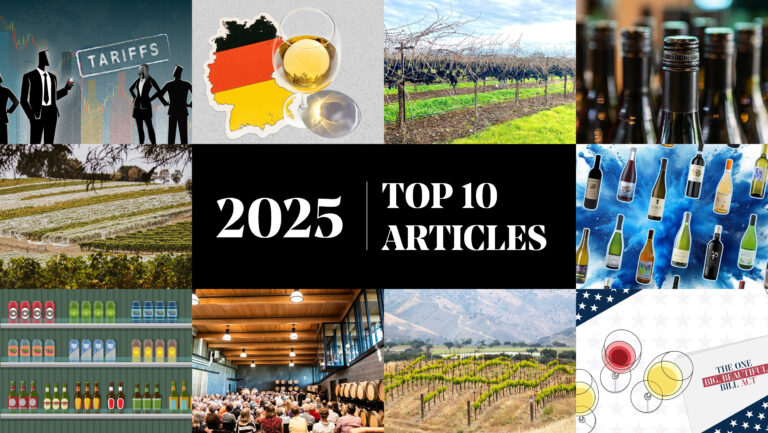

After a series of tough years for the beverage alcohol industry, 2025 proved to be another difficult one. The economic and political landscape is more fraught than ever and shows no signs of letting up. Since the Trump administration first enacted long-threatened tariffs in February, beverage businesses have been scrambling to stay afloat amidst erratic policy changes—a feeling that was evidenced when tariffs displaced sustainability as the industry’s top area of concern in this year’s career and salary survey.
It’s no surprise, then, that SevenFifty Daily readers sought out stories covering the myriad ways that broader societal changes and world events were affecting our industry this year. But despite all of the chaos, industry professionals remain committed to their industry. Curiosity about the beverages we share and sell hasn’t waned, as demonstrated by the number of readers who sought out science-led pieces in 2025. Diving deep into the impact of vineyard and winemaking practices topped the list of popular science articles, from aging wines under screw cap to the effects of crop thinning.
As 2025 comes to a close, we invite you to explore the SevenFifty Daily stories that most captivated industry members throughout the last year.

Don’t miss the latest drinks industry news and insights. Sign up for our award-winning newsletters and get insider intel, resources, and trends delivered to your inbox every week.
10. How the ‘One Big Beautiful Bill’ Impacts the Drinks Industry
Advocates in beverage alcohol weigh in on the benefits and drawbacks of President Donald Trump’s massive new legislation package
By Betsy Andrews

Photo credit: Adobe Stock/SevenFifty Daily staff.
The drinks industry is both celebrating and bemoaning H.R.1, the sweeping set of measures signed into law by President Donald Trump on July 4, after passage in the Republican-led Congress. Officially dubbed the One Big Beautiful Bill Act (OBBB), the package extends and expands credits from the Tax Cuts and Jobs Act of 2017, passed during Trump’s first term; cuts Medicaid, food benefits, and student loans; increases funds for immigration enforcement; rescinds many of former President Joe Biden’s green tax initiatives; addresses some needs from the stalled Farm Bill; and much more. It’s estimated to cost the United States $3.4 trillion over the next 10 years.
The OBBB is so sprawling that, for beverage professionals, it is a mixed bag. Economic gains in the form of tax breaks are offset by environmental setbacks and much-increased funding for the Trump administration’s crackdown on immigration, which impacts the agriculture and hospitality communities.
SevenFifty Daily spoke with industry advocates and consultants about the bill’s relevant sections and their projected impact on distributors, producers, and workers. [Read more]
9. Does Crop Thinning Really Lead to Better Wine?
Crop thinning—the practice of removing some grape clusters from the vine before harvest—is thought to boost the quality of the remaining crop, but how well does it actually work?
By Amy Beth Wright

When Professor Patricia Skinkis, Ph.D, started as a viticultural extension specialist in the horticulture department at Oregon State University in 2007, she noticed that many Willamette Valley wine producers were convinced that farming grapes for low yields—which meant removing as much as 50 percent of their crop from the vine before harvest—ensured quality fruit and wine. This practice is known as crop thinning, cluster thinning, green harvesting, green thinning, dropping fruit, or a green drop.
“That’s bizarre,” thought Dr. Skinkis. “We have plenty of sunshine here. The vines are healthy and green. They’re not weak. The problem isn’t how much fruit is on the vines. It’s more how warm or cool the season is.”
In 2012, Skinkis and her colleagues launched a 10-year research project evaluating Pinot Noir grapes and wine grown in varying combinations of elevation, soil, and climate. “The overwhelming response was that it’s not necessary to thin as much as growers had thought, especially because the crop level is managed earlier in the season by cane pruning and shoot thinning [the removal of green material, like stems, leaves, tendrils, and bunches that later become fruit clusters],” says Skinkis. “So, it resonated for us to look deeply at what yield means, and to question, what does crop thinning really do for us?” [Read more]
8. The New Marketing Playbook for Wineries
From introducing tailored, AI-generated messaging to forgoing influencer content, here’s how wineries are evolving their marketing strategies in 2025 and beyond
By Kelly Magyarics
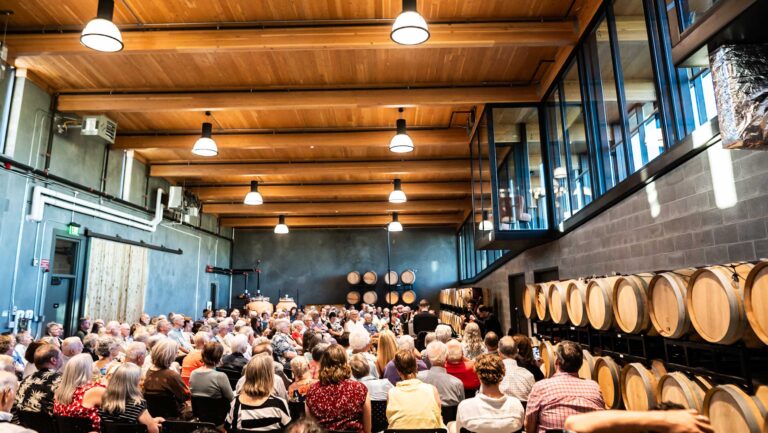
Over the past few years, the wine landscape has radically altered. An increased focus on wellness, concerns about wine’s place as part of a healthy lifestyle, and rising prices have all led to shifting consumer habits. Younger generations are drinking less, though they’re turning to higher-quality offerings when they are imbibing. And across the board, the very act of enjoying wine—whether in a tasting room or a living room—comes with an increased expectation of a connected, immersive experience that goes deeper than the glass.
These and other factors have stirred wine producers to pivot away from traditional marketing strategies, like case discounts, esoteric tasting notes, or positioning wine as an indulgence, which are no longer resonating with many consumers. “Whether it’s through immersive storytelling, behind-the-scenes moments, or digital touchpoints that feel personal and real, we’re committed to evolving how we connect,” says Ellie Anest, the CEO and cofounder of Eleven Eleven Wines in Napa Valley.
Wineries around the world are exploring new marketing techniques and technology, like AI-generated tailored messaging, and rethinking how they tell their story, increasingly steering clear of technical jargon while also forgoing influencer content. Here’s what’s in the new marketing playbook for wineries in 2025 and beyond. [Read more]
7. The Regulatory Chaos of Cannabis Drinks Retail
Without federal guidance on the sale and consumption of hemp-derived THC-infused beverages, states are scrambling to legislate, leading to a confusing patchwork of regulations for retailers and distributors to follow
By Brian Fink
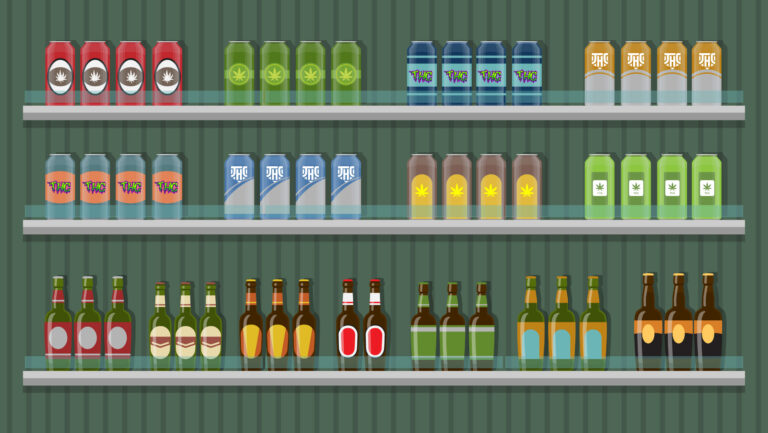
Art Nergaryan’s specialty wine and cheese shops in Massachusetts had thrived for years. But when he introduced hemp-derived THC-infused beverages, something unexpected happened: his business boomed.
“I turned half of the store into THC products,” says Nergaryan, whose Art’s Specialties has four locations across the state. “My business jumped by 25 to 35 percent.” His customers, delighted by the convenience, started buying THC-infused drinks alongside their usual purchases. “Those customers started coming in more frequently, not just for the beverages, but for everything else, too.”
Nergaryan’s success seemed like a harbinger. “Once liquor stores opened for business, everything exploded,” says Adam Terry, the cofounder and CEO of Cantrip, a Massachusetts-based manufacturer of THC drinks. Indeed, the THC-infused beverage market saw sales rise from $102 million in 2023 to $382 million in 2024, according to Brightfield Group. Emboldened by states like Minnesota, which in 2022 enacted legislation that created a “quasi-legal” market for hemp beverages and in 2023 brought more regulatory certainty to the category, retailers increasingly sold THC-infused drinks and other edible products to consumers. [Read more]
6. The 16 Breakout Wines of 2024
Sommeliers, retailers, and importers discuss the unlikely hits of last year, from classic wines to offbeat bottles
By Courtney Schiessl Magrini, Caitlin A. Miller, and Tyler Wetherall

Reflecting on 2024 in the wine industry could be a disheartening task. The industry faced plenty of challenges, from declining consumption to devastating weather events and beyond. But it can also take a different tack, reflecting on the wines that consumers truly loved in 2024—especially the surprising, sleeper hits.
For many, unexpected bestsellers emerged from bottles that broke away from the pack; traditional wine programs found success with the rogue natural wine, and programs that didn’t shy away from the funk found that classically styled wines were hits. With selections from France to the U.S., Cyprus to Argentina, this year’s breakout wines demonstrate that there’s no shortage of adventurous drinkers—and wine professionals ready to serve them.
SevenFifty Daily polled 16 wine directors, sommeliers, retailers, and importers to find out which wines were the unexpected hits of the year, and why they soared above the rest. [Read more]
5. The Science of Aging Wine Under Screw Cap
Can wines successfully age under screw cap? Long-term producer data and ample scientific research now offers a detailed answer
By Caitlin A. Miller
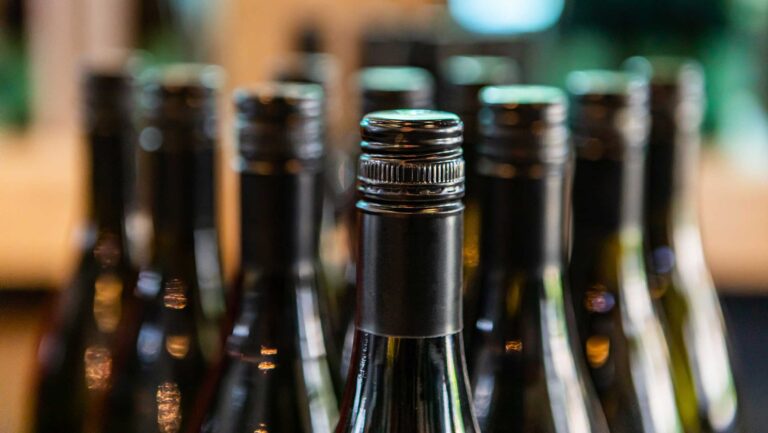
Screw caps for wine bottles have been around for almost 70 years, but in many ways they are still a controversial closure. Screw caps are often associated with low-end wines that are not meant for aging, and seeing a high-end restaurant present an expensive, aged bottle with a screw cap can be shocking, particularly for U.S. consumers.
“There is a shock factor in approaching a table in a dining room like The Modern with a bottle with a screw cap,” explains Isabel Kardon, the sommelier at the two-Michelin-starred restaurant in New York City. “I think that it often rubs guests of a certain age range the wrong way.” That’s likely due to the limited presence of screw caps in the U.S. market over the last several decades. In a 2021 survey of North American wineries, 70 percent of respondents said that cork was the preferred closure type.
But these assumptions about screw caps and wine quality are just that—assumptions. In the 66 years since Stelvin (then known as Stelcap-Vin) first introduced screw caps for wine bottles, a lot has changed, and a lot more is known about how a wine is impacted when bottled under a screw cap versus a cork—both in the short term, and now, the long term. [Read more]
4. The Under-the-Radar Australian Wine Region You Should Know
Despite its relative obscurity, Gippsland is producing some of the country’s most exciting wines, like cool-climate Chardonnays and Pinot Noirs that are on par with great Burgundies
By Caitlin A. Miller
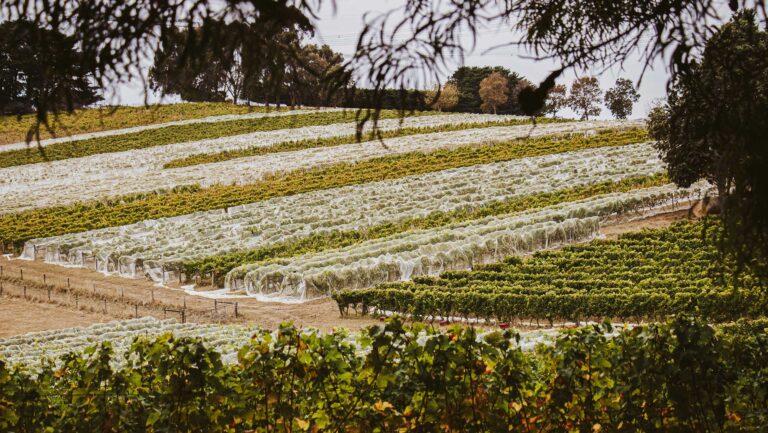
Many American wine professionals would argue that just about all of the wines from Australia are undervalued. Even getting U.S. consumers to buy well-known and once highly popular Shiraz can be an uphill battle. But many would also argue that the battle is well worth it.
That’s certainly true of the wines from Gippsland, a large yet little-known wine region in southeast Victoria that’s home to mainland Australia’s coolest terroirs. “The proof is in the pudding with the quality of wine they’re putting out from Gippsland,” says Jane Lopes, the cofounder of Australian wine import company Legend Imports, pointing to the wines from two of the region’s pioneers, William Downie and Patrick Sullivan. “I would put their Chardonnays and Pinot Noirs up against top Burgundy and top U.S. wines, and feel confident they’d come out favorably, especially for the value they represent.”
Despite its relative obscurity, Gippsland is producing some of the country’s most exciting wines from two of the world’s most popular grape varieties. While you can find high-quality Chardonnay and Pinot Noir from many regions around the world, Gippsland is offering a truly unique take on these consumer-friendly varieties—and, in the process, “changing the overall perception of what Australian wine is,” says Simi Grewal, the cofounder of Decant Bottle Shop & Bar in San Francisco and Napa Valley. [Read more]
3. The Plight of California’s Grape Growers
As vines are pulled and grapes left unpicked across California, farmers blame tax loopholes, import incentives, and sluggish demand. Now, some ask, can tariffs provide much-needed relief?
By Tina Caputo
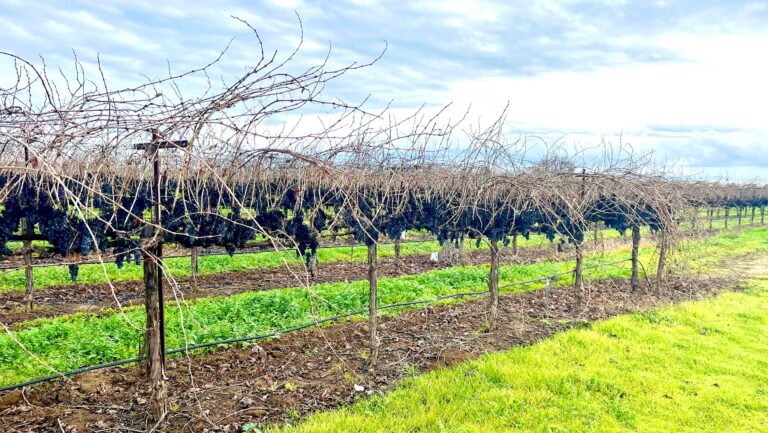
It’s become an all-too-familiar sight in California’s Lodi wine region. Among the scenic vineyards and almond orchards lie heaps of grapevines that have been pulled from the ground. It’s not that the vines are diseased; no one wants to buy the grapes.
The U.S. wine industry remains in oversupply following a couple of tough years, and according to Silicon Valley Bank’s latest report on the state of the U.S. wine industry, the situation isn’t likely to improve in 2025. Wine consumption is down due to myriad headwinds including generational shifts away from wine, competition from other beverages, and anti-alcohol messaging. And when consumers buy less wine, wineries buy less fruit.
Yet California grape growers say the drop in demand is only part of the story. Many contend that unfair trade policies and loopholes in federal regulations are crushing them in the domestic marketplace. With a 10 percent tariff on global imports currently in effect, some California growers are hoping the additional tax will inspire big wine producers to buy more domestic fruit. [Read more]
2. The Invisible Crisis in Germany’s Wine Industry
Two-thirds of independent German wine producers are in trouble, according to industry experts. What brought on this crisis, and how are wineries adapting to stay afloat?
By Valerie Kathawala
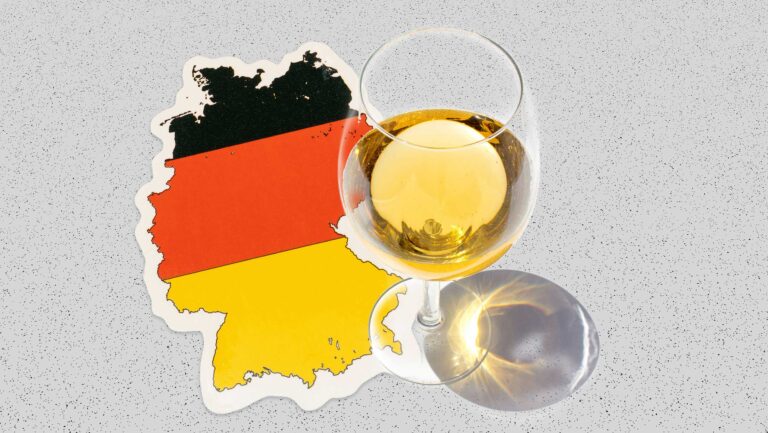
In January, hundreds of people gathered in New York City for a glittering, sold-out celebration of German wine. Rieslingfeier, an event modeled on La Paulée, filled an elegant hall with collectors, consumers, and trade. As they elbowed for pours from icons like Julia and Klaus Peter Keller and Katharina Prüm or selfies with Julian Haart and Lara Haag, everyone was in full agreement: these producers—and their peers—have ushered in a golden age for German wine. But amid the buzz of enthusiasm, no one talked about what was happening back in Germany, where the broader wine industry is in crisis.
“We are facing a transition of a magnitude not seen since the Second World War,” says Simone Loose, Ph.D., a professor of wine and beverage business administration at Geisenheim University and one of Germany’s leading researchers in the field. A combination of economic pressures and shifting consumer habits has left many producers struggling. Climate whiplash has slashed yields in some areas, while in others, producers are saddled with oversupply, trying to sell their surplus to a saturated bulk wine market. As a result, industry experts forecast a long, painful period of adjustment before the German wine sector returns to viability. [Read more]
1. How Tariffs Are Impacting the Beverage Alcohol Industry
This series of articles explores the many, often unpredictable, ways that President Trump’s trade war is impacting the beverage alcohol industry
By Courtney Schiessl Magrini, Caitlin A. Miller, and Tyler Wetherall

Since President Donald Trump kicked off the trade war earlier this year, uncertainty has plagued businesses and consumers across the U.S. and around the world. It all started when Trump formally enacted 25 percent tariffs on all goods from Canada and Mexico—plus 10 percent tariffs on goods from China—on February 1, instigating what has been an ongoing period of frantic negotiating and countermeasures, in which the American alcohol industry has been amongst the prime targets.
The wine and spirits industries were caught in the crosshairs of Trump’s last trade war from 2018 to 2023, which dealt a serious blow across all three tiers. American whiskey producers lost sales in export markets due to EU tariffs, and wine and spirits importers, distributors, and buyers—and therefore, consumers—all saw costs rise thanks to U.S. tariffs on certain imports.
The impact of this trade war is still unfolding, and the unpredictable nature of this trade policy has created an ongoing crisis for the alcohol industry. Read more about what we know about the tariffs; how the tariffs are harming American producers; and how American alcohol importers are adapting.

Dispatch
Sign up for our award-winning newsletter
Don’t miss the latest drinks industry news and insights—delivered to your inbox every week.