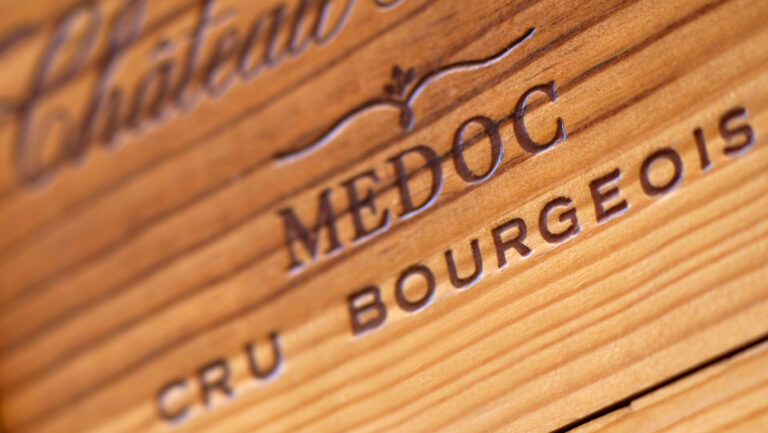
Will the Newly Revamped Cru Bourgeois Win Over Wine Buyers?
After decades of back and forth, the bar is said to be higher than ever for the 2025 Cru Bourgeois classification in Bordeaux. Will this help the designation find new footing?
 Dispatch

Don’t miss the latest drinks industry news and insights. Sign up for our award-winning newsletters and get insider intel, resources, and trends delivered to your inbox every week.
After decades of back and forth, the bar is said to be higher than ever for the 2025 Cru Bourgeois classification in Bordeaux. Will this help the designation find new footing?
From introducing tailored, AI-generated messaging to forgoing influencer content, here’s how wineries are evolving their marketing strategies in 2025 and beyond
Whether for marketing, capital, or to craft a specific style, purchasing back-stock Champagne still aging on the lees—a little talked about practice—has been game-changing for these winemakers
When they aren’t working at traditional wineries, next-gen winemakers are driving innovation with experimental side projects—and pushing Uruguay’s wine industry forward in the process
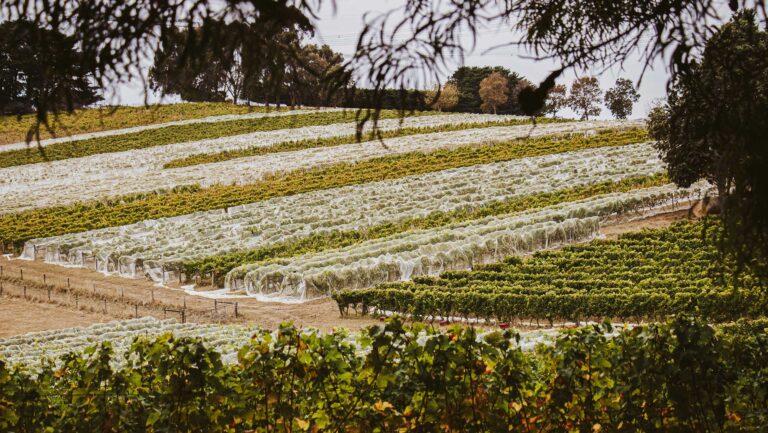
Despite its relative obscurity, Gippsland is producing some of the country’s most exciting wines, like cool-climate Chardonnays and Pinot Noirs that are on par with great Burgundies
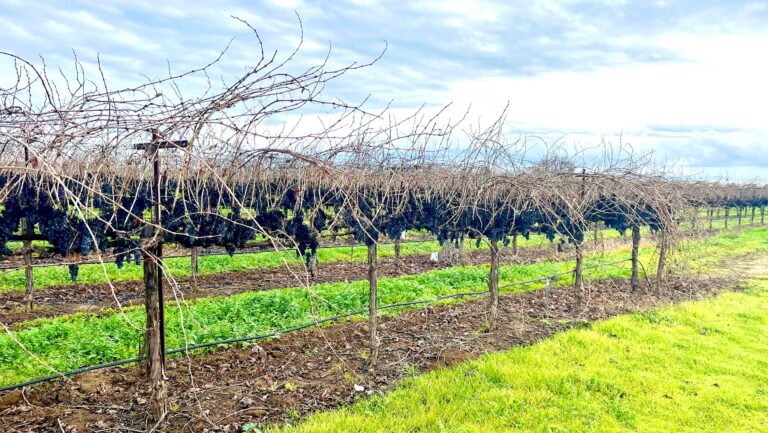
As vines are pulled and grapes left unpicked across California, farmers blame tax loopholes, import incentives, and sluggish demand. Now, some ask, can tariffs provide much-needed relief?

The fresh, fruit-forward profile of classic Provence rosé calls for reductive winemaking, but some producers are turning to a more oxidative approach to add complexity to their wines

These six regions in Texas, Washington, and California—including one AVA that has already been approved—have exciting potential for the U.S. wine industry
Two-thirds of independent German wine producers are in trouble, according to industry experts. What brought on this crisis, and how are wineries adapting to stay afloat?
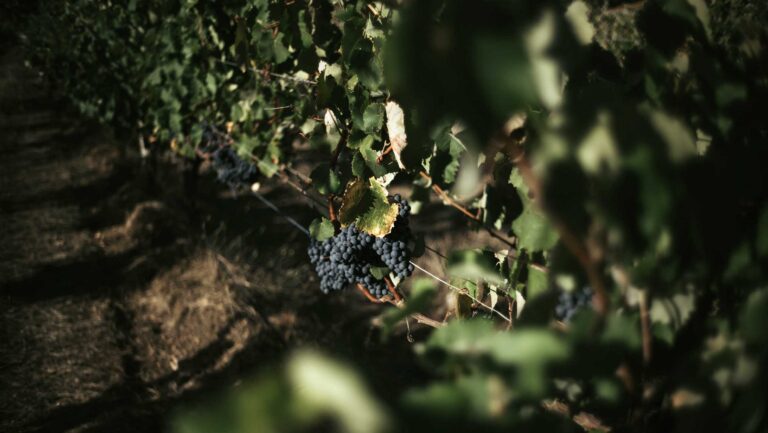
Many Americans think that Australian Shiraz is inherently jammy and high in alcohol. But an exploration of the category reveals a highly diverse spectrum of wines, which is seldom acknowledged stateside
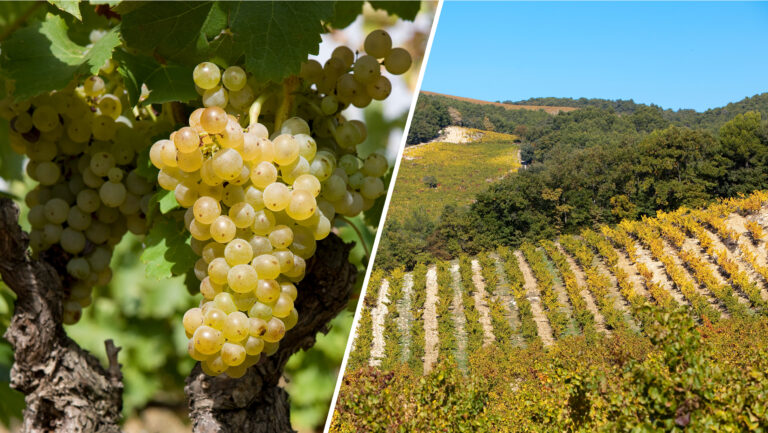
As consumer drinking preferences shift, some of the world’s best-known red wine regions are turning their attention to whites—but changing consumer perceptions of a region is more difficult

From a South African négociant to a canned bubbly specialist, these Black wine professionals are bringing innovation and quality to the industry
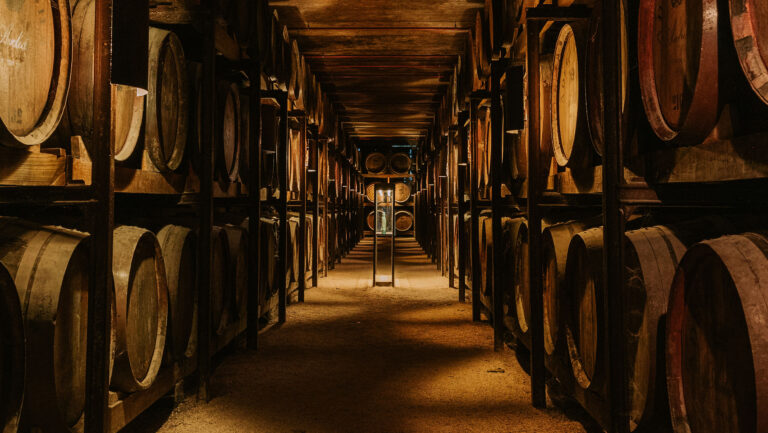
Entry-level Portuguese wines have made an impact on U.S. consumers, but as Americans’ love for Portugal grows, can more premium bottles make inroads next?
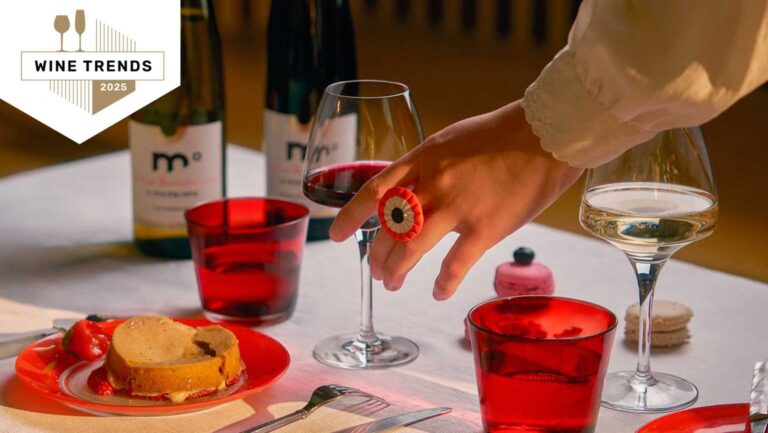
From tariffs to climate change, the wine industry will face significant challenges in the year ahead, but changing consumer preferences could also bring opportunities
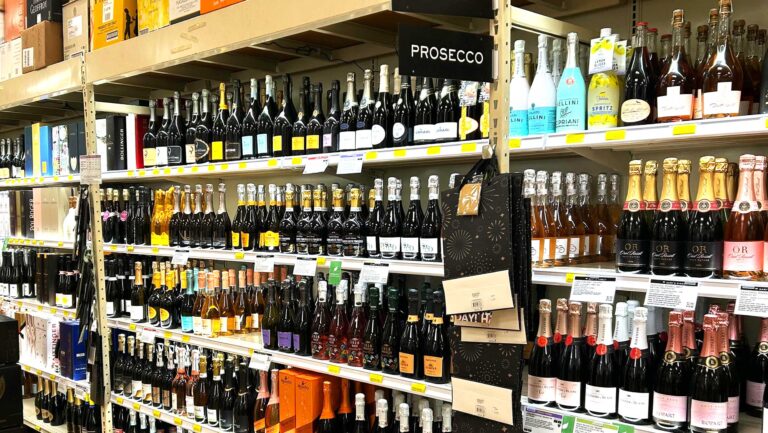
Americans’ love of entry-level Prosecco is spurring them to explore more expensive, DOCG bottlings, which can retail for up to $50 per bottle
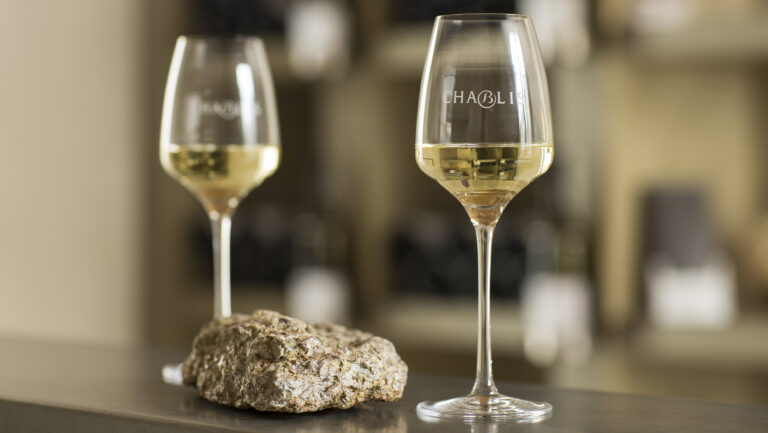
Wine sales are declining worldwide, yet sales of Chablis continue to increase in the U.S. market. What’s driving this success?
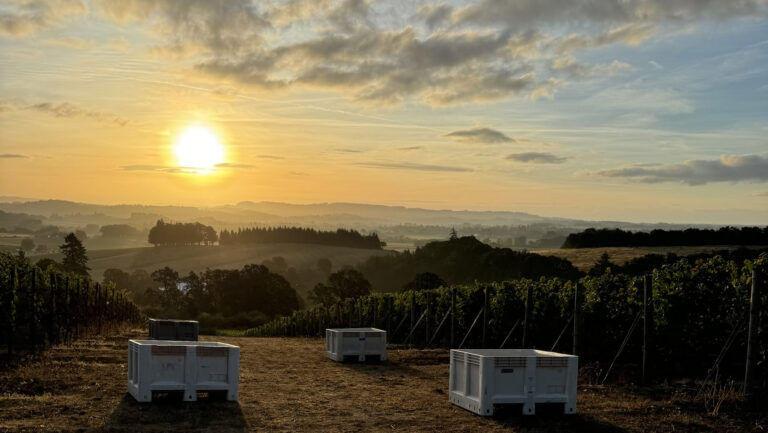
How these independent winemakers are gaining access to affordable land in the U.S.
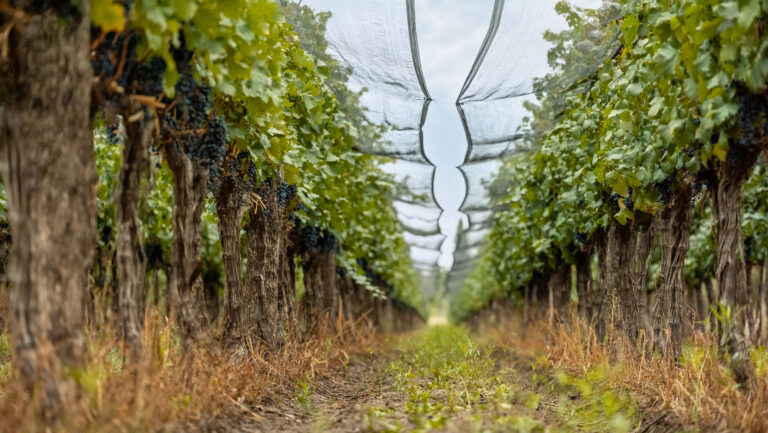
The quality and diversity of Argentine Malbec has evolved rapidly since it burst onto the scene in the 1990s—and winemakers are proving there’s much more to this signature variety than you think
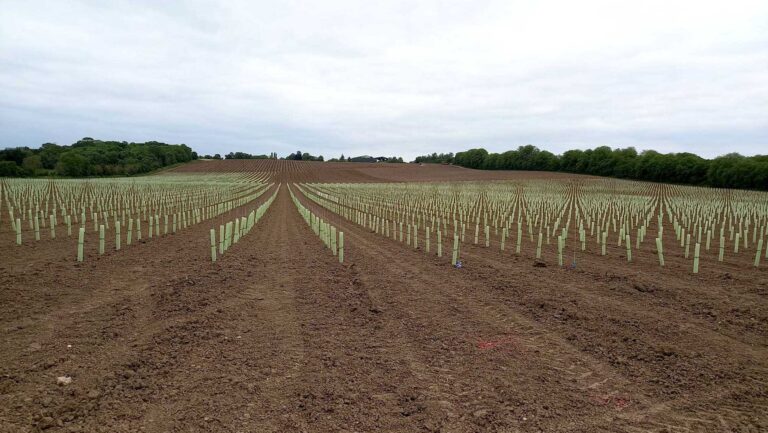
Jackson Family Wines’ expansion into England underscores a quality movement in the nation’s still wine industry—and could propel it onto a world stage

In states where serious winemaking was once unheard of, like Vermont, Maine, New Jersey, and North Carolina, the scene is heating up
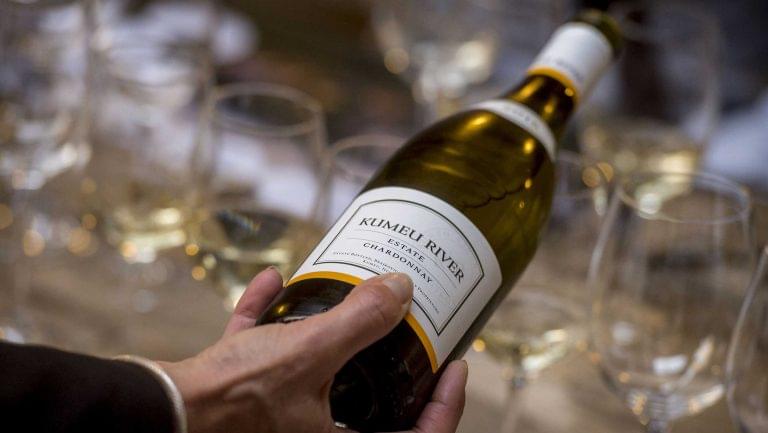
New Zealand has been producing Chardonnay for decades, but quality examples of this wine are on the rise from both islands—and they’re making their way to U.S. shores

For wine buyers looking to diversify their restaurant’s wine list, auctions are a great way to acquire rare bottles—but successful bidding requires a well-planned strategy
Seven of the latest proposed American Viticulture Areas come from California, Washington, and Texas