
From September 8 to 10 in Houston, 30 candidates sat for the final two portions of the Court of Master Sommeliers, Americas’ (CMSA) Master Sommelier Diploma examination, one of the wine industry’s most rigorous exams. Only four passed.
With just 305 Master Sommeliers worldwide—176 in the Americas—the Master Sommelier Diploma remains one of the most challenging and most coveted credentials. Each year, a limited number of candidates who have already passed the advanced sommelier exam are able to sit for the Master Sommelier examination, and all three components must be completed within three years. Each of this year’s candidates had already passed the theory portion of the exam, which is held separately.
SevenFifty Daily spoke with the 2026 class of Master Sommeliers to learn what helped them succeed, the study strategies that worked for them, and their advice for future candidates.
Don’t miss the latest drinks industry news and insights. Sign up for our award-winning newsletters and get insider intel, resources, and trends delivered to your inbox every week.
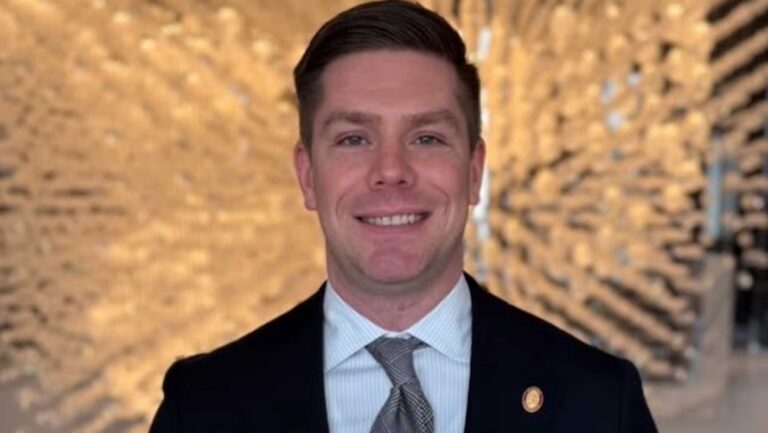
Alex Mares, MS; New York City
Now the wine director of Bourbon Steak New York at JW Marriott Essex House, Alex Mares originally planned to pursue a career as a classical musician. A side job in hospitality sparked his interest for wine, eventually leading Mares to become a sommelier. He passed the advanced sommelier exam in 2020. After a few attempts at the Master Sommelier Diploma examination, Mares scored the highest in the cohort this year.
How many attempts did it take you to pass the exam?
Theory: 2; Practical: 3; Tasting: 4
Which part of the exam was the biggest challenge for you? How did you overcome it?
Tasting took the most work and had the biggest challenges for me by some margin. The first two times I took the exam, no questions asked, I just wasn’t good enough yet. In 2024, I changed a lot of my approach and preparation and felt very sharp going in but just couldn’t manage the mental weight and stress of “game day.”
After re-passing theory in 2025, I put a lot of work into the mental side of the game, in addition to doubling down on my prep work from 2024. Meta-analysis of my tasting performance data, breath-based meditation, deep visualizations of every element of exam day, all things that would hopefully give me calm and peace to feel confidently myself walking into the tasting exam room.
What was the most surprising thing you learned about yourself throughout this
process?
Realizing that the exam and passing it are just one part of myself, rather than the whole thing. It wasn’t until I reset after failing tasting in 2024 that I was able to really dig deep and come to that understanding. This thing doesn’t define me, and I am so much more than it—be that the pursuit or the title. That reflection helped me redefine my relationship with the process and I was able to have a much clearer, freer mindset when taking the exam this year and last.
What tips would you offer a future MS candidate?
For theory: Give yourself enough time to truly master all the information. The theory exam isn’t just about who has the biggest collection of data points in their brain; it’s about understanding how those data points are all interconnected. Building those connections often just takes time, experience, and repetition. I think often too many people rush the time between passing the Advanced Exam and taking MS Theory for the first go and never allow these things to happen organically when living in 9-month theory prep cycles each year. There are still some things that are taught best through experience.
For tasting: I think people spend too much time just tasting wines blind and not enough time tasting open label. It is so important to understand all the ins and outs of every classic wine, across differences in vintage and producer style.
For service: Much like real life on the restaurant floor, the service exam is about using the
excellence of your technical service to allow your guests to feel comfortable and have a
great time. Too many people get lost in trying to find “the answer” they think the examiners want, rather than what comes naturally to make sure your guests have an awesome time in your restaurant.
What did you drink to celebrate passing the exam?
So many things! I don’t have one specific, special bottle saved to celebrate this, but there
have been a lot of incredible wines already with more to come. What’s more important is getting to drink them and share those moments with the people I love who have played a part in this journey for me.
What are your goals now that you are a newly minted Master Sommelier?
I like my job. I love living in New York, and at the end of the day, I’m still the same guy I was
two weeks ago. So as far as that goes, I’m just going to keep doing my thing. I’m very excited to jump into being involved in teaching the Court [of Master Sommeliers] programs. I want to continue pouring into the NYC community, especially coaching and mentoring people pursuing the advanced and Master Sommelier levels. If this now gives me a bit more reach and a platform to share what I have learned and my experiences with more people … then it’s all been worth it.
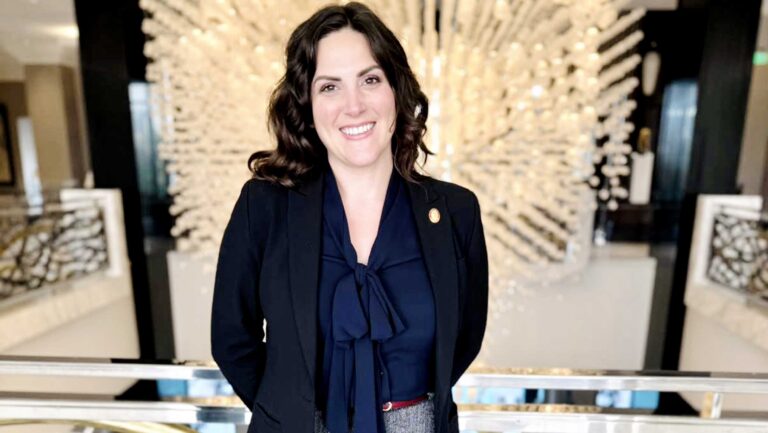
Kaysie Rogers, MS; Santa Rosa, California
Kaysie Rogers’s wine career began at HMF, the restaurant and social club at The Breakers in Palm Beach, Florida. She passed the Advanced Sommelier exam in 2017 and first sat for the Master Sommelier exam in 2021. After several attempts, the Seattle native finally received her Master Sommelier pin, which she plans to proudly display while working the floor at Healdsburg, California restaurant SingleThread Farms.
How many attempts did it take you to pass the exam?
Five.
Which part of the exam was the biggest challenge for you? How did you overcome it?
My personal anxiety and self-doubt were the biggest challenges I had in the exam. I struggled with both service and tasting because I was trying so hard to be perfect that I forgot to be myself. There is always a lot of comparing yourself to others, and with the exam you are surrounded by the best of the best. It took finally listening to myself and what I needed to do to prepare for the exam, to stop trying to do what everyone else was doing and comparing my journey to others, to give me the confidence to show up to the exam as me. Trusting yourself is the hardest part of the exam process.
What was the most surprising thing you learned about yourself throughout this process?
How hard it is to really have faith in yourself. We push ourselves so hard and psych ourselves up, but I always had that voice in my head telling me I wasn’t enough or that I should be doing more. Facing your struggles and choosing to move forward and believe in your choices and yourself is a challenging and amazing journey.
What tips would you offer a future MS candidate?
Find your own path in the exam. I did so much less to prepare this year because the pressure I had been putting on myself in the previous attempts just wasn’t working for me. I had several MSs tell me that over the years I was over-preparing, and I just didn’t understand what they meant until I let go this year. What helps others won’t necessarily work in your journey.
What did you drink to celebrate passing the exam?
Trimbach ‘Clos Ste. Hune’ 2002.
What are your goals now that you are a newly minted Master Sommelier?
I want to be a huge part of the education and mentoring of other sommeliers, especially women. I was surrounded by such a strong group of amazing women, both MSs and candidates, who made my journey even more amazing. I want to be and continue to be that person for others. I’m so excited to start teaching intro classes.
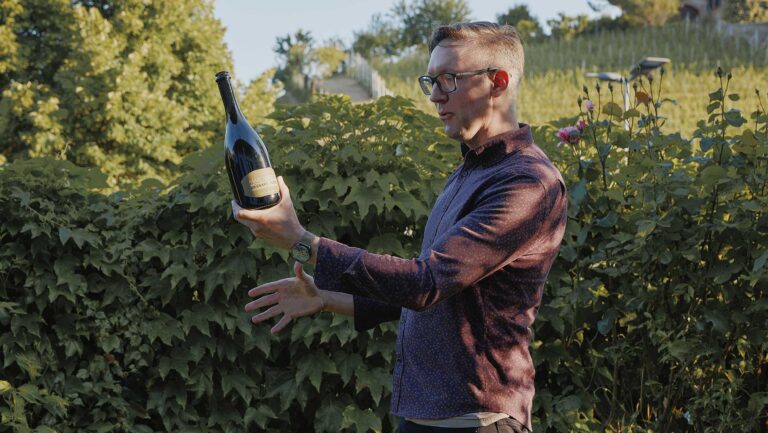
Steven Washuta, MS; Denver
Although Steven Washuta, the co-owner of Denver Wine Merchant, first passed the Master Sommelier exam in 2018, his results—along with 22 other candidates—were later invalidated after a cheating scandal rocked the CMSA. Undeterred, Washuta pursued the pin again.
What made you decide to continue to pursue the MS title after the 2018 exam invalidation?
Passing this exam meant too much to me to give it up, and I knew I could do it a second time.
Does it feel different passing this time?
Not tremendously—maybe slightly less “party” and more “finally.” If anything, the second time was more satisfying and validating.
Which part of the exam was the biggest challenge for you? How did you overcome it?
Definitely tasting. I feel like it’s a trickier skill than people realize, and it’s not a natural skill as much as it’s learned. This year I really focused on avoiding jumping to conclusions and listening to myself to call the best match, not the wine that I wanted it to be.
What was the most surprising thing you learned about yourself throughout this process?
When we opened the shop six years ago, I thought it would be a cute neighborhood store. Now I won’t be happy until it’s considered among the best in the world.
What tips would you offer a future MS candidate?
It’s only worth it if you’re absolutely obsessed with wine, but wine is amazing and you should be.
What did you drink to celebrate passing the exam?
We got to join a new Master Sommeliers lunch after passing, so after many great bottles it was a Dos Equis at the airport and lots of water after landing. There was more Champagne at home when my dad came by, and the big party is next week.
What are your goals now that you are a newly minted Master Sommelier?
Keep kicking ass.
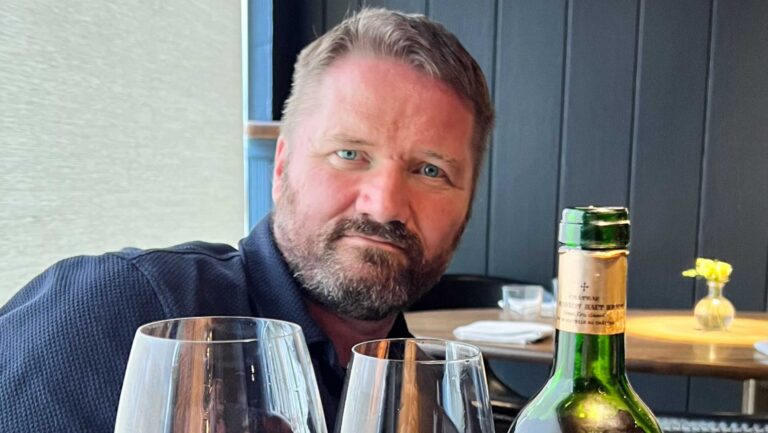
Robert Ord, MS; Napa, California
A U.K. native, Robert Ord has more than two decades of experience working in the wine industry. He got his start working as a bar manager at the former St. Cloud restaurant in Seattle, and has since worked across restaurants, retail, importing, online sales, international judging, and education. He currently serves as the director of Wine Scout, a high-end online concierge service. Ord has been an advanced sommelier since 2008.
How many attempts did it take you to pass the exam?
Too many! I’m fairly certain I now hold the record for the most attempts.
Which part of the exam was the biggest challenge for you? How did you overcome it?
Tasting. While theory and service always felt easier to break down into structured study methods that reliably yielded results, tasting was much less consistent for me. Investing time and effort into tasting only to come up short at the exam was deeply frustrating.
I overcame it by stepping away from the standard six-wine blind tasting format during practice. Instead, comparative tastings between frequently confused varieties became key. Also tasting a single grape variety across many regions in both classic and non-classic styles helped me gain a better palate understanding of that variety. The breakthrough was isolating the distinct markers unique to each variety.
What was the most surprising thing you learned about yourself throughout this process?
My resiliency. It took several attempts to pass, and it was particularly tough after a reset year, having to remotivate myself to restudy theory and service from scratch while analyzing feedback to refine my tasting. Over time, I learned to view failures not as defeats but as essential data points and learning experiences to shape my next preparation. It has permanently changed how I view setbacks in life.
What tips would you offer a future MS candidate?
For the exam, create a long-term plan. Establish a year-long study schedule that lets you comfortably absorb and retain information without burning out. It is especially useful to practice many different service exam scenarios, especially for things that could go awry during service. Knowing that you have already rehearsed dealing with any mistakes gives a big boost of confidence.
As I mentioned earlier, I found that comparative tastings and broadening the scope of my tasting helped me. However, tasting studies must be customized to your personal strengths and weaknesses. Be brutally honest with yourself about where your blind spots are so you can focus on the specific drills and comparatives that will yield better results.
What did you drink to celebrate passing the exam?
Funnily enough, it was also my birthday on [the day the results were announced], so I had a few bottles already chosen for a dinner with my partner and some friends. 2020 Robert Weil ‘Kiedricher Gräfenberg’ Spätlese Riesling, 2009 Château Palmer, and a 1991 Conn Creek Reserve Cabernet Sauvignon.
What are your goals now that you are a newly minted Master Sommelier?
Right now, I’m giving myself a few months to let it all sink in; it still feels very surreal. Beyond that, my primary goal is to pay this achievement forward. I have received an incredible amount of mentorship and support from various tasting and study groups throughout this journey. I look forward to taking a more active role in the local Napa tasting group and also being able to spend more time on my ceramics.
These interviews have been edited and condensed.

Dispatch
Sign up for our award-winning newsletter
Don’t miss the latest drinks industry news and insights—delivered to your inbox every week.
Janice Brockenberry is a New York-based journalist and associate editor of SevenFifty Daily. Her work has appeared in print and online publications, including Newsweek, Wine Enthuthiast, VinePair, Essence magazine, and Full Pour magazine, among others. She holds the WSET Level II certification in wines. Follow her on Instagram at @browngirldrinkswine.